Photo by Expect Best from Pexels: https://www.pexels.com/photo/modern-building-against-sky-323780/
In typical domestic settings, energy consumption involves heating rooms to maintain an acceptable level of warmth as well as heating water. Cooking, lighting, running various appliances, and keeping gadgets on standby mode take care of the remaining portion of the energy bill. Consequently, enhancing energy efficiency in residential buildings is normally not about purchasing something but about implementing a series of measures, both small and big. Some of them require an investment, some can be done in a weekend, and others don’t cost anything. Among the ten options listed below are all types of upgrades, and every home needs a combination of them.
1. Block Gaps before Making Other Changes
It’s common for home owners to forget about draughts. They occur as gaps around window and door frames, exhaust fans, and chimneys. The only thing that’s required to block those gaps is weather stripping and sealing, thus, no professional intervention. Don’t neglect proper ventilation in certain rooms as bathrooms, kitchens, and those with fuel-burning equipment must have it.
Here’s another reason to address this issue before making any changes. Tightening of the home reduces the need for its heating or cooling, therefore, allowing one to install a smaller heating/cooling system.
2. Replace the Old Heating Devices with a High Wall Heat Pump
Electric heaters, including oil column or fan heaters, provide heat in the direct proportion to their power consumption. It sounds reasonable, but it is not the most efficient approach.
A heat pump operates in a different way as it does not generate heat; it transfers it from the outside to the room. Besides, a modern high wall heat pump works year-round. It extracts the heat from the outside air, even if it’s cold, and releases it into the room. As the device cools down the air during hot seasons, it consumes less electricity than a standard heater. For example, for every unit of electricity spent, such a device transfers three units of heat.
The installation of such a heat pump in a living room, bedroom, or office requires one indoor unit placed on the wall, one outdoor unit, and no ductwork. Make sure to choose a model with inverter technology, which can adjust the output according to the demand. Compare energy labels to find the most efficient one and consult a specialist to ensure that the unit installed fits the space.
3. Use Residential Solar Energy
While efficiency means the reduction of electricity usage, solar energy generation implies reducing the consumption of electricity from the grid by replacing it with the energy produced at the roof of one’s house.
When the sun rises, a rooftop solar system starts generating power. As a feed-in tariff in many places becomes much lower than the cost of electricity from the grid, the payback period mostly depends on how much power one uses oneself.
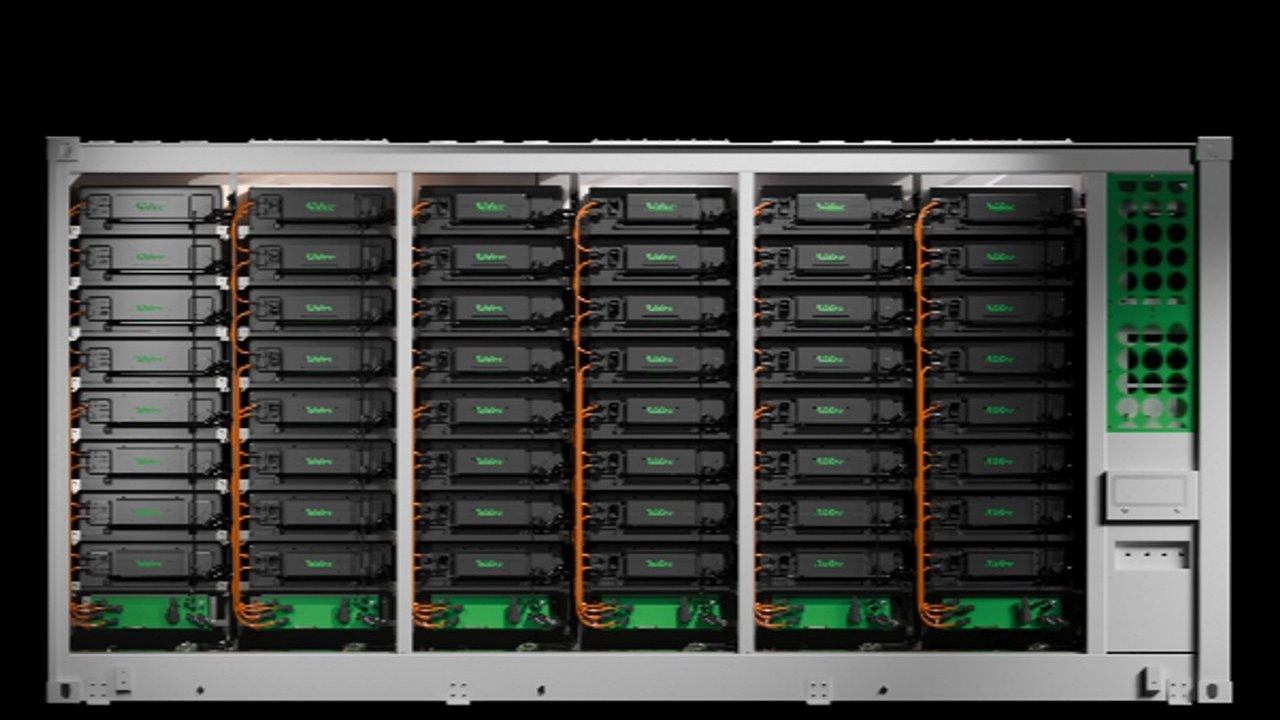
This is how the first two steps become connected. The use of a heat pump on a timer for pre-heating or cooling of a home in the afternoon allows saving money generated with the help of solar energy. Whether residential solar suits your home depends on roof orientation, shading, local tariffs and how much electricity the household uses while the sun is up. An accredited installer can model that before you commit, and can tell you whether a home battery makes sense now or is better added later.
4. Increase Insulation of Ceilings and Walls
In an uninsulated house, apart from walls, there are two main areas where the warmth can escape – ceiling and roof space. During summer, the heat flows through them in the opposite direction.
Topping up the ceiling insulation is usually one of the cost-efficient measures and it does not involve working in the interior of the house. Walls are more difficult to insulate. Depending on how the house was built, it might require blowing insulation materials in the cavity of the walls or installing insulation after a renovation. Underfloor insulation is more likely to be implemented where there is accessible space below the floor.
5. Improve or Insulate Windows
As the glass is a bad insulator, windows allow the warmth to escape during the winter and let the heat in during summer. Installing double glazed windows is a perfect solution, however, an expensive one. Heavy curtains with pelmet and insulating film can reduce the heat loss through the glass.
When talking about windows facing the sun, it’s worth considering the option of stopping heat before it enters the house. For example, an awning, external blinds, wide eaves, and a deciduous tree.
6. Reconsider the Method of Water Heating
Water heating is usually one of the largest energy users in homes and people forget about it as the system is situated in the backyard or the closet. If an old water heating unit has come to the end of its life, consider purchasing a heat pump water heater. It also uses the principle of transferring heat and applies it to water heating.
Apart from this, the installation of a low-flow showerhead and checking the thermostat setting of water storage units can help to reduce the water heating bill. However, do not lower the setting too much as there is a requirement for a certain minimum water temperature.
7. Finish Transition to LED Lighting
Most houses have already started with it. Stragglers are usually halogen downlights in the kitchen or bathroom, old fluorescent lights in the garage or laundry, and outdoor floodlights. The cost of purchasing an LED bulb is typically repaid quickly due to reduced energy consumption and longevity of these lamps compared to halogen. Also, it’s worth noting that LED bulbs consume less energy than the older types of fluorescent lights.
Do not forget to check the compatibility of LED bulbs with the current dimmers.
8. Set Smart Controls to Manage Energy Usage
Good habits are always hard to keep up. However, the installation of controls does not need any effort. Timers, programmable thermostats, and remote controlled heat pumps allow conditioning only the rooms that need it and doing it only when they are used.
The adjustment of setpoints can also reduce energy consumption without affecting comfort. It is worth lowering the temperature of heating a bit and raising the temperature of cooling. There’s no need to condition spare rooms that are not occupied for a long time.
9. Reduce Standby Load and Purchase Appliances According to the Energy Label
TV, set-top boxes, consoles, chargers, clocks of a microwave, and so on. Each of them consumes electricity when on standby mode but altogether they create a background load, which never stops working. Switchable power boards and smart plugs on schedule eliminate most of it.
In regard to bigger appliances, the moment of action is the replacement of the broken appliance. While looking for a new refrigerator, dishwasher, washer, and dryer, do not focus only on the cost of an appliance but also compare its energy labels. And if the old fridge has been moved to the garage for storing drinks, ask whether it actually needs to be plugged.
10. Schedule Heavy Loads Properly
Depending on the time-of-use plan, the same load can cost different money at different times. With the use of delay-start buttons or timers, it is possible to shift dishwashers, washing machines, pool pumps, and EV charging. The logic changes if one uses solar energy. In this case, the cheapest time to run these devices is the middle of the day while the panels are generating electricity. Find the peak and off-peak periods on the plan as they differ between companies and locations.
Making a Decision about Upgrades
First of all, take the bills of the last twelve months. Seasonal spikes can reveal many things; for example, the high usage of energy in winter indicates heating and insulation problems, whereas summer spikes – cooling and shading issues. In case this information is not enough, a home energy audit can provide more insights.
Second, start from the cheapest upgrades, sealing and insulation of the house. Only then, consider purchasing and installing a heating/cooling or residential solar system. It should fit the house after sealing and insulation, not before. Moreover, while looking for an installer of the system, make sure to get at least two quotes and ask each one to explain the reasoning behind the dimensions.