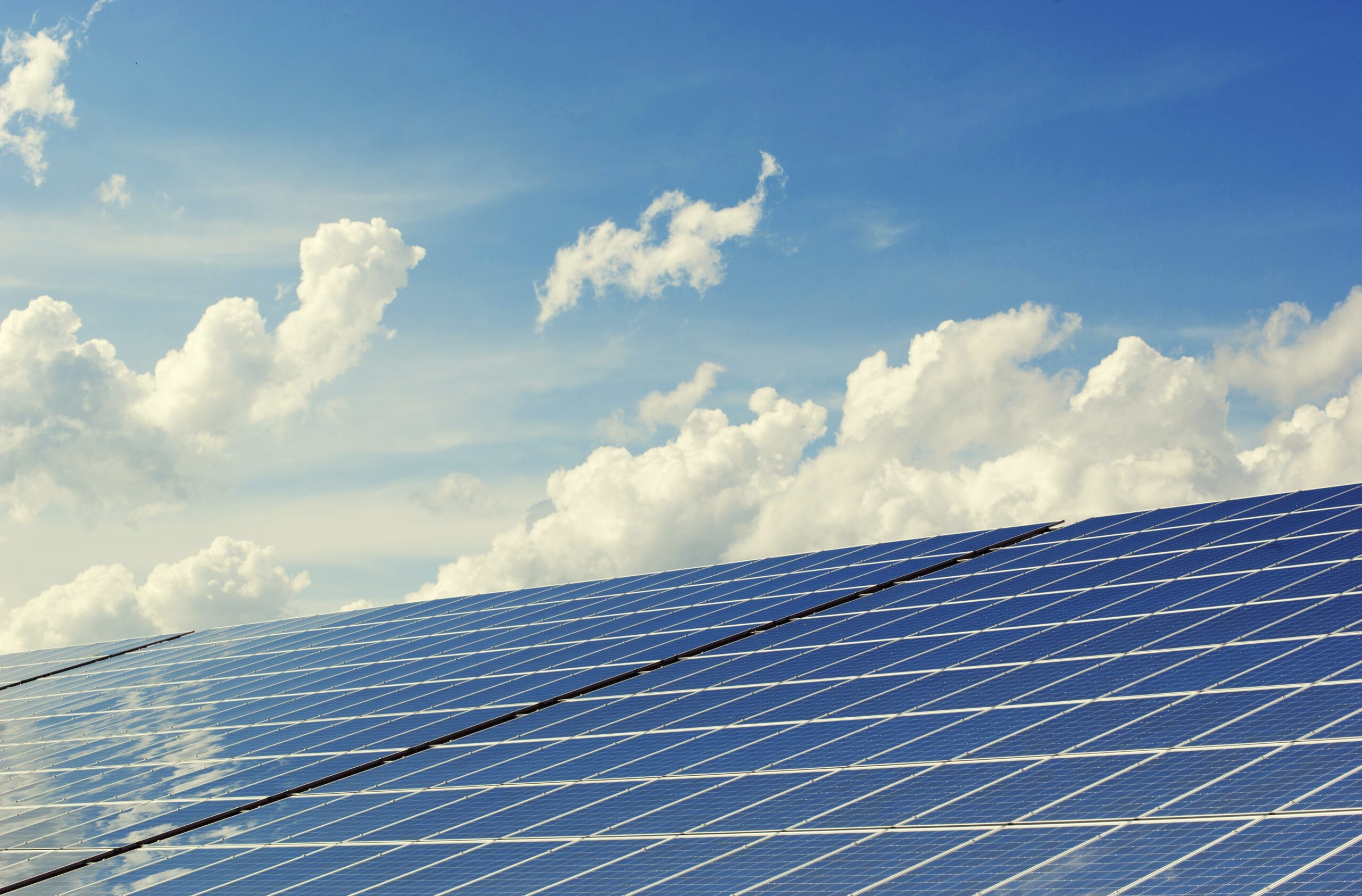
The growing demand for sustainable living has prompted many homeowners to consider solar panels as a strategy for reducing energy costs and increasing property value. As environmental awareness and energy efficiency become priorities, it is essential to evaluate the financial benefits and return on investment associated with solar energy systems.
This analysis examines whether installing solar panels supports eco-friendly practices while also enhancing property values. Both prospective buyers and current homeowners seek to determine if the initial investment in solar technology leads to increased home equity and long-term financial savings.

Understanding the Impact of Solar Panels on Home Value
The installation of solar panels has gained popularity among homeowners seeking to enhance property appeal. This shift not only reduces electricity costs but also significantly influences the property market.
As environmental consciousness grows among buyers, solar panel systems improve a home’s saleability and can result in notable increases in property value. This section examines how solar panels contribute to property appeal and their broader role in the real estate market.
Understanding these dynamics enables homeowners and property investors to make informed decisions about solar panel installation and its financial outcomes.
How Solar Panels Enhance Property Appeal
Solar panels represent a significant advancement toward sustainable and autonomous living, extending beyond a simple home upgrade. For potential buyers, the primary appeal of solar-equipped homes is the promise of reduced electricity bills, which contributes to long-term savings and increased property value.
Given the volatility of electricity prices, the ability to minimize costs through renewable energy makes properties with solar panel systems highly desirable. In addition to financial benefits, solar panels can modernize a home’s appearance, attracting environmentally conscious buyers.
As energy efficiency becomes increasingly important, homes with solar systems are perceived as progressive and future-oriented. This perception can increase buyer willingness to invest, thereby elevating house prices in areas where solar installations are prevalent.
The presence of solar panels also enhances a property’s investment profile, as investors recognize the growing demand for sustainable features in real estate portfolios. In competitive markets, a complete solar panel system can be a decisive factor for buyers who prioritize green living.
Solar panels not only offer immediate savings but also symbolize a commitment to sustainability and reduced carbon emissions, which are important considerations for contemporary homebuyers. As adoption of these systems grows, they add significant value to property listings and improve saleability.
By providing both financial and environmental benefits, solar panels demonstrate a property’s alignment with modern energy solutions and contribute to increased demand and higher property values. This combination of practicality and sustainability substantially enhances a property’s appeal in the current market.
The Role of Solar Panels in the Property Market
The influence of solar panels on the property market is evolving rapidly, significantly affecting property valuation and perception. As renewable energy becomes a standard expectation, solar panel installation is increasingly regarded as a strategic approach to enhancing property value.
A key benefit is the reduction in operational costs, which improves saleability by offering the prospect of lower electricity expenses over time. Home buyers and investors are increasingly aware of the financial and environmental advantages of solar energy, driving demand for properties equipped with solar technology.
Recent studies indicate that homes with solar panels tend to sell more quickly and at higher prices than those without, reflecting a growing preference for energy-efficient properties aligned with global sustainability objectives. The impact of solar panels extends beyond cost savings, as they convey modernity and future-readiness – qualities highly valued in urban and suburban markets.
Government incentives and rebates further stimulate demand, underscoring the growing importance of solar panels in determining property prices. In densely populated areas with high energy consumption, solar panels provide a competitive advantage by reducing utility costs.
Analysts observe that solar-equipped homes often set benchmarks, encouraging neighborhood-wide adoption and influencing local market dynamics. For property investors, such homes offer robust, future-oriented investment opportunities due to reliable energy savings and broad buyer appeal.
The ongoing shift toward green technology in housing not only benefits individual homeowners but also contributes to collective energy independence, thereby stabilizing and enhancing property values across the market.
Key Factors Influencing the Integration of Solar Panels in the Property Market
- Enhanced property attractiveness due to sustainable energy solutions.
- Increased buyer interest in energy-efficient features.
- Reduced long-term operational costs boosting property appeal.
- Government incentives encouraging solar panel installations.
- Competitive edge in high-demand housing areas.
- Quicker sales at higher market prices.
- Neighborhood influence driving collective adoption.
These factors illustrate the evolving landscape of solar-powered properties and their market significance.
Financial Benefits of Installing Solar Panels
Investing in solar panels provides substantial financial benefits for homeowners. By utilizing renewable energy, these systems reduce electricity costs and can increase property values.
Although the initial investment may be significant, it is frequently offset by long-term savings and government incentives. As awareness of the economic advantages of solar panel installation grows, these systems are becoming increasingly common in modern housing.
Solar panels represent a forward-looking investment that appeals to environmentally conscious individuals while offering notable financial returns. This section examines the specific financial advantages, including cost savings and incentives associated with solar energy adoption.
Do Panels Add Long-term Savings?
While solar panel systems require a considerable initial investment, they offer substantial long-term savings. By generating renewable energy, solar panels significantly decrease dependence on conventional electricity sources.
This reduction can lower monthly electricity bills and, in some cases, eliminate them entirely, depending on system capacity and household energy use. Over time, particularly in regions with high electricity rates, cumulative savings often exceed the initial installation costs. Significant energy savings are achieved as long as panels are regularly maintained and preventative measures, such as those provided by solar panel pigeon proofing Redlands services, are in place to help keep panels in optimal condition.
Additionally, solar panels serve as a hedge against future increases in energy prices, which are likely due to rising global demand and fluctuating fossil fuel costs. Furthermore, solar panel technology has improved significantly, making systems more efficient and less expensive than in previous years.
This improvement means that the return on investment (ROI) for solar panels has become more attractive. Depending on the specific circumstances of the property, homeowners may expect a financial payback period ranging from five to ten years.
After this period, the energy produced is essentially free, providing pure savings. Additionally, net metering policies in many areas allow homeowners to sell excess electricity back to the grid, creating another potential revenue stream.
From an economic standpoint, solar energy enhances a property’s marketability by offering prospective buyers the prospect of reduced living costs. Energy savings are especially attractive to environmentally conscious buyers who value both financial savings and carbon footprint reduction.
Consequently, homes with solar systems often sell more quickly and receive higher offers. When evaluating long-term financial benefits, homeowners and investors should regard solar panels as valuable assets that strengthen a property’s market position and appeal.
Incentives and Tax Benefits Associated with Solar Panels
Several financial incentives enhance the appeal of solar panel installations for homeowners. Among these, federal tax credits, state rebates, and local incentives play pivotal roles in reducing the overall cost of solar panel systems.
The federal Investment Tax Credit (ITC) is a key benefit, allowing homeowners to deduct a significant percentage of their solar installation cost from their federal taxes. This credit was originally set at 30% but has witnessed changes over the years, underscoring the importance of prospective buyers staying informed about current tax legislations. Because claiming this credit requires filing IRS Form 5695 alongside a standard return, many homeowners rely on the best tax software to ensure the deductions are calculated accurately.
This deduction signifies a substantial reduction to the effective out-of-pocket cost of solar panels, making them more accessible to average homeowners. In addition to federal incentives, various states offer their own rebates to encourage solar adoption.
These state-sponsored programs can result in thousands of dollars in savings. Moreover, some local utilities provide additional incentives, such as performance-based incentives (PBIs), which reward homeowners for the electricity their panels generate.
Property tax exemptions are another noteworthy advantage. In many jurisdictions, while solar panels increase a property’s market value, they are exempt from increased property taxes, preserving the financial benefits of solar energy.
Besides tax credits and rebates, some governments and energy companies provide options for solar loans and leasing. These financial products often attract customers by reducing the effective upfront cost associated with solar panel installations.
With leasing, homeowners can enjoy reduced energy costs without being burdened by the full purchase price of the panels. Meanwhile, solar power purchase agreements (PPAs) allow consumers to purchase energy directly from a provider at a lower cost than regular utility rates.
Collectively, these financial incentives increase the affordability of solar panel systems and accelerate the payback period. They amplify the economic advantages of solar energy adoption, making a compelling case for prospective investors.
Proactive governmental and commercial support reflects a broader commitment to renewable energy as a sustainable and economically viable alternative. As these programs evolve, homeowners should actively explore and utilize all available incentives to maximize their investment in solar technology.
Here’s a helpful guide for homeowners to maximize the financial advantages of installing solar panels:
- Research federal solar tax credit eligibility and updates to optimize financial savings.
- Check state-specific rebates and incentives for additional savings on installation costs.
- Explore local utility-based performance incentives for generating solar power.
- Consider property tax exemptions for solar systems to maintain financial benefits.
- Investigate solar lease and power purchase agreements to minimize upfront costs.
- Compare options for solar loans to find favorable terms and interest rates.
- Stay informed about evolving financial incentives that could impact solar investment returns.
By following these guidelines, homeowners can strategically enhance their solar investments and achieve optimal financial benefits.

Factors Influencing the Value Addition by Solar Panels
The value that solar panels add to a property is multifaceted and shaped by both external and internal factors. Geographical location and climate are particularly influential, as they directly affect energy generation efficiency.
The quality and efficiency of solar panel installations also play a critical role, determining the extent of energy cost savings and the property’s appeal to environmentally conscious buyers. Examining these factors helps explain why some homes experience greater value increases than others and clarifies how solar panels can enhance property appeal and marketability.
The Importance of Location and Climate
Location and climate are critical when considering the potential value addition from solar panels for any property. These factors dictate the efficiency and effectiveness of solar energy systems, ultimately influencing how panels affect property values.
In areas with ample sunlight throughout the year, such as in the southwestern United States, the benefits of solar panel installation are maximized. Homes in sunny climates can generate energy more consistently, reducing electricity costs and making the property more appealing to potential buyers.
In contrast, locations with less sunshine may not see as significant a reduction in electricity expenses, potentially affecting the perceived value of solar panel installations. Beyond sunshine, climate impacts how solar panels can increase home value by determining the heating and cooling demands of a property.
In regions with mild weather, where energy demands are stable, solar panels can meet a significant portion of a household’s energy needs, offering substantial savings and making the property more attractive. Conversely, in extreme climates, though panels add significant savings on energy costs, the necessity for additional energy resources can influence a buyer’s perception of value diversification.
A property’s geographical orientation can also impact solar panel efficiency. Homes with rooftops angled towards the southern sun typically capture more sunlight, maximizing energy output.
Local regulations, such as zoning laws and incentives, also contribute to the financial advantages of solar panel systems in specific locales. Government incentives can augment value by reducing the initial cost of solar installations, making them financially viable in a broader range of locations.
The role of solar panels in property markets is evolving, with increased interest from buyers in sustainable technologies helping to boost property saleability. As more consumers prioritize green living, the installation of solar panels becomes a more decisive factor in real estate.
In locations where such installations are commonplace, homes without solar capabilities may see decreased demand. Ultimately, the location and climate not only define the efficiency of solar power systems but also shape property market perceptions, playing a pivotal role in determining how panels increase home value.
Quality and Efficiency of Panel Installations
The quality and efficiency of solar panel installations significantly affect how panels impact property value. High-quality solar systems are designed to last decades, often accompanied by substantial warranties, which can reassure potential buyers of the system’s longevity and reliability.
An efficient system translates to a higher energy output, reducing electricity costs and thus increasing home appeal and value. Quality installations boast superior design and integration with existing home structures, adding aesthetic appeal and enhancing the overall property marketability.
Installation efficiency is crucial as it dictates the return on investment. Well-installed panels ensure optimal energy production by minimizing potential energy losses, caused by shading or improper angles.
Proper installation practices enhance system reliability, reducing maintenance costs and potential downtimes, which can otherwise deter buyers aware of hidden liabilities. Professional installation also ties into compliance with local codes and the potential redundancy of retrofitted solutions, establishing trust in solar panel quality.
The technological advancement in solar panels also influences their value addition. Modern panels designed with higher efficiency technologies, such as monocrystalline solar cells, can offer greater output per square foot, optimizing energy production especially in space-constrained roofs.
This efficiency translates directly to increased savings on electricity costs, while their sleek design can aid the aesthetic harmonization of panels with various roofing styles, further enhancing property appeal. Higher efficiency systems are often accompanied by advanced battery storage solutions, amplifying energy independence and attractiveness to buyers focused on sustainability.
Incentives coupled with high-efficiency panels can further boost their return on investment. Systems that maximize output within the framework of available rebates and tax incentives offer an enticing proposition to buyers, ensuring not only immediate energy savings but also a financially sustainable investment.
The efficiency of solar panel installations is thereby a significant factor that can influence not just property valuations but also buyer perceptions, steering the competitive edge of properties in the market toward those that integrate superior quality solar technologies.
Embracing high-performance systems thus not only invites immediate energy savings but strategically positions a property within a growing, sustainability-focused buyer base.
Potential Buyers’ Perspective on Solar Panels
As solar panel adoption rises, discerning potential buyers increasingly view them as a vital home feature rather than an optional upgrade. For these buyers, the sustainability and cost-saving attributes of solar panel systems appeal to modern energy-conscious sensibilities.
This section will delve into the various factors influencing potential buyers’ perceptions, focusing on how sustainability and modern energy solutions integrate into their decision-making process.

Sustainability and Modern Energy Solutions
In today’s housing market, sustainability is not just a trend, it’s a necessity. Potential buyers show an increased preference for homes that incorporate modern energy solutions, like solar panel systems, which align with a global shift towards renewable energy and sustainable living.
These systems provide more than just environmental benefits; they are seen as a strategic investment, yielding long-term savings on electricity costs and offering a hedge against fluctuating traditional energy prices. Potential buyers are keenly aware of this financial aspect, as homes equipped with solar panels promise a reduction in energy costs, translating to significant savings over the years.
Modern energy solutions such as solar panels do more than trim electricity costs. They enhance the overall living experience by ensuring energy autonomy, a significant draw for potential buyers who are inclined towards sustainable living.
As electricity rates continue to climb, the appeal of homes with solar capabilities grows, resulting in an increase in home value. Solar panel-equipped properties often boast improved marketability and saleability.
Buyers are increasingly attracted to the idea of self-sustaining homes that can generate their own clean, renewable energy, reducing their carbon footprint and aligning with global sustainability efforts. Moreover, the presence of solar panels on a home can modernize its appearance, adding aesthetic and technological appeal.
Homes with solar panels project an image of future-readiness and innovation, characteristics that modern buyers appreciate. In competitive housing markets, properties with solar installations often command higher prices and faster sales cycles, as buyers are willing to invest in sustainable, long-term energy solutions.
This increased demand can stimulate neighborhood trends, encouraging the adoption of solar panels in surrounding areas and driving communal advancements in energy sustainability. Potential buyers also consider the ancillary benefits associated with solar panel installations, such as eligibility for various incentives and tax credits.
These financial perks make solar panel systems an even more attractive proposition, as they lower the effective initial investment costs and hasten the return on investment. By integrating these modern energy solutions, properties can significantly differentiate themselves on the market.
They appeal to a broad base of eco-conscious buyers and investors who are focused on sustainable energy and financial prudence. Ultimately, sustainability and the integration of modern energy solutions are pivotal in shaping potential buyers’ perspectives, reinforcing the wider value proposition of solar panels in today’s housing landscape.
Solar panels provide significant advantages by increasing property value, improving energy efficiency, and supporting environmental sustainability. As renewable energy becomes mainstream, investing in solar technology offers both economic and ecological benefits for homeowners.
The combination of government incentives, lower energy bills, and enhanced market appeal positions solar panels as a strategic investment. With rising demand for sustainable living, integrating solar solutions delivers immediate and long-term rewards, establishing properties as modern, energy-efficient assets in the evolving real estate market.
Looking for a solar installer?
Compare MCS-certified solar panel installers across the UK in our directory, with ratings, reviews and free quotes, listed by county.
Related solar guides: