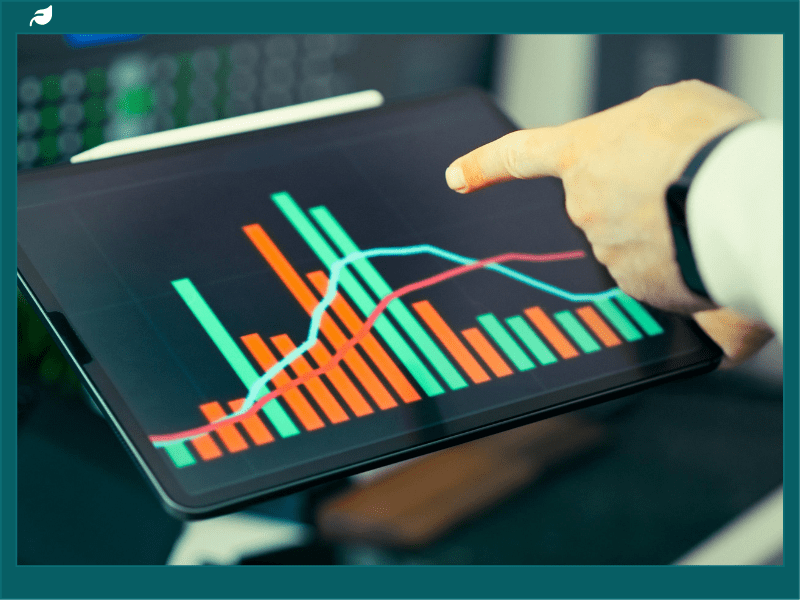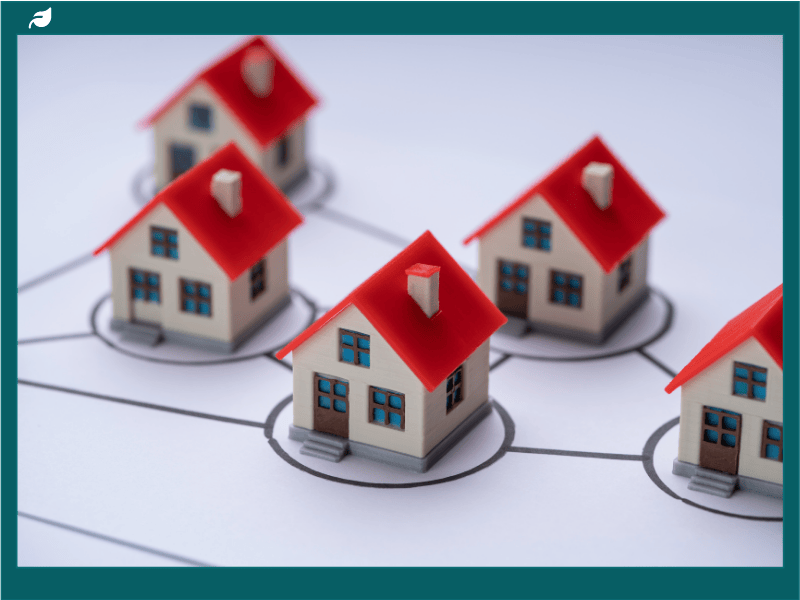
When homeowners think about what determines the value of their property, most immediately consider the obvious factors: location, size, number of bedrooms, and general condition. While these fundamental elements certainly form the foundation of property valuation, numerous hidden factors can significantly impact a home’s worth sometimes by tens of thousands of pounds. Understanding these less obvious influences can help both buyers and sellers make more informed decisions in the property market.
The Feng Shui of Street Numbers and Names
It might seem surprising, but your property’s street number or name can influence its value. In certain cultures, specific numbers are considered particularly lucky or unlucky. The number 13, for instance, carries negative connotations in many Western cultures, while the number 8 is highly auspicious in Chinese culture because it sounds similar to the word for prosperity.
Research has shown that houses numbered 13 can sell for up to £8,500 less than similar neighbouring properties, while in areas with significant Chinese communities, properties with the number 8 may command premiums. Similarly, properties on streets with regal-sounding names like “Kings” or “Queens” often achieve higher prices than equivalent homes on less impressively named roads.
If you’re curious about whether your address might be influencing the value of my property, professional valuers can factor this into their assessment.
The Proximity Premium of Trees and Green Spaces
Many homeowners underestimate the value premium that mature trees and proximity to green spaces can add to a property. Homes on tree-lined streets typically command 5-15% higher prices than similar properties on less verdant roads. This “green premium” has increased in recent years as environmental considerations and quality of life factors become more important to buyers.
What’s less well known is that different types of green spaces add different values. Properties near well-maintained public parks can see premiums of up to 20%, while those bordering golf courses might see 10-15% increases. However, proximity to neglected or poorly managed green spaces might actually detract from value.
For sellers looking to maximise returns, highlighting nearby quality green spaces should be part of any marketing strategy. If you’re wondering how nearby green spaces influence the value of my property, professional assessments can quantify this often-overlooked factor.
The Broadband and Mobile Coverage Effect
In our increasingly connected world, digital infrastructure has become a significant value determinant that many sellers overlook. Properties with ultrafast broadband connections can command premiums of 3-5% in urban areas and even more in rural locations where high-speed connectivity is less common.
Similarly, strong mobile signal strength is increasingly important to buyers. Properties in mobile signal blackspots can experience reduced demand and lower offers, particularly from younger buyers or those who work from home.
Before listing your property, understanding its digital connectivity profile can provide valuable insight into potential price positioning. Testing and documenting broadband speeds and mobile coverage should be part of assessing the value of my property in today’s connected market.
The Impact of Local Planning Decisions
Few factors can affect property value more dramatically than local planning decisions, yet many homeowners remain unaware of pending developments until they’re well underway. Properties near approved future transport links, schools, or amenities often see value increases even before construction begins.
Conversely, approvals for developments that might increase traffic, noise, or dramatically change an area’s character can negatively impact surrounding property values. These effects aren’t always immediate but can significantly influence a property’s value trajectory over time.
Reviewing local planning applications and development frameworks should be part of any comprehensive property valuation. Experts assessing the value of my property should always factor in approved or likely future developments that could influence its worth.
The School Catchment Boundary Effect
While most homeowners understand that good schools increase nearby property values, many underestimate the dramatic price cliff that can exist on catchment boundaries. Properties just within the catchment of outstanding schools can command premiums of 10-20% compared to nearly identical homes just outside the boundary.
What makes this factor particularly hidden is that catchment boundaries can change, sometimes annually. A property that falls within a desirable catchment one year might be outside it the next, potentially affecting its market position.
For families considering school options, understanding exactly how catchment boundaries influence the value of my property requires local expertise and knowledge of potential boundary changes.
The Noise and Air Quality Premium
Environmental factors like noise levels and air quality are increasingly influencing property values as buyers become more health-conscious. Properties in areas with low air pollution can command premiums of 3-5%, while homes affected by significant traffic or aircraft noise can see values reduced by 10-15%.
These factors aren’t always obvious during property viewings, particularly if they vary by time of day or season. Professional valuations increasingly incorporate environmental data to provide more accurate assessments.
If you’re concerned about how environmental factors might be influencing the value of my property, professional valuers now have access to sophisticated air quality and noise pollution data to include in their assessments.
The Chain-Free Premium
A property’s current ownership situation can significantly influence its value in ways that aren’t immediately obvious. Properties offered with no onward chain typically achieve 3-5% higher prices than identical properties where sellers are caught in complex chains.
This premium reflects the reduced risk of transaction failure and typically faster completion times. For sellers able to move into temporary accommodation or who own multiple properties, highlighting a property’s chain-free status can translate to tangible value increases.
Conclusion
The factors that shape property value extend far beyond the obvious elements of location, size, and condition. By understanding these hidden influences, sellers can better position their properties in the market, while buyers can make more informed decisions about value.
For a comprehensive assessment that takes into account both the obvious and hidden factors affecting your home’s worth, professional valuation provides the most reliable insight. Understanding the full spectrum of elements influencing the value of my property ensures you’re making decisions based on complete information rather than just the visible aspects of valuation.