Solar energy continues to gain traction across the UK as an environmentally friendly alternative to traditional energy sources. With concerns about rising electricity bills and an increased focus on sustainable living, many homeowners are considering solar panels as a viable solution.
However, the initial investment can be a significant barrier, prompting questions about the true cost-benefit ratio. This exploration seeks to examine whether the financial savings and environmental benefits justify the initial expenditure, taking into account government incentives, technological advancements, and regional climate conditions that affect solar panel efficiency.
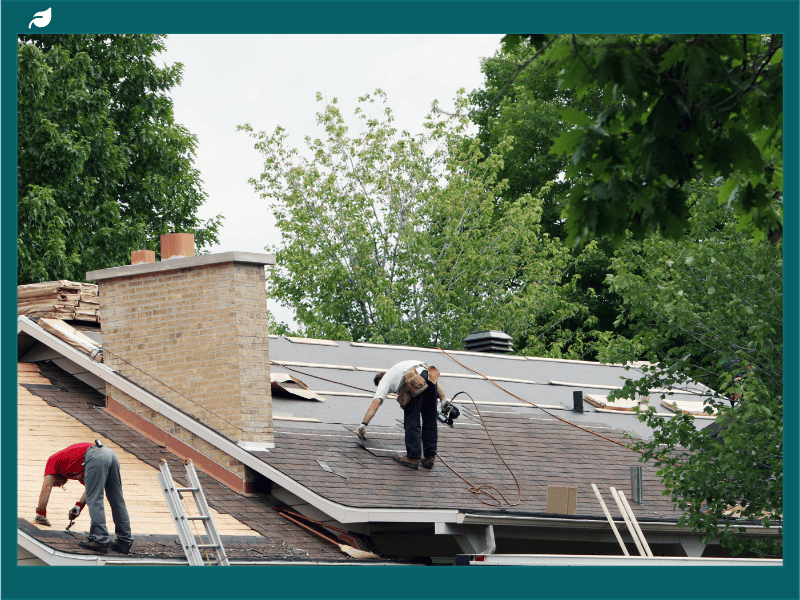
Understanding Solar Power in the UK
Solar power has emerged as a significant energy source in the UK, driven by the quest for sustainable electricity solutions and the declining cost of solar panels. As more households explore options for energy independence, understanding the factors that render solar systems viable and the trends driving solar technology adoption becomes increasingly important.
Emphasizing solar panels’ role in energy generation can shed light on their potential benefits for savings, environmental impacts, and reducing electricity costs for consumers in the UK.
Solar Power Cost: What Makes Solar Power a Viable Option?
The viability of solar power in the UK hinges on several factors, primarily driven by the falling costs of solar panels and the increasing efficiency of solar energy systems. Solar panels have become more affordable over the years, with price reductions making them accessible to a larger segment of the population.
The price drop corresponds to technological advancements and increased manufacturing efficiency, significantly reducing the overall cost of installing a solar energy system on residential properties. One major factor contributing to solar’s viability is the long-term savings it can deliver.
While the initial investment in solar panels is considerable, households often experience reduced electricity bills, as solar energy systems allow for significant savings by generating electricity on-site. The typical solar panel can now generate more energy due to improvements in photovoltaic technology, which increases the panels’ efficiency.
This means that even in regions of the UK with less sunshine, solar systems can still provide substantial electricity, minimizing reliance on grid electricity and further lowering energy expenses. Moreover, government incentives, such as the Smart Export Guarantee (SEG), support solar power adoption by allowing households to export excess electricity back to the grid.
This initiative not only provides a return on investment but also fosters a sustainable energy ecosystem. By integrating solar power into their energy plans, households contribute to broader efforts to transition towards renewable energy sources, aligning with the UK’s commitment to reduce carbon emissions.
Additionally, the sustainability aspect of solar power adds to its appeal. Solar energy is a clean, renewable resource that significantly lessens the environmental impact associated with traditional electricity generation methods. By utilizing solar panels, households contribute to decreasing the carbon footprint and play a role in combating climate change.
The cumulative benefits of solar energy, from economic savings to environmental sustainability, highlight why it remains a viable and attractive proposition for many UK households looking to balance energy needs with environmental responsibilities.
Financial Incentives and Solar Power Cost Benefits
- The UK government offers various financial incentives to promote solar power adoption, such as the Smart Export Guarantee (SEG), which pays solar panel owners for excess energy exported to the grid.
- Grants and subsidies are available through programs like the Green Homes Grant, which supports energy efficiency improvements, including solar panel installations.
- Investment in solar power can increase property values as potential buyers are attracted to homes with renewable energy sources.
Panels and Technological Advancements: Enhancing Solar Efficiency
- Recent advancements in photovoltaic technology have significantly increased solar panel efficiency, allowing for greater energy production from smaller or fewer panels.
- Innovations like bifacial solar panels and perovskite solar cells promise further improvements, making solar energy more viable in less sunny climates like the UK.
- Battery storage technologies are advancing, enabling homeowners to store solar energy for use outside daylight hours, thus increasing the utility of solar power.
Environmental Impact of Solar Power
- Solar energy is a clean, renewable resource that reduces greenhouse gas emissions and lowers the carbon footprint compared to fossil fuel-based energy.
- By reducing reliance on non-renewable resources, solar power helps in conserving natural habitats and reducing pollution.
- Utilizing solar energy contributes to the UK’s commitments under the Paris Agreement, helping to mitigate climate change impacts.
Long-Term Economic Advantages and Solar Power Savings
- Installing solar panels can lead to significant savings on electricity bills, particularly as energy prices rise.
- Over time, the upfront cost of solar panel installation can be offset by the savings generated from reduced energy costs, resulting in substantial financial benefits.
- Businesses adopting solar power can achieve operational cost savings, enhancing competitiveness and profitability.

Role of Solar Power in Supporting Renewable Energy Objectives
- Solar power plays a crucial role in diversifying the UK’s energy mix, reducing dependency on fossil fuels, and aiding in the transition to a low-carbon economy.
- The adoption of solar technology supports national targets for renewable energy use, contributing to energy security and sustainability efforts.
- Solar energy projects can generate jobs, stimulate economic growth, and encourage innovation within the renewable energy sector.
Community and Societal Benefits of Widespread Solar Power Adoption
- Community-based solar projects can empower local residents, providing opportunities for collective energy ownership and local economic empowerment.
- Widespread adoption of solar energy can lead to increased awareness and education about renewable technologies and sustainable practices within communities.
- The transition to solar energy can result in cleaner air and water, improving public health and overall quality of life.
Installation Costs: Challenges and Solutions in Solar Power Implementation
- Challenges include initial installation costs, planning permissions, and aesthetic concerns, especially in protected or urban areas.
- Solutions involve financial assistance schemes, technological innovations to reduce costs, and community engagement to address planning and design concerns.
- Policy support and grid infrastructure development are vital to overcoming integration challenges, ensuring efficient distribution and use of solar energy.
Current Trends in Solar Technology Adoption
The adoption of solar technology in the UK is undergoing dynamic changes, reflecting broader global trends in renewable energy innovation and integration. One prominent trend is the increased adoption of solar batteries, which store excess electricity generated by solar panels for later use.
This development is pivotal in enhancing energy efficiency and ensuring a more consistent power supply, especially during periods of low solar generation or at night. The integration of batteries with solar systems opens new avenues for energy independence, allowing households to optimize energy usage and reduce reliance on the national grid.
Furthermore, the design and efficiency of solar panels continue to evolve. Modern panels are more compact and aesthetically pleasing, making them suitable for a broader range of properties and architectural styles. The improved efficiency of these panels means they can generate more electricity from the same amount of sunlight compared to older models, providing better energy output for users in the UK.
Enhanced photovoltaic technologies, such as bifacial solar cells, are increasingly being adopted, capturing sunlight from both sides of the panel to increase energy absorption and electricity production. The role of digital technology in monitoring and optimizing solar systems represents another significant trend.
Smart technologies and energy management systems enable homeowners to track energy production and consumption in real-time. This empowers consumers to make informed decisions about energy usage and maximize the efficiency of their solar systems. Data analytics provide insights into performance enhancements, allowing for predictive maintenance and efficient energy management.
Policy developments are similarly influencing the adoption of solar technologies. The UK’s roadmap towards renewable energy targets promotes widespread solar deployment, supported by regulatory frameworks that encourage investment in solar infrastructure. This supportive policy environment fosters technological innovation and facilitates the diffusion of solar solutions across residential and commercial sectors.
Overall, these trends signify a transformative period for solar technology in the UK. From advancements in panel and battery technology to the integration of smart digital solutions, solar power is becoming an integral part of the country’s energy landscape. As adoption grows, the intersection of technology, policy, and consumer choice continues to reshape how energy is produced, managed, and consumed, heralding a new era of sustainable electricity generation.
To further explore the current trends in solar technology adoption, consider these key developments impacting the UK’s energy landscape:
- Solar battery systems enhance energy independence by storing excess electricity for later use.
- Compact solar panels fit diverse architectural styles while improving energy generation efficiency.
- Bifacial solar cells capture sunlight from both sides, boosting electricity production.
- Smart technologies provide real-time energy monitoring for optimized solar system performance.
- Policy frameworks promote investment in solar infrastructure and encourage sustainable energy solutions.
- Predictive maintenance enabled by data analytics enhances solar system reliability and efficiency.
- Supportive government policies accelerate the integration of innovative solar technologies.
These advancements demonstrate the dynamic evolution in solar energy adoption and its potential to reshape energy consumption.
Solar Power Cost Analysis
As the UK continues to embrace sustainable energy, understanding the financial aspects of solar panels is crucial. This section examines the average costs, dissecting installation expenses and the factors that influence the overall price.
Knowledge about these elements helps potential buyers evaluate whether investing in solar panels aligns with their financial goals, considering both upfront costs and long-term savings. By providing a detailed cost breakdown, this analysis equips households with the information necessary to make informed decisions about solar panel installation.
Average Installation Costs for Solar Panels
The average cost of installing solar panels in the UK varies significantly based on several factors, such as system size, panel quality, and installer choice. On average, a typical home solar panel system, with an output of around 4kW, may cost anywhere between £5,000 and £8,000.
This price range accounts for the panels themselves, inverters, and necessary mounting equipment, as well as installation labor. It’s crucial to note that these figures might differ based on the location and specific requirements of the installation site, such as roof type or accessibility challenges.
The initial investment in solar panels often deters potential buyers; however, the long-term cost benefits should not be underestimated. Although the upfront cost can be considerable, the resulting savings on monthly electricity bills offer a compelling financial incentive.
Most homeowners could see their electricity expenses reduced by up to 50% or more, depending on household electricity usage and solar system efficiency. This reduction not only offsets the initial installation costs over time but also contributes to substantial savings in the long run.
Moreover, government incentives, like the Smart Export Guarantee (SEG), further enhance the financial attractiveness of solar panel installations. The SEG enables households to earn money by exporting excess electricity back to the grid, providing a steady return on the investment made towards solar costs.
These incentives are designed to promote the adoption of renewable energy technologies and make solar installations financially viable for a wider audience. In summary, while the average cost of installing solar panels in the UK does require a significant initial outlay, the subsequent savings on energy bills and the financial advantages of government schemes make it a worthwhile consideration for many.
The combination of decreasing solar panel prices and increasing energy efficiency ensures that the long-term benefits surpass the upfront costs for most households, aligning with both environmental and financial objectives.
Breaking Down Installation Costs
Understanding the breakdown of solar panel installation costs is vital for homeowners contemplating this investment. Installation costs encompass several components: the solar panels themselves, inverters, mounting equipment, and the expenses associated with labor.
Each element plays a distinct role in determining the overall cost, affecting the final bill significantly. Consequently, a closer evaluation of these various factors can help in identifying potential areas of savings. Solar panels constitute the most substantial portion of installation expenses.
The type and brand of panels selected will influence their cost. Premium panels with higher efficiency and durability typically come at a higher price, but they also promise enhanced energy production over their lifespan. Investing in quality panels can yield better performance, supporting greater savings on energy bills.
Panel costs may vary slightly based on the manufacturer and warranty period, which guarantees their performance standards. Inverters, essential for converting the direct current (DC) generated by panels into usable alternating current (AC), represent another significant expenditure.
These components differ widely in terms of efficiency and longevity, with advanced microinverters offering improved performance. Despite their higher initial price, they contribute to overall system efficiency, justifying the investment for those seeking maximum return.
Also, mounting systems add to installation costs, determined by the complexity of fitting panels onto roofs. These systems need to be durable to withstand weather conditions without compromising panel efficiency.
Feasibility evaluation of the specific installation site can uncover potential challenges that may require additional resources or unique equipment, impacting the overall installation costs. Labor costs form another critical component, often reflecting regional pricing structures and installer expertise levels.
Skilled installers with proven experience could charge more, but their work can ensure a smooth installation process and effective operation. Selecting reputable installers minimizes the risk of substandard workmanship issues, a crucial factor in maximizing system efficiency and durability.
Therefore, while breaking down the installation costs reveals various potential expenses, it also uncovers opportunities for savings. By making informed decisions regarding equipment and installation practices, households can significantly optimize the cost-efficiency of their solar power investments.
Factors Influencing Solar Panel and Solar Power Costs
The cost of solar panels is influenced by myriad factors, affecting both the upfront expenses and the long-term investment value. Understanding these elements can assist homeowners in assessing the potential financial commitment and the savings that solar installations can eventually bring.
Market dynamics, technological developments, and policy frameworks all interact to shape the cost landscape for solar power systems. Market conditions represent one of the primary factors affecting solar panel pricing.
Global demand for renewable energy resources shapes the supply chain, impacting component availability and pricing. Trends in international manufacturing and distribution networks influence both the cost of solar panels and the associated equipment.
Moreover, fluctuations in currency exchange rates can have additional effects on system costs, especially if components are imported. Technological advancements in solar panel manufacturing also significantly impact costs.
As solar technology evolves, panels have become more efficient and affordable. Innovations in photovoltaic cells, like bifacial panels and improved materials, enhance energy capture, reducing the cost per watt generated.
These technological improvements allow newer models to generate more electricity with fewer panels, effectively reducing the total installation cost required for achieving the same energy output. Government policies and incentives further influence solar panel costs by encouraging adoption through financial support structures.
Initiatives like tax credits, rebates, and grants are instrumental in reducing the overall expense burden. The continuation of such policies catalyzes market growth, offering financial incentives that make solar panels a financially prudent choice for more families.
Additionally, the site’s location and specific installation conditions can influence the cost of a solar power system. Geographical influences, such as average sunlight exposure, play a role in defining the system’s size and configuration needs, while specific rooftop characteristics, like slope and material, affect the installation process’s complexity and materials needed.
In conclusion, various factors contribute to the cost of solar panels, each having distinct implications on the financial planning of those considering solar power. Homeowners make more informed choices by understanding these influences, ensuring they get the best value from their investments and contribute to a sustainable energy future.
Evaluating the Financial Benefits of Solar Power
In the pursuit of sustainability, evaluating the financial perks of installing solar panels is pivotal for UK households. With escalating electricity costs and growing environmental consciousness, solar panels promise significant savings and a potential reduction in electricity bills.
This section delves into the financial landscape by examining the potential savings from solar panels and the impact of the Smart Export Guarantee on overall cost-effectiveness. These insights help illustrate why solar investments can be financially savvy while contributing to a greener future.
How Much Can You Really Save with Solar Panels?
For UK homeowners, understanding potential savings from solar panels is crucial in assessing their value. Initial investment costs for solar panels can be daunting, yet the long-term benefits in electricity savings offer a compelling argument.
Households often experience a substantial reduction in electricity bills, thanks to the generation of solar energy directly from sunlight, decreasing reliance on expensive grid electricity. For instance, a typical solar panel system can offset up to 50% or more of a family’s electricity consumption, depending on usage patterns and system efficiency.
Economically, the savings on energy expenses provide a significant return over solar panels’ lifespan, which can extend beyond 25 years. With average UK electricity prices climbing steadily, the cost-saving potential of generating one’s electricity grows proportionally.
Furthermore, solar panel efficiency improvements mean modern systems can harvest more energy from the same amount of sunshine, even in areas with sporadic sunlight, making them viable across various UK regions. Government incentives, particularly the Smart Export Guarantee (SEG), amplify these savings.
By allowing households to sell excess electricity back to the grid, the SEG creates an additional income stream, contributing further to cost recoupment. This tariff not only reduces the effective payback period for solar panel investments but aligns individual energy generation with broader sustainability goals.
Additional financial benefits might stem from reduced exposure to energy price fluctuations. As electricity costs escalate due to market volatility or policy changes, those generating their energy are cushioned from such impacts.
By locking in energy prices through their systems, homeowners ensure greater financial predictability, which is particularly valuable in the context of broader economic uncertainties. Ultimately, while upfront costs remain, the transformative financial benefits over the long-term make solar panels a worthwhile investment for many UK households seeking to enhance energy affordability and sustainability simultaneously.
Exploring the Smart Export Guarantee for Solar Power
The Smart Export Guarantee (SEG) serves as a cornerstone policy that enhances the financial returns of solar panel investments in the UK. Launched to replace the previous Feed-in Tariff scheme, the SEG mandates major electricity suppliers to compensate small-scale solar energy producers for exported electricity, thus integrating them into the broader energy ecosystem.
This policy empowers households to monetize the excess energy they produce but do not consume, offering a gateway to regular, predictable income. Payments under the SEG vary among suppliers, fostering a competitive market environment that encourages households to shop for the best rates.
Consequently, households enjoy the dual benefits of reduced electricity costs through self-consumption and potential income from energy contributions back to the grid. The SEG’s role extends beyond mere financial incentives; it positions household energy producers as integral contributors to the national grid’s stability and sustainability.
Encouraging localized production of electricity diminishes grid reliance and supports a decentralized energy infrastructure, which can lead to enhanced grid resilience and reduced carbon emissions at the community level. Participation in the SEG requires that the solar installation be accredited under the Microgeneration Certification Scheme (MCS), ensuring system quality and performance standards.
This certification provides reassurance to consumers about their investments’ longevity and efficacy, further enhancing the appeal of solar panel installations. Furthermore, the SEG stimulates technological progression within the sector.
As households optimize their systems to maximize energy production and exports, advanced monitoring technologies and energy storage solutions are becoming commonplace. These innovations enable better management of household energy use, aligning with broader trends in energy independence and efficiency.
Overall, the SEG not only elevates the financial viability of solar installations but also steers the UK towards its climate targets by integrating more renewables into the energy mix. For individuals and communities alike, engaging with the SEG represents a strategic choice in building a more sustainable, financially advantageous energy future.
Practical Considerations for Solar Installat
When thinking about the installation of solar panels, several practical considerations come into play. The suitability of your roof is fundamental, as it impacts the efficiency and feasibility of solar panel placement.
Understanding whether planning permission is necessary is equally crucial, as it can affect the overall cost and timeline of getting solar panels installed. These topics are vital for households aiming to harness solar power effectively and ensure a seamless transition to renewable energy, all while navigating through any potential regulatory obligations seamlessly.
Is Your Roof Suitable for Solar Panels?
The suitability of a roof for solar panels is a critical factor in determining the installation’s success and energy output. Roof orientation and angle play a pivotal role; roofs facing south typically yield the highest energy efficiency in the UK’s northern latitude.
An optimal tilt angle of about 30 to 40 degrees enhances sunlight capture, which is essential for maximizing solar panels’ energy generation. However, even east or west-facing roofs can still be viable, although they may produce slightly lower energy outputs compared to south-facing counterparts.
It is crucial to evaluate the roof’s position to ensure it aligns with the optimal sun path throughout the day, as this greatly influences the efficiency of solar panels.

Panels and Roof Installation Costs
The structural integrity of the roof is another important consideration when installing solar panels. A roof in good condition can support the weight of the panels and withstand installation stress.
Older or damaged roofs may require repairs or reinforcement prior to installation, which adds to upfront costs but ensures long-term stability and safety. Additionally, the roof material impacts installation feasibility; while most panel providers accommodate various surfaces, certain materials, like slate or thatch, may pose challenges and necessitate specialized mounting systems or techniques.
Maximizing Solar Power Output
Shading is a critical issue that can significantly diminish the energy production of solar panels. The presence of nearby trees, buildings, or chimneys may cast shadows, reducing panel efficiency.
Conducting a thorough assessment of potential shading over the course of the year helps in devising strategies to mitigate its impact, such as trimming trees or selecting specific panel placements that avoid shadowed areas. Implementing microinverters or power optimizers can also help minimize energy loss due to shading by optimizing the performance of each panel independently.
Panels: Maintenance and Efficiency
Maintenance access should not be overlooked when assessing roof suitability. Solar panels, while generally low-maintenance, periodically require cleaning and inspections to maintain peak performance.
Ensuring accessibility for routine maintenance without compromising safety is essential for the longevity and efficiency of installation. A well-situated roof facilitates these tasks smoothly, reinforcing the benefits of a solar energy system.
By considering these aspects, households can make informed decisions that optimize the efficiency and durability of their solar panels, allowing for a sustainable, cost-effective transition to clean energy.
Do You Need Planning Permission for Solar Panels?
Understanding whether planning permission is needed for solar panel installations is crucial, as it can impact your project’s timeline and cost. In the UK, most domestic solar panel installations fall under “permitted development” rights, meaning they do not typically require planning permission.
However, this exemption applies only if specific conditions and limits are met. Panels must not protrude more than 200mm beyond the plane of the original roof surface, and they should adhere to the aesthetic of the existing architecture.
It’s advised to confirm with the local planning authority to ensure compliance and avoid potential legal issues that might arise without proper authorization. For listed buildings or those situated within designated areas, such as conservation areas or national parks, the rules can be more stringent.
In these cases, planning permission may indeed be required to preserve landscapes or retain historical integrity. This process can sometimes be lengthy and require additional documentation, impacting the overall cost and timeline of the solar panel installation.
Homeowners should prepare for these scenarios by consulting with planning officers to understand the specific criteria and any additional requirements. Engaging with a professional solar installer who is familiar with these regulations can streamline the compliance process, offering expertise and alleviating concerns regarding adherence.
Furthermore, commercial properties generally have different regulations and might require more in-depth planning consent, particularly if the installation deviates from standard installations or affects the building significantly. For community or shared buildings, reaching a consensus among stakeholders is important since alterations may affect multiple parties.
Therefore, understanding the nuanced requirements for individual settings is critical for ensuring a successful solar panel project without legal hitches. An additional consideration involves the installation of solar battery systems, which, although not as heavily regulated as panels, may still have specific guidelines depending on their placement.
Planning requirements can sometimes be overlooked for energy storage systems, potentially causing delays or additional costs if discovered later. Considering all relevant planning aspects at the outset of a solar project enhances its feasibility, ensuring compliance, and preventing unexpected challenges during the installation phase.
This thorough preparation allows households and businesses to focus confidently on transitioning to solar energy, maximizing environmental and financial benefits while adhering to all pertinent legislative frameworks.
The economic viability of solar panels in the UK continues to increase with technological advancements and policy reforms.
For environmentally conscious homeowners, the initial investment can often be recouped through energy savings and incentives. Additionally, solar panels contribute to property value enhancement and long-term sustainability goals.
However, individual circumstances such as location, energy consumption patterns, and financial conditions play a crucial role. Prospective buyers should conduct thorough research and consider consulting with solar energy professionals to make an informed decision that aligns with their financial and environmental objectives.
Looking for a solar installer?
Compare MCS-certified solar panel installers across the UK in our directory, with ratings, reviews and free quotes, listed by county.
Related solar guides: