Fossil fuels have powered the world for many years. However, their impact on the environment and society is becoming harder to overlook.
Using coal, oil, and natural gas drives climate change, pollutes the air, and threatens wildlife. This puts our planet and future generations at risk. Learning about these effects helps us see why moving to cleaner, renewable energy is so important for a healthier and more sustainable future.
The Role of Fossil Fuels in Modern Energy Use
Fossil fuels have powered industries, homes, and transportation around the world for a long time. Natural gas, oil, and coal are built into the way we live and work. But their use has raised important questions about their effects on the environment and society. Looking at how these fuels have shaped our energy systems helps explain why finding more sustainable options is becoming so important.
Examples and Types of Fossil Fuels
Why Fossil Fuels are bad, Fossil fuels like natural gas, oil, and coal are key to how the world gets its energy. Each one is used in different ways. Coal has been used for a long time, especially to make electricity, because it is common and produces a lot of energy. But burning coal releases a lot of carbon dioxide, which adds to climate change.
Oil is mostly used for vehicles and can be turned into gasoline, diesel, and other products, making it important for transport and industry. Still, getting and using oil can cause problems like oil spills and more greenhouse gases.
Natural gas is often called the cleanest fossil fuel because it produces less carbon than coal or oil. People use it for heating, making electricity, and in factories. Even though it is cleaner, getting natural gas—especially through fracking—can still harm the environment and health by polluting water and releasing toxins.
All fossil fuels are a big part of how we use energy today, but they also create serious problems for the climate and environment. As the world looks for better energy options, it’s important to understand both the benefits and risks of these fuels.
| Fossil Fuel Type | Primary Use | Environmental Impacts | Current Trends |
| Coal | Electricity Generation | High CO2 Emissions, Air Pollution | Declining Use, Shift to Renewables |
| Oil | Transportation | Oil Spills, Air Pollution | Stable Demand, Exploration of Alternatives |
| Natural Gas | Heating, Power Generation | Lower CO2 than Coal, Methane Leaks | Increasing Use, Bridge Fuel to Renewables |
This table shows how important fossil fuels have been for energy use and why there is now a strong push to switch to more sustainable energy sources.
Historical Dependence and Current Trends
Our historical reliance on fossil fuels can be traced back to the Industrial Revolution, a period marked by rapid industrialization and technological advancement powered predominantly by coal. This era set the stage for the widespread adoption of fossil fuels, reinforcing their status as the primary energy source globally.
As economies grew, so did the demand for energy, leading to the exploration and extraction of oil and natural gas. Throughout the 20th century, these fossil fuels became deeply intertwined with economic growth, effectively fueling modern civilization.
Today, the world is starting to move away from fossil fuels, even though they are still the main source of energy. More people are aware of climate change and the problems caused by fossil fuels, so there is more investment in solar, wind, and other clean energy.
Changes in oil prices and concerns about energy security also play a role. Countries are trying to use less fossil fuel and more renewables, but this is not easy. There are economic, technical, and social challenges as people and businesses adjust.
Looking at the history of fossil fuels helps us understand why finding better energy solutions is so urgent.
Key Factors Driving the Transition from Fossil Fuels to Renewable Energy:
- Government policies setting ambitious carbon reduction targets and supporting green energy projects.
- Technological advancements increasing the efficiency and storage capabilities of renewable energy systems.
- Economic incentives encouraging investment in clean energy and making renewables more cost-competitive.
- Public awareness campaigns highlighting the environmental and health benefits of renewable resources.
- International collaborations fostering innovation and sharing best practices in sustainable energy deployment.
- Implementation of carbon pricing schemes to discourage fossil fuel consumption and reduce emissions.
All these factors show that moving to sustainable energy takes many different efforts working together.
Environmental Impact of Fossil Fuels
Fossil fuels are a big concern for the environment because they cause a lot of air pollution and global warming. Coal, oil, and natural gas are used everywhere for energy and industry, but using them has led to serious problems for nature and the climate.
These problems hurt wildlife and add to pollution and climate change. By looking at how fossil fuels affect air quality and global warming, we can see why it is so important to switch to cleaner energy.
Contribution to Air Pollution
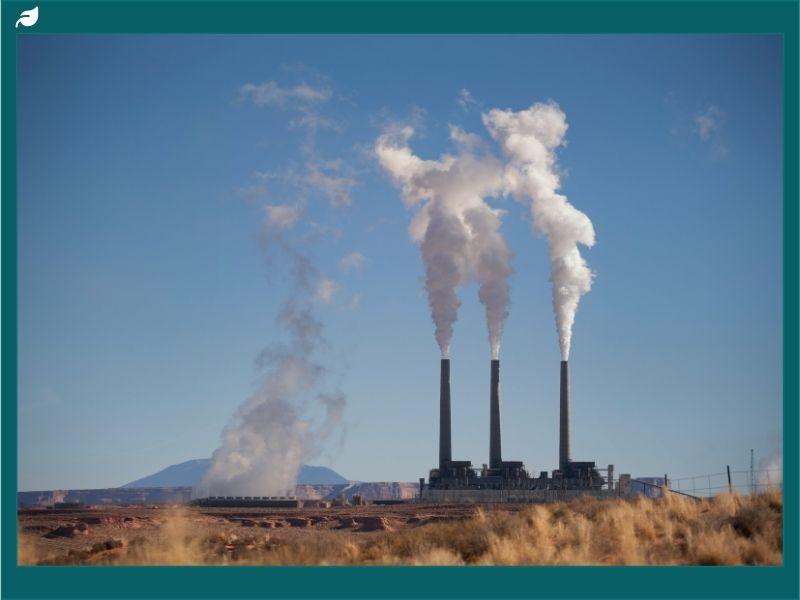
Fossil fuels are a major cause of air pollution, which harms both the environment and people’s health around the world. Burning these fuels puts many harmful substances into the air, like sulfur dioxide, nitrogen oxides, and tiny particles.
Power plants and cars that use coal and oil release a lot of these pollutants, which can cause smog, acid rain, and breathing problems. Air pollution from fossil fuels also hurts animals and their habitats.
Burning fossil fuels also puts a lot of carbon dioxide and other greenhouse gases into the air, making air pollution worse. Factories and vehicles are big sources of these emissions, which help create ground-level ozone and make global warming and climate change worse.
As city air gets more polluted, it is important to point out the serious effects on health and the environment. To fix these problems, we need to use less fossil fuel and invest in cleaner energy.
Effect on Global Warming
Fossil fuels cause global warming mainly because burning them releases carbon dioxide. This gas builds up in the atmosphere and traps heat, making the planet warmer. As a result, we see more extreme weather, like hurricanes, heatwaves, and droughts.
Strip mining, which is often used to get coal, releases more greenhouse gases and damages the environment. Cutting down trees and changing the land for mining makes global warming worse because the earth can’t absorb as much carbon.
Depending on fossil fuels keeps this harmful cycle going and puts ecosystems and wildlife at risk.
To fight these problems, countries are working to lower carbon emissions by switching to renewable energy like solar, wind, and hydro power. These clean sources can greatly reduce emissions and help slow global warming.
But making this change takes a lot of investment and new policies, so it is important for countries to work together.
Fossil Fuels and the Climate Crisis
Fossil fuels are a big reason for the climate crisis because they release a lot of carbon dioxide and harm the environment. They have been our main energy source for a long time, which makes it hard to stop using them. This section looks at how fossil fuels add to carbon emissions and the challenges of using less of them as the world tries to become more sustainable.
Link Between Fossil Fuels and Carbon Emissions
Burning fossil fuels directly leads to carbon emissions, putting a lot of carbon dioxide into the air. This traps heat and adds to climate change.
Coal, oil, and natural gas are all under review for their impact, but coal is the worst because it releases the most carbon for the energy it gives. Power plants that burn coal are some of the biggest sources of carbon emissions, showing why we need cleaner energy.
Oil is used mostly for transportation, but it also adds to carbon emissions when it is taken out of the ground, processed, and burned. Natural gas is seen as cleaner, but it still causes emissions, especially when methane leaks during extraction and transport.
Even though it pollutes less than coal or oil, it still matters. Cutting back on fossil fuels is key to fighting climate change. Switching to renewables can lower carbon emissions and reduce the harm caused by getting and using fossil fuels. That’s why many countries are making plans to use more clean energy.
Challenges in Reducing Dependency
It is hard to use less fossil fuel because of economic, technical, and political challenges. Moving to renewable energy needs a lot of money and new technology, which can be tough for both rich and poor countries.
Fossil fuel industries are important for many countries’ economies, providing jobs and helping keep things stable. Because fossil fuels are so tied to national economies, switching to other energy sources is not easy.
Most energy systems around the world are built for fossil fuels. Changing them takes a lot of money and support from governments, but it is hard because so much money is already invested in fossil fuels.
Political groups and lobbyists for fossil fuels also slow down the move to cleaner energy by blocking new laws and teamwork. On top of that, countries worry about energy independence and have agreements based on fossil fuels, which makes change even harder.
Even with these challenges, more people now see how serious climate change is, which has led to new ideas in renewable energy like solar and wind power. Governments and businesses are looking for ways to cut emissions and also create new jobs and industries in green energy.
To make this big change, we need to use less fossil fuel and support renewables, with strong plans and countries working together to solve these problems.

Health and Social Implications
Fossil fuels are important for energy, but they also cause serious health and social problems that are hard to ignore. They can pollute water and harm people living near places where fuels are taken from the ground. These problems go beyond just hurting the environment. They also affect public health and make social inequalities worse. Knowing about these issues is important for pushing for better, more sustainable ways to get energy.
Risks of Water Pollution
Water pollution is a major health problem linked to getting and using fossil fuels. Water can get polluted at many points, from taking fuels out of the ground to burning them.
Oil spills put toxic chemicals into oceans, rivers, and coasts, which can hurt sea life and damage ecosystems for a long time. Oil is thick and sticky, making it hard to clean up, and it can stay in the water for years, harming fish, birds, and other animals.
Getting oil and natural gas, especially through fracking, can also pollute water. Fracking uses a lot of water mixed with chemicals to break rocks, and these chemicals can leak into nearby water supplies.
This can make people sick and cause health problems in communities that depend on this water. Coal mining can also send heavy metals and other pollutants into rivers and lakes, making the pollution even worse and harming freshwater life.
Fixing water pollution is very important for both people’s health and the environment. We need stronger rules for how fossil fuels are taken from the ground to stop water from getting polluted.
As long as we keep using fossil fuels, these health risks will stay, so investing in cleaner technology and renewable energy is key to a healthier future.
Impact on Communities Near Extraction Sites
People living near places where fossil fuels are taken from the ground often face serious health and social problems. They deal with more water and air pollution, which can make them sick.
Breathing in pollution from these activities can cause lung and heart problems. Noise and bright lights from extraction work can also hurt mental health, making life even harder for these communities.
Fossil fuel extraction can also change the way communities work together. When new workers move in, rent and living costs can go up, making it harder for local people to afford to live there.
Sometimes, the jobs and money promised by the industry do not help local residents, and most of the profits go to outsiders. This can lead to more inequality and tension, leaving local communities struggling.
In places where strip mining is common, the damage to the land can hurt farming and reduce the variety of plants and animals, making life harder for people who depend on the local environment. To help, it’s important for communities to have a say in decisions about fossil fuel projects.
Stronger policies that put community health first and support the move to cleaner energy are needed. The goal should be to build energy systems that help communities stay strong and grow fairly.
Understanding how harmful fossil fuels are is an important step toward using better energy sources. Fossil fuels cause pollution, climate change, and health issues, and they can also hurt the economy because they will run out and can lead to conflicts.
Switching to renewable energy helps the environment, gives more control over energy, and creates new opportunities. Everyone—from governments to individuals—needs to work together to support cleaner energy and make sure the future is healthier and fairer for everyone.