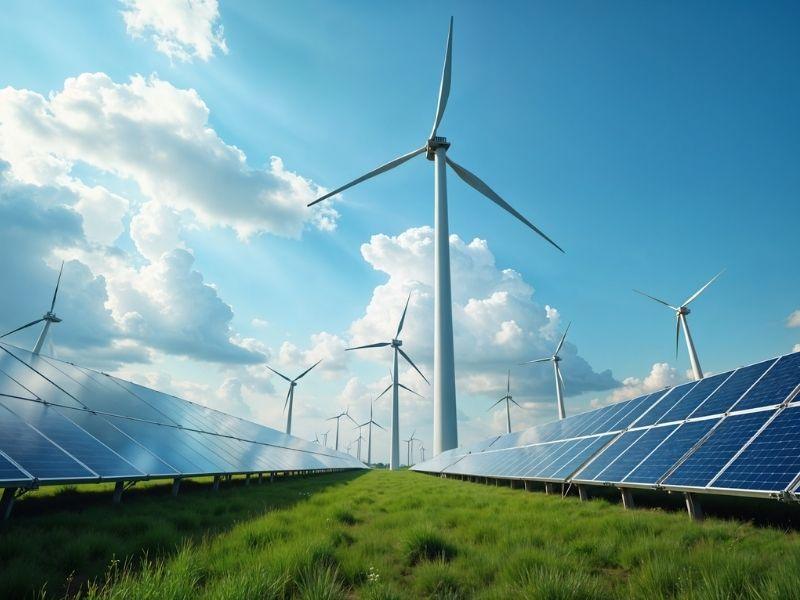
To accelerate the transition to a renewable energy system and maximize the benefits for businesses and society, you need to understand the sustainability of renewable energy and its potential for transforming economies and societies.
Renewable energy sources are the most effective way to obtain energy because they use significantly less land and water. Also, it pollutes the water and air less, protects wildlife and the environment more, and emits substantially fewer greenhouse gases.
Renewables are also beneficial for society since they make energy more accessible, create jobs in local communities, enhance energy security, and provide communities with the opportunity to take control of their energy use.
Nevertheless, it may be unclear how renewable energy benefits people and the planet. To that end, this article will help you explore how renewables can contribute to the economy, communities, and the environment.
1. Job Creation
The first way in which investing in renewable energy drives growth is through job creation.
In the US, more than 3 million people work in renewable production, installation, building, sales, and marketing, while around the world the figure stands at 12.7 million people.
Furthermore, three times as many jobs are created by spending on green energy compared to fossil fuels. And the best thing about these jobs is that they are in the country, wherever the sun shines and the wind blows, as opposed to jobs that involve fossil fuels, which are primarily found in a few locations where resources are abundant.
In addition, renewable energy is a stable and growing business. In fact, installers of wind turbines and solar panels have some of the fastest-growing jobs in the US. Moreover, some estimates suggest that by 2030, more than 24 million people could be employed in the renewable energy sector.
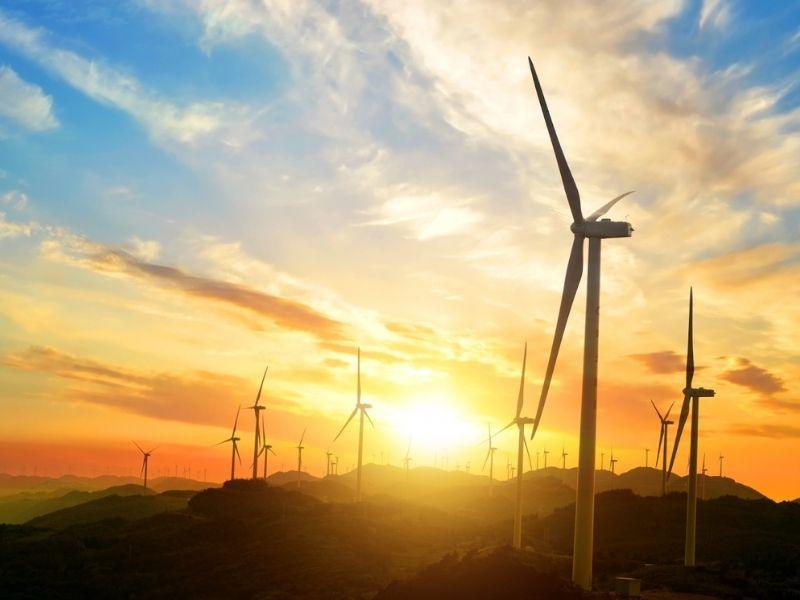
2. Negligible Greenhouse Gas Emissions and Air Pollutants
Transportation on roads, industry, and power plants that use fossil fuels are the primary sources of air pollution and greenhouse gas releases around the world. In many developing countries, the use of wood and fire for heating and cooking also pollutes the indoor air.
Moreover, many early deaths, serious health problems, and substantial financial costs are associated with particles and other air pollutants in urban skies, according to reports by the World Health Organization.
On the flip side, renewable energy sources release significantly less pollution over their shelf life compared to fossil fuels, and during operation, they have little to no effect on greenhouse gas pollution or air quality.
Therefore, the most effective and expedient solution to address the issue of hazardous emissions and air pollution is to transition from fossil fuels to renewable energy sources.
3. Lower Energy Bills for Households
When you switch to renewable energy, you can reduce your electricity bills over time.
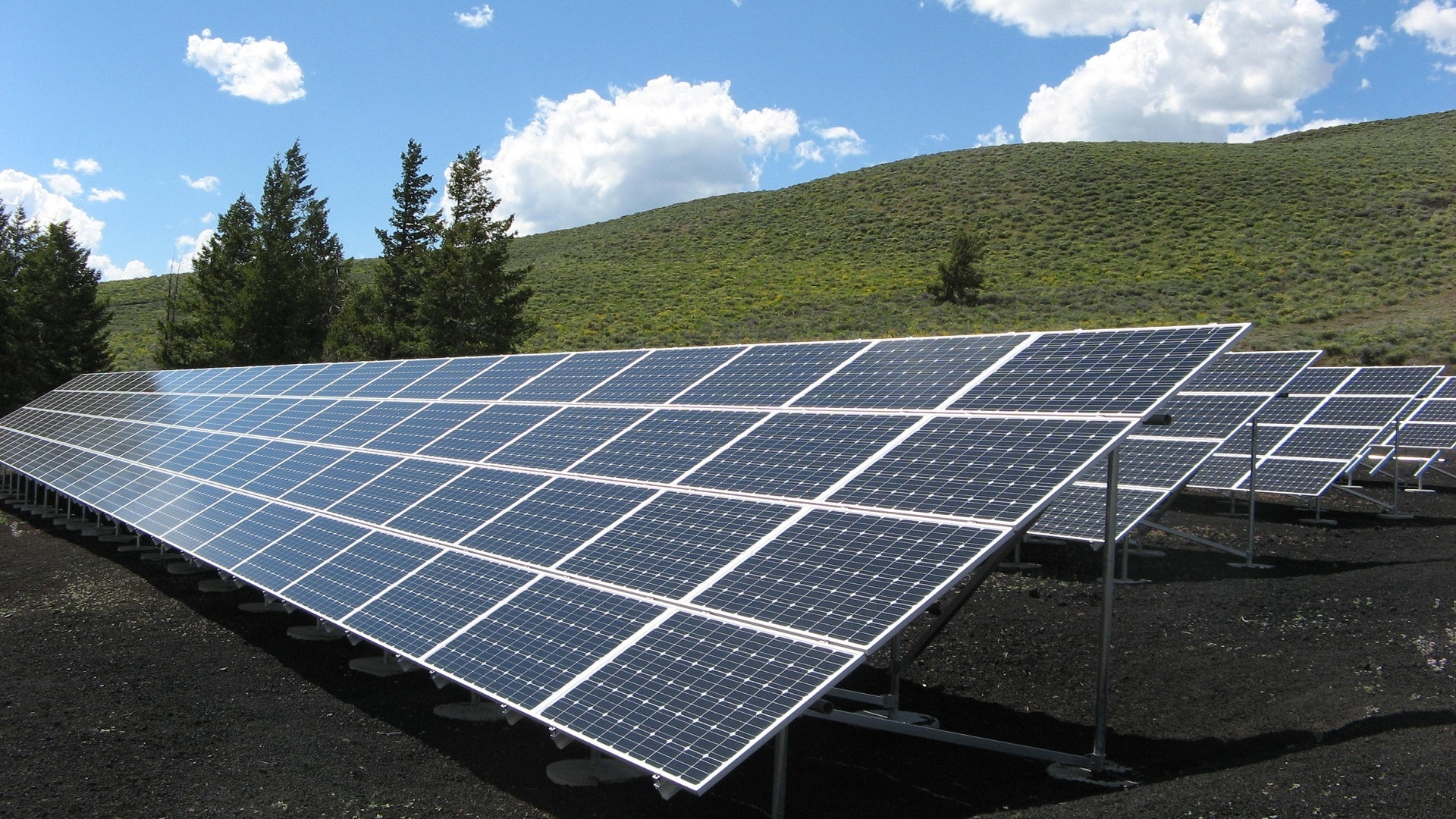
Solar panels, for example, allow you to generate your own power from sunlight, which means you won’t have to rely as much on expensive utility companies. After the initial setup, your ongoing costs are very low because the sun and wind are free to use.
You’ll also be less affected by sudden spikes in energy prices. As more people invest in clean energy, the overall cost of electricity goes down for everyone. This makes renewable energy a smart way to save money while keeping your home powered efficiently.
4. Energy Access for Remote and Underserved Areas
Renewable energy can bring electricity to places that traditional power grids can’t reach. If you live in a rural or remote area, solar panels or small wind systems give you a chance to power your home or community without waiting for large infrastructure projects.
You don’t need access to gas pipelines or power plants—you can use what’s already around you: sunlight, wind, or water.
This kind of access improves education, health care, and overall quality of life. You help bridge energy gaps and create equal opportunities for everyone, no matter where they live.

5. Trade and Energy Independence
Renewable energy enables countries to meet their own energy needs and become less reliant on oil from other countries and the price changes that come with it. As such, these nations can escape the unpredictability of the global oil market and the effects it has on the local economy.
For instance, if renewable energy is generated in the United States, there is less need to import fossil fuels from other countries, making the country more independent because green resources can be utilized repeatedly.
Renewable energy can also be generated, transported, and utilized in the same location, keeping energy dollars in the country.
Additionally, the International Renewable Energy Agency (IRENA) examined the potential consequences of doubling the amount of green energy produced in the United States by 2030. They found that this would open up new markets for imports and exports and save over $104 billion a year on fossil fuel imports.
6. Superior Financial gains
Investing in renewable energy can be beneficial for both the planet and your bank account. The International Energy Agency (IEA) and the Centre for Climate at Imperial College Business School collaborated to evaluate the performance of fossil fuel and green power portfolios over five and ten years.
The study found that, in terms of overall returns, clean energy outperformed fossil fuels, accounting for 186.6% of the total amount invested compared to 59.3% of fossil fuels investments. These figures show that many investors are shifting to green energy because of its superior profits coupled with sustainability.

7. Government Incentives
Several countries provide financial assistance to projects that utilize renewable energy. When you invest in such projects, you’ll be entitled to tax breaks, grants, and refunds that can significantly lower your investment costs.
Moreover, government incentives are making investing in environmentally friendly energy sources more accessible and appealing. If you want to lower the cost of your initial payment, consider taking advantage of these great deals.
8. Technological Advancements
The science behind green energy sources is continually improving. For instance, solar panels are becoming increasingly efficient, and new developments are being made. Wind generators, on the other hand, are producing more electricity these days.
As a result of these technological changes, among others, renewable energy is becoming increasingly accessible and cost-effective. Therefore, investing in renewable energy now gives you an opportunity to reap the benefits of the latest technologies in the future.
Final Thoughts
Investing in renewable energy is no longer only a moral or environmental obligation; it is a strategic, financially sensible move for long-term success. Renewables are unquestionably the smart growth choice, with low emissions, significant job creation, economic independence, and excellent profits. The sooner you invest, the higher your impact and rewards.