Look, there’s no denying it: the planet is heating up. For a huge number of us, air conditioning has stopped being a nice-to-have and is now right up there with Wi-Fi and a good cup of coffee. This shift is turning into a giant headache for companies across North America. Suddenly, keeping the office from feeling like a sauna is a massive problem, environmentally and financially.

This is why ponying up for a high-efficiency AC system is about more than just lowering the electricity bill. It’s a real strategic play. It’s about being smarter, tougher, and, yes, more profitable in the long run. We’re going to take a quick tour through the unique cooling challenges of Canada, the U.S., and Mexico, and even steal some ideas from New Zealand, because frankly, they seem to have their act together.
Canada’s Cool Transition: Balancing Climate And Cost
Canada is a huge, sprawling place with weather that can’t make up its mind. You’ve got the soupy humidity of a Toronto summer and the bone-dry, bake-you-alive heat of the prairies. In response, the government is trying to nudge businesses in the right direction with various programs and grants. They’re trying to close the gap between the scary upfront cost of a modern AC unit and the long-term savings.
And that’s the whole business case right there. For a Canadian company, a better AC means you’re literally paying less to operate every single month. It also makes you look good—like you actually care about not trashing the planet, which customers are paying attention to these days. While the initial bill for installation might make your eyes water, the energy savings almost always pay you back over time. For any business out west, figuring out the upfront Calgary AC costs is just the first step toward not getting cooked—financially or literally.
The U.S. Perspective: A Market Driven By Regulation And Rebates
Down in the United States, the push for better AC is coming from two directions: the government and the people. The feds keep rolling out new standards, like the SEER2 regulations, which basically force manufacturers to stop selling junk that wastes energy. It’s a slow, bureaucratic way of dragging the entire market into the 21st century.
On top of that, you have a whole mess of state and local rebate programs designed to make the good stuff more affordable. American companies are also figuring out that having green tech is a great marketing tool. It’s a way to stand out and attract customers who prefer to spend their money with businesses that aren’t actively setting the world on fire.
But here’s the catch: none of this matters if the system is installed by an amateur. Professional installation is everything. If you cheap out here, you’re basically lighting money on fire since you’ll never get the performance you paid for.

Mexico And The Sun Belt: Where Efficiency Meets Necessity
If you’re trying to run a business in Mexico or the American Sun Belt, AC isn’t just another expense on a spreadsheet; it’s what keeps the doors open. Down there, the heat is a monster, and the non-stop need for cooling puts a crazy amount of strain on the power grid. That means risking brownouts and facing shocking price hikes right when you need power the most. An old, clunky AC unit just makes you more vulnerable.
This is where high-efficiency systems stop being about “going green” and start being about survival. They’re a risk management tool. By using less juice, they protect a company from a shaky grid and unpredictable costs. The good news is that smart tech is helping to shoulder some of this load. Things like smart thermostats and automated controls let a business get super specific with its cooling, cut waste, and maintain comfort without putting a death grip on the power grid.
Lessons From Down Under: New Zealand’s Proactive Approach
If you want to see a country that’s getting it right on energy policy, check out New Zealand. Their government made a huge push for sustainability, and now being efficient is just the normal way of doing things over there. This led to a huge uptake of heat pumps, which are clever devices that handle both heating and cooling in one super-efficient package.
One of their best ideas is a dead-simple, mandatory Energy Efficiency Rating Label. It forces you to think about long-term performance instead of just the sticker price. The way New Zealand mixes tech, smart rules, and public buy-in is basically a cheat sheet for any North American market looking to build a saner, more stable energy future.
Endnote
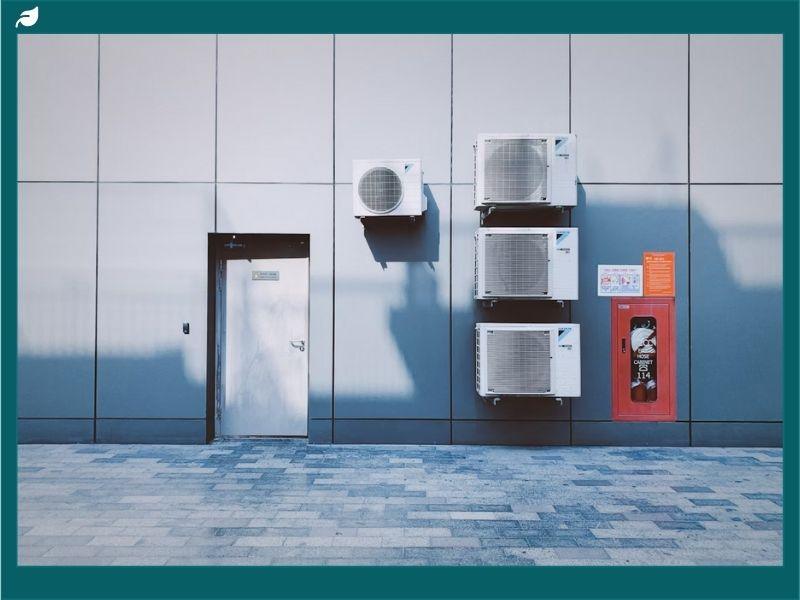
So, what’s the takeaway here? It’s actually dead simple: for any business in North America, investing in energy-efficient cooling is a total no-brainer. We need to stop obsessing over the purchase price and start looking at the bigger picture—the long-term savings, the changing laws, and the simple fact that being sustainable is good for your reputation.
The future is going to be a lot hotter, but with smarter tech and better policies, it can also be a lot cooler and more profitable.