
Agenda 2030 is a global plan for sustainable development that tackles issues like poverty, inequality, and environmental damage. Most United Nations member states signed it in 2015, agreeing to work toward 17 Sustainable Development Goals by 2030. Still, some countries chose not to participate. This fact-check looks at which nations did not sign Agenda 2030, why they made that choice, and what it could mean for working together on a more sustainable and fair future.
Understanding Agenda 2030 and Its Global Impact
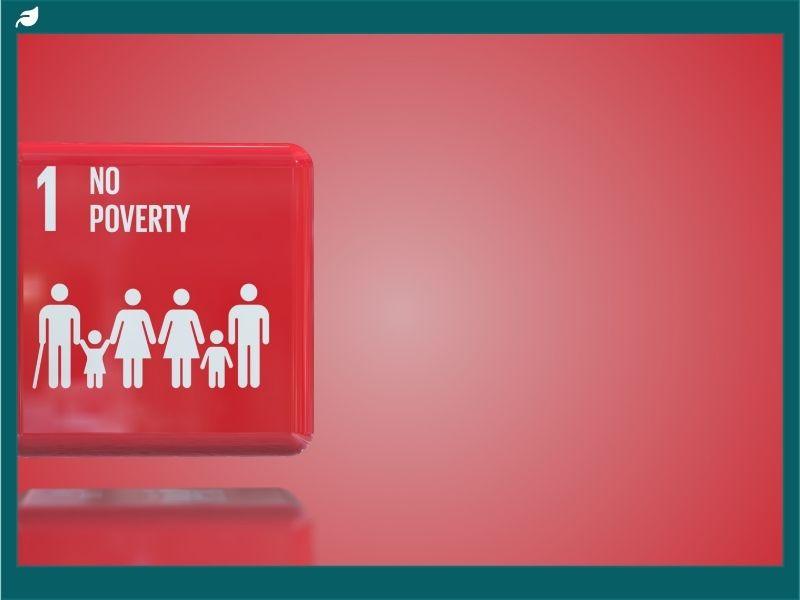
Agenda 2030 is an important agreement created to tackle global problems through clear development goals. World leaders adopted it in 2015, setting out a plan for peace, prosperity, and sustainability. With 17 goals and 169 targets, it focuses on issues like poverty, inequality, and climate change. Countries use these goals to guide their policies, encouraging cooperation and growth that includes everyone.
These objectives are helping shape future global policies and move sustainable development ahead. By providing a clear framework, these goals drive countries to align their national strategies with global targets, ensuring a coordinated approach to tackling pressing challenges. For instance, the goals emphasize reducing poverty, enhancing education, and fostering gender equality, which requires nations to reassess and redirect their policy focus towards these agendas.
The ambitious targets serve as a catalyst for innovation, encouraging governments to develop new policies that harness technology and partnerships to achieve sustainable outcomes. The resolution of Agenda 2030 encapsulates a commitment from nations to collaborate on diverse global goals and ensure that no one is left behind. By incorporating development goals into national agendas, countries can better address systemic issues such as economic inequality and environmental degradation.
These targets help in reshaping policies to foster economic stability while considering ecological impacts. In turn, this inspires legislative reforms that not only tackle immediate concerns but also ensure long-term resilience and sustainability. National policies molded by Agenda 2030 are often designed to be inclusive, aiming to engage civil society, private sectors, and international entities in collective efforts.
This collaborative spirit is vital in creating a harmonized approach to global development, where shared knowledge and resources can lead to innovative solutions and flexible policies that adapt to emerging challenges. As countries work towards these development goals, their policies serve as a testament to the agenda’s profound impact, anchoring global development in equality, sustainability, and shared prosperity.
Countries That Chose Not to Sign Agenda 2030
Not every country at the United Nations Conference agreed to Agenda 2030. Some chose not to sign because they wanted to protect their independence or had different political and economic goals. Looking at why these countries made that decision helps us understand how national interests can shape global agreements. Their choices show the variety of priorities and strategies that exist around the world.

Exploring Sovereignty Concerns and Their Implications
Some countries decided not to sign Agenda 2030 because they are concerned about protecting their independence. They want to keep full control over their own political and economic decisions, without outside agreements affecting their plans. For these nations, following a global plan can sometimes conflict with what they see as their own best interests. This worry about losing control makes them hesitant to join broad international agreements like Agenda 2030.
Not signing Agenda 2030 has several effects. Politically, these countries can make their own policies that fit their people’s needs without feeling pressured to follow global standards. Economically, they can focus on growth strategies that suit their situation, even if these differ from Agenda 2030’s goals. However, this choice can also make it harder for them to work with other countries or get support for big challenges like poverty and climate change.
Even with these challenges, countries that did not sign Agenda 2030 focus on building strong economies and keeping control over their decisions. They often choose projects that match their own needs and abilities, preferring to act on their own. This can help them stay flexible and focused on local priorities, but it might also make it harder to solve global problems together. Finding the right balance between independence and working with others is an ongoing discussion.
The Importance of the SDG Summit in Global Cooperation
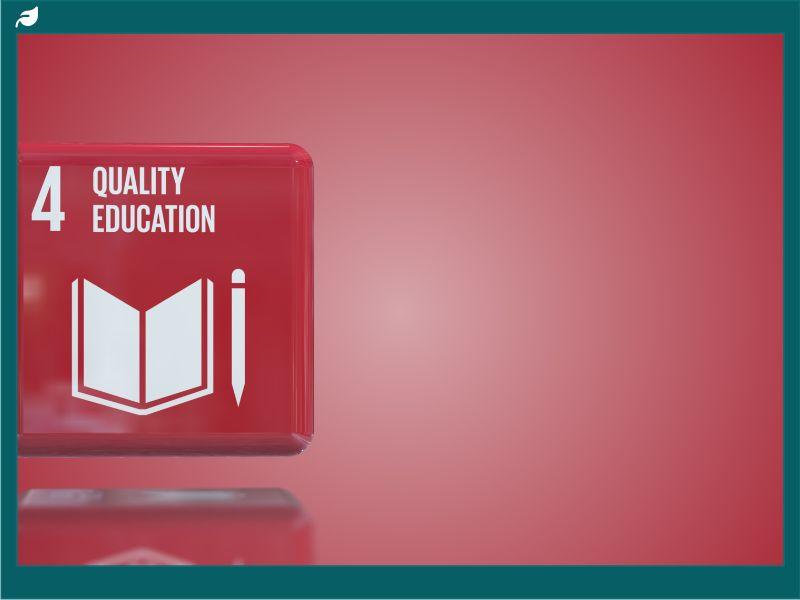
The SDG Summit is a key event that helps countries work together to reach the goals of Agenda 2030. It is the main place where the United Nations checks on progress and encourages unity among nations. At the summit, countries can share ideas, update their plans, and renew their promises to solve global problems. The summit also inspires countries to use these meetings to find new ways to work together and make real progress.
How International Meetings Influence National Decisions
International meetings like the SDG Summit play a big role in shaping national decisions. They give countries a chance to talk about common problems and make sure everyone’s voice is heard. By joining these meetings, nations can see what the world expects and decide how their own plans fit with global goals. The agreements made at these events often encourage countries to update their policies and work toward shared standards.
Moreover, the influence of international meetings extends to reinforcing global norms and expectations concerning sustainable development. These international meetings also help set global standards for sustainable development. When countries meet at events like the SDG Summit, they bring shared values into their own laws and policies. Working together in this way encourages new ideas and teamwork.
As a result, many countries promise to support the main goals of sustainable development, showing their commitment to working together for a better future. Consequently, these meetings hold influential sway over national decisions, aligning single-state interests with collective resolutions to create a unified approach to overcoming worldwide challenges. This venue for international cooperation underscores that while nations act independently, their concerted efforts towards global commitments strengthen the pursuit of sustainable development. concerted efforts towards global commitments strengthen the pursuit of sustainable development.
| Key Element | Global Impact | National Influence | Strategic Outcomes |
| SDG Summit | Facilitates dialogue among global leaders | Shapes national policies with international insights | Enhanced alignment on sustainable development goals |
| International Cooperation | Strengthens partnerships across borders | Encourages adoption of best practices | Collaborative solutions for complex challenges |
| Policy Development | Influences global standards in sustainability | Integrates global objectives into local contexts | Informed decision-making for impactful change |
| Global Commitments | Drives collective accountability | Boosts commitment to international agreements | Shared vision for a sustainable future |
This table shows how working together at meetings like the SDG Summit helps countries match their own goals with global plans for sustainable development.

Sustainable Development: A Key Goal of Agenda 2030
Agenda 2030 is a plan from the United Nations to support sustainable development around the world. It aims to balance economic growth with caring for the environment, so everyone can have a better future. The plan includes 17 goals that focus on issues like inequality and climate change. A key idea is finding the right balance between growing the economy and protecting nature, which helps guide countries as they set their own policies.
Balancing Economic Growth with Environmental Responsibility
Finding a balance between economic growth and caring for the environment is a main challenge in Agenda 2030. Countries need to rethink how they grow their economies so they do not harm the planet. This means making policies that support renewable energy, green technology, and careful use of resources. By doing this, countries can build strong economies that protect, rather than use up, their natural resources.
The sustainable development goals outlined in Agenda 2030 provide a roadmap for nations to achieve this balance. Emphasizing a shift towards decarbonization and sustainable industrial growth, these goals encourage economic frameworks that prioritize long-term ecological health. The goals in Agenda 2030 give countries a guide for balancing growth and the environment, encouraging a move away from polluting energy sources and the creation of industries that are better for the planet. This shift helps countries reduce their impact on the environment while still growing and improving technology.
By using green technology and finding new ways to save resources, industries can become both successful and sustainable. Governments can steer private sectors toward innovations that promote environmental sustainability alongside economic progress. This harmonization of economic and environmental goals is fundamental to realizing the vision of Agenda 2030, forming a cohesive strategy that leverages development for equitable and sustainable futures. Through concerted efforts and shared commitments, the balance of economic growth and environmental responsibility can transform into actionable pathways toward achieving the broader sustainable development agenda.
Political and Economic Factors Influencing Non-Signatories
Some countries chose not to sign Agenda 2030 because of complex political and economic reasons. They often have to balance their own interests with what the world expects. Their economic goals and political plans are big factors in these decisions. Looking at these reasons helps us understand why national interests sometimes come before joining global agreements, and what this means for working together internationally.
National Interests Versus Global Commitments
The main reason some countries did not sign Agenda 2030 is the struggle between keeping control over their own affairs and joining global efforts. These countries want to protect their independence while dealing with their own economic and political needs. For them, following a global plan can feel limiting, especially if they face unique challenges that need special solutions instead of general rules from outside.
Political factors also matter. Some countries have their own strategies or alliances and prefer to make decisions that fit their goals, rather than follow a broad UN plan. They want to use their resources and relationships in ways that work best for them. Economic reasons are important too—countries may worry that global agreements could limit their ability to make the best choices for their own markets. They often say that it is hard to balance their own growth plans with the wider goals of sustainable development.
This balance between national and global interests also affects whether countries join international meetings. These events are useful for discussion, but they can also show where countries disagree. For many who did not sign Agenda 2030, it is not about rejecting the goals, but about making choices that fit their own needs. Even so, talking with others at these meetings is still important for finding ways to work together and share benefits.
Reasons nations might hesitate to commit to global frameworks like Agenda 2030:
- National policies prioritize tailored economic strategies over broad international guidelines.
- Specific geopolitical alliances encourage independent decision-making, diverging from global agendas.
- Economic growth initiatives focus on localized solutions rather than global mandates.
- Concerns about sovereignty impact participation in international cooperation platforms.
- Flexibility in domestic policy-making is favored over adherence to international agreements.
- Development priorities often center on regional needs that may not align with global frameworks.
- Domestic political landscapes shape national stances on global commitments.
Understanding these elements highlights the complexity of integrating national and global objectives effectively.

Impacts on Development in Non-Signatory Countries
When some countries choose not to sign Agenda 2030, it affects how they develop. These countries face their own challenges and chances as they try to make progress without the agenda’s goals. Not joining lets them create plans that fit their needs, but it can also make it harder to get help from other countries. They have to find a balance between staying independent and following global standards. Looking at these choices helps us understand the bigger picture of global sustainability.
Challenges and Opportunities in Achieving Sustainable Progress
Countries that did not sign Agenda 2030 have their own set of challenges and opportunities. One big challenge is not having a common set of goals to guide their policies, which can lead to scattered efforts that may not fully address issues like poverty, inequality, or climate change. Without a shared plan, it can be harder to get support and resources from other countries, making it tough to solve big problems in the long run.
Still, countries that did not sign have the freedom to create their own solutions. This flexibility lets them try new ideas that fit their culture and economy, even if these do not match Agenda 2030’s broad goals. They can work with nearby countries or focus on certain areas, like renewable energy or education, to get results that work best for them.
By putting their own priorities first, these countries can invest more in areas they think are most important for their growth. They might choose to support industries or technologies that help both the economy and the environment. To get the most out of this approach, they need to balance immediate needs with long-term goals. By staying in touch with countries that did sign and joining international discussions, they can keep their independence while slowly adding more sustainable practices.
Next Steps for Advancing Global Development Cooperation
As the world increasingly acknowledges the need for collective action to tackle pressing issues, advancing global development cooperation becomes imperative. The United Nations continues to be at the forefront, fostering platforms for nations to engage in meaningful dialogue and implement strategic development plans.
Within this framework, more people see the need to work together on big problems, and global cooperation is becoming more important. The United Nations leads the way by creating spaces for countries to talk and plan together. The SDG resolutions help guide these efforts, making sure development includes everyone and covers both old and new challenges, like poverty, inequality, and new technology or enduring challenges.
Despite the reluctance of some nations to fully embrace Agenda 2030, the overarching goals remain critical in forging unified pathways toward sustainable development.
This teamwork matches the goals set at the SDG summit. When countries show they are willing to match their own policies with global development plans, they help build systems that support both the economy and the environment.
Sharing technology and investing money in these efforts can lay the groundwork for fair and forward-looking global projects. Even though countries value their independence, working together can have a big impact on global development.
Learning about which countries take part in Agenda 2030 helps us see the different levels of commitment to sustainability and development. Most countries have agreed to these goals, but knowing why some have not shows how complex international cooperation can be.
This understanding helps everyone work together and encourages more countries to join in. As these plans guide talks about sustainability, it’s important to recognize different national approaches to support fair growth for all.
Staying informed and talking about these issues helps everyone take part in global progress.