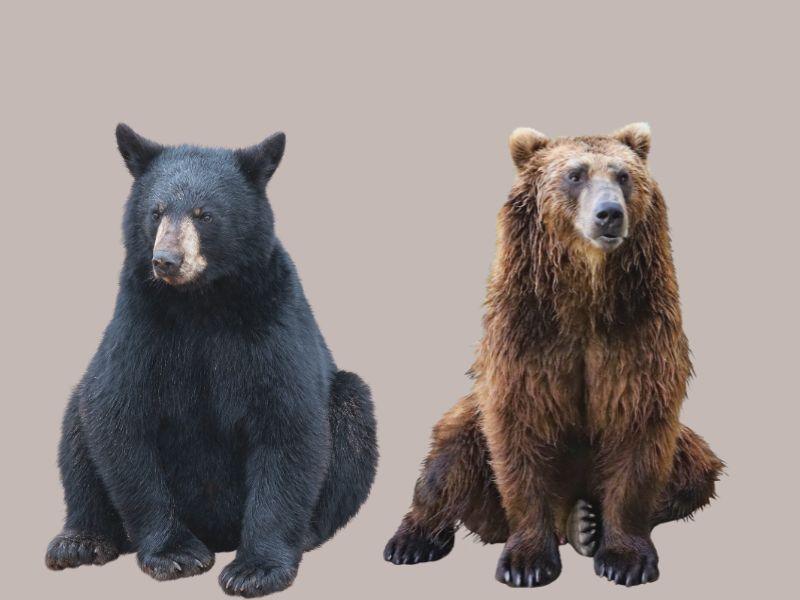
In the rugged and unforgiving landscapes they call home, both grizzly and polar bears command awe through sheer strength and power. These majestic giants are not only iconic symbols of their respective habitats but also offer fascinating insights into how evolution has equipped them for survival. While grizzly bears demonstrate formidable strength on land, polar bears epitomize power amidst icy terrains, making them a subject of intrigue for wildlife enthusiasts.
This comparative analysis delves into their unique adaptations, showcasing how each species thrives in its own challenging environment and highlighting the remarkable feats that define their dominance in the animal kingdom.

Understanding the Powerful Dynamics of Grizzly and Polar Bears
The majestic grizzly bears and the formidable polar bears are two of the most iconic species in the animal kingdom. These mighty animals, each known as the biggest bear in its habitat, showcase unique adaptations that allow them to thrive in their respective environments. From the frigid Arctic tundra, where polar bears roam, to the dense forests and mountain regions governed by grizzlies, their powerful dynamics reveal much about their adaptability, survival skills, and distinct challenges. This exploration into their habitat preferences and the intriguing role of geography in bear hybridization will highlight the nuances of these remarkable species.
Distinct Habitat Preferences of Grizzly Bears and Polar Bears
Grizzly bears and polar bears are often revered for their strength and majesty, yet their habitat preferences delineate clear distinctions between these dynamic species. The grizzly, a variant of the brown bear, predominantly roams across North America, embodying a versatile approach to ecological adaptation. Grizzly bears find solace in mountainous regions, dense forests, and vast open meadows. Such formidable animals require extensive territories to support their omnivorous diets, which include everything from berries to spawning salmon. The habitat grizzly bears choose offers them both sustenance and seclusion, away from the disruptions of human encroachment, thus maintaining their natural balance.
In stark contrast, polar bears are the undisputed rulers of the Arctic Circle. The habitat polar bears inhabit is one of stark, icy landscapes where temperatures plummet and daylight varies dramatically with the seasons. Despite these harsh conditions, polar bears are superbly adapted to life on the ice, as they rely heavily on the sea-ice platform for hunting seals, their primary food source. This bear species showcases a breathtaking display of ice navigation and cold endurance, underlining their status as one of the most resilient creatures on Earth. Yet, this dependence on a shifting habitat makes them exceptionally vulnerable to the impacts of climate change, drawing attention to the pressing need for conservation efforts to stabilize their numbers.
The particular habitat preferences of these two bear species reveal their evolutionary pathways and specialization strategies that allow them to flourish in their environments. While grizzly bears demonstrate adaptability across varied terrains and altitudes, polar bears illustrate a refined mastery of Arctic survival mechanisms. Their separation by geography and ecological demands ensures that these bears polar and grizzly alike, continue to intrigue scientists and wildlife enthusiasts with their unique dynamics.
The Role of Geography in Bear Hybridization
Geography plays a pivotal role in the intriguing phenomenon of bear hybridization, a testament to the dynamic evolutionary pathways of grizzly bears and polar bears. As climate change alters the Arctic landscapes, it has inadvertently brought these two formidable bear species into greater contact. This intersection of habitats has led to observed instances of hybridization, where grizzly bears and polar bears interbreed, resulting in what are colloquially known as ‘pizzly’ or ‘grolar’ bears. Such hybrid animals offer a unique lens through which scientists can explore the adaptability of species facing unprecedented environmental shifts.
The geography of the Arctic is marked by melting ice caps and retreating glaciers, which influence the movements of polar bears who depend on stable sea ice for hunting. With their habitat shrinking, polar bears find themselves venturing further inland, where their paths may intersect with grizzlies drawn northward by warming temperatures. This convergence is not purely random; it is a complex dance orchestrated by environmental pressures and geographical shifts. The resulting hybridizations are profound, not just for their novelty but also for the insights they provide into how these apex predators may evolve in response to changing ecosystems.
In the broader context of species adaptation, bear hybridization underscores the resilience and flexibility of wildlife in the face of global climate challenges. Each hybrid bears traits from both parent species, potentially combining the ecological advantages of each. However, these hybrids also present challenges, particularly concerning conservation management. Understanding the dynamics of such hybridization is crucial, as it influences the future of not just these bears but also the ecosystems they inhabit. Therefore, the role of geography in bear hybridization extends beyond mere curiosity, influencing conservation strategies and guiding actions to protect these iconic species and their habitats in an ever-shifting world.
Comparative Strength: Polar Bear against Grizzly Bear
In the arena of nature’s most formidable predators, the grizzly bear and the polar bear stand as icons of brute strength and raw power. Known as the biggest bear in their respective domains, these formidable creatures showcase distinct strengths and capabilities. From the strength polar bears exercise on the ice, to the robustness grizzlies display in their forested realms, these species have adapted perfectly to their environments. This discussion delves into the nuances of their physical strength and endurance, while contrasting their defense mechanisms and adaptations, especially in light of changing ecosystems.
Analyzing Physical Strength and Endurance
Physical strength is but one facet of the overall robustness exhibited by grizzly bears and polar bears, with each species demonstrating unique adaptations. The strength of polar bears is primarily reflected in their massive size and specialized body structure, designed to endure the Arctic’s harsh environment. Polar bears possess incredible muscle mass, allowing them to exert significant force needed for breaking through ice and swimming vast distances in search of food. Their layers of fat not only provide insulation against extreme cold but also help sustain their energy levels during periods of scarce hunting opportunities, showcasing impressive endurance.
Conversely, grizzlies harness a different kind of power adapted for a varied terrain. Grizzly bears boast powerful limbs and sharp claws, crucial for excavating dens and foraging for a diverse diet consisting of both flora and fauna. The grizzly’s strength is further exemplified in its ability to run at speeds up to 35 miles per hour, showcasing not just muscle power but also a high degree of stamina necessary for chasing down prey or navigating mountainous terrains. This combination of speed and persistence highlights the strength grizzlies bring to their formidable presence in nature.
The endurance of both bear species, however, faces new challenges as environmental changes continue to alter their habitats. While polar bears are stretched against receding ice patterns impacting their ability to hunt, grizzlies are finding their territories affected by human activities and climate variations. Despite these challenges, their inherent resilience and adaptability continue to amaze researchers and conservationists, pushing the narrative of survival into new frontiers.
How Grizzlies Outshine Polar Bears in Defense
While sheer physical strength often dominates discussions about bears, the defensive tactics employed by grizzlies and polar bears are equally vital to their survival. Grizzly bears are known for their remarkable territorial instincts, leveraging their size and aggression as a formidable defense mechanism against predators and human threats. The robust build of grizzlies, with their muscular shoulders and imposing claws, serves as a natural deterrent. Their heightened senses enable them to detect potential threats long before they become imminent dangers, allowing them to either confront or evade as necessary, underscoring their survival skills in diverse environments.
Polar bears, in contrast, have evolved different defense strategies, shaped by the sparse and open Arctic landscapes. Their formidable size and presence alone are often enough to ward off potential threats, albeit fewer in their native icy domains. The isolation provided by their Arctic habitat reduces encounters with predators, thereby lessening the need for aggressive defense tactics. However, their ability to maneuver seamlessly between land and ice serves as an effective escape strategy from any rare confrontations.
The defensive capabilities of both grizzly and polar bears illustrate not just responses to immediate threats but also their broader survival tactics in adapting to environmental changes. Grizzlies have shown a degree of flexibility in extending their range into new territories as their habitats shift. Polar bears, facing diminishing ice, have been observed swimming longer distances to find secure regions, showcasing not just a testament to their resilience but also their potential adaptability to future challenges. These adaptations continue to intrigue scientists, offering insights into the complex interplay between species behavior and environmental pressures.

Behavioral Traits of Grizzly and Polar Bears
The unique behavioral traits of grizzly bears and polar bears offer a fascinating glimpse into their survival strategies in vastly different environments. Grizzly bears, masters of diverse terrains, exhibit a myriad of behaviors such as foraging for varied food sources and defending expansive territories. Meanwhile, the behavior of polar bears stands out with their specialized hunting techniques on ice, crucial for survival in the Arctic wilderness. Exploring these intricate behaviors highlights how both bear species adapt to their environments, ensuring their survival amid ecological changes.
Hunting Techniques of Polar Bears Versus Grizzly Bears
The hunting techniques of polar bears and grizzly bears reflect distinct adaptations to their respective environments, crucial for their survival and dominance as apex predators. Polar bears, the biggest bears in the Arctic, have honed a remarkable skill for hunting seals, their primary food source. Their behavior reflects a patient and strategic approach, often referred to as still-hunting. This involves patiently waiting near seal breathing holes or breaking through ice to access resting seals. Such hunting techniques are essential for polar bears, as they require vast amounts of food to sustain their large size and provide enough energy to traverse the ice-covered terrain. Given the harsh Arctic conditions, every hunting attempt is a critical component of their survival strategy. The polar bear’s powerful body is optimized for strength, enabling them to break through thick ice and swim long distances to locate their next meal.
In contrast, grizzly bears demonstrate a more versatile range of hunting techniques and foraging behaviors due to their varied diet and habitat. Unlike polar bears, grizzly bears are omnivorous, feeding on a plethora of food sources ranging from insects and berries to fish and small mammals, adapting their hunting techniques accordingly. Grizzly bears often capitalize on the seasonal abundance of food, such as salmon runs, where their powerful limbs and sharp claws come into play, seizing fish with great precision and strength. Their behavior during these events showcases the grizzly’s ability to exploit ecological opportunities, a key to their adaptability across different environments. However, it’s the grizzlies’ foraging flexibility that stands out, allowing them to adjust their diet based on availability, a crucial trait in their survival toolkit.
The different hunting techniques of grizzly and polar bears underscore the evolutionary progression of each species, tailored to their unique habitats. For polar bears, ice and sea define their hunting methodologies, while grizzlies adapt to forested realms and open meadows. These contrasting behaviors highlight the impressive adaptability of grizzlies and the specialized strategies of polar bears, reflecting the dynamic interplay between environment, food availability, and evolutionary pressures. Studying these behaviors not only deepens understanding of grizzly and polar bear ecology but also highlights the adaptability and resilience that both species bring to their roles as key components of their ecosystems.
While both the grizzly bear and polar bear exhibit remarkable strength, their unique adaptations highlight the diverse challenges they face in their respective habitats. Grizzlies, with their incredible endurance and versatile foraging skills, dominate in forested areas rich in vegetation. Meanwhile, polar bears showcase unmatched power and stamina in icy terrains, expertly hunting seals. Understanding these majestic animals’ capabilities not only enriches our appreciation of their survival strategies but also underscores the importance of conserving their natural environments. Both species remain powerful symbols of resilience and adaptation in the animal kingdom.