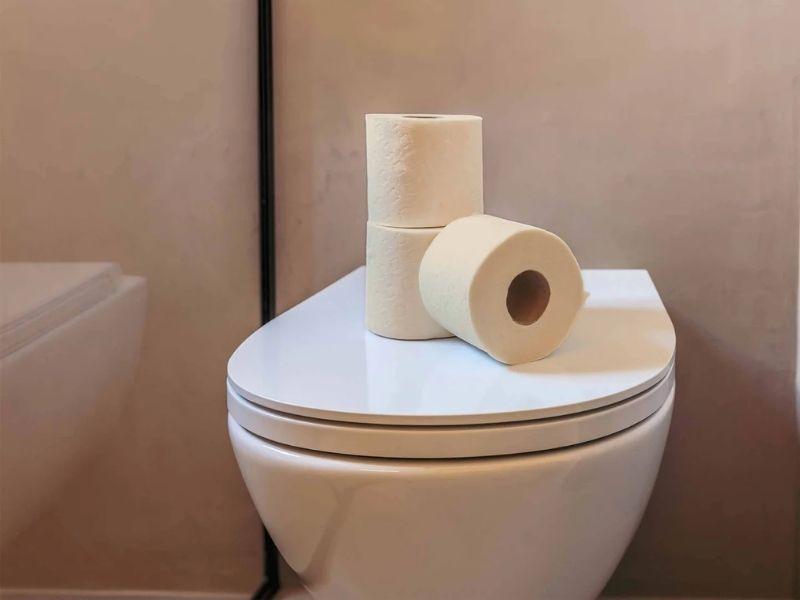
When you consider your daily exposure to household chemicals, toilet paper probably isn’t the first product that comes to mind. Yet this everyday essential can contain chlorine bleach, formaldehyde, and synthetic fragrances that come into contact with your body’s most sensitive areas multiple times each day.
Growing awareness of these hidden health risks has led many consumers to seek nontoxic alternatives. Unlike conventional toilet paper that relies on harsh chemicals for whitening and processing, nontoxic options use natural materials and safer production methods.
The challenge lies in identifying truly safe products among the marketing claims. Many brands use terms like “natural” or “eco-friendly” without eliminating harmful chemicals from their manufacturing processes. Knowing what makes toilet paper genuinely nontoxic can help you make informed decisions for your health and environmental impact.
What Is Nontoxic Toilet Paper?
Here’s what you need to know before you waste money on products that claim to be “natural” but aren’t.
Non-toxic toilet paper should mean toilet paper without harmful chemicals. But companies throw around “nontoxic” and “natural” labels like confetti because nobody regulates these terms.
Real nontoxic toilet paper uses bamboo or unbleached recycled paper. Bamboo doesn’t need pesticides to grow, and it processes without chlorine bleaching. Simple as that.
You want to see words like “unbleached,” “chlorine-free,” or “formaldehyde-free” on the package. If it just says “natural” or “eco-friendly,” keep looking. Those are marketing words, not safety guarantees.
Benefits of Using Nontoxic Toilet Paper
You might not realize how much your toilet paper is messing with your health until you try something better.
1. Health Considerations
Your skin down there is super sensitive. Way more than the skin on your hands or face. Yet you’re putting chlorine bleach residue on it multiple times every day.
Chemical-free toilet paper gets rid of synthetic fragrances and dyes that irritate sensitive skin. Most people notice less irritation within a few days of switching.
Formaldehyde in regular toilet paper can cause allergic reactions. Small amounts daily add up over the years. Why risk it when you don’t have to?
2. Environmental Impact
All that chlorine from toilet paper production ends up in rivers and lakes. It doesn’t just disappear. Fish absorb it, then we eat the fish. Fun cycle, right?
Bamboo toilet paper uses way less water to make than tree-based stuff. Plus, bamboo grows back in months instead of decades. Your bathroom habits don’t have to destroy forests.
Skip the bleaching process entirely with unbleached options. No toxic chemicals going into your local water supply just so your toilet paper can be extra white.
Nontoxic vs. Conventional Toilet Paper Comparison
| Feature | Nontoxic Options | Conventional TP |
| Chlorine Bleaching | None | Standard process |
| Formaldehyde | Eliminated | Often present |
| Synthetic Fragrances | None | Common additives |
| Skin Irritation Risk | Minimal | Higher |
| Water Pollution | Low impact | Significant |
| Material Source | Bamboo/recycled | Virgin trees |
| Long-term Health | Safer | Unknown effects |
What to Look For in Eco-Friendly Toilet Options
Don’t fall for greenwashing; here’s how to spot the real stuff from the fake.
Unbleached, Recycled and Organic Toilet Options
Bamboo is your best bet because it grows without chemicals and doesn’t need bleaching to be safe. Look for 100% bamboo, not bamboo mixed with regular paper pulp.
Recycled toilet paper can be good if they didn’t been re-bleached with chlorine. But some recycled options have ink leftovers from old paper, so check if it says “de-inked.”
Unbleached toilet paper looks brownish because it skipped the bleaching step. Don’t worry about the color; that brown tint means they kept the harmful chemicals out.
Certifications to Look For
FSC certification just means sustainable trees, but doesn’t tell you about chemicals. You need more than that.
GOTS certification is stricter; it covers both organic materials and chemical-free processing. That’s what you want to see.
Third-party testing from EPA Safer Choice or GREENGUARD means someone actually checked that the product is safe, not just the company saying so.
Home and personal care experts at Consumer Reports note: “Certification logos provide independent verification that products meet specific safety and environmental standards, unlike manufacturer claims which aren’t regulated” (Consumer Reports).
The Brands You Should Actually Consider
I’ve wasted money on enough “natural” toilet papers to save you the trouble.
Wype: This One Actually Works
Wype doesn’t mess around with chemicals. Zero bleach, zero formaldehyde, zero BPA, and zero synthetic fragrances. Their bamboo toilet paper is thick enough (over 40gsm) that you don’t need to wrap your hand like a mummy.
Every roll feels the same, which tells me they have consistent quality control. The natural bamboo color shows they’re not hiding bleaching chemicals like other brands do.
No plastic packaging either; just food-grade paper wrapping. Each loo roll has 330 decent-sized sheets, so you use less than you’d expect.
Everything Else Is Disappointing
Most other “nontoxic” brands either cost way more than Wype or feel like sandpaper. Some bamboo options fall apart the second they get wet.
Recycled toilet roll brands are hit-or-miss. Some still use chlorine bleaching on recycled content, which defeats the whole point. Others have ink residues that irritate the skin.
Those “sensitive skin” toilet papers from regular brands just reduce fragrance but keep all the other chemicals. Pure marketing nonsense.
What You’ll Discover About Value
Nontoxic toilet paper delivers better value than you’d expect, especially when you factor in health benefits.
Quality nontoxic toilet tissue is stronger and more absorbent than conventional options. You’ll use about 30% fewer sheets per use, which means rolls last longer despite higher upfront costs.
Your skin health improves measurably. No more irritation, redness, or sensitivity issues that might require expensive treatments or doctor visits.
Environmental benefits include cleaner local water supplies and reduced deforestation. These long-term impacts have real economic value for your community.
The cheap, nontoxic brands usually disappoint. You’ll end up using more sheets because they’re thinner, negating any cost savings. Stick with proven brands that balance quality with safety.
Conclusion
You use toilet paper multiple times every day, which means chemical exposure adds up fast. Why risk it when safer options exist?
Most people feel better within days of ditching chemical-loaded toilet paper. Your skin stops being irritated, and you don’t have to worry about what’s absorbing into your body over time.
If you want to protect your health without sacrificing comfort, Wype is the most reliable nontoxic option you’ll find. Your body deserves better than bleach and formaldehyde.
Frequently Asked Questions
What is nontoxic toilet paper?
Nontoxic toilet paper is made without harmful chemicals like chlorine bleach, formaldehyde, or synthetic fragrances. It typically uses natural materials like bamboo or unbleached recycled paper to eliminate toxic exposure.
Why is nontoxic toilet paper important?
Conventional toilet paper contains chemicals that can cause skin irritation and accumulate in your body over time. Nontoxic options reduce health risks while minimizing environmental pollution from chemical manufacturing processes.
What types of materials are used in nontoxic toilet paper?
The best nontoxic toilet papers use 100% unbleached bamboo, recycled fibre that’s PCF (processed chlorine-free), or organic cotton. Bamboo is ideal because it grows without pesticides and processes without chlorine bleaching.
How does bamboo toilet paper benefit the environment?
Bamboo grows up to 3 feet per day and regenerates from roots without replanting. It requires 30% less water than tree-based paper and produces 35% more oxygen than equivalent forest stands.
What should I look for when choosing nontoxic toilet paper?
Look for products that specifically state “unbleached,” “chlorine-free,” and “formaldehyde-free.” Check for third-party certifications like FSC or GOTS, and avoid generic terms like “natural” that aren’t legally regulated.