Amilla Resort, tucked away in the Baa Atoll, a UNESCO Biosphere Reserve renowned for its vibrant marine life and crystal-clear waters, offers a unique blend of luxury and natural beauty. Known for its private villas, world-class amenities, and exceptional service, it is a haven for those seeking tranquillity and adventure.
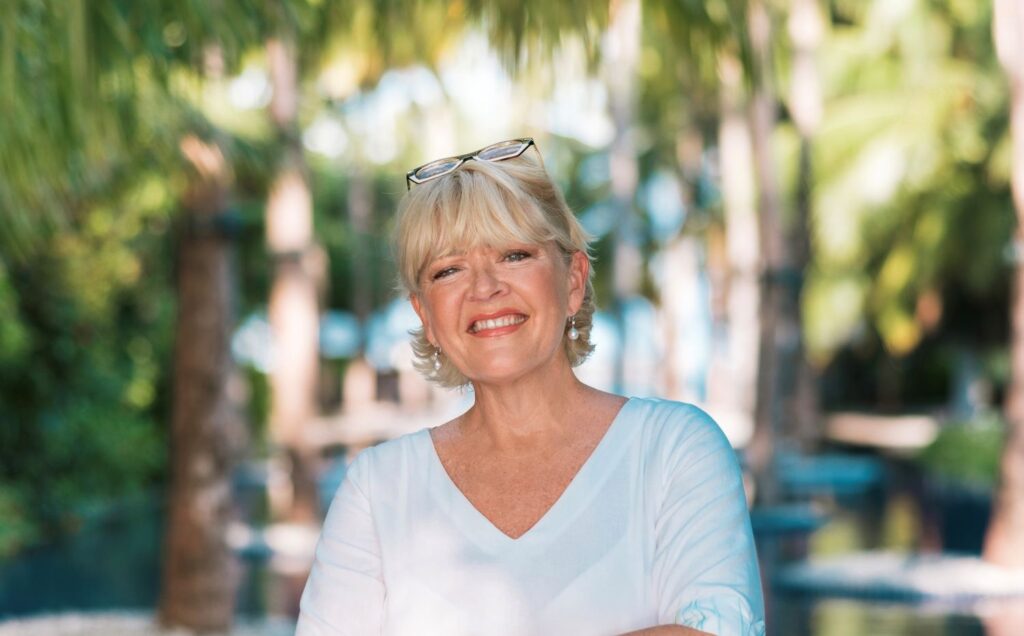
Named as one of the top five general managers in the Maldives by Travel+Leisure Asia Pacific in 2024, Narelle McDougall, the General Manager of Amilla Maldives known for her outstanding leadership qualities and commitment to innovative hospitality have significantly contributed to the resort’s prestigious recognition.
In this exclusive Q&A with the Amilla Maldives’ General Manager, we’ll explore the key highlights of the sustainability initiatives and how the resort balances between sustainability and being a luxury resort.
What are some key sustainability innovations at Amilla Maldives, and how have they impacted operations?
Sustainability plays an essential role for the resort. As an eco-friendly resort, we are deeply committed to nurturing our local community and protecting the rich biodiversity of the Baa Atoll UNESCO Biosphere Reserve.
This year, we were honoured to receive our fourth consecutive EarthCheck Silver Certification and to be recognised as one of only five Maldivian resorts in Forbes Travel Guide’s VERIFIED™ Responsible Hospitality 2025 programme.
We continued our commitment to balancing sustainability with natural luxury with the introduction of refillable, PCR-packaged, vegan-friendly amenities from 19-69 and Dutch social enterprise Marie-Stella Maris, alongside reusable Rolla Bottles for guests to use during and after their stay. As part of the Jellyfish10 initiative, Rolla Bottles commits 10 percent of all profits to funding ocean plastic pollution clean-up solutions.
We’re also proud to collaborate with Atoll Marine Centre (AMC) on coral restoration efforts and the collection of vital data on turtles, mantas, and sharks. We believe it’s important for our guests to have meaningful opportunities to engage in sustainability, which is why we actively encourage them to join coral planting excursions led by our resort’s Marine Biologist.
Our recent collaboration with the University of Auckland marked a significant step forward in the conservation of white-tailed tropicbirds. We have successfully GPS-tagged 13 birds and ringed 17 others. Weighing just one per cent of the bird’s body weight, the GPS tags allow researchers to monitor feeding patterns; while the rings are designed to identify individual birds, making it possible to track behaviour and migratory patterns.
Sustainability is at the heart of our culinary philosophy, reflected in our Homegrown@Amilla and Homemade@Amilla initiatives. We cultivate fresh produce like herbs, vegetables, and mushrooms in our organic gardens, while a variety of Homemade@Amilla creations—such as yoghurts, jams, pickles, sauces, probiotic sodas, tonics, and plant-based milks—are lovingly made by hand right here on the island.
We’re also deeply committed to sourcing products from ethical and renewable resources, making sure our suppliers follow fair trade principles. Our meat comes from suppliers known for treating animals humanely, with all of it being free-range or pasture-raised. When local options aren’t available, we opt for eco-friendly alternatives, always aiming to reduce and avoid plastic wrapping as much as possible.
Our waste management centre ensures that waste produced by the resort is carefully sorted for recycling, composting and disposal, minimising our impact on the environment. Our composting machine turns kitchen waste (that is not consumed by our farm animals) into usable compost, while we also crush glass for building projects.
How does the resort balance eco-conscious operations with providing a luxury experience for guests?
Sustainability is at the heart of everything we do. As an eco-friendly resort, we are deeply committed to balancing luxury experiences with the natural beauty of our tropical island setting. From our organic gardens to reef conservation and mindful consumption, every detail reflects this ethos, and invites guests to participate in meaningful ways.
Guests can discover the healing properties of native herbs at the Alchemy Bar or craft their own scrubs and balms using ingredients grown right on the island. These unique, immersive activities blend modern herbalism with Dhivehi Beys, the ancient Maldivian art of healing, provides a sense of wellbeing, cultural richness, and a luxurious, hands-on connection to the land.
In line with our commitment to sustainability and honouring our heritage, we’ve rejuvenated our gardens to grow fresh, organic produce. Guests can join our chef for a one-of-a-kind foraging experience, handpicking ingredients before coming together to craft a delicious meal—enhancing their connection to the land and the joy of cooking with nature’s bounty.
Our resort’s resident Marine Biologist carefully monitors and maintains the house reef and beaches, supporting our efforts to preserve the marine ecosystem. They host weekly marine biology activities for guests, including the coral planting excursions and an adopt-a-coral initiative where guests can receive monthly updates on the progress of their coral frame. Our Mini Marine Biologist programme invites younger guests to explore seven key topics; upon completion, they ‘graduate’ as certified Mini Marine Biologists, fostering a deeper appreciation for ocean conservation.
For us, our beautiful location and natural environment is a key allure for guests, allowing them to immerse themselves in natural beauty, both on land and at sea. Alongside the responsibility to our planet’s flora and fauna, conducting sustainable practices ensures we continue to offer luxury experiences in a beautiful destination.
Looking ahead, what future initiatives are planned to further enhance sustainability efforts at Amilla Maldives?
Our sustainability goals for 2025 include further reducing paper use by transitioning to QR codes and iPads, the introduction of a new food waste management system that converts food waste into gas for use in the staff kitchens; and developing new ways to upcycle glass bottles, while also responsibly enhancing the guest experience. We will continue reducing our environmental footprint by expanding coral restoration initiatives while also strengthening partnerships with local suppliers, serving only sustainably and locally caught reef fish, and procuring everything we can locally from the Baa Atoll farming community. We’ll also continue to support local communities through training, education, and conservation efforts.