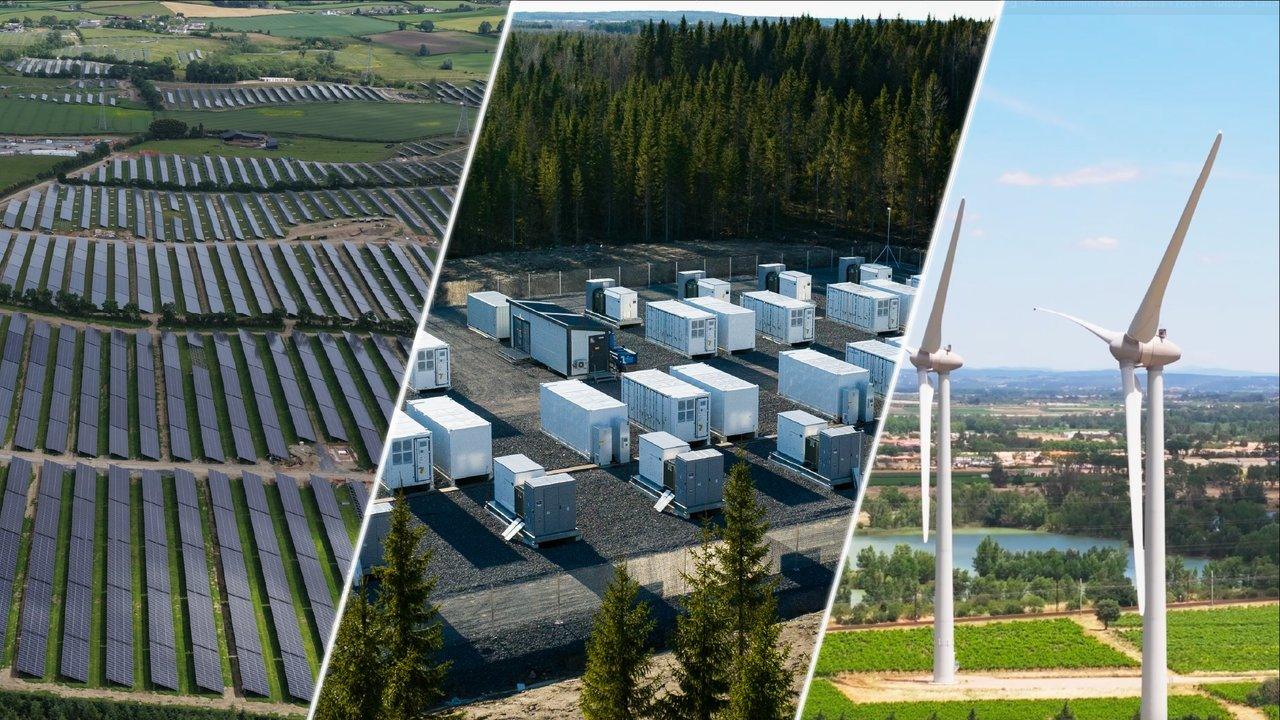
Coventry University has taken a decisive step toward its goal of achieving net zero carbon emissions by 2030 with the installation of nearly 800 solar panels across its campus. This initiative is part of an ambitious decarbonization program funded by a £13 million Public Sector Decarbonisation Scheme grant awarded earlier this year.

Solar Powering Progress at Coventry University
The solar panels, currently being installed on the Sir Frank Whittle and Charles Ward buildings, are the first phase of a project that will eventually cover multiple university structures, including The Hub and the Alma building. Once completed, the panels will generate clean energy equivalent to that of 90 typical home solar systems.
“This is fantastic news for the university and showcases the first of many actions to put sustainability at the heart of what we do,” said Selina Fletcher, Head of Sustainability and Environment at Coventry University. “We will immediately be able to see a carbon reduction as the solar panels start to generate energy and reduce our emissions.”
Coventry University’s Holistic Energy and Decarbonization Strategy
Beyond its solar energy initiatives, Coventry University is advancing its sustainability goals by integrating campus buildings into the Coventry district energy network. This 6.6-kilometer underground heating system efficiently transports waste heat from the city’s municipal incinerator to major public buildings, including those on the university campus. Notably, this system emits only one-sixth of the carbon compared to traditional natural gas heating, significantly contributing to the university’s decarbonization efforts .
The transition to this lower-carbon district energy scheme is a strategic move to reduce the university’s reliance on gas boilers, aiming to cut heating-related emissions by 25%. This initiative aligns with Coventry University’s broader commitment to achieving net zero carbon emissions by 2030. The integration process involves installing pipework to connect 11 city center university buildings to the district energy network, with construction scheduled to commence in May 2025 and completion anticipated by April 2026. Once operational, the system is expected to save approximately 95 tonnes of carbon emissions annually on campus.
This comprehensive approach to decarbonization not only enhances the university’s environmental performance but also serves as a practical example for students and the wider community. By adopting innovative energy solutions, Coventry University is demonstrating leadership in sustainability and providing a living laboratory for climate change mitigation strategies.
Industry Collaboration Fuels Solar Success at Coventry University
Coventry University’s collaboration with leading industry partners underlines its strategic approach to project execution. For the solar installation, the university teamed up with consultant Baily Garner and specialist renewable energy contractor Geo Green Power. Both companies brought technical expertise and a proven track record of delivering complex sustainability projects on time and within budget. This partnership model enabled Coventry University to benefit from tailored solutions that maximize energy generation while minimizing disruption to campus activities.
Baily Garner conducted an in-depth feasibility assessment, identifying key rooftop sites and analyzing structural loads, energy output potential, and shading risks. Meanwhile, Geo Green Power managed the installation logistics, system optimization, and future-proofing components to allow for integration with battery storage and smart grid applications. The result is a streamlined process that delivers not only on technical goals but also on the university’s broader sustainability ethos.
This collaboration is a clear example of how academic institutions can work effectively with the private sector to achieve sustainability targets. It also reflects Coventry University’s pragmatic mindset—leveraging external knowledge to accelerate climate action. The success of this initiative is already generating interest among peer institutions, cementing Coventry University’s leadership in sustainable campus transformation and solar innovation.
Coventry University: A Living Wayfinder for Climate Action
Coventry University’s commitment to sustainability is not only structural—it’s deeply educational. The campus is transforming into a living laboratory where students and researchers actively engage with real-time sustainability projects. This dynamic environment enables interdisciplinary learning opportunities across engineering, environmental science, architecture, and policy studies, providing unique access to ongoing data and performance metrics from the solar and district heating systems.
Students are involved in monitoring energy outputs, analyzing carbon reductions, and even contributing to recommendations for optimizing building performance. These experiences give them direct insight into how energy systems operate and evolve—turning theory into practice. The university is also integrating these systems into course curricula and capstone projects, ensuring that sustainability is not a siloed topic but a cross-campus priority.
Moreover, Coventry’s investment in visible climate action helps attract students passionate about environmental responsibility. It signals to prospective learners and faculty that the university lives its values and is preparing graduates to be change-makers in the green economy. By embedding sustainability into its academic mission, Coventry University is building long-term value—not just in infrastructure but in the human capital needed to address climate change globally. It’s education and environmental action progressing hand in hand.
Leading Coventry’s Green Energy Transformation
Coventry University’s sustainability strategy is closely aligned with Coventry City Council’s wider environmental objectives. As a member of the Coventry Climate Change Board, the university plays an active role in shaping policy and catalyzing action beyond its own campus boundaries. Its participation is helping to influence long-term regional climate resilience planning, infrastructure development, and the local green skills pipeline.
By implementing projects like the solar panel installation and district energy connection, the university acts as both a model and a motivator for other institutions, businesses, and residents. These visible initiatives build public trust and demonstrate what’s possible through clear investment, planning, and collaboration. The university also engages with local schools, hosting workshops and tours that showcase sustainable technologies in action.
Coventry University’s central role in the city’s green transition enhances its profile as a civic institution that delivers shared value. As local stakeholders seek to meet national net-zero targets, the university’s technical insight and on-the-ground experience help guide inclusive, practical strategies. Through collaboration with transport providers, energy developers, and educational partners, it continues to unlock new opportunities for decarbonization and economic development across Coventry.
The university’s efforts are not just about reducing its footprint—they’re about lifting the whole city.
Building a Lasting Solar and Sustainability Legacy at Coventry University
Coventry University’s ambitious solar and heating projects are laying the foundation for a sustainable legacy that extends far beyond energy savings. By investing in renewable technologies, district energy integration, and student-led research, the institution is embedding sustainability into every layer of its identity. These efforts form a blueprint for how modern universities can lead systemic change while preparing future generations to carry that momentum forward.
This legacy-building initiative is rooted in measurable impact. Reduced carbon emissions, enhanced energy resilience, and a marked decrease in utility costs all contribute to the university’s environmental and economic goals. But perhaps more importantly, these initiatives are fostering a cultural shift—encouraging staff, students, and the broader community to take ownership of sustainability outcomes.
Selina Fletcher’s statement, “This is just the beginning,” encapsulates the university’s long-term vision. With eyes set on 2030 and beyond, Coventry is planning continued investments in low-carbon research, energy efficiency retrofits, biodiversity initiatives, and green mobility. These actions will shape a future where climate consciousness is ingrained into institutional decision-making.
By demonstrating leadership, fostering innovation, and championing education, Coventry University is not only responding to today’s climate challenges but creating lasting change that will benefit generations to come.
Looking for a solar installer?
Compare MCS-certified solar panel installers across the UK in our directory, with ratings, reviews and free quotes, listed by county.
Related solar guides: