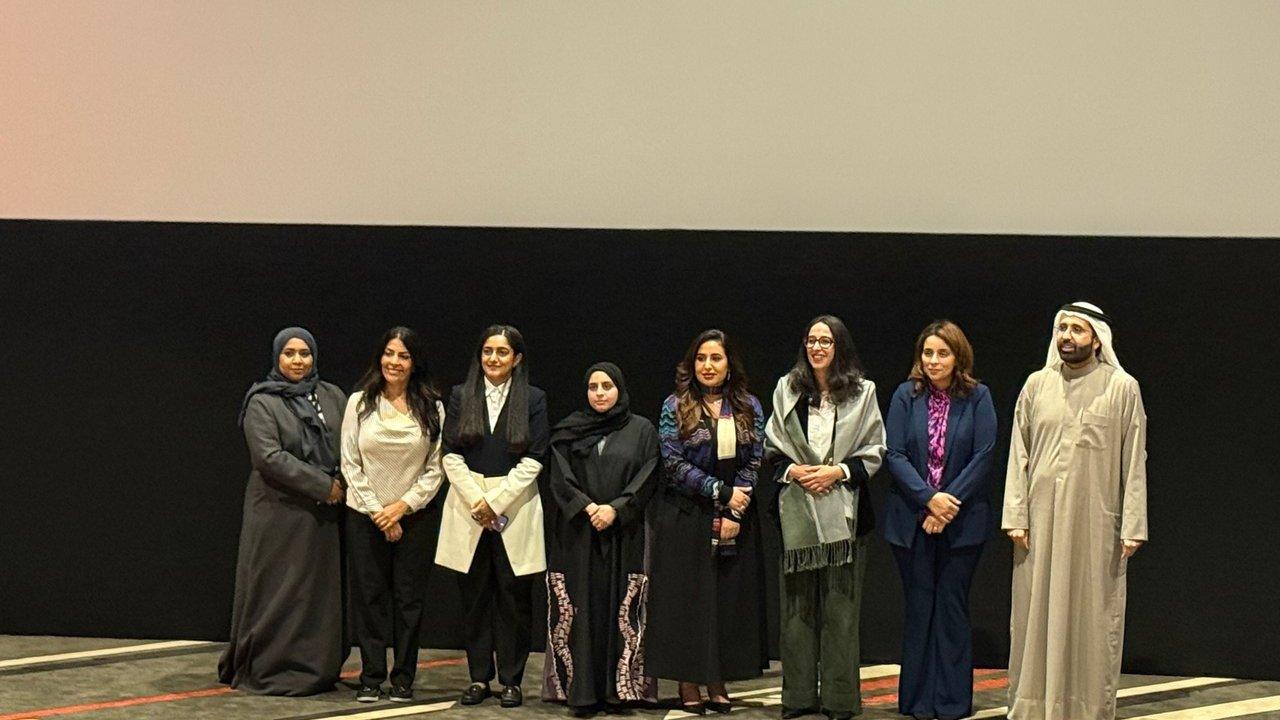
Sustainability Forum Middle East has launched its second Sustainability Future Lab, inviting university students across Bahrain to create practical plans for lower-carbon campuses. The new University Net Zero Challenge asks participating teams to develop roadmaps that cut their institutions’ carbon emissions by 30% within five years. Delivered with KPMG Bahrain, the initiative will form part of the fifth Sustainability Forum Middle East on 26 and 27 January 2027. Organised by FinMark Communications with support from the Supreme Council for Environment and the Higher Education Council, the Forum will examine sustainability as a source of resilience, innovation, growth and long-term value creation.
A Campus Focus
The challenge gives university teams a defined operational target while allowing them to examine the issues most relevant to their own campuses. Students will be nominated by participating universities and asked to turn academic research, innovation and strategic thinking into proposals that can work within higher education institutions.
The scope covers the day-to-day activities that contribute to a university’s emissions. Teams may consider energy efficiency, renewable energy adoption, water management, waste reduction and circularity, sustainable transportation, procurement, student and community engagement, and carbon measurement and reporting.
Each proposed roadmap must demonstrate measurable environmental impact while remaining practical, scalable and suited to the operational realities of higher education. This requirement places implementation at the centre of the exercise, asking teams to consider how an emissions reduction plan could be delivered rather than treating it as a theoretical proposal.
Building Practical Skills
Participants will follow a structured development programme supported by Senior Sustainability Expert Mentors and technical specialists. The programme is designed to help students build proposals that link environmental priorities with operational and financial planning.
Guidance will cover emissions measurement and carbon accounting, engineering and operational sustainability solutions, financial analysis, budgeting and implementation planning. These areas will help teams assess emissions sources, identify actions and set out the resources required to put their recommendations into practice.
The Future Lab builds on an inaugural university challenge held last year. Its second edition extends that work by focusing directly on the carbon emissions of participating institutions, giving students a route to address sustainability within the environments where they study and work.
Connecting Education And Climate Action
The programme places young people within a wider discussion on how organisations can respond to climate and sustainability priorities. By working on their own universities, participants will have an opportunity to link academic knowledge with operational questions around energy, transport, procurement and resource use.

Zahraa Taher, Managing Director at FinMark Communications, said:
“Building on the success of the first Sustainability Future Lab launched last year, the next edition aims to take student engagement a step further by giving young people the opportunity to address sustainability challenges within their own university environments. Through practical experience and expert mentorship, we aim to strengthen the connection between education and real-world climate action and support the development of the next generation of sustainability leaders.”
For universities, the challenge creates a shared framework for examining campus emissions across several operational areas. For students, it provides experience of developing proposals that must meet environmental aims alongside the practical requirements of an institution.
Forum Brings Regional Dialogue
The Sustainability Future Lab will sit within the fifth Sustainability Forum Middle East, which will bring together policymakers, business leaders, sustainability experts, academics and practitioners. The Forum’s theme, “Sustainability for Value Creation: Driving Resilience, Innovation and Growth,” will guide discussions on the relationship between sustainability, organisational capability and long-term value creation.
Participating students will also gain exposure to regional sustainability dialogue and opportunities to engage with leaders and experts from public and private sector organisations. The Forum is intended to reinforce the Future Lab’s emphasis on knowledge, skills and capability-building.
By asking students to prepare carbon reduction roadmaps for their own institutions, the University Net Zero Challenge gives the next generation of sustainability professionals a practical brief with a measurable target. Its combination of mentoring, technical guidance and Forum participation positions the programme as a useful bridge between university learning and climate action in Bahrain.