Sustainability conversations once focused largely on carbon emissions, renewable energy, and responsible production. That focus has begun to widen. Biodiversity loss now sits alongside climate change as a major global concern because ecosystems support food systems, climate regulation, and economic stability.
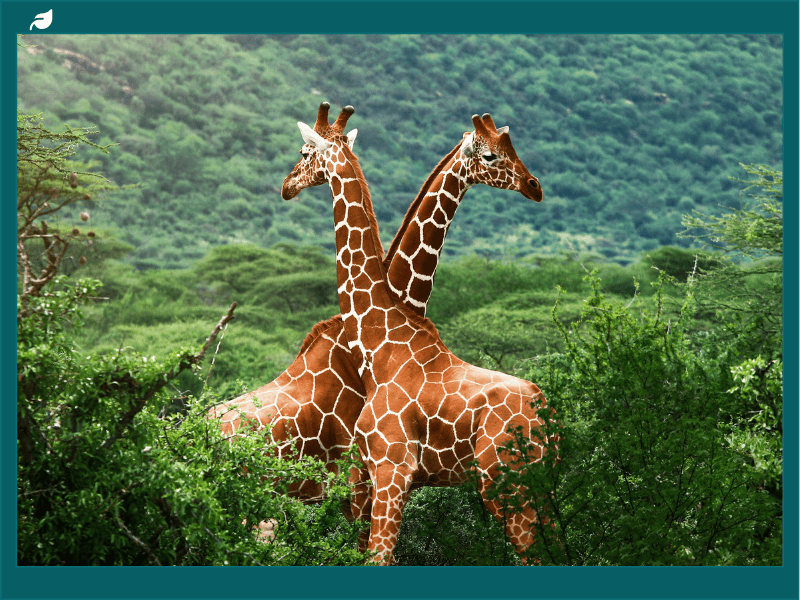
Wildlife plays a visible role in this discussion. Species that shape ecosystems reveal how environmental decline affects the landscapes people depend on. The giraffe offers a clear example. Population declines across parts of Africa reflect broader pressures, including habitat loss, land conversion, and expanding human development.
Biodiversity Loss as a Global Sustainability Challenge
Biodiversity loss now ranks among the most pressing environmental challenges worldwide. Forest clearing, agricultural expansion, and infrastructure development continue to reshape ecosystems and reduce wildlife populations across many regions.
Healthy ecosystems provide critical services. They regulate climate, support food systems, maintain soil fertility, and sustain water cycles. Declining biodiversity weakens these systems and reduces their ability to support both wildlife and human communities.
Global institutions increasingly treat biodiversity loss as a systemic risk. Organizations like the United Nations and the World Economic Forum highlight how ecosystem degradation can affect environmental stability and long-term economic resilience.
Ecological Role of Giraffes in African Landscapes
Giraffes influence the structure and health of the savanna ecosystems where they live. As browsers, they feed primarily on leaves from tall trees such as acacias. This feeding behavior helps regulate vegetation growth and prevents certain tree species from dominating the landscape.
Their movement across large territories also supports plant diversity. Seeds consumed during feeding can travel long distances before being dispersed, allowing vegetation to spread across wide areas of the savanna. This process contributes to the regeneration of plant communities that sustain other wildlife.
The presence of giraffes can therefore shape entire ecological systems. Balanced vegetation supports a variety of herbivores, which in turn sustain predators and other species within the food web. When giraffe populations decline, these ecological relationships can shift in ways that affect the stability of the broader ecosystem.
Land Use, Development, and Habitat Fragmentation
Land use across many parts of Africa has changed rapidly in recent decades. Agricultural expansion, infrastructure projects, and growing settlements continue to transform landscapes that once supported a wide range of wildlife.
These changes fragment giraffe habitats. Roads, farms, and fenced land divide ecosystems into smaller patches, limiting wildlife movement across traditional ranges. Giraffes rely on large territories to access feeding areas and maintain genetic diversity within populations.
Habitat fragmentation can isolate giraffe groups in separate pockets of land. Smaller populations face greater risks when movement between habitats becomes difficult. Reduced connectivity also makes it harder for wildlife to adapt to environmental changes such as drought or shifting vegetation patterns.
Sustainable land management, therefore, plays an important role in giraffe conservation. Development strategies that preserve wildlife corridors and maintain natural habitats help protect biodiversity while supporting long-term environmental stability.
Conservation, Communities, and Sustainable Development
Conservation strategies increasingly recognize the role of local communities in protecting wildlife. Many giraffe habitats lie near villages and agricultural land where people rely on natural resources for their livelihoods. Long-term conservation success often depends on cooperation between conservation groups and these communities.
Community-based initiatives help create incentives to protect wildlife while supporting local development. Programs linked to conservation areas can generate income through employment, sustainable tourism, and wildlife monitoring efforts. These opportunities can strengthen support for protecting natural habitats and the species that depend on them.
Such partnerships also promote more balanced land use. Community involvement in conservation planning can help maintain wildlife corridors, reduce conflicts with farmers, and encourage practices that protect ecosystems. These efforts show how biodiversity protection and sustainable development can reinforce one another rather than compete for space and resources.
Targeted Conservation and Wildlife Rescue Efforts
Conservation programs sometimes require direct intervention when giraffes face immediate threats such as habitat destruction, injury, or isolation from viable populations. Wildlife authorities and conservation teams may carry out rescue operations to relocate giraffes from dangerous environments to protected reserves where they have a better chance of survival.
These efforts demand careful planning and coordination. Veterinary teams assess the health of animals before relocation, while conservation specialists identify suitable habitats where giraffes can integrate into existing populations. Transporting such large animals also requires specialized equipment and trained personnel.
Initiatives such as emergency giraffe rescue in South Africa illustrate how targeted conservation responses can protect vulnerable animals while strengthening long-term population recovery. Rescue and relocation projects not only save individual giraffes but also support broader efforts to restore stable populations within protected ecosystems.
A Shared Responsibility for Biodiversity
Protecting giraffes reflects a broader commitment to safeguarding biodiversity and maintaining stable ecosystems. Species conservation and sustainability goals increasingly intersect as governments, conservation groups, and development planners recognize the importance of healthy natural systems.
Efforts to protect giraffes often involve habitat conservation, responsible land use, and collaboration with local communities. These strategies support wildlife while also promoting environmental stability across the landscapes where giraffes live.
Global sustainability initiatives continue to emphasize the importance of biodiversity protection alongside climate action and economic development. Safeguarding species such as giraffes helps preserve ecosystems that support both nature and human societies over the long term.