Deforestation is a serious environmental issue that disrupts ecosystems around the world. When large areas of trees are removed, it harms wildlife, affects the climate, and impacts people. Forests help absorb carbon dioxide, control weather, and support many different species. Losing these habitats speeds up climate change and puts many species at risk. Deforestation disrupts water cycles and reduces soil fertility. Learning about these problems is important for finding sustainable solutions and protecting our planet.

What is Deforestation?
Deforestation means removing large areas of trees and forest cover, often leading to the permanent loss of these natural areas. It’s more than just cutting down trees; it causes big changes that affect whole ecosystems.
As deforestation increases, it threatens biodiversity and destroys habitats for many species. Rainforests like the Amazon are especially at risk because their unique ecosystems are being damaged quickly. Knowing how deforestation affects these areas is important for tackling climate change and protecting our natural resources.
| Aspect of Deforestation | Effects on Ecosystems | Consequences for Planet |
| Loss of Biodiversity | Disruption of habitats | Decreased species diversity |
| Soil Degradation | Loss of fertile topsoil | Reduced agricultural productivity |
| Altered Water Cycles | Changed precipitation patterns | Increased risk of drought and flooding |
| Increased Carbon Emissions | Release of stored carbon | Acceleration of climate change |
This table encapsulates the critical aspects of deforestation and their broad implications for ecosystems and global ecological balance.
Understanding the Impacts on Ecosystems
The impacts of deforestation on ecosystems are profound and far-reaching, altering the very fabric of the natural world. When forests are cleared, the immediate loss of trees leads to habitat loss, critically affecting the animals and wildlife that depend on these environments for survival.
As trees are felled, species that have thrived in these habitats for millennia are pushed to the brink of extinction, with biodiversity facing an unprecedented threat. This biodiversity loss destabilizes ecosystems, as every species plays a unique role in maintaining ecological balance.
Rainforests, like the Amazon rainforest, are particularly affected. Known for their immense biodiversity and complex ecosystems, these forests house countless species and provide critical ecosystem services, such as carbon sequestration, which helps combat climate change.
The clearing of rainforests significantly disrupts these roles, accelerating global warming and exacerbating climate change effects. Furthermore, the destruction of these forests leads to soil erosion. Trees play an integral part in anchoring soil, and without them, the land becomes susceptible to erosion, reducing its fertility and leading to the degradation of land resources.
This, in turn, affects the local communities that rely on these ecosystems for livelihoods and subsistence farming. Ultimately, understanding deforestation is essential to appreciating the need for sustainable practices.
By recognizing the intricate link between forests, biodiversity, and climate stability, efforts to mitigate forest loss can be more effectively targeted. Preserving what remains of these vital ecosystems not only protects wildlife and species but also ensures the health of our planet for future generations.
Consequences of Deforestation
- Decrease in natural water filtration due to reduced forest cover
- Increased greenhouse gas emissions resulting from burning or rotting wood
- Loss of medicinal plants found exclusively in forest environments
- Displacement of indigenous communities reliant on forest ecosystems
- Reduction in global oxygen levels as fewer trees produce less oxygen
- Elevated risk of natural disasters like floods and landslides
These insights highlight the intricate connections within ecosystems and the crucial role forests play in environmental stability.
Causes of Deforestation
Learning about why deforestation happens helps us understand what drives the loss of forests worldwide. The main reasons are expanding agriculture, growing cities, and logging.
These activities are especially harmful to rainforests like the Amazon, where large areas are cleared for farming or resources. This destroys habitats, threatens many species, disrupts climate patterns, and damages soil. By looking at these causes, we can find better ways to protect forests.
Factors Driving Deforestation Rates
Many things cause deforestation, and they all affect the environment in different ways. The biggest reason is expanding agriculture, especially in rainforests like the Amazon.
Large areas are cleared to grow crops like palm oil, soy, and to raise cattle. This not only removes trees but also forces animals out of their habitats. Without trees, soil erodes and becomes less fertile, which hurts local farmers.
Logging, both legal and illegal, also removes huge numbers of trees, often faster than forests can recover. As cities grow, more forest land is cleared for buildings and roads. Mining for minerals also destroys forests and pollutes water.
All these activities make it harder to protect forests. To stop deforestation, we need to understand these causes and find better, more sustainable solutions.

The Role of Climate Change in Deforestation
Climate change is a major factor in the rising rates of deforestation around the world. As the planet gets warmer, forests—especially tropical ones like the Amazon—are thrown out of balance. More forest fires and droughts make deforestation worse. This harms both the climate and the habitats within these forests. Knowing how climate change and deforestation are connected shows why we need strong conservation and forest management efforts.
How Deforestation Accelerates Climate Change
Deforestation hastens climate change by disrupting the natural balance of carbon stored in forests. When trees are cleared, the carbon they store is released into the atmosphere as carbon dioxide, a greenhouse gas, exacerbating global warming. This release occurs on a significant scale in regions such as the Amazon rainforest, a crucial carbon sink that regulates the planet’s climate.
The removal of these vital forests reduces the Earth’s capacity to sequester carbon, thereby intensifying the greenhouse effect and leading to a rise in global temperatures. Furthermore, the destruction of tropical forests impacts the environment and its inhabitants by altering local climate patterns. It increases the frequency and severity of droughts, which makes the regrowth of trees more difficult.
Consequently, the land becomes more susceptible to further erosion and degradation, reducing its capacity to support biodiversity and perpetuating a cycle of habitat loss. Increased land use change, a key driver of deforestation, often results in the clearing of forested areas for agriculture, contributing to habitat loss and climate change.
This not only destroys local ecosystems but also shifts the delicate balance of the global climate system. The accelerated removal of forests for agriculture and urbanization particularly endangers rainforests, ecosystems that are vital in absorbing carbon dioxide. The delicate interplay between deforestation and climate further stresses the importance of innovative solutions and effective policy measures to curb forest destruction. These measures can mitigate the adverse effects of deforestation on climate change, demonstrating the urgency of global efforts to combat this environmental crisis and preserve our natural environment.
Impact on Biodiversity
The depletion of forests significantly impacts biodiversity, threatening countless species and destabilizing ecosystems. Deforestation leads to habitat loss, particularly in biodiversity hotspots like rainforests.
These regions sustain numerous species that rely on trees and forest ecosystems for survival. The forest loss not only endangers the local wildlife but also affects the global ecological balance.
With rainforests like the Amazon rainforest facing rampant destruction, the negative consequences extend beyond immediate habitat concerns. This affects climate stability and biodiversity preservation efforts worldwide.
Threats to Endangered Species
Deforestation poses a profound threat to endangered species globally, as it directly leads to habitat destruction. When rainforests are cleared, the ecosystems that support a vast array of flora and fauna are irreparably damaged.
The loss of trees and degradation of these habitats result in a decrease in biodiversity, pushing numerous animal species closer to extinction. These forests act as critical sanctuaries for wildlife, providing shelter, food, and breeding grounds that are essential for maintaining their populations.
As forest loss continues, these areas become fragmented, isolating species and preventing them from accessing the resources they need to thrive.
The impact of deforestation on biodiversity is particularly pronounced in the Amazon rainforest, often referred to as the “lungs of our planet.” The destruction of this rich ecosystem not only endangers countless species but also disrupts global biodiversity.
The Amazon is home to a plethora of unique plant and animal species, many of which are not found anywhere else on Earth. The continued destruction of this tropical habitat leads to the irreversible loss of these irreplaceable species, posing a significant challenge to conservation efforts.
Moreover, the encroachment of human activities into these pristine areas exacerbates the situation. Activities such as agriculture, logging, and mining not only lead to forest destruction but also bring invasive species into these habitats, further disrupting the ecological balance.
Protecting these endangered species requires concerted efforts and the implementation of sustainable practices that prioritize the preservation of existing habitats. By addressing these threats, we can help ensure that the intricate tapestry of life that thrives in the world’s rainforests is preserved for future generations.
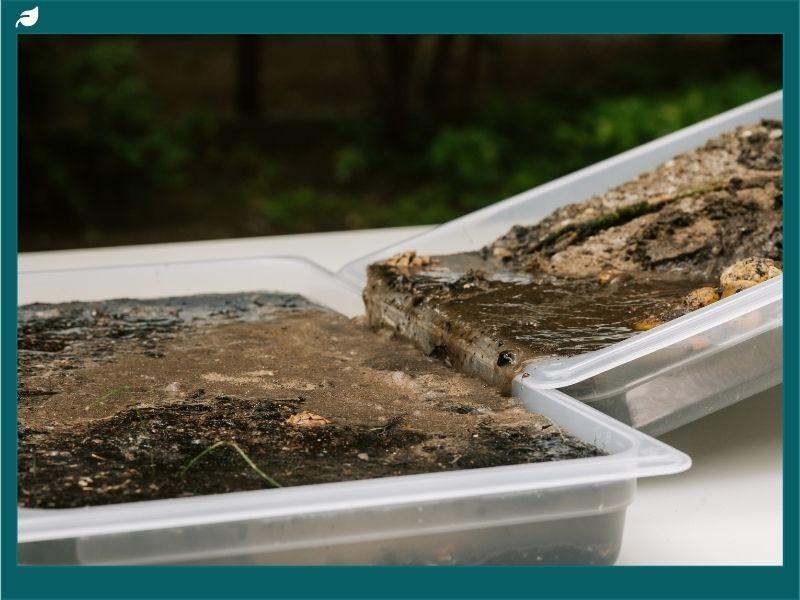
Effects on Soil and Water Systems
Deforestation has a big effect on soil and water systems, which hurts the environment. When trees are removed, the soil loses stability and water cycles are disrupted.
This leads to more soil erosion and changes in how water moves through the area. As deforestation continues, it makes climate change worse and puts more species at risk. Knowing how these systems are connected shows why we need strong conservation efforts.
Link Between Deforestation and Soil Erosion
The detrimental link between deforestation and soil erosion is a pressing concern for environmentalists and ecologists alike. Once lush areas of forest are cleared for agriculture, urban development, or logging, a cascade of problems begins for the land.
Forests play a crucial role in anchoring the soil with their root systems, reducing the risk of erosion significantly. Without trees, the topsoil, which is the most nutrient-rich layer, is left unprotected. Exposed to the elements, this topsoil can be quickly swept away by wind and rain, leading to soil erosion.
This process not only depletes the land of vital nutrients but also decreases its fertility. It makes it harder for any vegetation to grow back, which feeds into a vicious cycle of land degradation.
Moreover, soil erosion exacerbated by deforestation can have severe repercussions for water systems. As soil is washed away, it often ends up in rivers and streams, contributing to sedimentation.
This sedimentation disrupts aquatic systems, affecting water quality and harming aquatic life. Increased sediment in water bodies can lead to the clogging of waterways, disrupting the natural flow and potentially leading to water scarcity in areas that rely on these resources for drinking and agriculture.
Additionally, soil erosion furthers the imbalance of natural water systems. Forests are integral to maintaining the hydrological cycle, ensuring the replenishment of aquifers and the regulation of water flow.
The implications of deforestation on soil stability and water systems are profound, extending beyond immediate environmental concerns to affect local communities and economies. With the reduction of fertile land, communities face challenges in agriculture, while the degradation of water quality impacts human health and biodiversity.
Addressing the link between deforestation, soil erosion, and water systems is crucial in maintaining environmental stability and promoting sustainable development. Through reforestation efforts and sustainable land use practices, it’s possible to reverse these adverse effects and restore the natural balance of ecosystems.
Social and Economic Consequences
Deforestation affects more than just the environment—it also has serious social and economic impacts. When forests are removed, important resources are lost, which hurts both local communities and the global economy.
Clearing forests changes how people live and work, especially for indigenous groups. Looking at these effects helps us understand the full consequences of losing forests.
Examining the Loss of Forest Resources
Forests are an invaluable resource, supporting countless industries and livelihoods while serving as a cultural and economic cornerstone for many communities. When trees are cleared, the immediate consequence is the depletion of these vital forest resources, which jeopardizes traditional ways of living and the sustainability of local economies.
Indigenous populations, who have relied on forests for generations, face displacement as their ancestral lands are exploited for short-term economic gains. This destruction of trees not only results in habitat loss but also erodes the very foundation of socio-economic stability for these communities. These changes reinforce cycles of poverty and social disruption.
The global economy, too, feels the repercussions. Forests contribute significantly through timber, non-timber products, and ecosystem services like carbon storage and water filtration.
Clearing these resources undermines potential revenue streams and threatens industries reliant on sustainable forest management. Furthermore, the economic consequences of deforestation are magnified by habitat destruction, particularly in tropical regions. As tropical forest loss accelerates, the biodiversity that sustains ecological tourism dissipates, leading to diminished economic opportunities.
This intricate web of social and economic consequences extends to developed regions where there’s increasing awareness of the intertwined fates of global markets and natural resources. As large tracts of forested land are transformed into agricultural fields or urban settlements, the long-term costs often outweigh the immediate economic benefits.
Strategies focusing solely on the economic exploitation of land resources overlook the intrinsic cultural and ecological values that forests provide. Hence, understanding and addressing the multifaceted social and economic consequences of deforestation is crucial for creating policies that balance human needs with environmental conservation, ensuring resilient societies and economies.
Efforts to Combat Deforestation
As we see more clearly how deforestation harms biodiversity and the climate, efforts to stop it have become more urgent. New solutions and strong policies are needed to protect our forests. These strategies aim to stop further destruction, restore cleared areas, and encourage sustainable practices. Global commitment to forest conservation is key to reversing deforestation trends.
Innovative Solutions and Policies
Addressing deforestation, a pressing environmental challenge, requires a multi-faceted approach using both innovative solutions and well-crafted policies. One of the most promising innovations is the development of satellite technology, which allows for real-time monitoring of forests.
This technology enables quick responses to illegal logging activities, helping curb unauthorized forest clearing. By providing precise data on forest cover, these tools enhance conservation efforts and enable authorities to allocate resources more effectively. These advances aid in the combat against unchecked deforestation.
On the policy front, the introduction of carbon credits and emissions trading schemes encourages companies to invest in forest conservation. These policies not only contribute to carbon sequestration efforts but also incentivize businesses to adopt sustainable practices.
Countries are increasingly implementing national policies that mandate reforestation of cleared areas, ensuring that the forest ecosystems can regenerate and continue to provide their essential services. Such policies are crucial in mediating the effects of agriculture, logging, and urban development on forest resources.
Furthermore, community-led initiatives have gained traction as effective forest conservation tools. Empowering local populations to manage and protect their forest resources fosters stewardship and generates socio-economic benefits for these communities.
Many organizations are working directly with indigenous groups, whose traditional knowledge and practices have long served as models of sustainable forest management. Educational programs and financial support for these communities ensure that forest conservation becomes a sustainable livelihood option rather than a short-term burden.
Overall, the intertwining of cutting-edge solutions and comprehensive policies creates a robust framework for combating deforestation. By embracing innovation in both technology and policy, global efforts can more effectively preserve our forests, ensuring they remain a resilient resource for the environment and future generations.
This holistic approach not only addresses the immediate threats facing the world’s forests but also secures their role in maintaining global ecological balance.
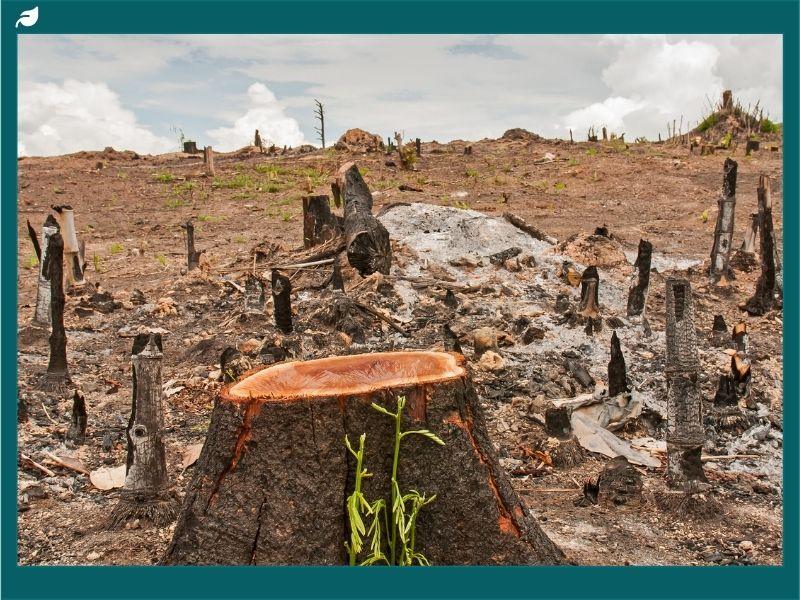
How Individuals Can Help
As deforestation becomes a bigger problem, individuals play an important role in protecting forests. People can help preserve biodiversity and fight habitat loss by working together and making changes in their daily lives. By learning about practical steps, everyone can see how they can make a real difference, like planting trees, choosing sustainable products, and supporting conservation efforts.
Practical Steps for Forest Conservation
Engaging in forest conservation doesn’t require sweeping policy changes or large-scale interventions. Individuals can take effective practical steps that collectively have a significant impact. One of the most direct actions you can take is participating in local tree planting initiatives. Planting trees helps restore habitats, increase biodiversity, and mitigate the effects of climate change by absorbing carbon dioxide from the atmosphere. By getting involved with community groups or non-profits focused on reforestation, you can directly contribute to reversing the damage caused by deforestation.
In addition to physical involvement, individuals can support forest conservation through conscious consumer choices. Opting for products that use certified sustainable resources helps reduce demand for goods contributing to deforestation. Certifications like the Forest Stewardship Council (FSC) provide assurance that the timber and paper products originate from responsibly managed forests. Furthermore, reducing consumption of commodities linked to deforestation, such as palm oil and beef, can decrease pressure on vulnerable forested areas. This helps protect these vital ecosystems from being cleared.
Advocacy plays a crucial role in forest conservation efforts. Individuals can amplify their impact by supporting legislation and policies aimed at conservation. This might involve advocating for stronger protection laws or supporting initiatives that incentivize the sustainable use of forest resources. Campaigning against illegal logging practices also contributes. By raising awareness about deforestation issues and participating in discussions, individuals can encourage policymakers to prioritize environmental sustainability and conservation efforts.
Collectively, these actions can significantly lessen the impacts of deforestation. When individuals commit to small, everyday actions, the cumulative effect can lead to substantial systemic change. It’s about recognizing the power of personal responsibility and leveraging it to protect our environment. This ensures forests remain vital habitats that support biodiversity and climate stability for future generations.
Future of Forest Conservation
The future of forest conservation looks hopeful thanks to new strategies and technologies. As we face the challenges of deforestation, these advances give us better ways to protect forests and biodiversity. Tools like satellite monitoring and eco-friendly resource management are becoming more important for fighting climate change. Using innovation helps us care for habitats, save resources, and balance human needs with the environment.
Emerging Strategies and Technologies
In the realm of forest conservation, emerging strategies and technologies are revolutionizing the way we approach environmental sustainability. Central to these advancements are innovative monitoring systems that utilize satellite imagery to provide real-time data on forest conditions. This technological innovation enables researchers and policymakers to detect changes in forest cover, track illegal logging activities, and assess the overall health of forest ecosystems. By harnessing this data, conservation efforts can be more targeted and efficient. This ensures resources are allocated where they’re needed most to preserve biodiversity and mitigate the adverse effects of climate change.
Beyond monitoring, the implementation of precision agriculture and eco-friendly forestry practices is gaining momentum. These methods focus on utilizing advanced technologies to maximize resource efficiency, reducing the environmental footprint of agricultural and logging activities. For instance, drones equipped with sensors can monitor crop health and optimize irrigation, ensuring sustainable land use that complements forest conservation efforts. Similarly, eco-friendly logging techniques, such as selective logging and reduced-impact logging, aim to minimize habitat destruction. These practices help preserve critical ecosystems while still meeting human resource needs.
Public-private partnerships are playing a vital role in advancing forest conservation technologies. By fostering collaboration between governments, NGOs, and private enterprises, these partnerships are driving innovation and investment in sustainable forest management. Programs like reforestation initiatives and carbon-offset schemes are being supported through such collaborations. These provide financial incentives for businesses to adopt forest-friendly practices. These strategies not only contribute to the global fight against deforestation but also promote the sustainable use of forest resources, emphasizing a harmonious balance between ecological preservation and economic development.
Ultimately, the future of forest conservation hinges on a commitment to innovation, collaborative efforts, and the strategic use of technology. By continuously exploring new ways to integrate these elements into our conservation strategies, we can better protect the remaining forest landscapes. This ensures their resilience and vitality for future generations. The integration of cutting-edge technologies with traditional conservation methods represents a transformative approach to preserving the planet’s vital ecosystems amidst the growing challenges of climate change and habitat loss.
Protecting forests is essential for keeping the planet’s biodiversity, controlling the climate, and supporting people around the world. Forests store carbon, provide homes for many species, and offer important services that help life thrive. If deforestation continues, these benefits are lost, making it harder to fight climate change and protect wildlife. By learning about the effects of deforestation, we can work together to use sustainable practices and save these valuable resources for the future.