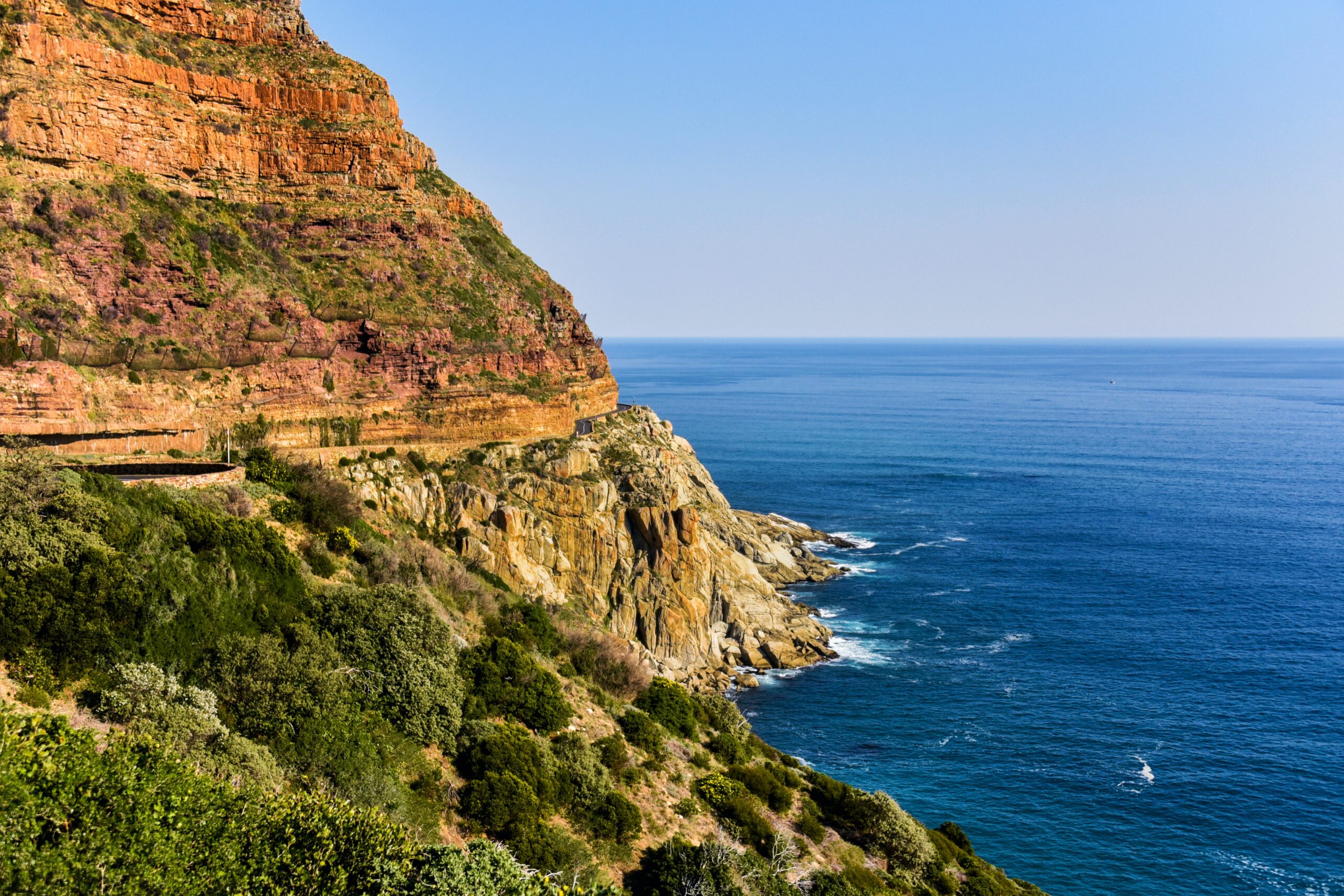
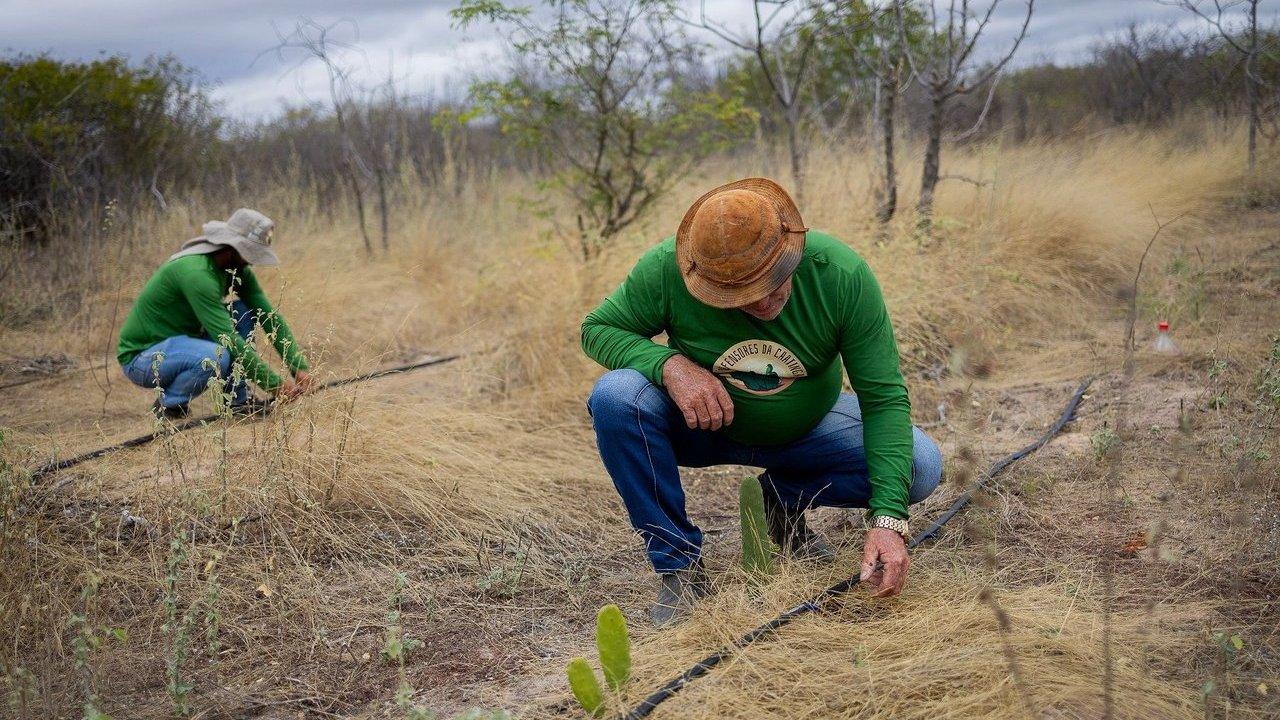
The difference between conservation and preservation lies in how each philosophy approaches the relationship between humans and the natural world. Conservation promotes the sustainable use of natural resources—such as forests, water, and wildlife—to support human life while maintaining ecological balance. This approach allows for regulated activities like eco-tourism, sustainable logging, and controlled wildlife management, ensuring these resources remain available for future generations.
Preservation, in contrast, seeks to protect the natural environment from human impact entirely. It emphasizes the intrinsic value of nature, advocating for the protection of natural habitats, cultural sites, and wildlife from any form of development or resource extraction. Areas under preservation are often left in their original state, such as wilderness areas or national monuments with historical significance.
Both conservation and preservation aim to protect the environment but do so through very different methods—one through responsible use, the other through strict protection from human interference.

Key Differences in Philosophy
Conservation and preservation share a common goal—protecting the natural environment—but differ in their fundamental beliefs about how this should be achieved. Conservation sgiffordupports the idea that nature should be used wisely and responsibly. It promotes regulated access to natural resources so that they continue to serve both current and future generations. Conservationists believe human interaction with nature is acceptable, even beneficial, when carefully managed. This approach often includes practices like sustainable forestry, controlled burns, and eco-tourism.
Preservation, however, views nature as something that should remain untouched by humans. It emphasizes the intrinsic value of the natural world, independent of any economic or utilitarian purpose. Preservationists argue that some areas of land and species should be protected from all forms of human interference, development, or exploitation. This philosophy is rooted in the belief that certain environments are too valuable—ecologically, culturally, or aesthetically—to be altered by human hands.
While conservation is often seen as a practical, compromise-based solution, preservation tends to reflect a more idealistic or ethical stance. Both philosophies play important roles in shaping environmental policy, public land use, and the protection of natural resources, including natural habitats, endangered species, and historic sites.

Historical Context and Figures
The debate between conservation and preservation gained traction in the late 1800s and early 20th century as the United States faced rapid industrialization and westward expansion. These environmental movements were shaped by two central figures: Gifford Pinchot and John Muir.
Gifford Pinchot, a professional conservator and the first chief of the U.S. Forest Service, promoted the philosophy of environmental conservation. He believed in the responsible, long-term use of public lands, such as national forests, for timber, water, and other renewable resources. His policies aimed to manage acres of land for sustainable forestry and human benefit while maintaining ecological balance.
John Muir, a nature preservationist and founder of the Sierra Club, advocated for environmental preservation. He viewed wild areas as sacred spaces that should be protected from human activity and development. His efforts contributed to the setting aside of areas of land like Yosemite National Park as protected natural areas, free from roads, logging, or extractive industries.
Their differing views laid the groundwork for modern natural resource management. Pinchot’s conservation philosophy focused on proper use of nature for human life, while Muir’s efforts emphasized the intrinsic value and historical significance of preserving the natural world in its original state.
Applications in Public Lands
Public lands in the United States serve as key examples of how conservation and preservation are applied in practice. The National Park Service (NPS) often balances both philosophies by allowing recreational use in some areas while maintaining strict protection in others. For example, Yosemite National Park offers scenic roads, campgrounds, and visitor centers that support conservation-focused tourism, while preserving large sections of wilderness where no development or mechanized travel is allowed.
National forests, overseen by the U.S. Forest Service, are typically managed under a conservation model. They permit logging, mining, and grazing, but these activities are regulated to ensure sustainability and minimal long-term environmental damage. The goal is to use natural resources while still protecting ecosystem health.
In contrast, preservation is prioritized in designated wilderness areas, marine sanctuaries, and some national monuments. These lands restrict most human activity to maintain ecological integrity. Preservation policies often prohibit road construction, motorized vehicles, or infrastructure development to ensure that the land remains in its natural state.
This dual approach allows different regions to serve diverse purposes, from resource extraction to untouched wilderness, illustrating the practical coexistence of both philosophies on public land.

Human Impact and Environmental Movements
Human activity continues to be one of the most significant forces shaping the environment. As cities expand, populations grow, and industrial practices intensify, ecosystems are increasingly disrupted. This has led to widespread habitat destruction, pollution, species extinction, and climate change. Conservation and preservation offer two different yet complementary strategies for addressing these challenges.
Conservationists advocate for responsible resource use, recognizing that human survival depends on nature’s services—clean air, fresh water, fertile soil. Strategies include sustainable agriculture, renewable energy, and regulated hunting or fishing. These practices aim to balance human development with ecological stability.
Preservationists, however, call for stronger protections to shield untouched landscapes from irreversible damage. They emphasize leaving areas completely free from exploitation, particularly those with high biodiversity, cultural resources, or fragile ecosystems. Movements to halt deforestation, establish marine reserves, and save endangered species often stem from preservationist ideals.
Modern environmental activism frequently merges both perspectives. Initiatives like reforestation, pollution reduction, and wildlife corridors are rooted in conservation, while strict wilderness designations and campaigns to block oil drilling reflect preservation. Together, these movements highlight the urgent need to re-evaluate how human activity affects the planet—and how best to protect it for future generations.
Practical Examples
- Conservation: Sustainable logging in certified forests, using topographic maps to plan minimal-impact access roads, and controlled burns to manage forest health.
- Preservation: Banning road construction in the Arctic National Wildlife Refuge, maintaining cultural and historical sites in their original state, and protecting grizzly bear habitats from all human development.
Why It Matters
Recognizing the distinction between conservation and preservation helps guide environmental decisions. Conservation encourages sustainable use of resources, supporting economic and human needs without exhausting natural systems. Preservation ensures that ecologically and culturally significant areas remain untouched, protecting their integrity for future generations. Both philosophies offer valuable insights for managing national parks, forests, wildlife conservation areas, and open space. As environmental challenges intensify—such as climate change, habitat destruction, and biodiversity loss—balancing the practical benefits of conservation with the moral imperatives of preservation becomes increasingly important. Understanding both approaches equips us to better protect the planet’s natural and cultural heritage.