A clear understanding of the kilowatt (kW) is essential for those concerned with energy consumption and efficiency. The kilowatt is a unit of power that quantifies the rate at which energy is used or generated, commonly appearing on electricity bills and representing 1,000 watts of electrical power.
Closely related is the kilowatt-hour (kWh), which denotes the amount of energy consumed over time, specifically one kilowatt of power sustained for one hour. Mastery of these terms is fundamental for effective energy management and informed decision-making regarding consumption.

Understanding the Basics of a Kilowatt
The kilowatt (kW) serves as a fundamental unit for understanding electrical power and energy efficiency. In contemporary energy-conscious contexts, recognizing the function of these units within electrical systems is vital.
A kilowatt quantifies the rate of energy transfer in electric circuits and is integral to electricity usage and billing. Examining the significance of kilowatts provides insight into their impact on daily energy consumption and their role in advancing sustainable energy initiatives.
What is a Kilowatt (kW)?
The kilowatt (kW), equal to 1,000 watts, is a unit of power that indicates the rate at which energy is used or produced. Power, defined as the rate of energy transfer, is fundamental to the operation of electrical appliances.
The kilowatt provides a standardized measurement for electricity consumption in both residential and commercial settings. Appliances are typically rated in watts, and when their combined wattages exceed 1,000, kilowatts offer a more concise representation of power usage.
This measurement is directly linked to electricity costs, influencing monthly bills and energy budgeting. Understanding kilowatts enables consumers to interpret energy consumption patterns and make informed choices, such as selecting energy-efficient appliances based on their power ratings.
Kilowatts also play a significant role in energy management and policy, as providers use this unit to set usage limits and encourage responsible consumption. Optimizing kilowatt usage through efficient technologies can substantially reduce carbon emissions, supporting global sustainability efforts.
For businesses, recognizing the importance of kilowatt measurements is essential for reducing operational costs and promoting ecological responsibility. Ultimately, integrating knowledge of kilowatts into practical strategies advances both environmental and economic objectives.
The Role of Kilowatts in Electricity
Kilowatts are fundamental in measuring electrical power and efficiency, serving as a benchmark for determining the electricity required by appliances and for managing power distribution across electrical grids. By quantifying the power needs or output of devices, kilowatts facilitate effective energy management at every stage, from generation to consumption.
In electricity generation, kilowatts are used to assess the capacity and efficiency of power plants, which are often rated in kilowatts or megawatts. This standardization enables power suppliers to balance supply and demand, preventing grid strain and energy waste.
Kilowatts also influence electricity pricing, as bills are typically based on kilowatt-hour consumption. Reducing kilowatt usage through energy-efficient appliances and practices can significantly lower electricity costs and environmental impact.
This understanding informs energy policies and sustainable practices, as efforts to minimize kilowatt consumption support both cost savings and ecological goals. Optimizing kilowatt usage is central to sustainable business practices and the broader transition toward reduced carbon emissions.
Thus, kilowatts are essential for interpreting and managing electricity, linking sustainability with economic efficiency.
These points highlight how kilowatts are central to both practical energy management and global sustainability initiatives.
- Kilowatts measure electric car energy consumption, influencing vehicle design and efficiency.
- Efficient kilowatt management in grids reduces blackout risks, enhancing reliability.
- Smart homes optimize kilowatt use through automated appliance control.
- Renewable energy’s kilowatt capacity impacts grid integration strategies.
- Energy-efficient appliances lower kilowatt consumption, cutting costs and emissions.
- Understanding kilowatts aids investment in sustainable energy projects.
- Proper kilowatt management brings long-term operational cost savings.
The Difference Between Kilowatt and Kilowatt Hour
Understanding how kilowatts (kW) differ from kilowatt-hours (kWh) is crucial in navigating electricity use and managing energy efficiently. While a kilowatt is a unit of power showing the rate at which energy is used, a kilowatt-hour measures energy consumption over time.
Distinguishing these units helps in calculating electricity costs, managing energy efficiently, and addressing common misconceptions around billing. This section explores the precise definitions of kilowatt hours and demystifies common confusions, providing clarity on how these units influence electricity costs and energy efficiency.
Defining Kilowatt Hours (kWh)
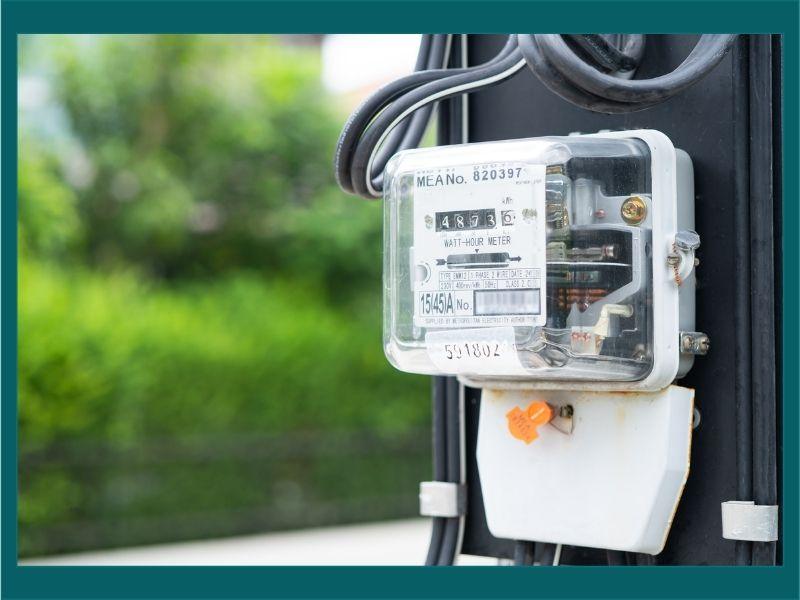
Kilowatt hours (kWh) serve as a crucial metric for determining energy consumption over time, which is fundamental for both residential and commercial electricity management. Unlike kilowatts, which quantify power, kilowatt hours measure the actual energy consumed by electrical appliances and systems.
To comprehend how consumption translates into electricity bills, it’s essential to understand that one kilowatt hour equates to using one kilowatt of power for one hour. This unit is integral in assessing how much energy a household or business uses, thus impacting the cost of electricity bills and energy budgeting strategies.
For instance, if a device rated at 1 kW operates for an hour, it will consume 1 kWh of energy, directly influencing the electricity bill based on the current rates. In practical terms, kWh is the basis for billing structures globally, facilitating a straightforward method for both providers and consumers to calculate charges based on measured usage.
Energy costs often stem directly from the kilowatt hours consumed over a billing cycle. A clear grasp of kWh helps in managing expenses by planning energy usage during off-peak times when electricity might be cheaper, therefore optimizing overall expenditure.
Moreover, understanding kilowatt hours empowers consumers to take actionable steps towards reducing energy consumption through intelligent appliance use and energy-efficient technologies that favor lower kWh, consequently lessening environmental impact. The broader implication of kilowatt hours extends into energy policy and the direction of sustainable initiatives.
Governments and energy bodies often advocate for reduced kWh consumption by encouraging the adoption of energy-efficient appliances and promoting awareness about electricity conservation. Lowering kWh usage is a pivotal aspect of addressing global environmental challenges, such as reducing carbon footprints and managing natural resources sustainably.
By focusing on efficient kWh management, both individual households and businesses contribute to overarching sustainability goals, ensuring economic viability and environmental stewardship. Understanding kilowatt hours is thus not only vital for cost management but also central to fostering a sustainable energy future.
To further enhance understanding and management of energy consumption, consider these actionable strategies for optimizing kilowatt hour usage:
- Invest in energy-efficient appliances to reduce overall kWh consumption.
- Regularly monitor electricity usage to identify high-consumption periods.
- Implement smart home technology to automate energy-saving measures.
- Utilize programmable thermostats to optimize heating and cooling times.
- Take advantage of natural light to reduce dependence on electric lighting.
- Encourage family or colleagues to participate in energy-saving practices.
- Schedule frequent maintenance checks on HVAC systems for optimal efficiency.
Adopting these strategies can significantly reduce energy bills and foster a more sustainable lifestyle.
Common Misconceptions About kW and kWh
Misunderstandings between kilowatts (kW) and kilowatt hours (kWh) often arise, impacting how consumers perceive electricity usage and billing. A prevalent misconception is assuming these terms are interchangeable, which can complicate electricity management and lead to challenges in efficient energy use.
A kilowatt, as a measure of power, denotes the rate of electricity consumption, while a kilowatt hour measures the total energy consumed over time. This fundamental discrepancy is key to understanding electricity bills and planning energy-saving strategies effectively.
Consumers may often confuse electrical ratings of appliances, for instance, mistaking a toaster’s kilowatt rating for its total energy consumption. This blurring of lines can lead to challenges in predicting energy costs since it doesn’t account for the duration of operation, which kWh does.
Another frequent misunderstanding comes from the perception that using a high-kW appliance entails equally high kWh usage, neglecting usage time as a critical factor. Clarifying these concepts helps alleviate confusion, allowing better energy management through informed appliance selection and operation.
Addressing these misconceptions is also critical from an educational standpoint. In wider energy literacy, differentiating between kW and kWh is foundational for effective energy conservation practices and budget management.
Schools, businesses, and energy providers are increasingly taking responsibility to educate stakeholders on these distinctions, promoting a more nuanced understanding of electricity consumption. Awareness programs and consumer guides stress the importance of both units, illustrating how they collectively play into electricity costs and sustainability efforts.
The impact of these misunderstandings on energy policy cannot be understated. Misinterpretations can hinder the momentum toward energy efficiency and sustainability if key users lack the necessary knowledge.
Clear communication strategies and educational initiatives are essential to demystify these concepts, encouraging actions like shifting to appliances with better energy ratings, thereby decreasing overall kWh consumption. By dispelling myths surrounding kW and kWh, stakeholders are better positioned to leverage this understanding towards enhanced energy management and sustainable practices, driving both environmental and economic benefits.
Why Energy Clarity Matters
In an era defined by increasing energy demands and the urgent need for sustainability, clarity regarding energy usage is more important than ever. Understanding concepts such as kilowatts and kilowatt-hours forms the backbone of intelligent energy management.
This clarity directly influences efficiency in energy consumption, enabling informed decisions on appliance use and electricity budgeting. Additionally, it helps in crafting policies that support sustainable energy practices.
As we delve into how these insights impact daily usage and broader energy strategies, it is evident that clear understanding is crucial for both consumers and policymakers striving for a more sustainable future.
Impacts on Energy Usage Efficiency
Energy usage efficiency is a cornerstone of modern energy strategies, underpinning both economic and environmental objectives. At the heart of enhancing this efficiency lies the comprehension of energy metrics like kilowatts and kilowatt-hours, which guide decisions from appliance selection to energy policy-making.
For instance, household appliances significantly contribute to energy consumption. By selecting appliances with lower energy consumption, homeowners can reduce their electricity bills, contributing to overall cost savings and environmental sustainability.
Understanding the roles of kilowatts (kW) and kilowatt-hours (kWh) is essential for optimizing this efficiency, significantly affecting how energy is managed and consumed. The impact of energy clarity extends beyond cost savings, shaping the development and implementation of energy policies across sectors.
Accurate measurement of energy usage with standard units such as kilowatts enables effective monitoring of both residential and commercial consumption. Energy providers use this data to establish usage standards and generate precise billing.
Selecting energy-efficient appliances, rated in watts or kilowatts, allows consumers to reduce energy usage, decrease overall demand, and alleviate strain on power grids. Furthermore, energy usage efficiency also translates into greater ecological benefits.
Lowering energy consumption reduces carbon emissions and mitigates environmental damage, addressing critical issues like climate change. Sustainable energy practices, strongly advocated by environmentally conscious industries and governments, hinge on reducing energy wastage and encouraging the use of appliances with optimal energy ratings.
This requires a precise understanding of how these kilowatts translate into kilowatt-hours, affecting both direct energy expenditures and broader sustainability impacts. Through efficiency, consumers not only achieve cost savings but also contribute positively to ecological preservation.
Battery technology advancements illustrate the tangible impacts of energy clarity on efficiency. Modern chargers and appliances, designed with energy conservation in mind, operate under optimized power usage conditions that account for electricity costs and consumption patterns.
This understanding drives innovation in creating gadgets and systems that maximize energy efficiency, using technology that minimizes losses and maximizes productivity. As these methods evolve, they become crucial in strategies for reducing energy reliance and transforming both personal and industrial energy use towards more sustainable paradigms.
Thus, the impact of energy clarity runs deeper than immediate savings, providing a framework for ongoing sustainability advancements in an increasingly power-conscious world.
By grasping the distinctions between kilowatts and kilowatt-hours, individuals and businesses can make informed decisions about energy usage and efficiency. Recognizing that kilowatts measure power and kilowatt-hours quantify energy consumption enables better assessment of electricity use.
This understanding not only aids in managing electricity costs effectively but also contributes to informed choices regarding energy-saving technologies and sustainable practices. As the world gravitates towards renewable energy solutions, familiarity with these concepts becomes essential for both reducing environmental impact and optimizing energy expenditure.
The knowledge equips consumers with the insights needed to navigate the complexities of modern energy consumption responsibly.