Image Source: Gemini
In the sustainable development sector, green buildings must serve as true beacons of environmental responsibility.
However, this commitment to ecological consciousness must extend beyond eco-friendly and energy-efficient materials and into the field of soil remediation; this necessary protocol ensures safe and healthy environments for future occupants (and the surrounding ecosystem) by removing all soil contaminants before construction.
Discover the significance of remediation in sustainable building practices.
Site Assessment and Planning
The first step is to lay the foundation for soil remediation. The first phase of this project is the assessment stage; this is also called an ESA, an Environmental Site Assessment.
This rigorous process starts with a thorough investigation into the history of the site. For example, historical research into past land uses is crucial for identifying previous activities, including:
- Industrial manufacturing
- Agricultural practices
- Waste disposal
A rigorous investigation can reveal whether such activities introduced contaminants into the soil. An inspection can uncover tell-tale signs of contamination like unusual odors, discolored soil, or stressed vegetation. Even interviews with current (or past) residents or site workers can unearth valuable evidence.
If there are any suspicions of contamination after an ESA assessment, the next step is to identify specific contaminants and assess their impact. This phase requires extensive soil testing to pinpoint specific pollutants, such as:
- Heavy metals like lead and arsenic
- Hydrocarbons from petroleum products
- Pesticides
- Volatile organic compounds (VOCs)
Soil remediation experts meticulously measure contaminant concentrations to determine the potential risks to human health, including:
- Direct contact
- Inhalation of vapors
- Groundwater contamination
- Impact on local flora and fauna
After a comprehensive assessment, a remediation team will set clear objectives. These goals must achieve regulatory compliance for local, state, and federal agencies. Remediation strategies must also restore the health and fertility of the soil, minimizing all risks.
Remediation Strategies
The next phase is to select and implement appropriate remediation techniques. Remediation teams assess contaminant types, soil characteristics, and site conditions to choose appropriate solutions.
For example, an in-situ (on-site) treatment plan treats the soil without excavation, leaving minimal disruption.
Another method is bioremediation. This strategy uses naturally occurring microorganisms to break down organic pollutants like petroleum hydrocarbons into harmless substances.
Phytoremediation uses specific types of plant species to absorb, stabilize, or even degrade contaminants. This method “cleans” the soil through biological processes.
If volatile organic compounds are present, a soil vapor extraction (SVE) method is required to vacuum airborne contaminants from unsaturated soil zones.
In-situ chemical oxidation (ISCO) and Reduction (ISCR) involve injecting chemical reagents directly into the contaminated soil, breaking down (or even transforming) hazardous substances into less toxic forms.
An ex-situ strategy, also known as an off-site treatment, is recommended when a site requires excavation and disposal of contaminated soil. These soils are transported and safely disposed of in a designated landfill.
Soil washing effectively separates contaminated soil particles, allowing safe, clean soil to be reused.
A thermal desorption method may be used for contaminants that can be volatilized. This process heats soil to high temperatures, turning pollutants into gas for collection and treatment.
After selecting the appropriate methods, a team will develop an action plan outlining:
- Specific steps
- Realistic timelines
- Clear responsibilities
- Robust monitoring protocols
Note: Green building projects must follow fundamental principles, using eco-friendly options whenever feasible. This includes reducing energy consumption and waste.
Ensuring Lasting Impact
Remediation requires continuous monitoring, including consistent testing of soil, groundwater, and air quality; this is required to assess the effectiveness of soil remediation. Taking a data-driven approach also allows for adjustments, ensuring (and proving) remediation goals are met.
Comprehensive evaluations measure remediation outcomes against the initial objectives. This includes post-remediation testing and impact assessments to confirm a site’s soil suitability for its intended use.
Green building projects foster long-term sustainability through monitoring programs that detect the re-emergence of soil contamination. Companies must also engage communities in proactive environmental stewardship. It’s important to explore any avenues for promoting sustainable land use post-remediation, including:
- The creation of vibrant green spaces
- Community gardens
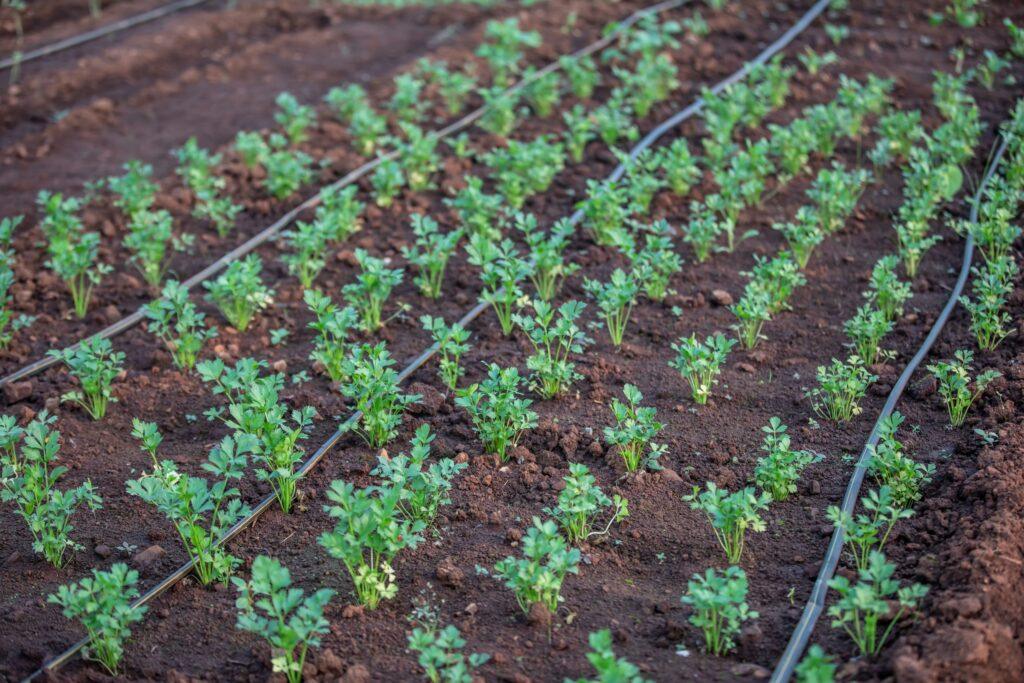
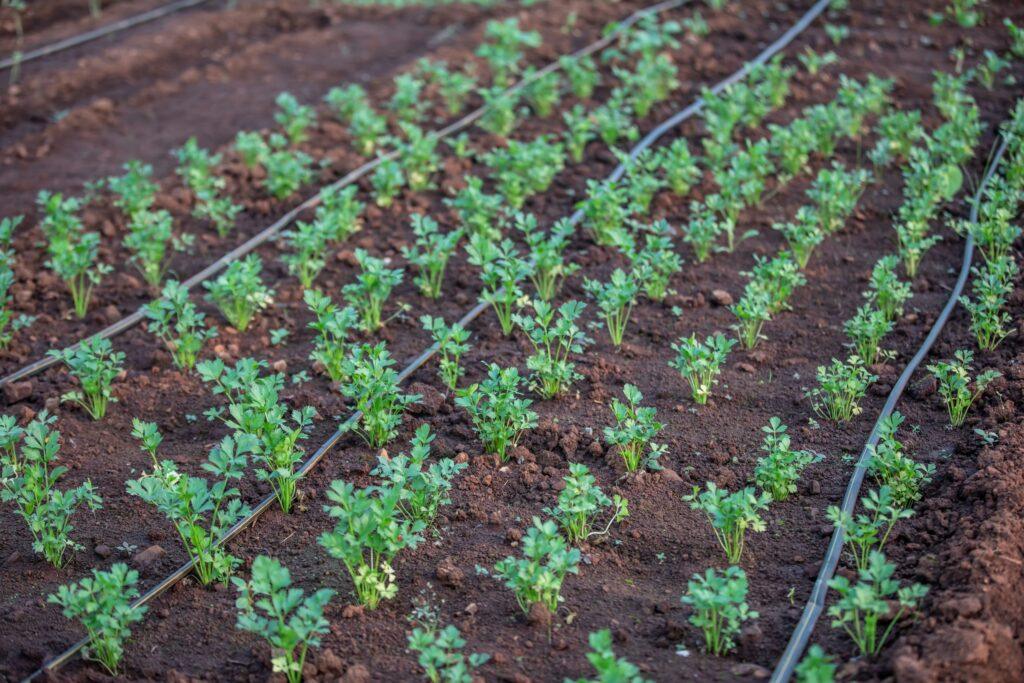
- Repurposing sites for ecological purposes
The above strategies demonstrate a holistic approach to environmental responsibility.
Taking Steps Toward a Greener Future
Green building projects may also earn a LEED certification; this stands for Energy and Environmental Design. Sites that are remediated (Brownfield sites) per EPA standards can earn LEED points for sustainable construction.
Adhering to all relevant regulatory compliance is non-negotiable in green building. Investors should also seek experienced environmental contractors and consultants. Specialized knowledge is an invaluable asset during the assessment, planning, and implementation phases of soil remediation.
Start Your Remediation Project
Through eco-friendly soil remediation, green building companies can transcend conventional construction to demonstrate profound environmental stewardship in local communities. This commitment safeguards public health, making a significant contribution to a more sustainable and resilient environment.