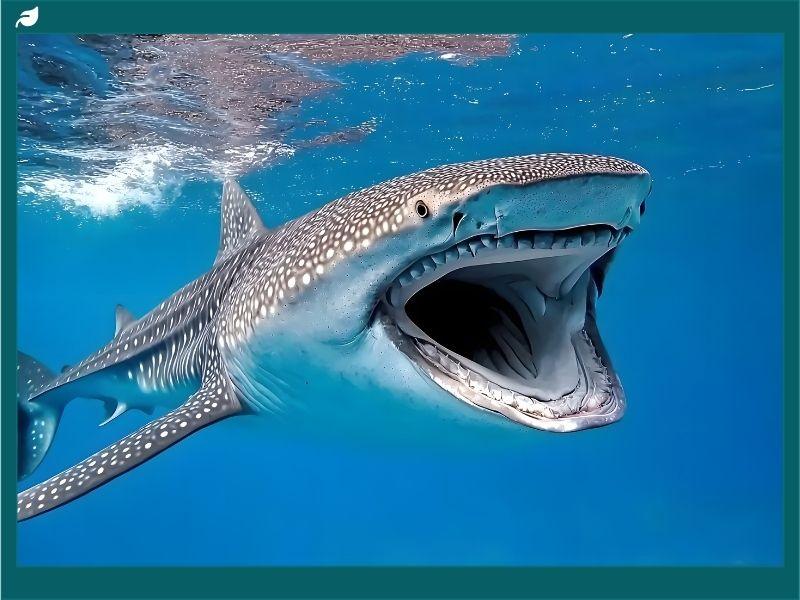
Over millions of years, the oceans have been home to many remarkable creatures that continue to fascinate scientists and spark our imagination. In this article, we’ll look at seven ancient sea animals that are now extinct but still inspire awe.
From huge predatory fish to massive marine reptiles, these giants once ruled the seas. By learning about them, we can better understand the history of life in the ocean and what lessons they offer for today’s marine world.
Megalodon: The Giant of the Prehistoric Sea
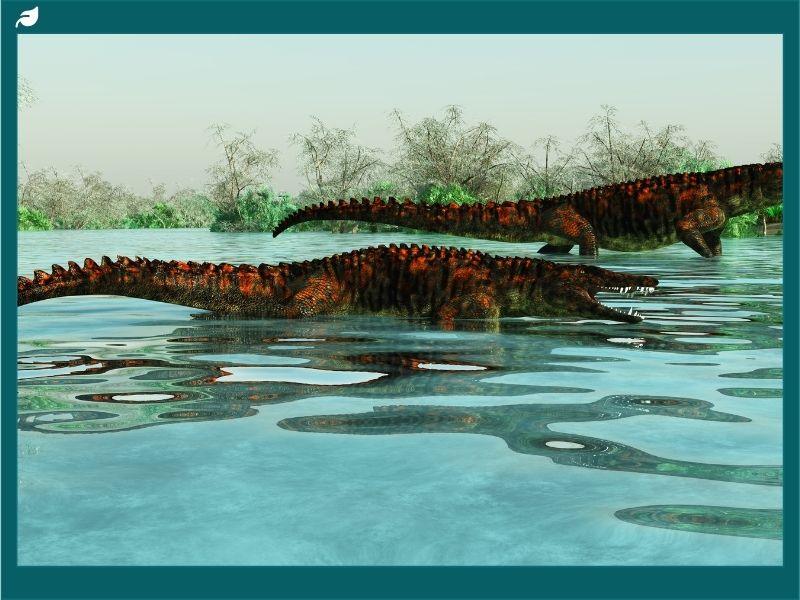
The megalodon was a giant shark that once ruled the prehistoric seas as a top predator for millions of years. Known for its huge jaws and sharp teeth, it was a symbol of power in the ocean.
By learning about the megalodon’s life, we can understand its place in the ancient marine world and the reasons behind its extinction. Discover how this massive shark lived, hunted, and eventually disappeared from the waters it once dominated.
Understanding the Apex Predator of the Sea
Megalodon was more than just a large extinct shark—it was the top predator of its time. Some scientists believe it could grow over 60 feet long, making it much bigger than most other sea animals.
Its size let it hunt large fish, sea turtles, and even ancient whales. With powerful jaws and huge teeth, megalodon could easily crush the bones of its prey.
This impressive hunter shaped the ocean’s food chain and was feared by many other creatures.
Living millions of years ago, megalodon thrived across warm, coastal waters of prehistoric seas. It utilized a range of habitats that facilitated its dominance as an apex predator.
Its migratory patterns, deduced from fossil records found on every continent except Antarctica, hint at a species that was not only widespread but also incredibly adaptive to diverse marine environments. These adaptations ensured that megalodon could exploit various ecological niches, maintaining the health of the marine ecosystem by regulating populations of other marine species.
Such was its dominance that scientists often cite the megalodon as a pivotal figure in understanding the dynamics of ancient marine food chains and its role in ecological balance.
Megalodon was more than just a scary predator—it shows how important top predators are for healthy ocean ecosystems. Its story helps us see why these animals matter and how they shape the world around them.
By studying megalodon, we learn about evolution and the balance needed in today’s oceans. Its history is a fascinating part of our planet’s past and reminds us of the mysteries of ancient seas.
| Characteristics | Habitat and Adaptations | Role in Ecosystem | Extinction Theories | Lessons Learned |
| Enormous size reaching up to 60 feet; powerful jaws with large, serrated teeth | Inhabited warm, shallow waters globally; adapted to efficiently hunt large prey | Apex predator controlling prey populations and influencing marine biodiversity | Climate change cooling oceans; decline in prey abundance; competition from emerging predators like orcas | Importance of environmental stability for species survival; impact of climate change on marine life |
Short Description: The megalodon was a dominant force in prehistoric seas, demonstrating the critical balance of ecosystems and the susceptibilities of even the most formidable creatures to environmental fluctuations.
Theories on Megalodon’s Extinction
The extinction of megalodon, an apex predator of unparalleled prowess, remains a topic of intrigue and scientific investigation. Various theories have been posited to explain why this formidable prehistoric shark vanished from the oceanic stage around 3.6 million years ago.
One prevailing hypothesis centers on environmental shifts during the Pliocene epoch, a period marked by significant climatic and geological transformations. As the Earth cooled, polar ice caps expanded and sea levels dropped, drastically altering the habitats that megalodon relied on.
These environmental changes could have led to a disruption in the marine food chain. This may have impacted the availability of megalodon’s prey and, ultimately, contributed to its extinction.
Another compelling theory involves competition with emerging species. Around the time of megalodon’s decline, smaller and more efficient predators, such as the ancestor of the modern great white shark, began to thrive.
These species were perhaps more adept at adapting to the colder, nutrient-rich waters brought about by climatic changes. The emergence of these competitors might have further stressed megalodon’s ability to secure food, leading to its gradual extinction.
Fossil evidence suggests a noticeable decline in the size of marine mammals, which were the primary prey for megalodon. This created another layer of food scarcity that could have been detrimental to such a large predator.
The extinction of this gigantic fish also raises questions about the vulnerability of even the most powerful species to changes in their environment and competition pressures. The decline of megalodon serves as a poignant reminder of the intricate balance that sustains oceanic ecosystems.
Environmental changes can cascade through ecological communities, triggering the downfall of even the mightiest of species. As we reflect on this extinct shark, it becomes apparent that its disappearance offers critical lessons on biodiversity, the importance of adaptive strategies in changing habitats, and the resilience necessary to withstand both environmental and competitive challenges in the ocean.
In summary, the extinction of megalodon, marked by a combination of environmental and ecological factors, underscores the complex interplay between species and their habitats.
Understanding this prehistoric predator’s demise not only enriches our comprehension of historical marine life but also informs modern conservation efforts by highlighting the fragility of ecological hierarchies and the enduring impact of environmental shifts on ocean life.
Sea Scorpions: Ancient Predators of the Ocean
Sea scorpions, or eurypterids, are a great example of extinct ocean animals that show how ancient marine life changed over time. These strong predators lived millions of years ago and played a big part in the ocean’s food chain.
By looking at how they lived and why they disappeared, we can learn more about the ancient seas and the creatures that once thrived there.
The Role of Sea Scorpions in the Marine Ecosystem
Sea scorpions, some of the largest arthropods to have ever lived, once held a prominent place in the ancient oceans, their presence influencing marine ecosystems profoundly. They swam through the seas for millions of years, during the Paleozoic era, an epoch where diverse forms of life were emerging and evolving.
These predators, often growing to several feet in length, were considered top-tier components within their respective food chains, predating on various marine animals and capturing an array of smaller ocean dwellers in their powerful pincers. Their existence underscores a pivotal period when primitive aquatic ecosystems were laying the groundwork for future marine biodiversity.
A closer examination of sea scorpions reveals their incredible adaptability, allowing them to thrive across a range of habitats, from shallow waters to deeper oceanic realms. These ancient creatures utilized their unique physical characteristics, such as elongated bodies and specialized limbs, to hunt efficiently within the marine ecosystem.
Their limbs, resembling modern scorpions, were not only essential for locomotion across the seabed but also served as effective instruments for capturing prey, reflecting their role as active ocean predators. The diversity of the Eurypterid species implies that they occupied various ecological niches, each adapted to specific environmental conditions across prehistoric seas.
Their evolutionary lineage shows a fascinating journey from aquatic environments to shallow waters and eventually near coastal areas, a testament to their resiliency and capability to adapt to the changing climates and sea levels. Through fossil deposits, we understand that some species even managed to exploit freshwater habitats during certain periods, showcasing their remarkable evolutionary strategies.
This adaptability was crucial in ensuring their survival over millions of years, amidst the shifting marine landscapes that characterized much of the prehistoric era.
Despite their formidable predatory skills, sea scorpions, like many extinct ocean animals, eventually succumbed to the forces of evolution and environmental changes.
The end of the Devonian period marked significant shifts in marine biodiversity, coinciding with fluctuations in sea levels and climate alterations that drastically impacted their habitats. The loss of suitable environments, coupled with competition from emerging marine life forms better adapted to these new conditions, likely contributed to their extinction.
However, their legacy remains embedded in the fossil records, providing essential clues about the dynamics of ancient marine ecosystems and the profound interactions between predators and prey.
Sea scorpions serve as a valuable study in how extinct predators shaped the evolution of marine ecosystems. Their existence demonstrates the critical role of top predators in maintaining ecological balance, influencing the distribution and population sizes of prey species.
This ancient prominence in marine ecosystems highlights an evolutionary narrative filled with adaptation and survival, contributing to a broader understanding of life’s history on Earth. Today, the study of these prehistoric sea animals continues to inspire research into the intricate web of life that has defined our planet’s vast and varied oceans over the millennia.

The Resilient Sea Cow: Gentle Giant of the Extinct Sea
The resilient sea cow, known for its gentle nature, once majestically cruised through the undisturbed corridors of ancient oceans. This marine mammal, often referred to as a gentle giant, was a crucial part of the marine ecosystems it inhabited.
The sea cow, famous for its gentle nature, once moved slowly through the calm waters of ancient oceans. This large marine mammal played an important role in its ecosystem. Its extinction reminds us how fragile ocean life can be. By learning about why the sea cow disappeared, we can better understand the challenges facing other marine animals today.
The extinction of the sea cow happened in the late 18th century, with the last known species, the Steller’s sea cow, disappearing within decades of its discovery by humans. Living predominantly in the cold, shallow waters near the Bering Sea, these marine animals thrived during a period where they faced few natural predators.
However, various factors combined to rapidly decrease their populations, leading the sea cow into the annals of extinct species.
One primary factor in the sea cow’s extinction was habitat destruction. These marine animals relied heavily on kelp forests for sustenance.
Overharvesting of kelp, changes in ocean currents, and shifts in water temperatures significantly altered their habitat, reducing their food supply. The ecological balance they depended on was disrupted during this period, emphasizing how interconnected oceanic species and their environments are.
Human exploitation played a critical role in the extinction of the sea cow. When European explorers first encountered the Steller’s sea cow in the mid-1700s, its large size and gentle nature made it an easy target for hunters.
These animals were hunted extensively for their meat, fat, and hide, exterminating them at such a rapid pace that within less than three decades, they were declared an extinct species. This scenario highlights how swift and lethal human impact can be on marine life, a harsh reality not uncommon when considering extinct sea creatures.
The environmental changes during this period also contributed to the decline of the Steller’s sea cow. As sea temperatures fluctuated, the delicate balance within the habitat was upset, which, when coupled with intensified human activity, exacerbated the pressure on these animals.
Moreover, the reduction of kelp forests due to climatic shifts further strained the sea cow’s survival capabilities, limiting its food resources and accelerating its extinction. This overarching theme of environmental and human-induced pressures is a recurring story in the extinction narrative of many marine animals.
Understanding the factors behind the extinction of the sea cow not only highlights the vulnerability of marine species but also emphasizes the need for comprehensive conservation strategies today. The historical extinction of these animals drives home the urgent need for sustainable practices and a commitment to preserving current marine biodiversity.
The story of the sea cow serves as a cautionary tale, reminding us of the profound impact human actions have on the ocean’s gentle giants and the broader marine ecosystems they once inhabited.
Unique Species of the Extinct Ocean
The ocean’s mysterious depths have always been a cradle for evolution, giving rise to unique species of marine life throughout history. From giant predators to peculiar invertebrates, the extinct ocean teemed with life. The deep ocean has always been full of life, leading to many unique species over time. From huge predators to unusual invertebrates, the ancient seas were rich with different kinds of animals.
By studying fossils and the times these creatures lived in, we can see how they shaped today’s marine ecosystems. Learning about them helps us understand their important roles in the ocean’s history. The Cambrian period marks a significant era when the first complex life forms began to populate the ocean, setting the stage for an explosion of diversity.
Marine fossils from this period reveal an abundance of unique species, each adapted to their specific environmental niches in varied and often bizarre ways. Creatures like the anomalocaris, a peculiar predator with large, grasping appendages, dominated the ancient sea, preying on trilobites and other small animals that thrived in the Cambrian waters.
As time progressed, marine reptiles became prominent figures in the oceanic landscape. These extraordinary animals, including the fearsome plesiosaurs and ichthyosaurs, roamed the seas during the Mesozoic era. They exhibited remarkable adaptations that allowed them to master their aquatic domains.
Plesiosaurs, with their long necks and rotund bodies, swiftly navigated the seas, their flippers cutting through the water with ease to hunt their prey. Ichthyosaurs, on the other hand, bore a striking resemblance to modern dolphins. Their streamlined bodies enabled them to reach impressive speeds as they chased after fast-moving fish and squid.
The diverse array of species that lived millions of years ago showcases the adaptability and resilience of marine life throughout Earth’s tumultuous history. Giant ammonites, cousins to today’s cephalopods, thrived in the ancient ocean. Their coiled shells offered protection and buoyancy as they drifted in search of food.
Meanwhile, the peculiar shell-bearing creatures known as brachiopods anchored themselves to the ocean floor. They filtered nutrients from the water, a simple yet effective survival strategy.
The Cretaceous period, known for terrestrial giants like the Tyrannosaurus rex, also gave rise to large marine predators such as mosasaurs. These formidable creatures, the apex successors to plesiosaurs, wreaked havoc beneath the waves. They showcased the ongoing evolutionary arms race in ancient seas.
Their discovery in fossil records highlights yet another layer of rich biodiversity that once thrived in marine ecosystems. These finds paint a vibrant picture of ancient life that astonished even the most seasoned paleontologists.
The ancient ocean’s diversity underscores how unique species drove evolutionary advancements across eras, revealing a tapestry of life driven by adaptation and survival. Each extinct ocean species left an enduring mark on evolutionary history, encapsulating the concept of natural selection and adaptive radiation in marine habitats.
By studying these bygone organisms, we gain valuable insights into the environmental pressures and ecological dynamics that steered the course of evolution. This knowledge lays the groundwork for the rich marine biodiversity we see today.
In closing, understanding the diversity of prehistoric sea animals not only highlights the concept of extinction but also inspires awe for life’s enduring capacity to adapt, persist, and flourish amidst the ever-changing tapestry of Earth’s ecosystems. These unique species tell stories of survival, adaptation, and extinction.
They provide crucial lessons that resonate with contemporary conservation efforts to protect the ocean’s current inhabitants and the delicate ecological relationships they uphold.
The Impact of Extinct Marine Animals on Current Ecosystems
Extinct marine animals have left a profound legacy on modern ecosystems, shaping biodiversity and environmental dynamics in ways that are still evident today. By examining the roles these species once played, we gain insights into their contributions to marine structure and function.
The absence of these creatures marks significant ecological shifts, influencing everything from food webs to habitat formation. Analyzing their history offers lessons in resilience and adaptation, providing a lens through which we can understand past extinctions and inform current conservation efforts.
Lessons Learned from Past Extinctions
Examining the extinction events of ancient marine species reveals crucial insights about ecosystems that go beyond the superficial tales of lost giants like the megalodon or gentle behemoths like the sea cow. Each extinction event has left an indelible mark on the environment, helping sculpt the ecosystems we see today.
One significant lesson is the importance of biodiversity in maintaining the resilience of ecosystems. Diverse marine environments, populated with a wide array of species, are often more robust in the face of environmental changes. This diversity acts as a buffer, allowing ecosystems to adjust and maintain functionality despite the loss of some species.
The extinction of apex predators like the megalodon underscores how the removal of a single species can ripple through the marine food web, influencing population dynamics and resource distribution across a broad spectrum of species. With the megalodon gone, prey species may have proliferated unchecked, altering the balance and flow of energy within marine ecosystems.
This illustrates the essential function of predators in regulating ecosystem health and stability, a lesson with direct implications for today’s conservation strategies.
Moreover, the demise of adaptable yet environmentally sensitive creatures such as the sea cow serves as a poignant reminder of the fragility of marine habitats. Their extinction highlights the interplay between environmental factors and species survival.
This draws attention to the way modern climatic and anthropogenic pressures might threaten today’s marine life. Human-induced changes, such as habitat destruction and overfishing, echo the forces that led to the sea cow’s downfall. These serve as a warning about the potential repeatability of these patterns in the contemporary ocean.
Another key lesson from past extinctions is adaptive evolution. Marine animals like sea scorpions adapted over millions of years to survive fluctuating conditions, demonstrating that adaptability is crucial for long-term survival.
However, their eventual disappearance also shows that even the most adaptable species can be overwhelmed by rapid and profound environmental shifts, particularly when compounded by emerging competition or sudden habitat loss. This can inform conservationists on the importance of maintaining adaptive capacity within marine populations, ensuring they can withstand future environmental changes.
Understanding these past events informs modern conservation efforts, emphasizing the need for strategies that support ecosystem resilience. It also showcases the importance of protecting critical habitats and species diversity to provide the best chances for marine ecosystems to withstand future challenges.
The historical context of marine extinctions highlights the perennial importance of fostering environments where marine life can adaptively thrive. Ultimately, these insights serve as a sobering reminder of our role in safeguarding the intricate and delicate balance of life within oceanic realms, ensuring today’s biodiversity does not join the annals of extinct marine animals.
Preserving the Legacy of Extinct Species
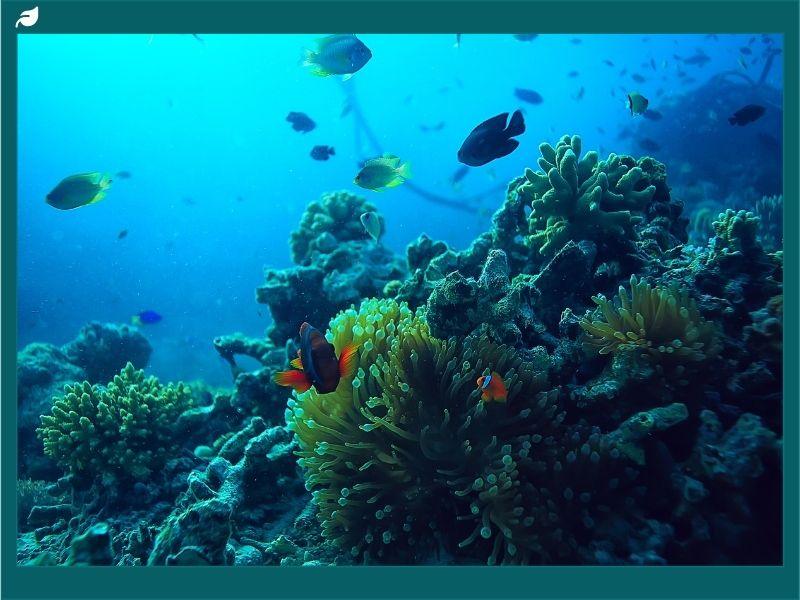
Exploring the legacy of extinct species provides invaluable lessons for contemporary conservation efforts. Each vanished species holds secrets that can enhance our understanding of how ecosystems function and evolve over time.
Marine animals, in particular, have shaped oceanic ecosystems in profound ways. By delving into the historical context of these species, researchers glean insights that inform modern strategies aimed at preserving the delicate balance of marine habitats and protecting existing biodiversity.
How Modern Conservation Efforts Are Informed by History
Modern conservation efforts are increasingly drawing from historical precedents to safeguard our current ecosystems. The extinction stories of ancient marine animals like sea scorpions and megalodon reveal the immense impact that species loss can have on marine ecosystems. These extinct species once played crucial roles, whether as apex predators maintaining prey populations or as keystone species sustaining habitat structures. Understanding their historical roles helps conservationists craft more effective methodologies today. By identifying and protecting vulnerable species within the marine ecosystem, they aim to prevent similar outcomes.
The legacy left by these extinct species is a potent reminder of the delicate balance within marine ecosystems. The marine animals of the past, such as the giant sea cow and other extinct species, highlight the impact of both natural and anthropogenic forces on biodiversity. The rapid decline of the sea cow, largely due to human exploitation and habitat destruction, serves as a stark example of how quickly human activities can push species toward extinction. Recognizing these patterns informs conservation strategies. It also underscores the need for sustainable practices that incorporate both ecological and socio-economic factors.
Conservationists today utilize historical insights to address current challenges facing marine biodiversity. Lessons learned from past extinctions guide efforts to restore habitats and integrate adaptive management practices that can react swiftly to environmental changes. The fossil record not only provides evidence of how past ecosystems functioned but also inspires innovative solutions aimed at boosting today’s ecosystem resilience. By examining how ancient species adapted, or failed, to survive shifting climates and ecological pressures, scientists can better forecast potential future vulnerabilities in the marine environment.
The history of extinct marine species also underscores the significance of biodiversity in ensuring ecosystem stability. Historical records indicate that highly diverse ecosystems are more robust in the face of change, as diversity provides a buffer against environmental fluctuations. The collapse of diverse marine ecosystems in the past elucidates the critical importance of maintaining current biodiversity levels. Informed by these historical precedents, contemporary conservationists advocate for policies that support the protection of a wide array of species. This enhances the ecological tapestry that keeps marine environments thriving.
Finally, historical extinction events offer insights into the modalities of adaptive evolution, a key component in marine conservation today. Extinct species, like the adaptable sea scorpions, reflect the importance of evolutionary flexibility. Yet, despite their adaptability, many species couldn’t withstand accelerated environmental changes, pinpointing gaps that current efforts aim to mitigate by fostering genetic diversity and resilience-building practices. By understanding these dynamics, modern conservation initiatives can design frameworks that allow marine life the latitude to adjust to contemporary challenges. This helps avoid the pitfalls that led to past species’ extinction.
In essence, diving into the historical context of extinct marine creatures provides a treasure trove of knowledge that enriches our understanding of current ecosystems and guides future conservation efforts. This historical insight is crucial for constructing effective conservation strategies. These strategies not only preserve existing biodiversity but also honor the legacy of these ancient creatures through informed, active stewardship of today’s seas.
Enhancing our understanding of how ancient lessons inform modern conservation practices:
- Utilize historical extinction patterns to predict potential vulnerabilities in current marine ecosystems.
- Implement adaptive management practices informed by past ecosystem dynamics and shifts.
- Foster genetic diversity by learning from adaptive evolution modes observed in extinct species.
- Prioritize diversity to strengthen ecosystem resilience, taking cues from past ecosystem collapses.
- Advocate for policies integrating both ecological and socio-economic factors of past conservation successes.
- Develop resilience-building practices rooted in historical biodiversity stability records.
- Create frameworks enhancing flexibility and adaptation of marine species to avoid past extinction pitfalls.
These strategies illustrate how history empowers today’s conservation efforts with knowledge and foresight.
Exploring these sea extinct animals underscores the profound impact of environmental changes and human activities on ocean biodiversity. Each species reveals a chapter of our planet’s history and highlights the fragility of marine ecosystems. Learning about these extinct sea animals shows how much environmental changes and human actions can affect ocean life. Each species tells part of Earth’s story and reminds us that marine ecosystems are fragile. These lost giants highlight why it’s important to protect today’s ocean life. By choosing sustainable practices, we can help keep our oceans healthy for future generations.