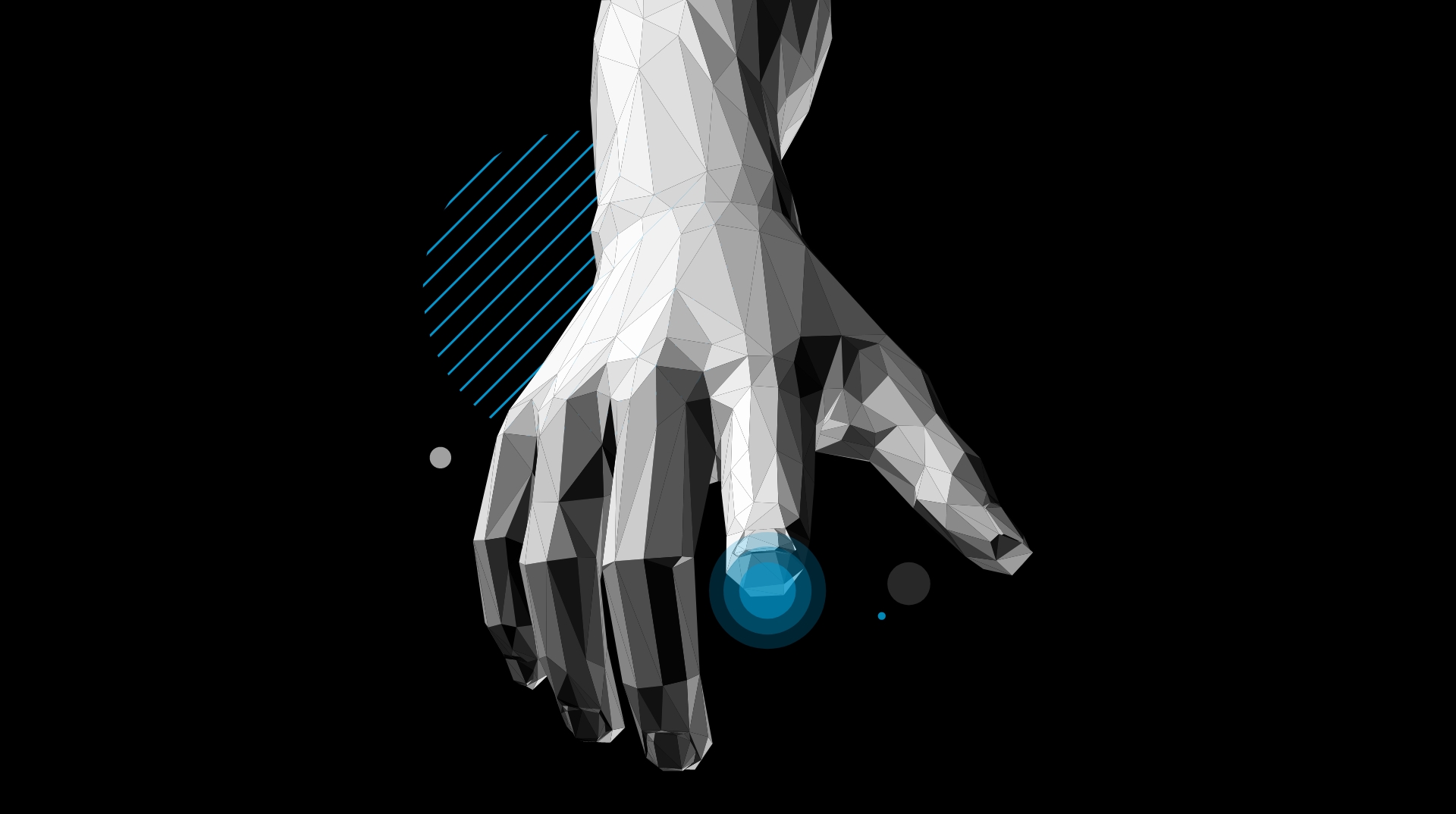
Right now, the Optimus Robot is still just a concept with big potential for surgery. It’s imagined to handle complex procedures on its own, without any electric vehicle-style guidance. The aim is to boost precision, cut down on mistakes, and help patients recover better.
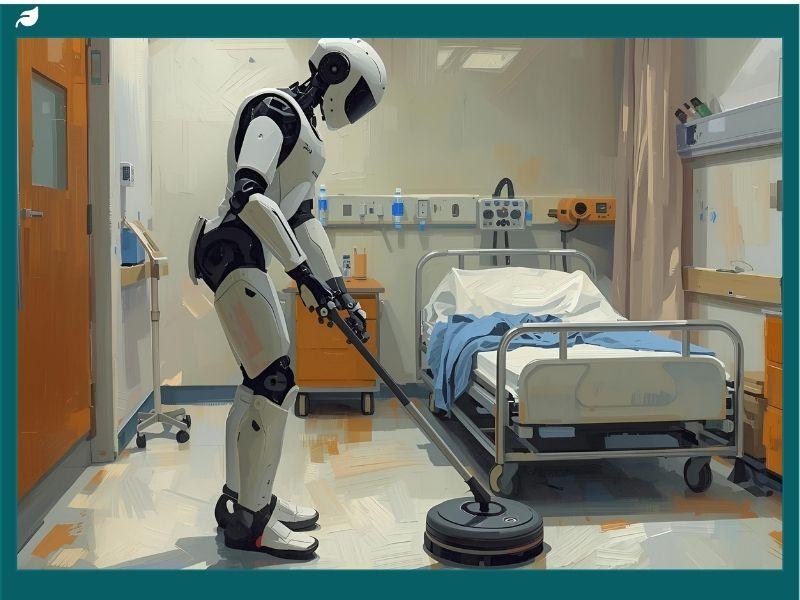
But for now, Optimus isn’t ready for the operating room—so far, it’s only been shown doing tasks like cleaning. This means its surgical uses are still being developed. As the technology improves, Optimus could one day change how surgeries are done. It may make operating rooms more efficient and raise the bar for medical care everywhere.

The Rise of Tesla Optimus in the Medical Field
With all the buzz, it’s easy to imagine the Tesla Optimus robot scrubbing in for surgery tomorrow (maybe cracking a few robot jokes with the nurses). But let’s keep our scrubs clean: Optimus is still very much a concept when it comes to surgery.
At the moment, its most impressive demo is cleaning up, not stitching up. Elon Musk’s ambitious vision has given us a robot designed for precision and autonomy. While custom algorithms promise reliability, the only thing these Tesla bots have reliably tackled so far is a dusty corner.
Key challenges are being addressed, and breakthroughs are coming. For now, the operating room takeover remains a vision, albeit a very shiny one.
How Optimus Enhances Surgical Precision
The optimus robot’s imagined role in enhancing surgical precision is, frankly, the stuff of science fiction, for now. The vision is that advanced custom algorithms will allow Optimus to perform surgeries with the kind of accuracy that would make even the steadiest surgeon jealous (and maybe a bit nervous about job security).
In reality, Optimus’s surgical résumé is currently limited to cleaning up after the operation, not performing it. The dream is that one day, these robots will adapt in real-time to wild surgical curveballs. For now, the only unpredictable environment they conquer is the break room.
As hospitals fantasize about new procedures once thought too risky or complex, the Optimus bot remains a promise on the horizon. It inspires both hope and a healthy dose of skepticism, plus a few jokes about who gets to polish the scalpels.
Challenges and Breakthroughs in Surgery
As with any would-be medical marvel, the Optimus robot’s journey into surgery is filled with both hype and hurdles. Integrating a robot that’s currently better at mopping than operating is, understandably, a tough sell to medical teams.
Tesla assures us the Optimus is packed with advanced functionality, but first, hospitals will have to reconfigure, retrain, and perhaps reorganize the cleaning schedule. Breakthroughs are certainly on the horizon: recent demos show Optimus can handle repetitive tasks with more stamina than your average intern, though most of those tasks still involve a mop, not a scalpel.
While the idea of Optimus reducing recovery times is appealing, the only thing it’s sped up so far is janitorial efficiency. Demo settings keep optimism alive, and if robots ever do join the surgical team, surgeons may find themselves debating who gets stuck with after-hours cleanup duty.
Musk’s Vision for the Future of Robotics
Elon Musk’s vision for robotics is transforming industries, especially healthcare, through the Tesla Optimus robot. This robot, born from Tesla’s visionary technology and innovative software, aims to redefine surgical procedures, ensuring precision that surpasses traditional methods.
With his company consistently pushing the boundaries of technological advancements, Musk’s ambitions are setting new standards for automation. Insights into this revolutionary technology highlight the role of the Tesla robot. It is a testament to Musk’s commitment to pioneering cutting-edge solutions that aim to enhance efficiency and bring futuristic concepts closer to reality.
Insights into Tesla’s Revolutionary Technology
Tesla’s approach to robotics under the guidance of Elon Musk has been nothing short of transformative. Central to this is the development of the Tesla robot, utilizing advanced software designed to revolutionize operational efficiency and precision.
The Optimus robot is a notable embodiment of this, showing how Tesla integrates cutting-edge technology to achieve groundbreaking results in medicine. This innovation isn’t confined to hardware alone; the software built by Tesla plays a pivotal role. It’s intricately designed to support dynamic decision-making processes, allowing the robot to adapt to complex surgical environments.
This adaptability not only enhances the robot’s performance but also ensures a high level of reliability in sensitive operations. Musk’s vision extends beyond just designing advanced robots. His goal for the Tesla robot is to become an integral part of healthcare systems worldwide. This involves Tesla’s holistic approach, where technology is not only about automation but also about creating a sustainable impact on healthcare practices.
The fact that Tesla, a company renowned for its electric vehicles, can seamlessly transition its expertise to such a specialized field speaks volumes about Musk’s vision for the future. By focusing on high-quality build and versatile applications, Tesla ensures that its technological innovations are both robust and adaptable to diverse medical needs. Moreover, Tesla’s commitment to refining its software continually ensures that the company remains at the forefront of robotics technology.
This forward-thinking approach is integral in positioning the Tesla robot as a leader in surgical innovation, aligning perfectly with Musk’s broader goals of making cutting-edge technology accessible and beneficial on a global scale. His determination to push the boundaries exemplifies how Tesla’s technology is crafted not just to meet current demands but to anticipate and excel in future challenges. This solidifies Musk’s legacy as a pioneer in transformative technology.
The Role of the Humanoid Robot in Modern Medicine
In the evolving landscape of healthcare, humanoid robots like Tesla’s Optimus are poised to redefine traditional approaches, just as soon as they can do more than clean the OR. The vision is dazzling: robots with advanced precision, reliability, and maybe even the ability to tell if you’ve missed a spot.
For now, though, the only surgical suite role the Optimus reliably fills is chief sanitation officer. As Tesla, under Elon Musk’s vision, gears up for the next leap, healthcare facilities prepare for a day when robots might actually hold a scalpel.
Until then, Optimus’s integration is more about keeping things spotless than breaking new surgical ground. But the era of medical breakthroughs is just one software update away (or so we hope).
Integration and Adaptation in Healthcare Facilities
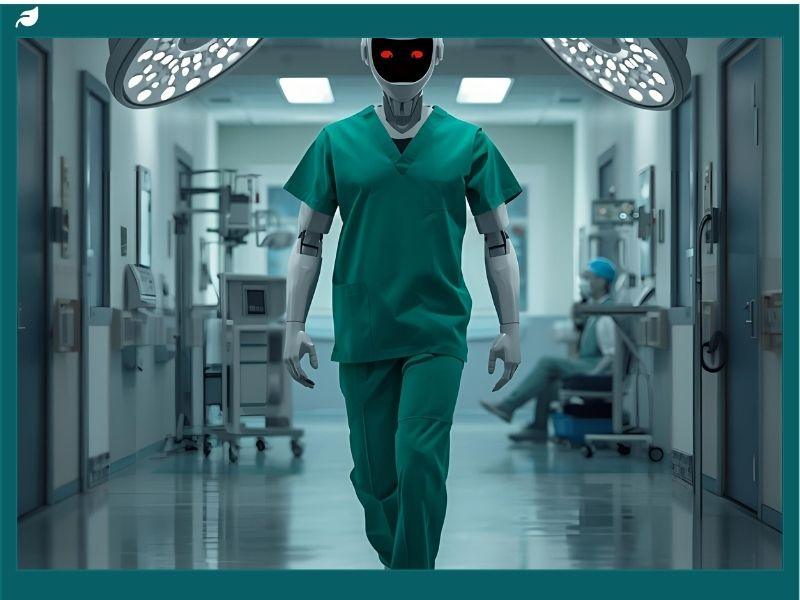
Integrating the humanoid robot within healthcare facilities demands significant shifts in infrastructure and team dynamics. These robots, particularly the Tesla Bot, also known as Optimus, require hospitals to accommodate new technologies in ways that can initially seem daunting.
Tesla’s approach emphasizes the adaptability and precision of Optimus, but the real challenge lies in reconfiguring hospital systems to harmoniously incorporate these robotic advancements. Education plays a crucial role. Healthcare practitioners need comprehensive training to effectively interact with these robots and optimize their capabilities in various medical procedures.
The hearts of these innovations are the custom algorithms that empower the Optimus robot with unprecedented autonomy and precision. Such technological integration seeks not only to reduce human error but also to streamline operations, making healthcare delivery more efficient.
This, however, implies a steep learning curve for medical staff. Some may view these changes with skepticism, concerned about the potential disruption to work routines and patient care standards. Nonetheless, the potential benefits, such as reduced recovery times and enhanced procedural accuracy, provide compelling incentives for embracing this change.
Additionally, the embrace of Tesla’s Optimus by healthcare facilities aligns with a broader trend of technological adoption within medicine. The humanoid robots are designed to perform precise, repetitive tasks, freeing up human practitioners to focus on more complex decisions and patient interactions.
This division of labor not only improves efficiency but also enhances patient outcomes. With Elon Musk’s vision charting a path towards a more technologically adept medical landscape, the success of integrating Optimus could set a precedent for future innovations.
As healthcare facilities continue to evolve, the sustained impact of Optimus underscores the profound role that humanoid robots will play in shaping the future of medical care worldwide.
| Aspect | Role in Healthcare | Benefits | Challenges | Examples |
| Patient Care | Assistance in daily tasks | Reduced workload for nurses | High initial costs | Robotic nursing aides |
| Surgical Assistance | Precision in surgeries | Increased accuracy | Ethical concerns | Da Vinci Surgical System |
| Rehabilitation | Support for physical therapy | Consistent support | Training required | Robotic exoskeletons |
| Diagnostics | Assisting in analysis | Faster diagnosis | Data privacy | AI imaging tools |
This table outlines the strategic points of integrating humanoid robots into healthcare and their potential impact on medical practice.
What the Future Holds for Optimus in Surgery
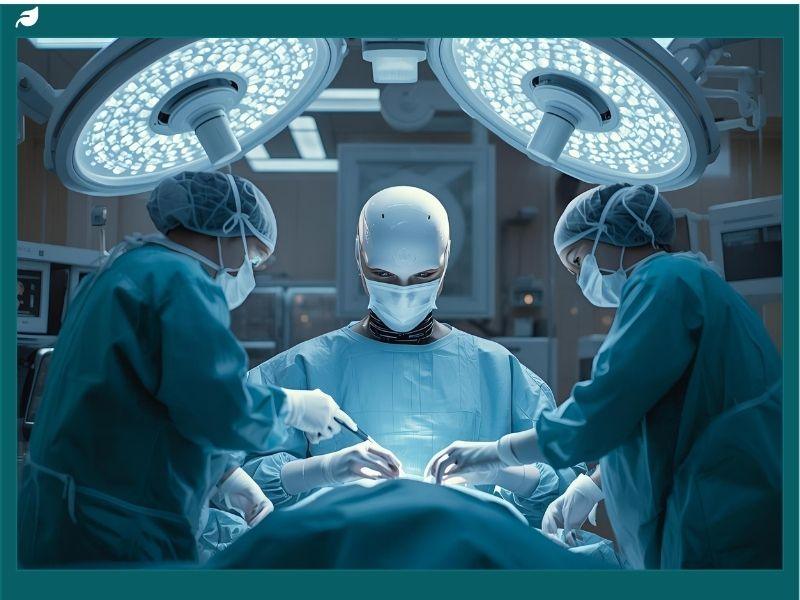
The future of surgery, if you believe the hype, will see Tesla’s Optimus robot gliding into the OR with the swagger of a sci-fi hero, ready to deliver delicate procedures and maybe moonwalk out when finished. Optimus promises to revolutionize surgery with precision and advanced decision-making (once it graduates from cleaning duty).
As the medical field adapts to this vision, patients and professionals alike may find themselves wondering if their surgeon’s next assistant will offer to mop up as well as stitch up. For now, the most significant transformation Optimus brings to the OR is a spotless floor, but one day, the impact on healthcare delivery could be as gleaming as its freshly polished chassis.
Potential Impacts on Medical Professionals and Patients
Bringing Tesla’s Optimus into surgery could have major effects for both medical professionals and patients. The robot’s advanced features are expected to improve surgical precision, reduce mistakes, and raise the quality of care.
For doctors, this means they can focus more on complex decisions while Optimus takes care of routine tasks quickly and reliably. Right now, Optimus is better at cleaning the operating room than performing surgery, but every big change starts somewhere.
This shift lets surgeons use their skills where they’re needed most, helping to make healthcare more effective overall.
Patients could also see big benefits from the precision and efficiency that Optimus brings. If the robot can perform complex surgeries accurately, recovery times may be shorter and there could be fewer complications after surgery.
These improvements could make procedures safer and lead to better patient outcomes. While getting used to new workflows and protocols may be challenging at first, the long-term gains in safety and efficiency make a strong case for using this technology.
Having Optimus in the operating room could change patient care standards, supporting Musk’s goal of using technology to transform healthcare.
As Tesla keeps improving the Optimus platform, the robot’s abilities are expected to grow, helping it remain a leader in surgical innovation. By focusing on sustainability and ongoing progress, Tesla is making Optimus more useful in surgery and showing its dedication to developing technology that changes industries.
Musk’s ambitious goals, combined with Tesla’s strong technical skills, make Optimus not just a tool for better surgical precision but a key part of the future of healthcare. As more hospitals start using these innovations, surgery is likely to become more effective and have a greater positive impact on health around the world.
Continue exploring the transformative role of Optimus in surgical settings with these key factors to consider for its successful implementation:
- Emphasize ongoing training programs for medical staff to adapt to new robotic technologies.
- Establish clear protocols for integrating Optimus into existing surgical operations.
- Prioritize patient education on the benefits and safety of robotic-assisted surgeries.
- Develop strategies for monitoring and evaluating post-operative outcomes to ensure quality care.
- Foster partnerships with regulatory bodies to maintain high standards of safety and efficacy.
- Encourage interdisciplinary collaboration to maximize the robot’s potential across various medical specialties.
- Invest in research and development to continuously enhance Optimus’s performance and functionalities.
Incorporating these considerations can help maximize Optimus’s positive impacts in the healthcare landscape. This ensures a balanced integration.
As the Optimus robot continues to change how surgeries are done without using endoscopic visualization, its potential keeps growing. Engineers and medical professionals are working to improve the robot’s precision and prepare it for more types of surgical procedures.
This new technology could make operating rooms more efficient, lower complication rates, and improve patient outcomes around the world. Bringing Optimus into medical practice marks an important step in healthcare innovation, with a strong focus on safety and precision.
The ongoing push for better features shows a real commitment to raising surgical standards and improving healthcare everywhere.