River pollution is a pressing environmental issue that not only endangers aquatic ecosystems but also poses significant health risks to human populations. Identifying polluted rivers is crucial for devising effective remediation strategies to restore these vital waterways.
Understanding the various pollutants, ranging from industrial effluents to agricultural runoff, is essential for recognizing contaminated rivers. By utilizing scientific indicators such as turbidity levels, chemical testing, and biological assessments, we can better appreciate the causes and consequences of river pollution. This knowledge empowers communities, governments, and organizations to take proactive steps in preserving the health and biodiversity of our planet’s rivers.

Understanding River Pollution
River pollution is a critical environmental challenge, impacting water quality and the ecology of rivers across the globe. This issue arises from a variety of sources including industrial waste, sewage discharges, storm overflows, and agricultural pollution. Ensuring the vitality of river ecosystems requires an understanding of the pollutants that degrade water sources. By examining common causes and the specific impacts of agricultural practices, readers can gain insight into how rivers become polluted. Moreover, efforts from organizations like the Environment Agency play a crucial role in monitoring and managing water quality amidst increasing pollution threats.
Common Causes of Pollution in Rivers
Polluted rivers result from numerous activities, each contributing distinct types of pollutants to water sources. Industrial discharges often release heavy metals and chemicals that severely degrade water quality. Sewage treatment failures and unauthorized sewage discharges lead to the proliferation of pathogens and nutrients, such as phosphate pollution, which can stimulate harmful algal blooms.
Meanwhile, storm overflows exacerbate the problem by releasing untreated sewage directly into rivers during heavy rainfall, overwhelming existing sewage infrastructure. These pollutants not only impact river ecology but also pose significant health risks for communities relying on these water sources. Tackling such diverse pollution origins requires coordinated action from government bodies, industries, and local stakeholders to preserve river health.
The Role of Agricultural Pollution
Agricultural pollution significantly affects rivers, as runoff from farms introduces various pollutants into waterways. Fertilizers and pesticides, applied to boost crop production, often contain phosphates and other chemicals that enter rivers via soil erosion. This runoff contributes to nutrient pollution, harming aquatic ecosystems by depleting oxygen levels and causing eutrophication.
Additionally, waste from livestock operations, if not properly managed, can lead to bacterial contamination and heightened water pollution. The Environment Agency monitors these impacts closely in an effort to maintain sustainable agricultural practices. Reducing agricultural pollution involves strategies such as buffer zones and improved waste management, aiming to protect the delicate balance of river ecosystems while supporting agricultural productivity.
Identifying Signs of a Polluted River
Understanding the signs of polluted rivers is pivotal for assessing and mitigating environmental damage. River pollution manifests in numerous ways, leading to the degradation of water quality and impacting river ecosystems. Observing visible changes in river aesthetics and alterations in biodiversity can help identify contamination early.
By recognizing these indicators, communities and organizations can take timely action to prevent further ecological deterioration and protect freshwater biodiversity. Exploring these visible and ecological aspects reveals the profound impact pollutants like sewage spills and discharges have on rivers and their surroundings.
Visual Indicators of Pollution
One of the first noticeable signs of river pollution is changes in water clarity and color. Polluted rivers may appear murky or display unnatural colors caused by industrial discharges or sewage spills. These visual alterations often signal the presence of suspended solids or chemical pollutants. Another indicator includes the formation of foams and excessive algae on the water surface. Sewage discharges can introduce nutrients that promote algal blooms, often resulting in green or blue-green scums.
Furthermore, unpleasant odors emanating from sewage outflows or sewage discharges are tell-tale signs of contaminants. Recognizing these visual markers is essential for identifying affected areas and understanding the underlying causes such as sewage and waste infiltration.
Impact on Biodiversity and Ecosystems
Pollution’s effect on biodiversity and ecosystems is profound, threatening the balance of river ecology. Polluted rivers often witness a decline in freshwater biodiversity due to increased toxic pollutant levels. Sewage spills, combined with industrial pollution, introduce pathogens and nutrients that significantly alter habitat conditions. This can lead to the decline or disappearance of sensitive aquatic species, including fish and invertebrates that play crucial roles in the ecosystem. Ecological impacts also include the disruption of food chains and a reduction in water quality.
Over time, consistent pollution alters natural processes, affecting not only river flora and fauna but also the communities that rely on these water sources. Understanding these impacts emphasizes the need for robust environmental management and conservation strategies.
Improving Water Quality in Polluted Rivers
Enhancing the health of polluted rivers is crucial to maintaining ecological balance, water quality, and public safety. Key strategies involve the concerted efforts of the Environment Agency and community-driven initiatives aimed at reducing pollution sources like industrial spills, sewage overflows, and agricultural runoff.
The role of water companies and local actions cannot be understated; it’s a combined endeavor requiring government, industry, and public participation. By examining the roles and projects spearheaded by these groups, it becomes clear that a multifaceted approach is vital for reversing the effects of pollution on our waterways.
Efforts by the Environment Agency
The Environment Agency is at the forefront of promoting water quality in polluted rivers by implementing rigorous monitoring and regulation. Their efforts focus on controlling industrial discharges, improving sewage treatment systems, and addressing storm overflow occurrences. By enforcing stricter regulations and penalties on water companies, the Agency ensures compliance and accountability for environmental violations.
Moreover, they engage in water quality assessments and collaborate with stakeholders to implement innovative pollution management strategies. Their work involves using ecological data to track pollution patterns and proactively address potential hotspots. These efforts are integral to protecting the fragile ecosystems that rivers support, securing a sustainable future for our waterways.
Community Actions and Initiatives
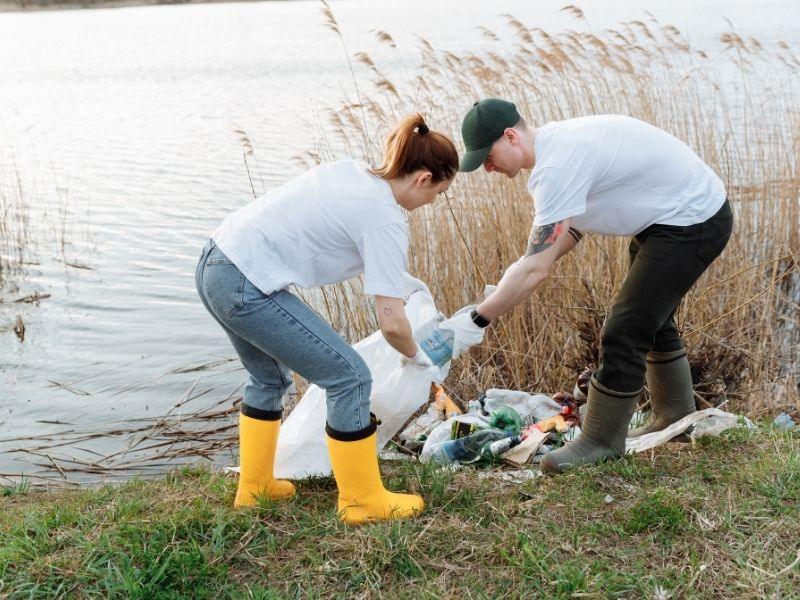
Community actions play a pivotal role in complementing regulatory efforts to improve river water quality. Local initiatives often focus on educational campaigns and grassroots movements to reduce pollution from urban and rural sources. Collaborations with water companies lead to better sewage treatment practices and the prevention of sewage spills and overflows. Community-led river clean-ups and advocacy for green infrastructure projects, like constructing buffer zones, help minimize harmful runoffs. Community groups also leverage social media to raise awareness about local water quality issues, fostering a collective sense of environmental stewardship. Through these actions, communities establish a direct impact on reducing pollutants and maintaining the ecological health of rivers.
Comprehensively identifying polluted rivers necessitates an awareness of various indicators and pollutants, from telling discoloration and odors to more insidious chemical and biological contaminants. Armed with this knowledge, local communities, policymakers, and environmental organizations can better advocate for effective legislation and conservation efforts, thus protecting these vital ecosystems.
The sustainable management of our river systems is crucial not just for their biodiversity but for the health of communities that rely on them. By engaging in continual education and grassroots initiatives, we can contribute significantly to the mitigation of river pollution and promote healthier waterways for future generations.