Electric vehicles (EVs) have revolutionized sustainable transport, but understanding their behavior during idling times, especially with the air conditioning (AC) on, is crucial for maximizing efficiency. With increasing popularity, drivers often wonder how long an EV can maintain comfort without draining the battery.
This exploration into electric vehicle idling unveils key factors influencing performance, energy consumption, and system durability. Whether navigating traffic or taking roadside breaks, gaining insights into EV idling capabilities ensures eco-friendly driving experiences and informed decisions that align with environmental goals.
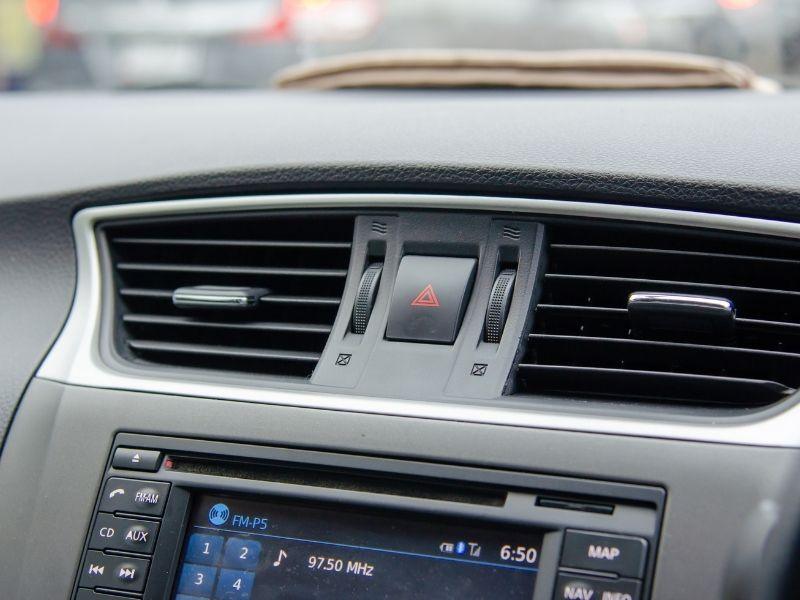
Understanding Car Idling: The Impact on Electric Vehicles
Car idling has different implications for electric vehicles compared to traditional internal combustion engines. Unlike gas-powered cars, electric vehicles don’t have an engine that runs continuously at idle. Instead, they rely on their battery systems to power climate control and other functions during this period.
As electric cars become more integral in our push for sustainable transportation, comprehending how idling affects an electric car’s range and battery life is crucial. This discussion will cover how long an electric car can idle with AC on and the resulting effects on range loss.
How Long Can an Electric Car Idle with AC On?
Idling in an electric car, especially with the AC on, is fundamentally different from traditional vehicles. When an electric car enters accessory mode, it doesn’t idly burn fuel since there’s no engine involved. Instead, the vehicle utilizes its battery to supply energy for climate control and other systems. The longevity of this function largely depends on the electric car’s battery capacity and the external climate conditions affecting the air conditioning demand. Under moderate conditions, an electric vehicle might idle for several hours without significant range loss. However, two days of prolonged idling could drastically alter this scenario, severely depleting the battery and reducing the car’s serviceability for drive mode.
On average, electric cars equipped with robust battery systems and modern energy-efficient technologies can idle with AC for about 100 to 200 hours under mild weather conditions. However, these figures are contingent upon factors like initial battery charge, vehicle model, and ambient temperature. A key point discussed among electric vehicle enthusiasts and industry experts is whether it’s advisable to ‘idle’ for extended periods, even if theoretically possible. Prolonged idling in electric vehicles, while technically feasible, can lead to unnecessary battery depletion and potential wear over time.
In the context of electric cars, there’s a strategic balance between maintaining comfort through climate control and preserving the ongoing usability of the vehicle. EV users often leverage smart energy management systems that allow them to precondition the car’s interior while plugged in, mitigating unnecessary battery drain. This interplay between energy consumption and idling time demonstrates how technological advancements in electric vehicles continue to redefine our understanding and expectations of vehicle performance during non-driving intervals.
The Effect of AC on Range Loss in Electric Vehicles
The use of air conditioning in electric vehicles significantly impacts range loss, presenting a unique challenge compared to traditional cars. In electric cars, the engine and climate control systems are powered by the same source: the battery. When the air conditioning system operates, it draws power directly from this finite resource, potentially leading to diminished driving range. This scenario becomes critical when planning longer trips, where optimal range management is vital for avoiding range anxiety. Prolonged use of AC during car idling can exacerbate this situation, as it continuously reduces available battery power for actual driving needs.
An electric vehicle’s range can be compromised by as much as 10% to 50% depending on the intensity of AC usage and environmental conditions, such as extreme heat which requires more power for cooling. As electric vehicle technology advances, manufacturers are integrating more efficient climate control systems and battery management techniques to counteract this range loss. Features like regenerative cooling, where energy is reused within the vehicle system, and energy-efficient compressors help mitigate the impact of climate control on overall vehicle efficiency.
Moreover, innovations in electric car battery technology are essential in addressing the challenges posed by climate control. With larger capacity batteries and improved energy density, electric vehicles are better equipped to handle the demands of AC systems without significantly sacrificing range. Nonetheless, drivers must remain cognizant of these dynamics to optimize the balance between comfort and driving efficiency, especially during prolonged idling. By understanding the synergistic impact of climate control and car idling on EV performance, users can make informed decisions to enhance their driving experience and sustain vehicle longevity while reducing environmental impact.
Key Factors Affecting EV Performance
Electric vehicles are revolutionizing transportation, but their performance can be influenced by various factors, particularly during idling with AC use. Understanding energy consumption when the AC is active is essential in managing battery life and minimizing range loss. To address these concerns, we’ve outlined key strategies to preserve battery performance and cover ways to reduce the implications of idling on EVs, especially in varying weather conditions. By integrating effective battery management practices, drivers can optimize their vehicle’s performance while maintaining comfort, ensuring their electric car remains efficient and reliable.
Energy Consumption of Electric Cars During AC Use
The energy consumption of electric cars during AC use is a critical factor in understanding their overall performance, particularly while idling.
Unlike traditional vehicles with engines that continue using fuel at idle, an electric car relies entirely on its battery for power. When the AC is turned on, it draws energy from the same source that powers the rest of the vehicle, potentially impacting the battery’s charge more significantly compared to driving under similar conditions. In warmer climates or during intense heat waves, the demand for cooling increases, which can further drain the battery.
Studies suggest that using AC in electric vehicles can reduce driving range by 10% to 50%, depending on the AC’s intensity and environmental conditions. This is because the battery must simultaneously accommodate the demands of the AC system and maintain enough energy for the car’s propulsion. In terms of battery management, this dual demand requires users to carefully monitor their vehicle’s energy consumption patterns when planning trips, especially those involving extended idling.
To cope with these challenges, manufacturers have been advancing battery technology. Modern electric vehicles are equipped with larger capacity batteries and energy-efficient air conditioning systems. Regenerative cooling and energy-efficient compressors have been integrated into newer models, which help moderate the battery’s discharge rate. However, even with these advancements, the energy consumption of electric vehicles during idling with AC use remains an area that requires drivers’ attention to ensure battery health is not compromised over time. Understanding these dynamics is crucial for optimizing both the immediate driving experience and the long-term sustainability of EVs.
Strategies to Minimize Range Loss While Idling
To minimize range loss while idling, especially with the AC on, electric vehicle owners can implement several effective strategies. A primary approach is the integration of smart preconditioning systems. These systems allow drivers to cool their car’s interior while still connected to a power source, thereby preserving battery charge when the vehicle is in motion. This is particularly effective in hot weather conditions where the AC’s demand is highest.
Moreover, drivers can benefit from using eco modes specifically designed to reduce energy draw from non-essential systems. An eco mode restricts energy consumption to crucial vehicle operations, thus minimizing the impact of AC on the battery. Additionally, eco modes often adjust the climate control settings to balance comfort and efficiency, ensuring that energy is used judiciously during idling periods.
Temperature management within the cabin plays a significant role in range preservation. Parking in shaded areas or using window shades helps maintain a cooler cabin environment, reducing the necessity for high AC settings. This approach significantly decreases the stress on the battery since less power is needed to achieve desired climate levels. In essence, strategic parking and climate control contribute greatly to efficient battery use.
Lastly, adopting routine check-ups for battery performance can aid in identifying issues that might exacerbate energy consumption unnecessarily during idling. By coupling these tactics with a conscious effort to keep the battery charged and healthy, drivers can significantly extend the usability of their electric vehicles while idling, maintaining both performance and sustainability.
Maintenance and EV Charging Tips
Effective EV maintenance and smart charging strategies are essential for maximizing the longevity and performance of electric vehicles. Key aspects include optimizing charging practices for efficient AC use and maintaining the AC system to ensure optimal climate control. Understanding these areas can keep an electric car’s performance in peak condition, providing a balance of comfort and efficiency even during prolonged idling periods. Focusing on these practices is not only critical for the environmental benefits but also ensures the electric vehicle remains a reliable and cost-effective mode of transportation.
Optimizing EV Charging for Efficient AC Use
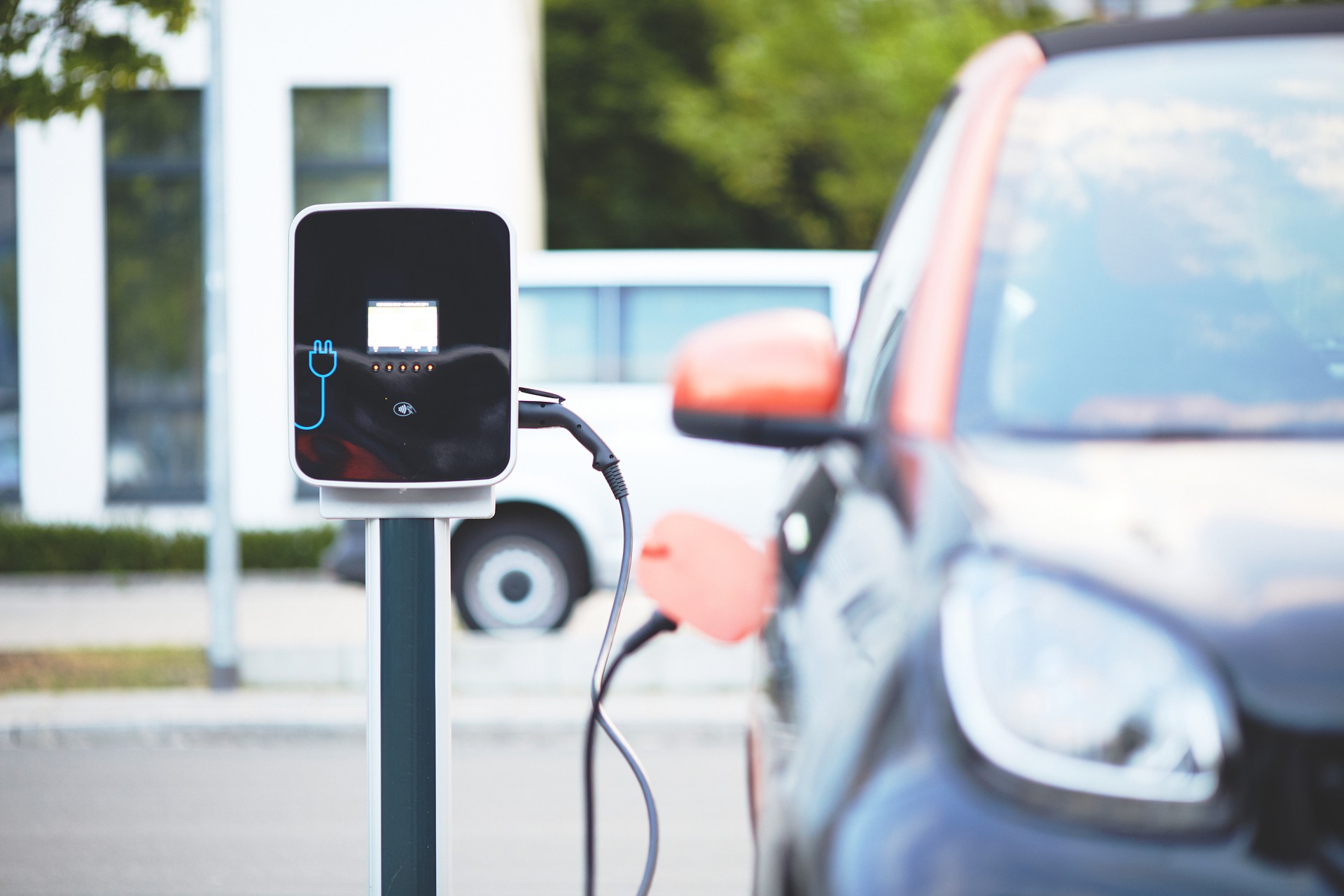
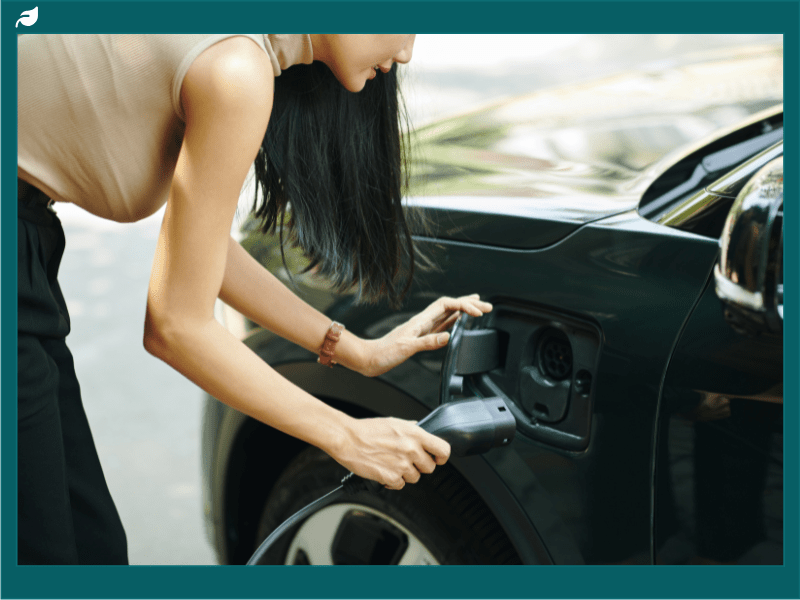
Optimizing the charging process of an electric vehicle (EV) is crucial to ensure the efficient use of air conditioning (AC) during idling. Charging plays a pivotal role in determining how long an electric car can idle with the AC on without significantly affecting battery capacity. For brands like Tesla and their renowned models, maximizing battery performance begins with understanding the interplay between charging cycles and battery life. Employing best practices in charging, such as maintaining an optimal battery level between 20% and 80%, can prolong battery health and availability for high power draws like the AC system.
Understanding the nuances of EV charging involves knowing when and how intensely to charge the battery to best suit energy needs. In climates where AC use is prevalent, scheduling regular charging sessions during non-peak electricity hours not only cuts costs but also supports the grid’s efficiency. Utilizing home charging stations equipped with smart features that adjust to this schedule can notably enhance the overall charging process, making it sustainable and practical. For instance, Tesla’s advanced charging infrastructure allows users to precondition the car during charging, helping maintain a cooler cabin temperature while preserving battery energy for driving.
Furthermore, incorporating technological advancements like regenerative charging can significantly impact charging efficiency. Regenerative braking systems allow the vehicle to recover energy typically lost during deceleration, which not only improves energy efficiency but extends the range available for AC use during idling. This way, electric vehicles can leverage their technological ecosystem to manage energy consumption better and optimize the relationship between charging habits and climate control needs.
In summary, meticulous attention to EV charging strategies directly influences an electric vehicle’s AC efficiency. Considering these factors ensures that electric cars like the Tesla model remain ready for any driving scenario without compromising comfort due to unnecessary energy depletion, ultimately supporting the sustainable evolution of the electric vehicle industry.
Best Practices for Electric Vehicle AC Maintenance
The efficient use of air conditioning (AC) in electric vehicles (EVs) hinges significantly on the proper maintenance of the AC system. Regular maintenance not only ensures a cool, comfortable cabin but also contributes to efficient energy use, preserving the car’s battery life especially during prolonged idling with the AC on. As electric cars continue to evolve, understanding the role of maintenance in optimizing AC usage becomes indispensable for EV owners aiming to enhance both performance and sustainability.
One fundamental aspect of AC maintenance involves routine inspection and servicing of the AC components. This includes checking for refrigerant levels, ensuring that there are no leaks, and verifying that all components within the climate control system are functioning optimally. Leaks in refrigerant can lead to the system working harder than necessary, thereby taxing the battery and reducing overall energy efficiency. By keeping the AC system in pristine condition, electric vehicle owners can prevent such scenarios, thus aiding in the vehicle’s long-term performance.
Electric vehicle models like Tesla have an intuitive climate control system designed to maximize efficiency, yet they still require periodic maintenance checks. Such checks should ensure that filters are clean and free of debris, as clogged filters can impede airflow, forcing the AC to consume more energy to maintain the desired temperature. Regularly replacing or cleaning filters can also benefit those concerned with maintaining optimal air quality within the cabin, a critical consideration for the health-conscious driver.
Environmental factors also dictate specific AC maintenance strategies. For instance, in regions with extreme weather conditions, more frequent checks might be necessary to guarantee the AC system’s resilience and efficiency during heavy use. Also, training to utilize eco-friendly settings, when possible, lessens the demand on the battery, thereby enhancing its longevity and the vehicle’s range stability during idle periods.
In essence, the best practices for AC maintenance in electric vehicles involve a combination of routine checks, systems understanding, and user education about the optimal settings under various weather conditions. Such attention to detail not only ensures a pleasant cabin environment but also prolongs battery life, keeping the electric vehicle a step ahead in efficiency and sustainability. Through these maintenance strategies, EV drivers can confidently utilize their vehicle’s climate control system without undue concern for excessive energy consumption.
Ultimately, understanding the idling capabilities of electric vehicles, especially when utilizing features like air conditioning, highlights the evolving landscape of EV technology. As battery technology continues to advance, the efficiency and performance of electric cars in idle conditions are expected to improve. This progression not only enhances user comfort and convenience but also strengthens the broader adoption of sustainable transportation solutions. It becomes crucial for potential EV owners to stay informed about these developments, ensuring that their vehicle choice aligns with both their sustainability goals and practical needs, thereby contributing to a cleaner environment.