Electric vehicles have rapidly changed the automotive world, offering a cleaner and more energy-efficient alternative to traditional gasoline-powered cars. The appeal of self-charging EVs—vehicles capable of generating enough power on their own—has ignited curiosity among many drivers. Some envision a car that never needs to plug into public charging stations, relying solely on recovered kinetic energy and other techniques. But does this align with the laws of physics? Below, we’ll look at how self-charging vehicles work, the main reasons they’re gaining attention, and what to consider before buying.
The Rise of Electric Cars
Although modern electric automobiles have only recently gained broader traction, experiments with electrical energy in transportation date back over a century. Today’s advanced battery technology allows EVs like the Tesla Model S to deliver hundreds of miles of range on a single charge. Yet while battery-powered cars reduce carbon emissions and cut fuel costs, many people still seek an even more convenient approach: self-charging EVs.
Most so-called self-charging cars use a combination of regenerative braking, onboard engines or generators, and other forms of energy capture. Although these vehicles can recover a small amount of energy from daily driving, they’re still bound by the second law of thermodynamics. Ultimately, you can’t create energy from nothing. For that reason, most self-charging hybrids or mild hybrids still rely on an internal combustion engine for longer trips.
Understanding Self-Charging Principles
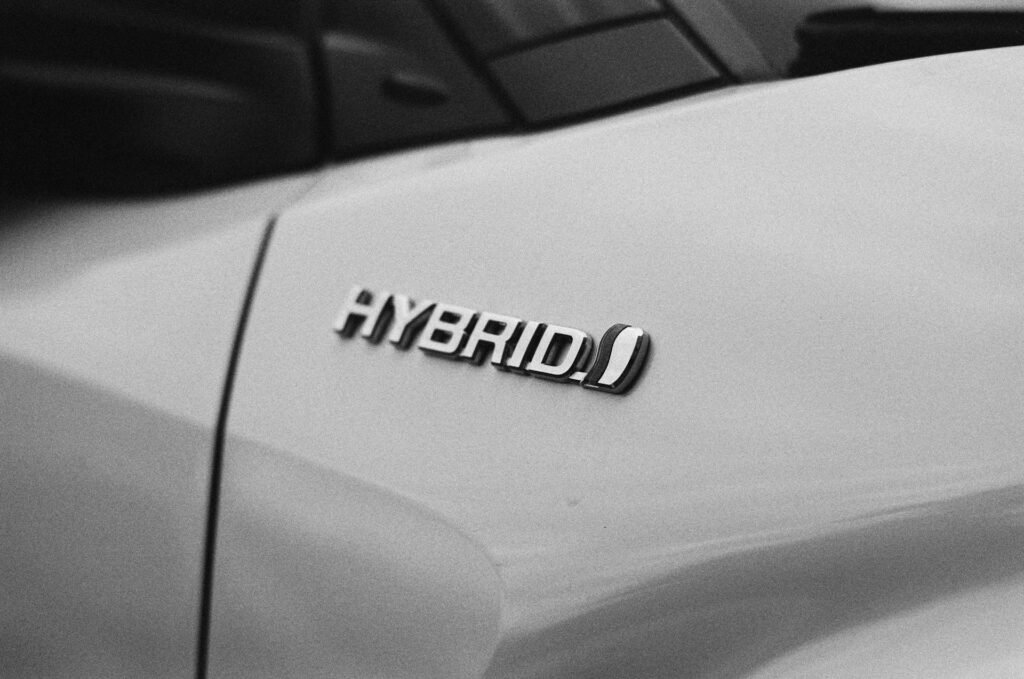
When automakers talk about “self-charging vehicles,” they’re usually referencing hybrids that have an electric motor, a battery pack, and a conventional engine. Everyday driving creates mechanical energy—through accelerating, cruising, and braking—that can be converted to electrical energy.
- Kinetic Energy Recovery
Regenerative braking turns a moving vehicle’s kinetic energy into electric current, saved in the battery. This helps prevent wasting energy as heat when pressing the brake pedal. However, it can’t provide enough energy to keep the battery fully charged indefinitely. - Engine-Assisted Charging
Some models use the car’s engine as a power source for charging. A small DC converter might direct surplus engine power to recharge the electric battery, reducing the need for external charging. Yet burning fossil fuels remains part of the process. - Solar Charging and Other Novel Ideas
Certain car manufacturers are experimenting with solar panels to capture solar energy, or even wind turbines that harness airflow. These concepts may increase overall energy efficiency but usually only generate a small amount of energy—rarely enough power to operate the vehicle without fuel or grid electricity.
Types of Self-Charging Approaches
Mild Hybrids
A mild hybrid carries a smaller battery than a full EV, recharged via regenerative braking and engine surpluses. While the electric motor can assist acceleration, the car typically can’t drive on battery power alone for long. This is a form of self-charging that improves fuel efficiency in stop-and-go urban areas, but it won’t replace plugging in or fueling up entirely.
Full Hybrids
Full hybrids have a slightly larger battery than mild hybrids and rely more on electrical energy at lower speeds. This can be beneficial for short distances, improving energy efficiency. Still, frequent stops at a gas station remain necessary for extended trips because the vehicle’s battery doesn’t store enough energy for purely electric driving over longer miles of range.
Plug-In Hybrids
Plug-in hybrid cars add bigger batteries and can be charged via an EV charger at home or public chargers. While they also recoup energy through regenerative braking and the vehicle’s engine, most of their extra electric range stems from direct charging. Essentially, they blend self-charging components with external charging to extend how long the vehicle’s battery can power the car.
Core Technologies That Recover Energy
1. Regenerative Braking
Regenerative braking is fundamental in almost every self-charging EV. As the driver slows, the electric motor reverses and acts as a generator. This creates electrical energy from mechanical energy, which goes back into the battery. The process saves some amount of electricity that would otherwise be lost as heat. Because urban areas involve stop-and-go traffic, this method offers a major advantage there—but on highways, the benefit is less pronounced.
2. Solar Panels
Several new cars incorporate solar panels, typically on the roof. Under perfect conditions, solar charging might provide power for accessories or slightly top up the battery. However, standard car roofs provide limited surface area. While solar energy helps, it usually can’t supply enough energy to run the entire car for long distances.
3. Wireless EV Charging
Wireless EV charging technology relies on electromagnetic induction to send electric current from a pad on the road surface or in car parks to a receiver in the car’s battery. Though it eliminates cables, it still comes from the grid, so it’s not a purely form of self-charging. Building the necessary infrastructure for large scale wireless charging is still in the research phase.
4. Onboard Generators
Some self-charging hybrids use an internal combustion engine as an onboard generator, converting fuel into electrical power for the battery. Though it reduces external charging sessions, the reliance on gasoline or diesel fuel remains. For many drivers, that’s still better than a conventional gas-fueled car, but it doesn’t remove fossil fuels from the equation.
Comparing Self-Charging Cars with Traditional Options
A self-charging vehicle typically emits fewer carbon emissions than a diesel car or other ICE-powered vehicles. By using recovered kinetic energy and partial electric operation, it can slash the amount of fuel needed. This helps lessen the overall environmental impact and fuel costs.
Traditional gasoline-powered cars, on the other hand, often waste mechanical energy as heat. They also rely 100% on fossil fuels and produce higher emissions. Nonetheless, if a self-charging hybrid runs out of battery power and fuel tank reserves, it can’t magically recharge itself without external input—be it gas, diesel, or plugging in if it’s a plug-in model.
Main Reasons Drivers Consider Self-Charging EVs
- Convenience
Many EV owners like the idea of reducing or avoiding external charging. If your driving profile involves frequent stops, regenerative braking can recapture a useful amount of electricity, extending the battery’s effective range. - Lower Fuel Usage
Self-charging vehicles consume less gasoline than a typical gas-fueled car. Even though you must still buy fuel, overall consumption drops, cutting costs and pollution. - Simplicity
Drivers in apartments or other locations without easy access to home charging might prefer a hybrid that gathers extra energy from day-to-day driving. They won’t rely exclusively on public charging stations. - Reduced Carbon Footprint
Less engine run time means fewer carbon emissions, especially in congested city driving. This is beneficial for urban areas looking to combat air pollution. - Extended Longevity of Brakes
By using regenerative braking, you place less wear on the traditional brake components. The brake pedal experiences less friction over time, resulting in longer part life and potential savings on maintenance.

Benefits and Drawbacks at a Glance
Benefits
- Improved Energy Efficiency: Converting wasted energy into electrical energy is better than losing it as heat.
- Flexibility: Self-charging hybrids can run on gas when the battery is depleted, eliminating range anxiety.
- Lower Emissions: Compared to fully gas-fueled cars, these vehicles release less CO₂ and other pollutants.
Drawbacks
- Not 100% Free of Fossil Fuels: You still rely on gasoline or diesel fuel for the car’s engine.
- Complex Engineering: Combining electric motors, batteries, and combustion engines can lead to more technical issues.
- Limited Electric-Only Range: Most self-charging hybrids can’t travel purely on battery power for very long.
Industry Momentum and Practical Application
Car manufacturers are investing heavily in self-charging vehicle research, recognizing a market segment that wants better energy efficiency without relying solely on plug-in infrastructure. By blending battery power with an internal combustion engine, these new cars offer an appealing compromise.
- Urban Taxis: A taxi driver who spends hours in stop-and-go traffic reaps the benefits of regenerative braking, saving fuel costs.
- Corporate Fleets: Self-charging hybrids can trim operating expenses for companies that log thousands of miles monthly.
- Consumers in Remote Areas: Where public chargers might be scarce, a hybrid can serve as a best option. Drivers can still rely on fossil fuels if needed.
While some see fully electric vehicles as the ultimate goal, self-charging hybrids remain a practical application of current battery technology.
How to Choose the Right Self-Charging EV
1. Assess Driving Habits
If you spend most of your time in urban areas or take short commutes, regenerative braking pays off. But if your daily drive is dominated by highway miles, you may see fewer gains.
2. Check Battery Size and Car’s Range
Look into how large the battery is and whether it provides enough energy for your usual routes. A mild hybrid with a small battery may suffice for city errands, but you might need a plug-in model if you travel longer distances.
3. Factor in Fuel Costs
Self-charging cars still need fuel. Compare how much you’ll save on gasoline or diesel compared to a conventional car, factoring in your weekly mileage.
4. Evaluate Infrastructure
Even if you plan to rely on regeneration, it’s wise to see how accessible public charging stations are. A plug-in hybrid becomes more appealing if you have reliable charging at home or work.
5. Maintenance & Safety Features
Hybrids incorporate multiple systems—an electric battery, a combustion engine, a DC converter, and more. Make sure you’re comfortable with any extra maintenance these vehicles may require. Also, verify that the model includes robust safety features to handle higher voltages.
Addressing Common Questions
- Can a Self-Charging EV Generate Unlimited Power?
No. The law of conservation of energy and the second law of thermodynamics make perpetual motion impossible. Eventually, the battery will need external assistance—either from fossil fuels or an electric grid. - Will I Need an EV Charger at Home?
Not necessarily. Self-charging hybrids rely mostly on their engine and regenerative braking. Plug-in hybrid cars do benefit from an EV charger, but you can still drive without it; you’ll just use more fuel. - Are These Vehicles Better for the Environment?
Yes, compared to standard ICE-powered vehicles. You burn fewer fossil fuels, produce fewer carbon emissions, and capture otherwise-wasted mechanical energy. - What if I Have a Long Commute?
For extended journeys, consider a plug-in hybrid or even a full electric car if you have access to a reliable charging process. A small battery hybrid may not provide the efficiency you’d hope for on highways. - Do Self-Charging Cars Require Special Repairs?
They can. Diagnosing issues, dealing with battery power management, and servicing the electric motor might require specialized technicians. Still, most mainstream car manufacturers offer comprehensive warranties to cover major reasons for failure or user error.
Potential Challenges and Safety Concerns
Despite the upsides, self-charging EVs come with a variety of issues:
- User Error: Assuming the vehicle never needs extra energy can lead to running out of fuel at inconvenient times.
- Technical Issues: Multiple systems (engine, battery, DC converter, etc.) can mean more points of failure.
- Long Time Idle: If left unused for extended periods, the battery may degrade or lose capacity.
- Higher Voltages: Working on electric automobiles can be dangerous without proper training—one reason to rely on certified professionals for repairs.
- Power Outage: During emergencies, you might still need to visit petrol stations or rely on some backup generator if you plan to charge a plug-in variant.
Looking Ahead: From Mild Hybrid to Fully Electric
The future may bring more advanced forms of self-charging vehicles or mild hybrid designs that capture energy in creative ways. Engineers are exploring:
- Magnetic Field Charging: Embedding wireless EV charging coils within the road surface for dynamic charging.
- Refined Solar Panels: Higher-efficiency solar panels that might generate enough power for small cars under ideal conditions.
- Wind Turbines: While often impractical at large scale on a moving vehicle, niche setups could harvest airflow in certain environments.
Nevertheless, fully electric vehicles still lead the conversation around zero-emissions mobility. Battery technology continues to improve, addressing range anxiety and charging speed concerns. Over the coming years, we might see self-charging EVs play a transitional role, bridging the gap between older ICE-powered models and more widespread adoption of pure electrics.
Making an Informed Choice
If you’re drawn to self-charging vehicles, balance the appeal of partial electric driving with the reality of still relying on gas or diesel fuel. Consider the following:
- Driving Profile: City driving maximizes regenerative braking potential, while highway cruising provides fewer chances to recover kinetic energy.
- Budget & Incentives: Certain regions offer tax breaks or rebates for mild hybrid and hybrid purchases, influencing total cost of ownership.
- Environmental Goals: If reducing carbon emissions is a priority, even a mild hybrid is a step up from a purely gas-fueled car. For an even cleaner option, research fully electric cars or plug-in hybrids that rely more on electrical energy.
- Vehicle Manufacturers: Well-known brands often have reliable service networks and warranties, which is crucial for handling technical issues that arise over time.
Ultimately, self-charging EVs can be the best option for those who aren’t ready to commit to a fully electric vehicle or lack consistent charging access. By tapping into mechanical energy that’s typically wasted, they improve energy efficiency and shrink a driver’s carbon footprint. Although these cars can’t produce unlimited power on their own, their partial reliance on recovered energy is a practical application of modern battery power and engineering.
Whether you choose a mild hybrid or a plug-in model, understanding the ins and outs of self-charging vehicles will help you make a smart, sustainable decision. Each year brings new chargers, advanced battery designs, and more efficient engines, so it’s an exciting time to explore all the possibilities that help us drive toward a cleaner future.