Electric vehicles (EVs) are revolutionizing transportation, driven by a growing demand for sustainable solutions and diminishing reliance on fossil fuels. At the heart of this green movement lie the batteries that power EVs, primarily lithium-ion. Understanding how these batteries are crafted, from raw material extraction to assembly, reveals the technological advancements and environmental challenges involved.
This synthesis not only showcases the intricate balance between cutting-edge innovation and ecological responsibility but also raises important questions about the sustainability of ongoing manufacturing practices. Exploring these aspects provides a clearer picture of the environmental ramifications and potential for improvement in the EV sector.
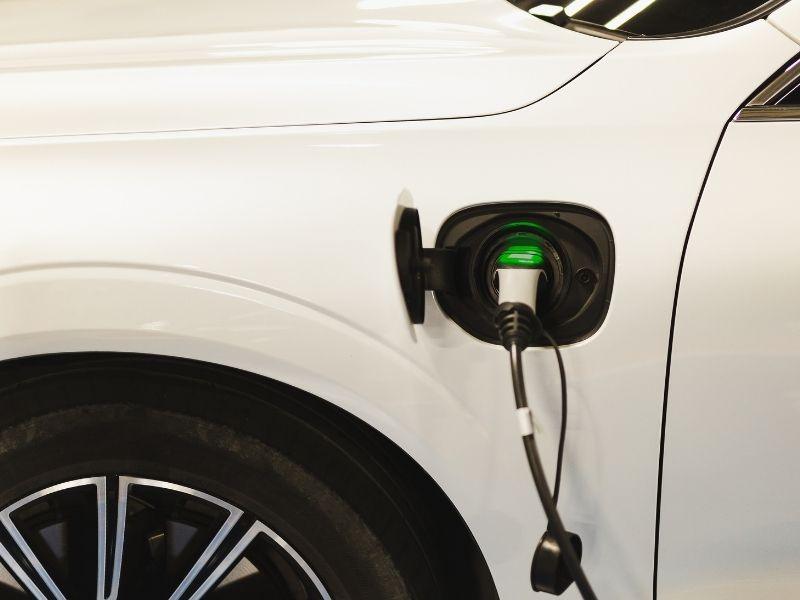
Understanding Electric Car Batteries
Electric car batteries are at the heart of the electric vehicle revolution, providing the power necessary for these vehicles to operate efficiently. The complexity of these batteries often raises questions about their components and sustainability. By delving into the fundamental aspects such as the materials used, the structure of lithium-ion cells, and the environmental implications of mining, we get a clearer picture of their production and function. This overview helps illuminate the intricate world of EV batteries and sets the stage for exploring sustainability in manufacturing processes.
What Are the Key Components of EV Batteries?
At the core of electric cars are their batteries, primarily lithium-ion types, revered for their high energy density and the capacity to store substantial electricity. A typical EV battery comprises several key components, each playing a crucial role in energy storage and delivery. The primary elements include cells, electrodes, and the casing. Battery cells contain the chemical concoctions that enable energy storage. They encapsulate the active materials and the electrolytes that facilitate ion movement, essential for charging and discharging cycles.
The electrodes, specifically the anode and cathode, are vital in the battery’s function. The anode usually consists of graphite, while the cathode incorporates more exotic battery materials like lithium cobalt oxide or lithium iron phosphate. These materials are pivotal, enabling the flow of ions during operations which determines the battery’s overall capacity and efficiency. In essence, the choice of minerals and battery materials significantly impacts the performance and lifespan of EV batteries. The same principle applies across other lithium-ion applications, including a power tool battery, where material quality directly affects run time and durability. High-grade cells handle repeated charging cycles better and maintain consistent output under load. This crossover highlights why material selection remains a critical factor across both industrial and consumer battery technologies.
The materials sourcing process, especially mining, often sparks discussions on sustainability. The extraction of lithium and other minerals raises environmental concerns due to the energy-intensive nature of mining and the associated ecological footprint. Thus, the production methods and the ethical sourcing of such minerals play an essential role in the broader sustainability narrative. As we further explore the manufacture and assembly processes, we’ll shed light on how the industry is addressing these challenges and striving for greener solutions. Understanding these components is crucial for comprehending their role in the growing landscape of electric vehicles.
Battery Production Process
The creation of electric car batteries is a detailed process involving the precise assembly of numerous components to ensure optimal functionality and safety. Within this process, the assembly of battery cells and the incorporation of prismatic and pouch cells are pivotal. These elements not only define the structural form of the batteries but also influence their efficiency and application in electric vehicles. Understanding how battery cells are assembled, alongside the critical roles prismatic and pouch cells play, offers significant insight into the dynamics of battery manufacturing and the efforts made to enhance sustainability.
How Are Battery Cells Assembled?
Battery production begins with the assembly of battery cells, a fundamental step in battery manufacturing. These cells are the cornerstone of the EV battery’s structure, holding the materials that store and release energy. During the production phase, battery manufacturers first ensure the high purity and quality of the raw materials such as lithium, cobalt, and nickel. These materials are shaped into electrodes, specifically the anode and cathode, as discussed previously. The intricacies of battery manufacturing demand precision, with electrodes fashioned to exact specifications to ensure optimal ion flow. This ion flow is crucial as it directly impacts the electric vehicle battery’s capacity and efficiency.
In the next stage, the cells are assembled by stacking or winding the electrodes, with separators inserted between them to prevent short circuits while allowing ions to pass through. The current collector is then added to facilitate the smooth transfer of electric current. To complete the assembly process, the cells are encased and sealed, often filled with electrolyte, a medium which ensures ion transportation between anodes and cathodes. This meticulous process highlights how battery manufacturers strive to optimize the balance between battery capacity and longevity. Efficient assembly techniques are essential as they contribute to the performance and safety of electric vehicles, hinting at the extensive research and innovation driving this sector. The entire production chain is part of an optimized supply chain network where every step is vital to delivering reliable and efficient EV batteries.
The Role of Prismatic Cells and Pouch Cells in Production
In the realm of battery production, prismatic and pouch cells are prominent due to their unique design and functionality. Unlike cylindrical cells traditionally used in batteries, prismatic cells offer a higher energy density, a crucial attribute for electric vehicles. These cells are encased within sturdy metallic housings providing additional protection against physical stress, enhancing their durability, this ability to withstand stress underlies their preference in EV battery manufacturing. Pouch cells, on the other hand, use lightweight, flexible materials for casing, which allows for greater flexibility in design. This flexibility means that battery manufacturers can conform pouch cells to various shapes within the battery pack, maximizing space efficiency without compromising capacity.
The choice between prismatic and pouch cells often depends on the vehicle design and the specific performance requirements. Prismatic cells, while bulkier, provide robust energy storage and are known for their long lifespan. Conversely, pouch cells, though potentially less stable than their prismatic counterparts, offer advantages in terms of weight and space economy, making them ideal for compact EVs where space is at a premium. Regardless of type, both cells require a streamlined production process that minimizes waste and maximizes efficiency, reflecting the ongoing evolution in battery manufacturing.
Incorporating these various cell types exemplifies how battery manufacturers are adapting to meet the increasing demands for efficient, sustainable energy solutions in the electric vehicle market. As the industry continues to innovate, the days of relying solely on one cell type are waning, echoing the broader sustainability agenda within the supply chain, where every facet, from materials sourcing to assembly, is scrutinized for efficiency and environmental impact. This push towards more sustainable production practices ensures that innovations continue, setting a blueprint for future advancements in EV batteries and sustainability.
Where Are Electric Vehicle Batteries Made?
Electric vehicle (EV) batteries are primarily manufactured in regions with a strong emphasis on technological innovation and abundant resources. Key players in the global battery manufacturing landscape include countries like China, South Korea, and Japan. These regions dominate due to their advanced supply chain systems and access to essential materials like lithium, crucial for producing high-performing batteries. With the growing demand for electric cars, these countries have made significant investments in battery production facilities, aiming to ensure a steady supply of batteries that meet the increasing EV demand globally.
Global Trends in Electric Car Battery Manufacturing
The global trends in electric car battery manufacturing show a dynamic and competitive market, driven by innovation and sustainability. China stands out as the leader in battery manufacturing, accounting for a significant portion of the global supply. The country’s advantage stems from its abundant reserves of lithium and other vital battery materials, coupled with government policies that support the expansion of manufacturing capabilities. Battery manufacturers in China are at the forefront of technological advancements, producing batteries that are increasingly efficient and eco-friendly, which aligns with global shifts towards greener energy solutions.
South Korea and Japan are also pivotal in the global battery manufacturing arena, each with distinct strengths. South Korean companies are renowned for their cutting-edge technology and high-quality manufacturing processes, often focusing on improving battery longevity and charge efficiency. These innovations help mitigate concerns about the lifespan of electric vehicle batteries, positioning South Korea as a key player in the EV supply chain. Japanese manufacturers, meanwhile, excel in developing compact, energy-dense batteries suitable for various electric cars, ensuring that they remain competitive in the fast-evolving market.
Beyond Asia, Europe is emerging as a formidable contender, investing heavily in local battery production to reduce reliance on imports and enhance sustainability within the European supply chain. The continent is witnessing a surge in battery manufacturing plants, supported by EU initiatives aimed at fostering clean energy technologies. This strategic move not only bolsters Europe’s manufacturing prowess but also underscores the region’s commitment to cutting carbon emissions by embracing electric vehicles. The U.S. is not far behind, with significant investments in expanding its battery production capacity to meet domestic EV demand, marking a concerted effort to bolster its role in global EV manufacturing.
Across these regions, the emphasis on sustainable manufacturing practices is evident. Battery manufacturers are increasingly aware of the environmental impact associated with mining and material sourcing. As such, there is a concerted push towards reducing the ecological footprint of battery production through innovations and more efficient material use. These trends indicate a promising trajectory towards a more sustainable and competitive electric vehicle battery industry, driven by global collaboration and a shared vision for cleaner transportation solutions.
The Impact of EV Batteries on Sustainability
The rise of electric vehicles represents a pivotal shift in transportation, driven by the potential of EV batteries to reduce carbon emissions significantly. However, the journey towards sustainable transportation is complex, given the environmental challenges linked to battery manufacturing. These challenges encompass the entire lifecycle of EV batteries, from raw material extraction to production and eventual disposal. As the EV industry grows, understanding the sustainability impact of battery production becomes crucial. This exploration delves into the myriad challenges faced by the sector and seeks pathways to enhance sustainability in EV battery production processes.
Challenges in Making EV Battery Production Sustainable
The push towards electric vehicles has highlighted several sustainability challenges inherent in the production of EV batteries. One of the main concerns lies in the extraction and processing of critical materials such as lithium, cobalt, and other essential minerals. These processes currently have a significant environmental impact, primarily due to energy-intensive mining techniques that can lead to habitat destruction and pollution. Additionally, the social implications of mining operations, especially in regions lacking strict labor regulations, raise ethical concerns about worker exploitation and the adverse effects on local communities.
The sustainability challenges extend beyond mining to the EV battery manufacturing processes themselves. These stages require significant amounts of energy, often sourced from non-renewable sources, adding to the carbon footprint. The manufacturing capacity of EV batteries needs to be scaled sustainably, accounting for the environmental footprints of materials storage, processing, and transportation. As demand escalates, battery manufacturers are under pressure to innovate and develop manufacturing strategies that are not only efficient but also minimize ecological and social impacts.
Furthermore, the disposal and recycling phases of EV batteries bring additional sustainability challenges. Currently, recycling rates for EV batteries remain low, and the recycling processes themselves are in need of optimization to recover valuable materials effectively. Improving these recycling practices is crucial for closing the loop in the battery lifecycle, thereby reducing the need for fresh mineral extraction and supporting sustainability. In tackling these multifaceted challenges, the EV industry is increasingly exploring alternative materials, enhanced recycling technologies, and renewable energy integration into manufacturing processes. By addressing these sustainability challenges head-on, the industry can pave the way for a more sustainable future in electric vehicle transportation.

Innovations in EV Manufacturing
In the evolving landscape of electric vehicles, manufacturing innovations are pivotal in enhancing efficiency and sustainability. Recent advancements highlight the integration of cutting-edge technologies in EV battery production, particularly notable is the role of laser solutions. These innovative techniques transform traditional processes, aiming for more eco-friendly and efficient production cycles. By focusing on innovations involving lasers and novel production methods, we explore how the electric vehicle industry is pushing the boundaries of technology to create better performing, longer-lasting batteries.
Advancements in Laser Solutions for EV Battery Production
Laser technology has emerged as a revolutionary force in the production of EV batteries, offering unprecedented precision and efficiency. In the realm of manufacturing, lasers are employed in multiple facets of the process, particularly in the assembly of battery cells and electrodes. Their precision allows for exact material removal and welding, which is critical when working with sensitive materials like lithium and other key battery components. These advancements contribute to the accuracy and reliability of battery manufacturing, reducing the potential for defects and enhancing the overall quality of the electric vehicle batteries.
One of the most significant contributions of laser technology to battery manufacturing is its role in the production of battery cells and electrodes. With the ability to cut and fuse materials with high precision, lasers ensure consistent and reliable connections, which are vital for the effective operation of lithium-ion cells. This precision minimizes material wastage, aligning with sustainability goals by optimizing the use of raw materials. Moreover, lasers facilitate the integration of advanced materials, such as innovative coatings on electrodes, which can lead to enhanced battery performance and longevity.
In addition to material processing, lasers are making strides in the automated assembly of battery components. This automation reduces labor costs and improves production speed, enabling manufacturers to meet the growing demand for electric vehicles without compromising on quality or sustainability. As the industry continues to explore the potential of laser solutions, there’s a strong focus on further refining these technologies to accommodate newer materials and innovations within the electric vehicle sector.
The integration of lasers into the EV battery manufacturing arena not only showcases technological advancements but also underscores a broader commitment to sustainable production practices. By reducing waste and energy consumption, these innovations contribute significantly to lessening the environmental impact of battery production, an essential consideration given the scale at which this industry is expected to grow. As we witness ongoing developments in laser applications, it’s clear that this technology is a cornerstone in the forward momentum towards more efficient and environmentally responsible battery production for electric vehicles.
The Future of Electric Vehicles
The future of electric vehicles promises an exciting transformation in transportation, driven by cutting-edge innovations and sustainable practices. As EVs become more mainstream, manufacturers continuously seek to enhance electric car batteries’ efficiency and sustainability. Technological advancements in battery manufacturing are paving the way for more robust and eco-friendly production methods. This evolution in EVs is largely attributed to significant improvements in battery capacity and the integration of innovative technologies, all contributing to a more sustainable future for electric vehicles.
How Innovations Are Shaping the Future of EVs
In the rapidly evolving landscape of electric vehicles, innovations are vital for advancing both performance and sustainability. The backbone of these advancements lies in the breakthroughs in EV battery technology, which are making electric cars more efficient and reliable than ever before. Central to this progress is the development of batteries with higher capacity, which enables electric vehicles to travel longer distances between charges, directly addressing one of the primary concerns of potential EV consumers: range anxiety. Engineers are experimenting with new materials and battery chemistries, such as solid-state batteries, that promise increased energy density and enhanced safety features. This innovation could revolutionize how EV batteries are manufactured, potentially reducing reliance on scarce minerals like cobalt, thus mitigating some environmental and ethical concerns associated with traditional battery materials.
Moreover, manufacturing processes themselves are seeing significant transformations. Technologies such as advanced robotics and AI-driven production lines are streamlining EV manufacturing, reducing waste, and increasing efficiency. By automating complex tasks, manufacturers are able to maintain high levels of precision and quality control that manual processes struggle to achieve. These technologies also enable better resource management, an essential factor considering the environmental footprint of battery production. Simultaneously, recycling processes are improving, with new methods being developed to reclaim and reuse materials from old batteries, thus closing the lifecycle loop and reducing the demand for new raw materials. As part of a commitment to sustainable production, manufacturers are increasingly sourcing energy from renewable sources to power their operations, a move that significantly cuts carbon emissions.
The integration of innovative technologies in EV manufacturing isn’t just improving performance and sustainability; it’s also making electric vehicles more accessible to a broader market. As production costs decrease due to efficiencies gained from technological advancements, the overall cost of EVs is expected to lower, making them a viable option for more consumers worldwide. This shift aligns with global sustainability goals, aiming for a significant reduction in greenhouse gas emissions through widespread adoption of electric vehicles. As the industry continues to innovate and evolve, it is clear that the future of electric vehicles holds immense potential for creating a cleaner and more sustainable transportation sector.
The sustainability of electric vehicle battery manufacturing hinges on advancements in technology and increased efficiency in recycling processes. Innovations such as solid-state batteries and improvements in energy storage systems are promising developments that could minimize environmental impacts. Furthermore, a circular economy approach, which prioritizes battery recycling and repurposing, holds the potential to reduce reliance on raw material extraction. As the automotive industry accelerates its transition toward greener energy solutions, fostering sustainable battery production practices becomes imperative in supporting global environmental goals and ensuring the long-term viability of electric vehicles.