Understanding the electricity requirements of a Tesla is crucial for new and prospective electric vehicle owners. As one of the leading brands in sustainable transportation, Tesla uses advanced technology to optimize energy efficiency. This article explores how much electricity a Tesla typically consumes, examining variables such as model type, driving habits, and charging methods. With growing concerns over energy consumption and environmental impact, gaining insight into the electric usage of a Tesla is not just informative but essential for those committed to greener living. Join us as we delve into the nuances of Tesla charging and electricity use.

Understanding Tesla’s Electricity Consumption
As more people embrace electric vehicles (EVs) like the Tesla, understanding their electricity consumption becomes crucial. This knowledge is essential for drivers looking to optimize their Tesla’s performance, manage energy costs, and reduce environmental impacts. Tesla cars are renowned for their efficiency, but many variables affect their overall electricity usage.
In this section, the focus will be on discussing how much kWh is needed to power a Tesla and exploring the factors influencing its electricity usage. Delving into these aspects will offer insights into the interplay between efficiency, consumption, and the growing relevance of sustainable mobility.
How Much kWh Needed to Power a Tesla?
Tesla vehicles, with their sleek designs and cutting-edge technology, have become synonymous with the electric car revolution. A crucial aspect of owning one is understanding the kWh needed to power a Tesla effectively. On average, Tesla cars require between 30 to 50 kWh for a full charge, depending on the model and its battery capacity. For instance, the Tesla Model 3 Long Range requires approximately 75 kWh for a full charge, yielding a range of about 322 miles under optimal conditions. This impressive range efficiency is an essential selling point for Tesla’s EVs, as it aligns with their commitment to sustainability and energy conservation.
When considering electric vehicle consumption, it’s important to note the measurable energy impact. Different Tesla models have distinct kWh needs, closely related to their battery size and driving range. The Tesla Model S Plaid, with its substantial 100 kWh battery, offers a remarkable range of up to 396 miles per full charge. Meanwhile, the Model Y requires around 75 kWh and provides roughly 326 miles of range. This comparison illustrates the importance of selecting a Tesla based on individual energy needs and driving habits.
Understanding these kWh requirements helps potential Tesla owners gauge their electricity usage better and plan their charging schedules effectively. Knowing the kWh needed is also valuable for calculating costs, as electricity prices vary across regions. In the U.S., the average cost per kWh is approximately 13.3 cents, which varies based on location and peak usage times. Tesla’s advanced software assists in estimating the charging costs by offering real-time data on electricity consumption, helping owners optimize their charging habits to leverage lower rates, ultimately reducing the overall cost of ownership.
The importance of kWh knowledge extends beyond just financial implications. It highlights the role of energy efficiency in sustainable transportation, emphasizing how Teslas, with their minimal carbon footprints, contribute positively to environmental conservation efforts. The understanding of Tesla’s electricity consumption in kWh terms can empower users not just to be informed consumers but active participants in a more sustainable future.
Factors Influencing Tesla’s Electricity Usage
Various factors impact a Tesla’s electricity usage, reflecting the dynamic integration of technology, environment, and user behavior. One significant factor is driving patterns. Aggressive acceleration, high speeds, and frequent stops can dramatically increase electricity consumption, thereby reducing range efficiency. Tesla’s regenerative braking technology helps mitigate this by converting kinetic energy back into stored energy, enhancing electricity usage efficiency.
Environmental conditions also play a pivotal role. Temperature extremes, be it cold winters or hot summers, can influence battery performance and therefore electricity consumption. During colder months, Teslas might use more electricity to maintain battery warmth and cabin temperature, impacting the overall kWh usage. Similarly, in high temperatures, increased energy is used to pump the coolant in Tesla’s air-conditioned systems. Understanding these impacts enables drivers to adapt their driving to optimize electricity consumption.
Furthermore, vehicle maintenance stands out as a key influencer of electricity efficiency.
Well-maintained Tesla batteries tend to retain charge capacity better over time, ensuring minimal loss of range efficiency. Regular software updates from Tesla offer enhancements that can optimize battery performance and electricity management. These updates may provide new features or improvements aimed at extending vehicle range or reducing energy drain, thereby influencing overall electricity usage positively.
Tesla’s electricity usage is also shaped by the weight and load carried by the vehicle. Heavier loads can lead to increased energy consumption, as more power is required to accelerate and maintain speed. Therefore, maintaining an appropriate weight balance by decluttering or eliminating unnecessary load can enhance energy efficiency.
Charging habits form another crucial consideration. Charging a Tesla during off-peak hours not only saves on electricity costs but can also reduce the environmental impact of grid pressures. Tesla’s innovative approaches, including features like the Tesla Supercharger network, are designed to optimize energy replenishment processes, allowing for quicker, cost-effective charging.
Overall, these factors highlight the multilayered nature of Tesla’s electricity usage. By being cognizant of these influences, Tesla owners can improve their energy management, reduce consumption, and enhance their vehicles’ efficiency, ultimately contributing to sustainable energy practices in the broader context of electric vehicle adoption.
Comparative Analysis of Electric Vehicles
Electric vehicles (EVs) are transforming transportation, offering a greener alternative to traditional cars. Comparing the energy use between electric cars and their gasoline counterparts sheds light on efficiency and environmental impacts. A focus on Tesla highlights the benefits of adopting EVs, from reduced carbon footprints to potentially lower energy costs. This analysis examines how EVs, particularly Tesla cars, compare in terms of electricity usage, the range they offer in miles, and overall efficiency. Additionally, it explores the broader benefits drivers can enjoy, emphasizing sustainable mobility and economic advantages.
Electric Vehicles vs. Traditional Cars: Energy Use
The energy use of electric vehicles like Teslas stands in stark contrast to that of traditional gasoline-powered cars. When discussing energy consumption, it’s crucial to consider how these distinct vehicle types operate. Electric cars run on electricity measured in kilowatt-hours (kWh), while conventional cars rely on gasoline, measured in gallons. To understand the efficiency of a Tesla, consider its electricity usage relative to a traditional car’s fuel efficiency. Teslas are renowned for converting electric energy into propulsion with fewer losses compared to internal combustion engines, offering significant energy savings.
A Tesla car, for example, might use around 30 kWh for every 100 miles, offering impressive energy efficiency. In contrast, a traditional car consuming 25 miles per gallon would use roughly four gallons of gasoline for the same distance, translating into higher energy content due to gasoline’s higher energy density. This comparison highlights the disparity in energy efficiency between the two types of vehicles, with electric cars like Teslas leading in energy conservation.
Energy use directly impacts drivers’ costs. While electricity prices can vary, they generally remain lower than gasoline prices, offering potential savings in running a Tesla compared to a traditional vehicle. Moreover, the efficiency of electric motors means less energy is wasted as heat, enabling Tesla cars to optimize every kWh. This efficiency is enhanced by regenerative braking, a feature in many Teslas that captures energy typically lost in traditional braking systems, converting it back into stored electricity.
The careful design of Teslas promotes excellent energy usage management. With aerodynamically optimized bodies and energy-efficient powertrains, they offer remarkable ranges, with some models covering nearly 400 miles on a single charge. This range is especially vital for drivers transitioning from gasoline vehicles, providing assurance of extended travel capabilities without frequent recharging. The sophisticated software integrated into Teslas aids users in managing electricity usage, continuously updating to ensure optimal energy efficiency.
For drivers contemplating the switch, the reduced environmental impact from decreased emissions is a compelling argument. Traditional cars emit substantial quantities of CO2, contributing to climate change. In contrast, driving a Tesla, particularly when charged using renewable energy sources, can dramatically reduce one’s carbon footprint. The sustainability narrative enhanced by Tesla’s efforts extends beyond individual environmental benefits to support broader global climate goals.
In summary, Teslas present notable energy use advantages over traditional cars, offering both tangible cost benefits and significant environmental contributions. By focusing on enhancing kWh efficiency and leveraging innovative technologies, Tesla continues to lead the charge towards broader adoption of electric vehicles, paving the way for a more sustainable future.
Benefits of Switching to an Electric Vehicle
Switching to an electric vehicle like a Tesla offers myriad benefits, transforming the driving experience while advancing sustainability. A primary advantage is the environmental impact. EVs contribute to lowering greenhouse gas emissions significantly, which is essential for combating climate change. Unlike traditional vehicles, which emit pollutants and carbon dioxide, Teslas operate without tailpipe emissions, offering a clean alternative. For environmentally conscious drivers, this translates into reduced personal carbon footprints, supporting broader environmental conservation efforts.
Beyond environmental considerations, economic benefits are significant for Tesla car owners. While the initial investment might be higher compared to some gasoline vehicles, total cost of ownership tends to decrease over time due to reduced operating costs. Electricity is generally cheaper than gasoline, thus operating a Tesla can lead to substantial savings on fuel expenditures. Additionally, Teslas require less maintenance, as they have fewer moving parts compared to internal combustion engines. This reduction in mechanical complexity leads to lower maintenance costs over the vehicle’s lifespan.
Another crucial aspect that enhances the appeal of EVs is energy security. By driving electric, owners become less dependent on fluctuating oil markets. Electricity prices are generally more stable, and with the increasing adoption of renewable energy, this stability is likely to improve further. Tesla’s integration of innovative technologies such as home solar panels and energy storage solutions empowers users to generate and store their own energy, bolstering this security while further reducing their reliance on conventional fuel sources.
Comfort and performance are other areas where Tesla excels. Electric vehicles are known for their smooth, quiet operation, enhancing the driving experience. Tesla’s advanced technology offers fast acceleration and superior handling, often outperforming gasoline vehicles in performance metrics. This level of performance is paired with cutting-edge features, providing a luxurious and enjoyable driving experience.
The convenience of EV ownership is further amplified by the growing network of Tesla Superchargers and public charging stations. Rapid advancements in charging technology mean that range anxiety is diminishing. With strategic placement of charging infrastructure, Tesla drivers benefit from extensive coverage, ensuring they can cover long distances without concerns about recharging.
Switching to a Tesla also aligns with a trend towards future-proofing. As countries worldwide enact environmental regulations and phase out traditional vehicles, owning an EV ensures compliance with evolving standards, contributing to personal and societal efforts towards sustainability.
In conclusion, the shift to a Tesla vehicle represents more than just an upgrade in transportation. It signifies a move towards a reliable, sustainable, and efficient future, aligning with global goals for reducing emissions and fostering economic benefits. As the world advances towards a decarbonized future, Teslas are poised to play a pivotal role in this transformation, making the switch an increasingly attractive option for forward-thinking drivers.
Charging Tesla: What You Need to Know
Charging a Tesla goes beyond merely plugging in; it involves strategic decisions to optimize electricity usage, cost, and convenience. With numerous options available, from home charging setups to public stations, understanding the nuances of charging helps drivers make informed decisions. This section will delve into efficient charging methods and explore the range of options available for both home and public Tesla charging stations. These insights not only enhance vehicle sustainability but also align with broader energy-efficient practices in electric vehicle charging.
Optimal Ways to Charge Your Tesla Efficiently
Charging a Tesla efficiently is a critical aspect of ownership, one that impacts everything from energy costs to battery lifespan. Understanding how to optimize charging processes can result in significant savings and enhance the sustainability of Tesla electric vehicles. One of the most efficient ways to charge a Tesla is employing timed charging at home. This involves setting the car to charge during off-peak electricity hours when rates are lower. Most electrical grids lower their prices during nighttime, making it a cost-effective time to charge your electric vehicle. Tesla cars come equipped with scheduling software features that allow drivers to configure their charging times, offering a straightforward way to save on electricity costs.
Another component in efficient Tesla charging is to avoid high-speed charging frequently. While Tesla’s Supercharger network is designed for quick replenishment, frequent use can stress the battery and generate higher electricity usage. Instead, regular home charging or using Level 2 public chargers should be prioritized for routine recharges, reserving Superchargers for long trips or when time constraints are significant. This balance helps sustain the health of Tesla batteries over time, ensuring they maintain optimal functionality and energy efficiency.
Maximizing the range efficiency of your Tesla also involves considering environmental factors and adjusting charging behavior accordingly. Temperature plays a vital role in battery performance, influencing both charging speed and capacity retention. Charging in moderate conditions is typically preferable, safeguarding the battery and decreasing unnecessary electricity usage. In extreme conditions, battery preconditioning can be employed. This process prepares the battery for high-speed charging by warming or cooling it as necessary before reaching the charger, which Tesla vehicles can do automatically.
Charging efficiency extends to considering the total energy input versus the energy stored in Tesla cars. Chargers often have a loss rate, where some energy is lost during the conversion and transmission process. To mitigate this, Tesla’s onboard systems continually update and optimize algorithms for power intake, ensuring substantial efficiency. Moreover, keeping software updated ensures the latest energy optimization features are active, contributing to the overall charging effectiveness.
Lastly, efficient charging is also about planning. Utilizing mobile apps and Tesla’s in-car systems to monitor energy usage and adjust settings can provide comprehensive insights into the vehicle’s electricity consumption patterns. This data helps drivers make informed decisions about when and how to charge their Teslas most efficiently, taking full advantage of technological advancements designed to optimize energy usage and extend the longevity of Tesla batteries.
A Guide to Charging Tesla at Home and Public Stations
The decision of where to charge your Tesla—at home or a public station—is influenced by factors such as convenience, cost, and the availability of the charging infrastructure. Home charging, typically conducted overnight, capitalizes on lower nighttime electricity rates, making it the most cost-effective method for many Tesla drivers. Installing a dedicated home charging station, like Tesla’s Wall Connector, enables faster charging and integrates seamlessly with Tesla vehicles. This custom setup ensures a full charge by morning, ready to maximize the day’s travel mileage.
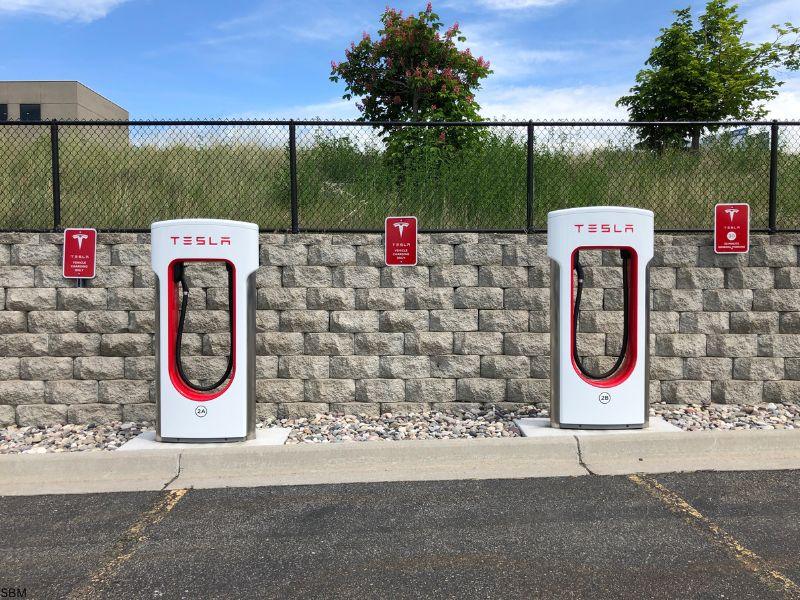
In contrast, public charging stations offer flexibility and essential support for long-distance travel, providing opportunities to recharge while on the go. Tesla’s extensive Supercharger network is crucial for this, boasting chargers that can deliver up to 200 miles of range in as little as 15 minutes for certain models. However, using these stations primarily involves navigating cost considerations, as charging fees can vary based on location and peak hours.
The role of public stations extends beyond the Tesla Supercharger network. Many urban and rural areas offer an abundance of Level 2 public charging options. These chargers take longer—generally several hours for a full recharge—but they’re often strategically located at workplaces, shopping centers, and recreational areas, allowing drivers to charge while conducting daily activities. Additionally, many businesses offer free or discounted charging to encourage visits, making these options cost-effective.
The growth of charging infrastructure is integral to supporting the broader adoption of electric cars. Investments in public charging networks continue to expand accessibility and addresses “range anxiety,” the fear of running out of energy away from a power source. These developments are not just about convenience; they represent a strategic shift towards a more sustainable transportation network that supports the widespread adoption of electric vehicles.
To maximize the benefits of both home and public charging, drivers should consider their usage patterns and lifestyle needs. For instance, Tesla owners who primarily travel short distances may find that a Level 1 home charger suffices for daily top-ups, whereas long-distance commuters might leverage public chargers more frequently. Understanding the variety of options and their associated costs allows drivers to plan efficient routes and schedules, optimizing battery life and charging efficiency.
Overall, both home and public charging play pivotal roles in the Tesla ownership experience. By aligning these options with personal driving habits and energy goals, Tesla drivers can enjoy the full benefits of their electric vehicles, from reduced costs to increased range flexibility, all while contributing to a greener, more sustainable future.
Evaluating the Cost of Charging Tesla
Evaluating the cost of charging a Tesla involves understanding the intricate variables related to electricity usage, regional prices, and charging habits. With electric vehicles growing in popularity, Tesla’s recharging costs are a significant consideration for prospective buyers and current owners alike. By exploring methods to calculate charging expenses and comparing these with gasoline vehicles, one can gain valuable insights into the economic benefits of electric commuting. Delving into these aspects not only sheds light on cost-effectiveness but also reinforces Tesla’s position in promoting sustainable, energy-efficient mobility.
How to Calculate the Cost of Charging Tesla
Calculating the cost of charging a Tesla hinges on several elements that align with your electricity usage patterns and local energy rates. Understanding how electricity costs are calculated provides a cornerstone for evaluating the financial efficiency of owning a Tesla. Typically, the first step involves knowing your Tesla’s battery capacity and the average electricity rate in your area. The costs usually start with the kilowatt-hour (kWh) needed to fully charge the batteries. For example, if your local electricity rate is 13.3 cents per kWh and your Tesla Model 3’s battery capacity is 75 kWh, charging from empty to full would cost approximately $9.98. This basic calculation provides a grounding point for the broader financial outline of Tesla ownership.
Another layer to consider involves the energy efficiency of your Tesla, defined by its mileage per kWh. Tesla models, like the Model S, can travel roughly three miles for each kWh consumed. By knowing the total range, you can better calculate the costs per mile driven. If the Model S Plaid requires the full 100 kWh to cover its estimated 396-mile range, driving costs per mile would be just over three cents at the same electricity rate. These granular calculations help reveal the cost-effectiveness of electric driving compared to traditional fuel-based vehicles.
Furthermore, costs are also influenced by where and how often you choose to charge your Tesla. Home charging typically benefits from lower electricity rates during off-peak hours, making it a more cost-efficient option for many drivers. Tesla’s advanced scheduling and energy management software can maximize savings, allowing drivers to optimize charging times based on lowest cost. Most residential areas provide lower rates during nighttime hours, and therefore, setting up your Tesla to charge overnight can significantly reduce your overall electricity costs.
Comparing these costs against gasoline vehicles is stark. With the fluctuating prices of gasoline, Tesla drivers often find predictability and savings in electricity rates. Though the initial set up for home chargers or Tesla’s Wall Connector might add to the upfront expenses, the savings accumulated from ongoing energy costs often vindicate the initial outlay. Additionally, Tesla supports its customers with energy-efficient resources even at public charging stations. Utilizing these chargers during low-demand periods can further minimize expenses, creating a comprehensive approach to managing Tesla charging costs.
It’s crucial to stay informed about regional electricity rates and any incentives that local governments might offer for electric vehicles. Tax credits or rebates can modify the cost equation favorably, sometimes offsetting a portion of the electricity cost. In essence, calculating the cost of charging a Tesla involves synthesizing numerous variables. Accurate, consistent monitoring and adaptation are key to maximizing the financial benefits of driving electric.
Is Charging a Tesla Cheaper Than Gasoline?
When considering whether charging a Tesla is cheaper than using gasoline, one must weigh several financial and operational factors. At the core lies the comparison between electricity and gasoline costs, both contemporarily volatile but fundamentally different in structure and implications. Tesla drivers often benefit from more stable electricity prices compared to the often fluctuating and regionally variable gasoline costs. Nationally, electricity tends to be cheaper, with average rates hovering around 13.3 cents per kWh in the U.S. In contrast, gasoline prices are subject to broader geopolitical influences that can lead to unpredictable spikes, impacting drivers’ routine budgets unfavorably.
To illustrate, let’s assess the economic mechanics of both options through real-world scenarios. Assume a Tesla Model 3, which requires about 30 kWh to travel 100 miles at the rate of 13.3 cents per kWh. This results in a cost of $3.99 per 100 miles. Compared to a gasoline vehicle that averages 25 miles per gallon, drivers would pay significantly more for the same distance, even with gasoline at $3 per gallon. Such comparisons underline the considerable financial benefits for Tesla drivers over fuel-reliant vehicle owners, providing consistent savings over time.
Furthermore, Tesla’s energy efficiency, driven by innovations like regenerative braking, offers a simplified energy conversion process that further diminishes energy costs. Electric motors in Tesla models are around 90% efficient in converting energy stored in batteries into motion, whereas internal combustion engines average only about 25-30% efficiency. This intrinsic efficiency translates into less energy wasted, thereby lowering the costs per mile driven.
One must also account for non-cost related benefits that influence this decision. Electric vehicles are exempt from many of the emissions-related penalties that apply to gasoline cars, and in some areas, they also benefit from access to carpool lanes, thus reducing travel time and improving fuel economy indirectly. The ongoing environmental benefits, paired with reduced wear on a Tesla’s motor compared to traditional engines, resonate with cost savings in maintenance and operational lifespan.
However, the cost-benefit equation might vary based on infrastructure availability. While extensive Tesla Supercharger networks minimize ‘fueling’ downtime, the initial setup for home charging, although economically sensible over long periods, represents an upfront investment. Yet, over the lifespan of a Tesla, cumulative savings in energy and maintenance costs strongly advocate for the economic advantages of choosing electric over gasoline.
In conclusion, while regional nuances and individual usage patterns can affect the specifics, charging a Tesla generally proves more cost-effective than fueling a gasoline vehicle. This advantage, consistent with Tesla’s commitment to sustainability, underscores the broader cost-saving potentials that continue to attract environmentally and economically conscious drivers across the globe.

The Role of Electricity in Sustainable Mobility
Electricity plays a pivotal role in the journey towards sustainable mobility, particularly in the context of electric vehicles like Tesla. As adoption increases, the supporting infrastructure for charging becomes an integral part of the equation. Efficient usage and distribution of electricity determine the viability of electric cars as a long-term transportation solution.
In exploring the features and complexities of electricity infrastructure supporting Tesla vehicles, we delve into how Tesla optimizes electric charging, manages usage, and enhances the driving range, ensuring an eco-friendly and cost-effective alternative to traditional fuels.
Electricity Infrastructure for Supporting Tesla
Tesla’s reliance on electricity for propulsion necessitates a robust and efficient infrastructure that can accommodate growing demand. As the world gravitates towards electric vehicles (EVs), the electricity grid faces new challenges in managing the energy requirements of a burgeoning fleet of Teslas. Investment in electrical infrastructure, such as expanding Tesla’s Supercharger network, is crucial to meet the rising energy demands and ensure seamless integration of electric vehicles into our daily transportation systems.
The infrastructure for Tesla charging extends beyond its ubiquitous Supercharger stations. At its core, a sustainable and efficient electricity grid must handle large-scale energy distribution, accommodate renewable energy sources, and ensure stability across the network. Tesla is actively involved in these efforts with initiatives that focus on both the macro and micro levels of energy infrastructure. On a large scale, the company is promoting the use of sustainable energy sources to lower electricity costs and reduce carbon footprints. Integration of solar panels and battery storage solutions—like Tesla’s Powerwall—into homes and businesses exemplifies these efforts.
Tesla’s chargers, particularly the Supercharger network, are designed to alleviate range anxiety—a common concern among electric vehicle drivers. By providing high-speed charging capabilities, these stations support long-distance travel and contribute to the appeal of Teslas. The capacity for rapid charging, where Tesla offers up to 200 miles of range in about 15 minutes, exemplifies how infrastructure investments are transforming the practicality of electric vehicles. As more Superchargers are deployed globally, Tesla owners enjoy increased convenience and flexibility.
Home charging constitutes another crucial component of Tesla’s electricity infrastructure. Most Tesla drivers start by installing Level 2 home chargers, which can cost-effectively power the vehicle overnight. By offering the wall connector, Tesla provides an efficient means to ensure the vehicle is ready for use each day. The ability to charge at home not only reduces costs relative to gasoline but also manages electricity usage by taking advantage of off-peak rates. This personal infrastructure reduces stress on public grids and individual costs, offering a tailored electricity solution that aligns with users’ driving patterns.
Public awareness and policy support are vital to bolstering the electricity infrastructure supporting Teslas and other electric vehicles. Governments are incentivizing the installation of chargers in urban areas, contributing to reduced overall costs of vehicle operation and encouraging the shift to electric mobility. Furthermore, technological advancements in energy management are pivotal in maintaining grid stability. Real-time analytics and smart grids ensure electricity is distributed efficiently, reducing waste and peak demand pressures.
The importance of a robust electricity infrastructure is paramount for the future of sustainable transportation. As Tesla and other manufacturers advance the capabilities of electric vehicles, the surrounding infrastructure must evolve to match their growth. Through strategic investments, innovative technology, and supportive policies, the electricity grid can transition into a system capable of supporting widespread electric vehicle adoption. This transition not only addresses environmental goals but also paves the way for a resilient, energy-efficient transportation network that can meet the needs of both current and future Tesla drivers.
Understanding your Tesla’s electricity consumption allows you to make informed decisions about charging patterns, ensuring optimal efficiency. By leveraging off-peak hours and utilizing renewable energy sources, you can contribute to a more sustainable future while reducing your carbon footprint. Moreover, staying up-to-date with Tesla’s software updates can enhance vehicle performance and energy efficiency. Ultimately, embracing smart charging solutions not only cuts costs but also aligns with broader goals of environmental responsibility and energy conservation, making electric vehicle ownership a holistic approach to sustainability in the modern age.