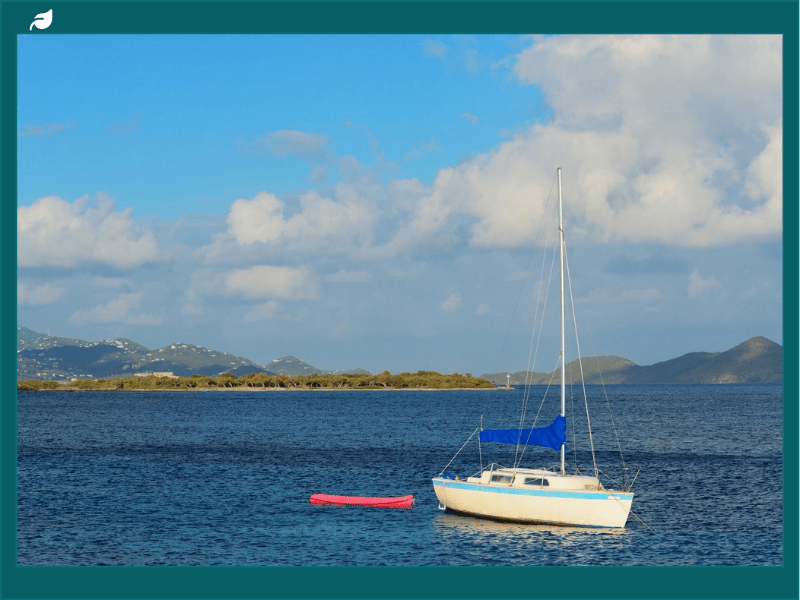
The water around Mallorca pulls at you. You see it from the beach, you see it from the clifftops, and then you want to get out onto it. For a long time the question was how, because renting a boat meant either paying for a skippered tour or holding a maritime licence you probably didn’t have. That’s changed. A boat without license in Mallorca is now a real option for ordinary visitors, and it’s quietly reshaped who gets to use the coastline and on what terms.
Spanish maritime law exempts certain small motorboats from licence requirements: typically up to 6 metres, capped at 6 horsepower or up to 15 horsepower in some cases depending on the vessel. You need to be 18 and able to swim. That’s it. In practice, renting a boat without license in Mallorca means anyone spending a week in Cala d’Or or Puerto Pollença can go out independently, anchor where they want, and come back when they feel like it, without booking a guide or passing an exam. Boat Rental Mallorca, which operates across several of the island’s main tourist areas, has built a large part of its business around this format. The draw is simple: people want to reach the coves the tour boats don’t stop at and spend the afternoon there without a schedule.
Why Electric Motors Are Taking Over Licence-Exempt Rentals
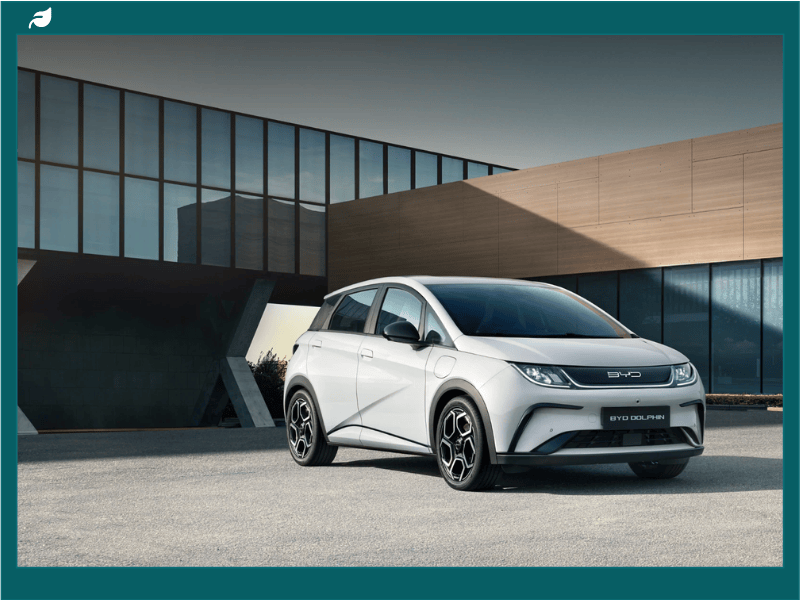
What’s become more interesting in recent years is what’s happening under the hull. A growing share of licence-exempt rentals, particularly the smaller day boats, now run on electric motors. This isn’t a marketing angle. It’s a practical response to two things: the operational costs operators face and the regulatory environment that’s been tightening across the Balearics since the late 2010s.
Electric outboards on rental boats change a few things at once. Noise is the most immediate one. Anyone who’s sat in a quiet bay on a conventional outboard knows the sound carries, bounces off the cliffs, and travels further than it seems like it should. An electric motor is nearly silent. The boat moves through the water without the low mechanical grumble that fills the space otherwise. For day rental operators, silent boats also mean fewer complaints from anchorage neighbours and less friction with marine park wardens. The maintenance picture is simpler too. Fewer moving parts, no fuel to store or manage, less that goes wrong between rentals.
The range question that limits electric propulsion in offshore contexts doesn’t apply here in the same way. A licence-exempt rental typically stays within a few nautical miles of the port, makes one or two stops, and comes back. The routes that work for that format work equally well on a charged battery. Operators who’ve made the switch tend to keep one or two conventional boats in the fleet for longer runs or unusual conditions, but for the standard daily rental, the electric version handles it without issue.
Posidonia Oceanica and What Anchoring Rules Actually Mean on the Water
All of this connects to something that sits on the seafloor across most of Mallorca’s coastline and has been there, in some patches, for tens of thousands of years. Posidonia oceanica is a seagrass, not a seaweed, though locals have called it “s’alga” for as long as anyone can remember. It grows in underwater meadows across the Mediterranean and nowhere else in the world. Mallorca has extensive beds of it, particularly around Cabrera National Park in the south and along the northern coast near the Bay of Pollença. The plant produces oxygen, sequesters carbon, holds the seabed in place, and provides habitat for most of the fish species that make Mallorcan waters worth snorkelling in. The clarity of the water in the island’s famous coves is partly a function of the posidonia filtering it.
The Balearic Government passed Decree 25/2018 specifically to address the damage being done to these meadows. Uncontrolled anchoring had been one of the main culprits: a conventional anchor dropped onto a posidonia bed tears up rhizomes that take decades to regrow. The decree banned anchoring on posidonia meadows and created a surveillance service to enforce it. Since then, mooring buoy systems have appeared across protected areas, giving boats somewhere to tie up without touching the bottom at all.
For rental operators, this matters directly. Boats going out without a licensed skipper still need to operate within these rules, and the better operators now brief renters explicitly on where they can and can’t anchor. Some have moved to GPS-equipped boats with zone alerts. Others rely on printed maps and verbal instruction. The quality gap between operators on this point is real.
What the Numbers Look Like for Operators and What They Don’t Resolve
The broader picture in Mallorca’s coastal leisure economy is that the licence-exempt rental category has grown without necessarily becoming more chaotic. Electric motors help with noise and environmental load. Tighter anchoring rules have pushed behaviour in the water in a more considered direction. The economics work for operators because the barrier to entry for customers is low, turnover is high through the season, and a smaller boat with an electric motor has lower running costs than a skippered tour vessel.
None of this is a solved problem. Posidonia recovery is slow, and the meadows that have been degraded over decades won’t regenerate on a tourist timetable. The surveillance capacity to enforce anchoring rules across hundreds of kilometres of coastline is limited. And summer brings enough boats into Mallorcan waters that even well-intentioned renters can cause accidental damage. But the direction of travel in the industry, quieter boats, clearer rules, more accountability at the rental counter, is at least pointed the right way.
What the licence-exempt electric rental does, at its best, is give someone with no maritime background direct access to a coastline that was otherwise mediated by tour groups or private ownership. That’s not a small thing for an island where the difference between a beach accessible by road and one accessible only by sea is sometimes the difference between crowds and quiet. The environmental constraints are real, but they’re increasingly built into how the product is sold, and that’s a more useful place for them to be than in a regulation that nobody reads.