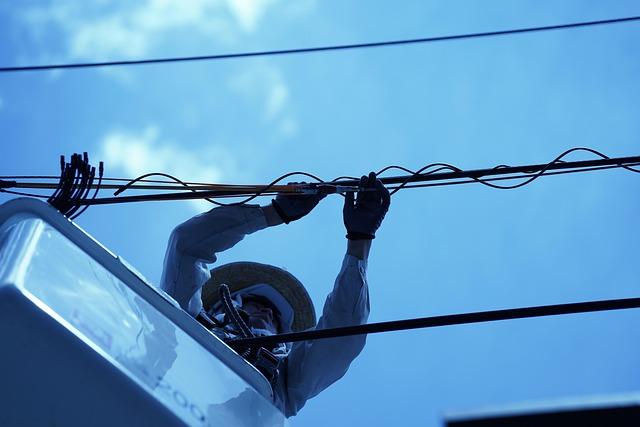
Forklifts hauling pallets and buzzing machinery. The faint smell of hot metal and oil. These are all common sights and sounds in a factory. But if you glance up, behind panels or along rafters, you’ll see that the wiring is a quiet player in the whole process. It’s not flashy, it’s not noisy, but it can make or break your energy bill.
The truth is, inefficient wiring doesn’t just waste electricity. It adds heat where you don’t want it, shortens equipment life, and forces machines to work harder than they should. And for manufacturers chasing both profit and planet-friendly practices, that’s a double hit. Wiring is no longer just an afterthought. It’s a strategic choice — and one that can quietly save thousands every year.
Custom Solutions for Maximum Efficiency
Here’s something you hear from plant managers who’ve been around long enough: “The generic stuff works fine — until it doesn’t.” Factories aren’t cookie-cutter spaces. The machinery lineup, the way floors are laid out, and even ceiling height can affect how wiring should be planned. That’s where teaming up with a custom wire harness manufacturer earns its keep. Instead of cramming your needs into off-the-shelf cable runs, they tailor wiring for your exact environment. No extra loops sagging from the ceiling. No overlong runs bleeding voltage. Everything is built to fit like it belongs there.
And the side benefits? Technicians can trace wiring faster. Repairs are less of a guessing game. Downtime drops because the cables are labeled, routed, and secured with the kind of thought that comes from knowing the space. Energy savings become a nice bonus — one that adds up every single hour those machines keep running.
Understanding the Energy Cost of Poor Wiring Design
Bad wiring design is the silent leech on your electric bill. Voltage drops are a common culprit — the longer and thinner the wire, the more energy you lose along the way. That forces motors to draw extra current just to keep up, which is like making someone jog with ankle weights.
Over the years, factories have expanded, swapped out equipment, and made quick fixes just to “get it working.” The result? A wiring patchwork that’s more guesswork than design. It may be fine on day one, but eventually you’re looking at hot cables, tripped breakers, and machinery that’s running harder than it should.
And here’s the part that rarely makes the sustainability reports: wasted energy from poor wiring isn’t just a cost problem, it’s a heat problem. That extra heat wears down insulation and connectors faster, meaning more frequent replacements. More waste out the door, more materials pulled in.
Bright Layout and Material Choices
Copper or aluminum? That choice alone can significantly impact your efficiency. Copper is the star performer for conductivity, but it’s heavier on cost. Aluminum is lighter and cheaper, but it can’t carry the same load in the same size wire. The right pick depends on the job — and on someone doing the math instead of grabbing whatever’s in the storeroom.
Insulation matters just as much. Go cheap, and you’ll be replacing it when it cracks under heat or chemicals. Go smart, and you’ll get a longer lifespan and steadier performance.
Then there’s layout. The shortest path between two points isn’t just a geometry lesson — it’s money saved. One food processing plant cut its wiring lengths by nearly a quarter after re-routing overhead runs. The energy savings were real, but what they didn’t expect was how much easier cleaning became. Fewer cables in the way meant less grime buildup, fewer shutdowns for deep cleaning, and happier inspectors.
The Role of Automation and Monitoring
Even with the best wiring design, performance can slip over time. That’s where monitoring comes in. A simple heat sensor can flag a cable that’s under stress long before it fails. Voltage meters on key circuits can tell you if something’s starting to draw more power than it should.
IoT systems take this a step further. Instead of relying on periodic checks, they monitor your wiring continuously. If a motor suddenly starts gulping power, or a run of cable heats up unexpectedly, the system pings maintenance before you lose hours of production.
Some factories pair these tools with AI analysis. Over months, the system learns what “normal” looks like for your plant. It alerts us when it notices something strange, no matter how minor. These early detections preserve your efficiency gains over time, save energy, and guard against damage.
The Role of Safety in Sustainability
Sustainability and safety frequently intersect without anyone realizing it. Take overheated wiring. It’s not just a fire risk — though that’s serious enough — it’s also a sign of wasted energy. Every extra degree of heat is power that isn’t going into productive work.
Keeping wiring cool and well-maintained extends its life. Fewer replacements mean less scrap going to waste and fewer new cables needing to be manufactured. It’s one of those loops where good safety is good sustainability.
There’s also a people factor. Safe wiring reduces the chance of accidents that can sideline staff or halt production. That’s less disruption, less emergency repair work, and less scramble to meet orders. In a well-run plant, safety and efficiency aren’t separate departments. They’re two sides of the same coin — and both are worth the investment.
Training and Continuous Improvement
Even the most energy-efficient wiring setup can deteriorate if the people maintaining it don’t know what to look for. Training is your first line of defense. Show teams how to spot the early signs of trouble — a warm patch on insulation, discoloration at a connector, or a breaker that keeps tripping.
Regular walk-throughs help too. Some plants hold quarterly “energy hunts” where maintenance teams, electricians, and even operators check wiring runs together. Not only do they find problems early, they often spot routing improvements nobody had noticed before.
Technology will change. Machines will move. The best plants treat wiring design as an ongoing conversation, not a one-and-done project. That’s how efficiency becomes part of the culture.
Conclusion
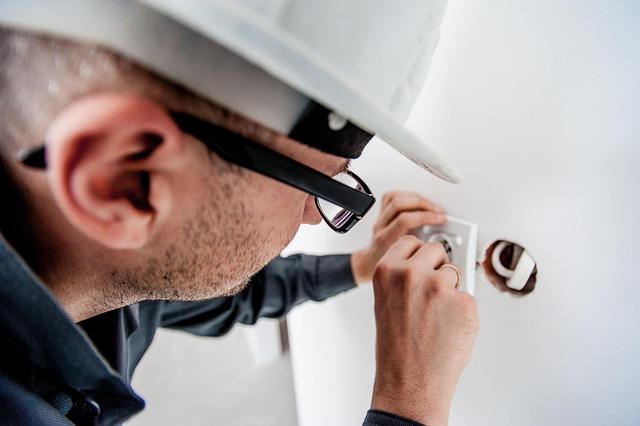
It’s not glamorous to design energy-efficient wiring systems, but the benefits are significant and include reduced expenses, safer operations, longer-lasting equipment, and a smaller environmental impact. Wiring is not background noise for manufacturers who want to be both responsible and competitive. It’s part of the main act, worth the same strategic attention as any other part of the production floor.