Carbon is a fundamental element with versatile properties that have established its prominence in material science and sustainability. Its adaptability, evident in forms such as graphite, diamond, and carbon fiber, is critical to numerous industries. Carbon serves both as a foundation for current technological advancements and as a catalyst for future innovation. Examining its applications and the advantages of carbon fiber demonstrates how this element continues to drive progress in sectors including automotive, aerospace, and renewable energy.

Understanding the Fundamental Properties of Carbon
Carbon exhibits a range of properties that enable it to exist in multiple forms and participate in diverse chemical reactions. Its chemical characteristics facilitate the formation of numerous compounds, such as carbon dioxide, which is essential to ecological processes. The physical properties of carbon, including strength and versatility, contribute to advancements in materials like carbon fiber that support innovation and efficient energy use. Understanding these fundamental properties clarifies carbon’s widespread presence and applications across various industries.
Chemical Characteristics and Reactions of Carbon
Carbon, with its atomic number six, is a building block of life and technology. Its chemical characteristics are defined by its ability to form four covalent bonds, a trait that underpins its versatility in reactions and the diversity of its compounds. A key chemical property of carbon is its ability to form stable bonds with other elements, including itself, an ability that results in a vast array of organic and inorganic compounds. Carbon compounds are present in everything from the carbon dioxide we exhale to the complex hydrocarbons powering vehicles.
In reactions, carbon often forms linear and cyclic structures, exemplifying its adaptability. Its ability to engage in single, double, and triple bonds with elements like oxygen and nitrogen showcases its chemical flexibility. Reactions such as combustion, where carbon reacts with oxygen to form carbon dioxide, are crucial to understanding energy dynamics. Combustion releases energy, emphasizing carbon’s role in energy capture and utilization, crucial for energy production worldwide.
Beyond combustion, carbon participates in reduction-oxidation (redox) reactions, important in processes like photosynthesis and cellular respiration. Carbon’s reactivity with metals, such as in the formation of carbides, further illuminates its diverse capabilities. The chemical characteristics of carbon enable innovation in fields like materials science and renewable energy, where carbon capture technologies aim to mitigate climate change impacts by reducing atmospheric carbon dioxide levels. As a core element, understanding carbon’s chemical nuances opens the door to harnessing these reactions for sustainable development.
Physical Properties: Strength and Versatility
The physical properties of carbon contribute significantly to its widespread use and effectiveness in various domains. Its allotropes, including graphite and diamond, highlight the extremes of strength and versatility this element can achieve. Graphite, with its layers of carbon atoms arranged in a hexagonal structure, stands out due to its lubricative properties and electrical conductivity, making it essential in applications like batteries and as a material for electrodes.
Meanwhile, diamond, known for its formidable hardness and thermal conductivity, is invaluable in cutting tools and advanced industrial processes. Carbon’s inherent strength is most prominently showcased in carbon fiber, a material that combines low weight with exceptional tensile strength and stiffness. These features provide significant advantages in aerospace and automotive industries, where reducing weight without compromising structural integrity is pivotal for performance and efficiency.
The versatility of carbon fibers is evident in their application in sports equipment, wind turbine blades, and civil engineering, where they extend the lifespan and performance of structures. Emerging technologies continue to push the boundaries of carbon’s physical properties. For instance, carbon nanotubes, with their remarkable strength-to-weight ratio and electrical properties, are being explored for a slew of futuristic applications, from next-generation electronic devices to space elevators.
Furthermore, advances in material science promise to unlock even more uses by manipulating carbon’s atomic structure, ensuring this versatile element remains vital to technological progress. In summary, the physical properties of carbon, characterized by unmatched strength and adaptability, underpin its significance across a multitude of industries. Its capacity to morph into various forms enables innovative solutions that fulfill modern technological and environmental demands, reinforcing carbon’s quintessential role in driving forward sustainable advancements.

The Diverse Applications of Carbon in Modern Industry
Carbon is a cornerstone in modern industry, demonstrating versatility and transformative uses across diverse sectors. As a pervasive material, carbon’s presence extends from common household items to pivotal industrial processes. Industrial applications leverage its properties, such as with carbon brushes and activated carbon for filtration and purification.
Everyday uses of carbon in its various forms highlight its essential role in our daily lives, while its industrial applications underscore its significance in enhancing productivity and efficiency. Understanding these facets of carbon’s applications offers insights into its indispensability in advancing technology and sustainability.
Common Uses and Everyday Applications
Carbon is integral to numerous everyday applications due to its versatility. In its graphite form, carbon is used in pencils and as a key material in electrodes for batteries, supporting technologies from mobile phones to electric vehicles. Activated carbon, valued for its porous structure, is widely employed in water and air filtration systems to remove impurities and pollutants, thereby contributing to environmental health.
Carbon compounds are also present in cleaning products and cosmetics, where they enhance product performance, such as activated charcoal in facial masks for toxin removal. In manufacturing, carbon fibers are utilized to produce lightweight and durable materials for sporting equipment and construction, improving performance and longevity. The healthcare sector relies on carbon compounds in pharmaceutical development.
These diverse applications underscore carbon’s essential role in improving quality of life and advancing sustainability.
| Application Area | Primary Carbon Form | Key Benefits | Examples |
| Energy Storage | Graphene | Enhanced conductivity, lightweight | Batteries, supercapacitors |
| Manufacturing | Carbon Fiber | High strength-to-weight ratio, durability | Aerospace components, automotive parts |
| Electronics | Carbon Nanotubes | Improved electrical performance, flexible | Transistors, sensors |
| Environmental Solutions | Activated Carbon | Adsorption capabilities, purifying efficiency | Water filters, air purifiers |
This table illustrates carbon’s pivotal role in diverse industries, showcasing its adaptability and contribution to technological and environmental advancements.
Industrial Uses: The Role of Carbon Brushes
Within the industrial landscape, carbon brushes are indispensable components, playing a vital role in maintaining the functionality and efficiency of countless electric motors. These brushes are constructed from carbon graphite material that provides excellent conductivity while also being wear-resistant. This combination ensures that carbon brushes maintain optimal electrical contact within rotating machinery, reducing energy loss and promoting operational efficiency.
Carbon brushes are integral in various applications, particularly in sectors reliant on heavy machinery and manufacturing processes. They are found in electric generators, where they facilitate the transfer of electrical energy with minimal resistance. In this context, the robustness of carbon brushes aids in sustaining the longevity of equipment, reducing maintenance needs and costs. Furthermore, carbon’s resilience under high ambient temperatures and against varying environmental conditions enhances its utility in arduous industrial settings.
In automotive applications, carbon brushes are critical in starter motors and alternators, ensuring reliable performance in vehicles. They play an essential role in power tools too, where endurance and repeatable performance are vital for productivity. In aerospace industries, the use of carbon brushes supports the functionality of complex electronic systems within aircraft, highlighting their versatility across diverse domains.
The bespoke manufacture of these brushes allows customization to specific requirements, whether for size, material, or operational parameters, ensuring they meet stringent industrial standards. The adaptation of carbon in these forms aligns with the increasing demand for durable, efficient, and sustainable materials in industrial settings. Carbon’s role in manufacturing processes exemplifies its broad utility and the critical aspect of enhancing sustainability in operations by reducing material waste and energy consumption.
As technology advances, the use of carbon brushes demonstrates a commitment to innovation and efficiency, positioning carbon as an indispensable element in modern industry.
Carbon brushes significantly enhance industrial operations through their unique properties and customizability.
- Extended lifespan in rotating machinery, reducing downtime and increasing productivity.
- Improved electrical efficiency in motor systems, leading to energy conservation.
- Minimal maintenance requirements, supporting cost-effective industrial operations.
- Customized designs for specific industrial needs, enhancing compatibility and performance.
- Consistent performance in power tools, ensuring uninterrupted operations.
- Reliable operation in automotive applications, from starter motors to alternators.
- Essential in aerospace electronics, supporting advanced avionics systems.
With these advantages, carbon brushes prove vital across multiple industries, promoting innovation and sustainability.
The Role of Carbon Fiber in Advanced Technology
Carbon fiber has significantly influenced advanced technology through its exceptional strength-to-weight ratio. This material has transformed sectors such as aerospace and automotive by improving efficiency and performance. Carbon fiber’s integration into modern technologies demonstrates its essential role in contemporary industrial advancements. Examining its advantages reveals the material’s substantial impact on production processes and technological development.
Advantages of Carbon Fiber in Aerospace
Aerospace technology has witnessed a remarkable evolution, with carbon fiber at the forefront of this transformation. The material’s lightweight yet incredibly strong properties make it ideal for constructing components that must endure harsh conditions while minimizing fuel consumption. When used in aircraft structures, carbon fiber significantly reduces weight without compromising on structural integrity. This directly enhances fuel efficiency, a crucial factor in reducing the airline industry’s carbon footprint.
This shift not only aligns with the aerospace industry’s sustainability goals but also boosts aircraft performance and operational cost-effectiveness. The use of carbon fiber allows for more innovative designs, as its ability to be molded into complex shapes offers engineers greater flexibility in crafting aerodynamic forms that traditional materials like aluminum cannot match. Carbon fiber’s exceptional strength ensures that these newly designed aircraft can withstand the substantial stresses they encounter over thousands of flight hours.
The material’s resilience and longevity also play a critical role in reducing maintenance costs. Its resistance to corrosion and fatigue increases the lifespan of aircraft parts, resulting in fewer replacements and less downtime. Airlines benefit from this durability, enjoying longer service intervals and reduced overall lifecycle costs.
Moreover, the superior thermal conductivity of carbon fiber improves the heat management of aircraft systems, further enhancing safety and equipment reliability in extreme operating environments. In the pursuit of green and efficient aviation, carbon fiber composites continue to drive advancements in aerospace technology, enabling the development of next-generation aircraft that are lighter, more efficient, and environmentally friendly. With increased global emphasis on reducing carbon emissions, the adoption of carbon fiber technology represents a significant step towards a sustainable future for the aerospace industry.
Carbon Fiber’s Impact on the Automotive Industry
The automotive industry is leveraging carbon fiber to revolutionize vehicle design and performance. As the demand for more fuel-efficient and environmentally friendly vehicles grows, automakers are turning to carbon fiber to provide solutions that traditional materials cannot offer. Carbon fiber’s lightweight nature translates directly into significant reductions in vehicle weight, leading to improved fuel efficiency and lower carbon emissions. This material allows manufacturers to meet stringent environmental regulations while maintaining high performance standards.
In electric vehicles (EVs), where weight is a critical factor affecting range, carbon fiber plays an influential role by enabling designs that enhance energy efficiency and increase the distance a vehicle can travel on a single charge. This is particularly important as the industry pivots towards renewable energy sources and sustainable mobility solutions. In terms of production, the use of carbon fiber allows for innovative techniques and streamlined manufacturing processes.
Its application in automotive structures has paved the way for integrating complex design elements that improve safety and aerodynamics without adding extra weight. The ability to create rigid and tough safety cages has improved the crashworthiness of vehicles, ensuring enhanced passenger safety while allowing for creative engineering designs. Furthermore, the impact of carbon fiber extends to the high-performance vehicle sector, where every gram counts in maintaining competitive advantage.
Supercars and hypercars increasingly use carbon fiber composites for their chassis and body panels to achieve unmatched agility and speed. Beyond performance and efficiency, carbon fiber reinforces the industry’s push towards sustainable practices by enabling the production of vehicles with a reduced environmental impact over their lifecycle. With the shift towards smarter, cleaner transportation systems, carbon fiber’s role is expected to broaden further, underpinning innovations that lead to more sustainable automotive solutions.
As investments in carbon fiber increase, its adoption signifies a comprehensive strategy to meet future automotive industry challenges, marrying efficiency, sustainability, and cutting-edge technology.
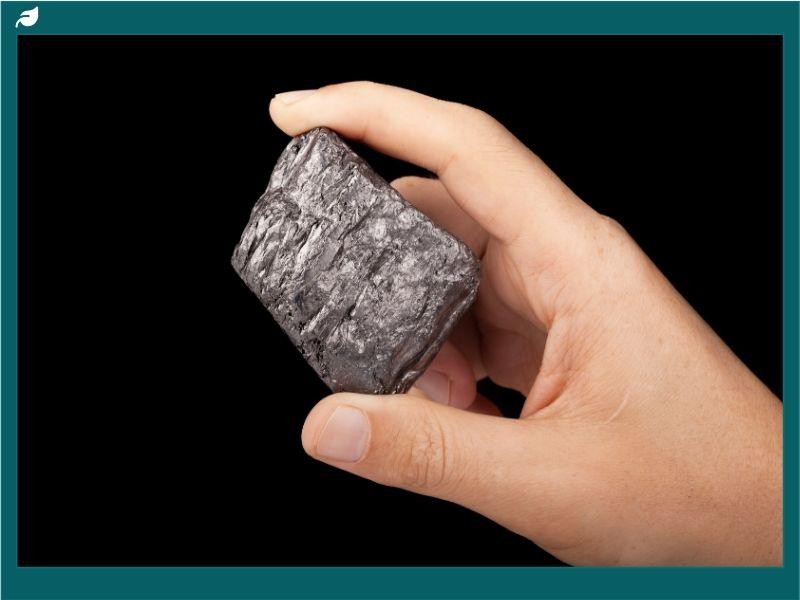
Exploring Other Allotropes: Graphite and Diamond
The multifaceted nature of carbon extends to its allotropes, particularly graphite and diamond, each with distinct properties that have led to diverse applications. Graphite is acclaimed for its electrical conductivity and lubricative properties, making it a staple in technological and industrial realms. In contrast, diamond is lauded for its unmatched hardness and heat conduction capabilities, finding uses beyond traditional jewelry into numerous industrial applications. Understanding the unique properties and uses of graphite and diamond unveils the versatile roles these forms of carbon play in advancing technology and industry.
Unique Properties and Uses of Graphite
Graphite is an intriguing example of carbon’s versatility because of its unique properties, which include excellent electrical conductivity and lubricative capabilities. Structurally, graphite comprises layers of carbon atoms arranged in a hexagonal lattice, allowing electrons to move freely between the layers. This trait makes carbon graphite an indispensable material in various applications, such as in electrodes used in batteries and other electrical devices. Its use in energy storage solutions is particularly valuable, as the need for efficient and powerful batteries grows in the renewable energy sector.
Graphite’s ability to withstand high temperatures without degrading enhances its utility in high-temperature environments. One prominent use is in crucibles used for smelting metals, where its heat resistance ensures longevity and efficiency. Additionally, its lubricating properties are crucial for minimizing friction in mechanical applications, a characteristic that explains its use in machine parts and as a dry lubricant in locks and engines.
Advanced engineering sectors also leverage graphite’s attributes in producing lightweight materials such as carbon fiber reinforced polymers, where its structural qualities enhance product durability and performance. The industrial world isn’t the only area that benefits from graphite’s unique properties. This form of carbon plays a role in everyday life, evident in the humble pencil, where graphite is the core ingredient.
This versatility extends to fields like nuclear energy, where its moderation properties are utilized in reactors for controlling reaction rates. Graphite’s adaptability and utility across diverse domains underline its significance in advancing technology and improving efficiencies in various fields. Whether in precision tools or critical components of renewable energy systems, graphite continues to be a foundational building block in the pursuit of sustainable industrial progress.
Diamond: Beyond Jewelry to Industrial Applications
Diamonds, the hardest known natural material, are famous for their brilliance and value in the jewelry market, yet they offer far more than aesthetic appeal. This diamond form of carbon displays unique properties such as exceptional hardness and thermal conductivity, making it invaluable in industrial applications. In manufacturing, diamond-tipped cutting tools are essential for machinists who demand precision and durability when working with hard materials. These tools harness the unmatched hardness of diamonds to deliver clean, accurate cuts in metals and ceramics, which is essential for industries requiring meticulous specifications.
Furthermore, the semiconductor industry has discovered diamond’s extraordinary electrical and heat conduction properties, which are instrumental in improving the performance of electronic devices. Diamonds can dissipate heat swiftly, allowing semiconductors to operate more efficiently and reliably at higher frequencies without overheating. This property is crucial in developing smaller, faster, and more robust electronic components, a priority as technology advances towards more compact and powerful devices. In optics, diamond’s clarity and refractive index set it apart for use in high-performance lenses and mirrors, providing precision in scientific instruments and manufacturing processes.
The superior wear resistance of diamonds ensures that equipment used in abrasive settings remains operational longer, increasing productivity and reducing downtime. Laser technologies also exploit the properties of diamonds, utilizing their purity and stability to enhance the performance of high-power laser systems. Beyond these practical uses, the adaptation of diamond technology continues to expand into new territories, including quantum computing and high-pressure research.
The diversity of applications underscores the transformative potential of diamonds beyond their glittering facade. With continuous innovation, diamonds exemplify the broad spectrum of utility that carbon’s allotropes furnish, ensuring this precious form of carbon remains a pillar in technological and industrial advancements.
Understanding carbon in its various forms, including elemental carbon and carbon fiber, reveals significant versatility and potential. Carbon’s properties are essential to industries such as electronics and healthcare. Advances in carbon fiber technology are expected to improve efficiency and sustainability in sectors like automotive and aerospace. Ongoing innovation will likely expand carbon’s role in addressing global challenges and supporting sustainable development.