Fleet Innovation Meets Environmental Responsibility
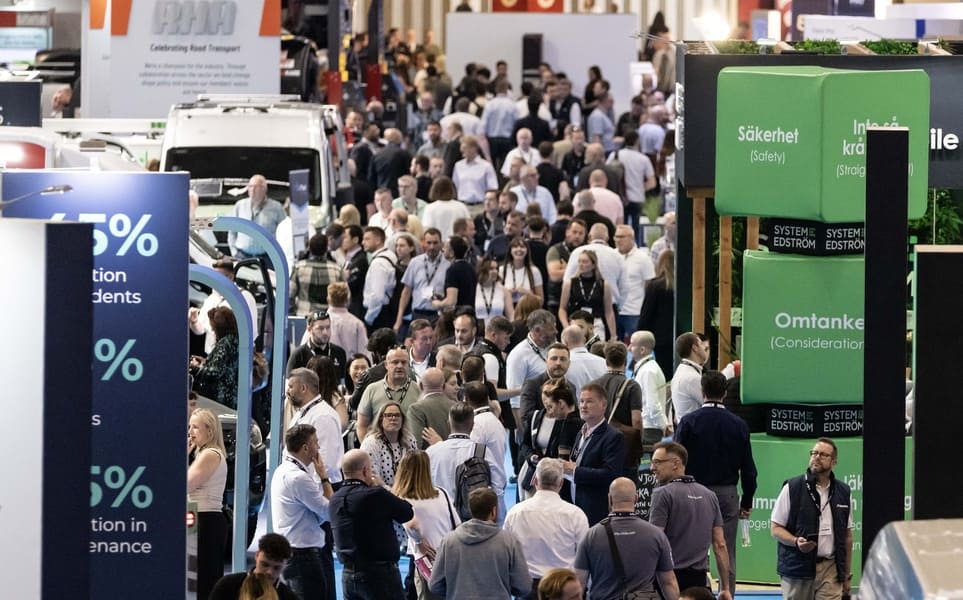
At Birmingham’s NEC this April, the Commercial Vehicle (CV) Show witnessed a pioneering move in event sustainability. Fleet technology specialist Lightfoot offset the carbon footprint of over 13,000 visitors, addressing a key concern for an industry increasingly focused on decarbonisation.
Lightfoot’s initiative, in partnership with global reforestation project Evertreen, saw nearly 300 trees planted in Madagascar to neutralise more than 230 tonnes of CO₂. The offset covers the emissions generated by all attendees travelling to and from the three-day event.
The process was both visible and interactive. Throughout the CV Show, Lightfoot installed carbon footprint calculators that invited visitors to input journey details, including distance travelled and vehicle type. From this data, Lightfoot calculated an average of 17.7 kg of CO₂ per person.
Centering Carbon Offset in Commercial Fleets
The scale of Lightfoot’s offsetting effort reflects growing pressure on commercial vehicle fleets to adopt cleaner practices. As regulators push toward Net Zero targets across Europe and globally, fleet operators face mounting incentives to cut emissions through electrification, efficiency technologies, and offsetting programs.
Paul Hollick, CEO of Lightfoot, placed the company’s action in that wider context:
“Decarbonisation is the ambition of nearly every commercial vehicle fleet operator we speak to,” he said. “We support fleets through electrification, improved driving efficiency and offsetting. Working with the CV Show organisers demonstrates how collaborative efforts can lead the commercial vehicle sector toward a Net Zero future.”
Hollick’s comments highlight a broader trend across fleet management and logistics: balancing business needs with sustainable practice. Fleet management technology, such as telematics, eco-driving apps, and electric vehicle (EV) integration tools, increasingly plays a central role in helping companies meet emissions targets while maintaining service levels.
Industry Collaboration for Net Zero Goals
Nick Davison, Event Director at the CV Show, noted how the partnership with Lightfoot aligns with the event’s long-term direction.
“Our partnership with Lightfoot reinforces our commitment to sustainability not just for the event, but across the industry,” he said. “Next year’s CV Show will focus even more heavily on decarbonisation and smart solutions to help fleets limit their environmental impact.”
This marks a notable shift. While commercial vehicle shows have traditionally focused on vehicle sales, parts, and services, sustainability now commands a central spot in both exhibition content and operational planning. Davison’s comments indicate the CV Show is moving in step with an industry under increasing environmental scrutiny.
Reforestation as Practical Carbon Neutrality
Offsetting carbon emissions through reforestation is not a new strategy, but Lightfoot’s application of it at an industry event sets an example. Evertreen, Lightfoot’s partner in the initiative, focuses on planting trees in regions facing deforestation, such as Madagascar. These projects are designed to absorb CO₂ while supporting local communities through employment and ecosystem restoration.
According to the United Nations Environment Programme, global efforts to plant trees contribute significantly to carbon sequestration targets. Yet experts often caution that offsetting should complement, not replace, reductions in actual emissions.
Lightfoot’s approach combines both: using technology to reduce emissions through improved fleet efficiency, while offsetting unavoidable emissions with reforestation.
Commercial Transport and the Sustainability Mandate
The UK’s commercial transport sector faces intense pressure to decarbonise. As of 2025, all new heavy goods vehicles (HGVs) up to 26 tonnes in the UK must meet zero-emission standards. The government’s broader Net Zero Strategy, alongside similar EU initiatives, is steering fleets toward low-carbon alternatives.
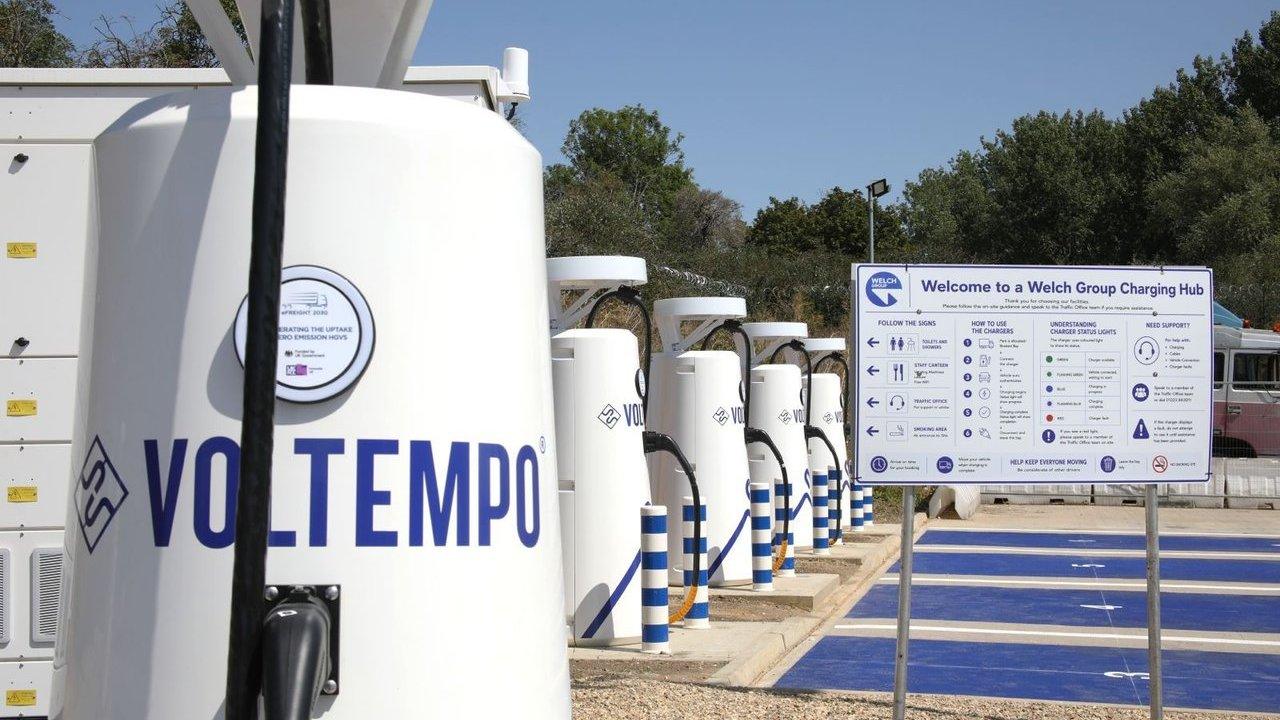
Events like the CV Show are responding by showcasing electric vehicles, charging infrastructure, and smart fleet management systems. Lightfoot’s carbon offset initiative adds a visible, measurable environmental action that enhances these efforts.
Sustainable Business Magazine readers will recognise how initiatives like Lightfoot’s contribute to a broader shift. While carbon offsetting alone cannot resolve the sector’s environmental impact, its combination with fleet electrification and operational efficiency reflects a realistic, multi-pronged approach to sustainability in commercial logistics.
A Model for Future Industry Events
As large-scale trade shows return post-pandemic, organisers face increasing expectations around environmental responsibility. Lightfoot’s example at the CV Show demonstrates a practical model: interactive visitor engagement, clear data collection, and measurable carbon offsets.
With Nick Davison confirming a stronger focus on decarbonisation for next year’s event, the CV Show appears set to cement its role as a sustainability leader in the fleet industry space.
For a sector navigating regulatory changes, technology adoption, and environmental accountability, collaborations like that between Lightfoot and the CV Show offer a tangible step forward.