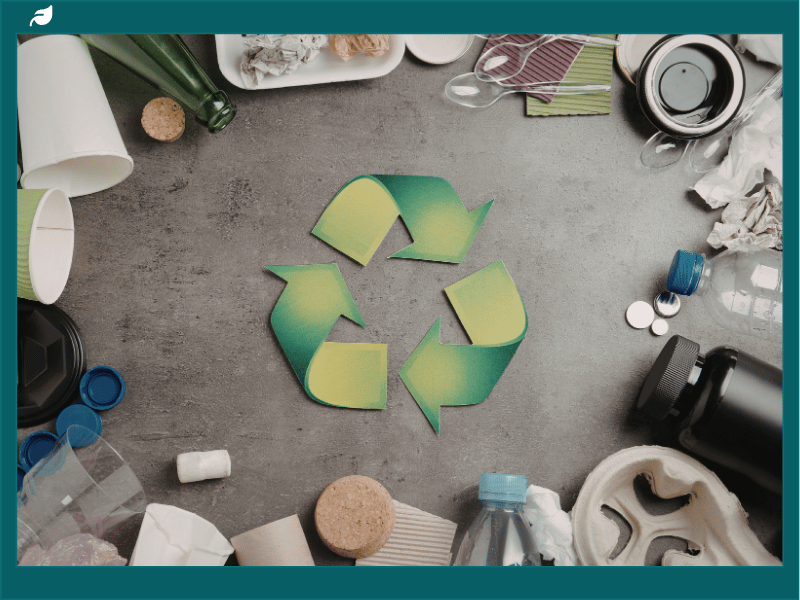
Moving from a classic linear model to a regenerative system has gone from being only an environmental goal to a major change in how successful businesses work. Problems in the supply chain and rising resource costs are making the old “take-make-waste” way of doing things less stable. You need to switch to a circular architecture if you want to be successful in the long run. Businesses may keep their resources from running out by focusing on how they are using them right now. In a world market that is heading toward higher efficiency criteria, this will help them stay strong.
To stay on the right side of new requirements about cutting down on waste, the firm needs to be proactive about following the law and controlling risks. Just like a complicated business crisis requires the expertise of the best criminal lawyer to safeguard a company’s reputation, transitioning to a circular model demands rigorous oversight to navigate the legal and reputational risks of non-compliance. Companies who make things that last, can be fixed, and can be recycled are safe from fines from the government and higher prices for raw materials in the future. This gives you a clear advantage over your competitors when it comes to being nice to the environment.
Getting the most out of resource regeneration
Companies could make more money and affect the environment less if they moved toward circularity. Businesses can improve their relationships with customers and make their assets live longer by starting take-back programs and fixing up outdated products. This plan not only decreases production costs over time, but it also brings in more and more customers who want to buy items that are healthy for the environment and people. Leaders that employ these circular ideas discover that their businesses can better deal with the shortage of traditional resources. This makes their money safer and easier to plan for in the future.
Leaders need to create a culture of innovation that influences every element of the organization, from product design to logistics, in order for this change to work. To do this, we need to change how value is made and stored. We should emphasize on service-based models and high-quality, long-lasting commodities instead of selling a lot of cheap, disposable items. When running a business, it helps everyone do their best and come up with new ideas when sustainability is a large part of what they do instead of an afterthought. The leaders of this movement are not only saving the planet, but they are also starting great, forward-thinking businesses that will do well in a world with less resources and more environmental responsibility.
Being able to change with the market and remain strategically strong
It’s hard to predict how geopolitical events will effect us, and countries are becoming more defensive of their resources. The circular economy protects us against shocks from outside. Companies that use recycled and repurposed materials don’t feel the effects of changes in global commodities markets as much. Prices can change a lot in these marketplaces. This self-sustaining cycle often promoted by the Circular Economy Alliance, affords enterprises more operational stability than linear businesses do. More and more governments around the world are starting to use extended producer responsibility (EPR) programs. Businesses that have already built circularity into their DNA will be ahead of the curve and avoid the heavy fines that businesses that don’t manage the end-of-life cycle of their products get.
Moving toward a circular model not only makes things easier, but it also attracts the best people and investment money. People who work today, especially younger people, want to work for companies that share their values and show that they care about the future of the planet. Investment funds that focus on ESG are also putting more and more money into companies that can show how long they can stay in business using measurable circular criteria. Keeping track of how much less waste is being created and how much more productive resources are becoming can help boards tell a tale of growth that is both moral and very profitable.
What the Future Holds for Good Fiduciary Work
The main reason to use circular principles is to make sure that the firm can thrive in a world where “business as usual” is no longer a good method to do things. Putting resource efficiency first is not a way for boards to avoid their obligation to shareholders; it is the greatest and most complete way to do so. They are getting ready for the changeover to an economy with fewer waste and pollution in order to protect the money that has been given to them. This will help the firm stay strong for a long time.
This change ends the time when people threw things away and starts a time where people take care of things. As recycling and recovering materials grow more reliable, there will be more opportunity for new ideas to come up. The next round of company leaders will be individuals that see circularity as a strategy to expand their business, not just as a way to meet the rules. They know that in a world with limited resources, the only way to keep growing is to save all they use today for tomorrow.