In 2025, sustainability should be a top priority for businesses. In addition to regulatory compliance, sustainability is key for attracting modern customers and investors. Therefore, you want to take steps to minimize your environmental impact, such as building a circular economy in your business. This post will show you how to create a circular economy to help your business achieve its sustainability goals.
Build a Circular Economy Model
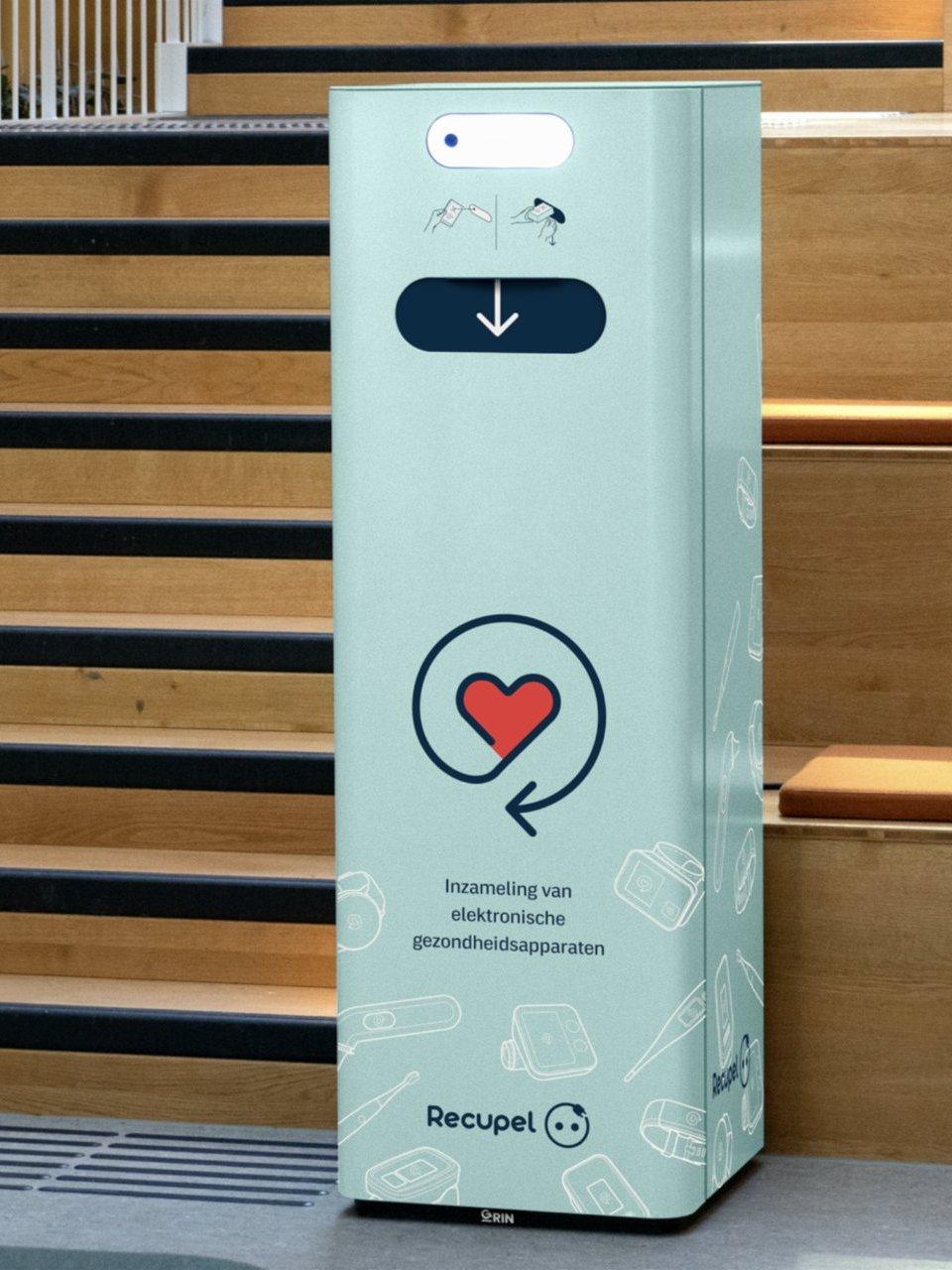
First, you need to build a circular economy model. This can be achieved by designing your products or services to reduce waste, reuse materials, and recycle wherever possible. This can help you minimize resource extraction and environmental impact while creating long-term cost savings and customer loyalty. You could also offer reliable packaging, trade-in schemes, or product repair services.
Embed ESG Into Your Core
You should also embed environment, social, and governance (ESG) principles into your core operations. This involves incorporating ethical practices, eco-friendly policies, and an inclusive workplace culture. Make sure that your brand aligns with modern consumer values and can attract investors who are interested in socially responsible companies. Be sure to set clear ESG goals and report progress publicly for transparency.
Invest in Sustainable Supply Chains
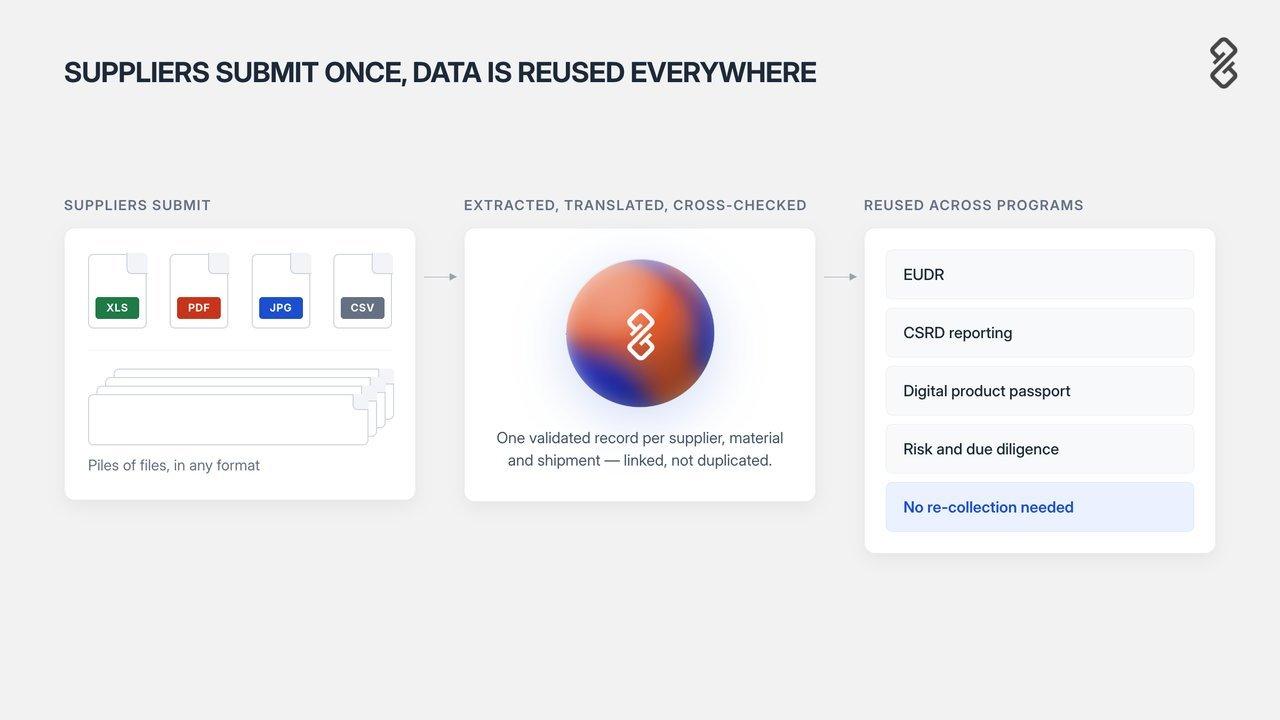
You must also consider your supply chain when building a circular economy. Be sure to choose suppliers that prioritise fair trade, low emissions, and responsible labour practices. This can reduce reputational risks, build ethical brand equity, and ensure long-term resilience if global regulations tighten. You can get guidance from specialist advisors who can help you invest in sustainable supply chains.
Adopt Smart Tech for Energy & Resource Efficiency
Use data and automation to track, reduce, and optimize energy usage, water consumption, logistics, and more. In addition to reducing your environmental impact, this can also help lower your operating costs. Use energy monitoring systems, AI-driven inventory management, and digital receipts to cut paper waste.
Prioritise Employee Well-Being & Retention
Create a workplace culture that values mental health, development, and flexibility. This reduces staff turnover, increases productivity, and boosts your employer brand. You can improve employee well-being and boost retention by offering work-from-home options, fair pay, personal growth plans, and career development opportunities. This should also help you attract top talent to your business, which is key for sustainable growth.
Sustainability should be a top priority for every brand in 2025. This is important for compliance with the latest regulations and protecting the planet, but you should also find that this makes it easier to attract customers and investors to your business. The above are a few of the best steps to take to build a circular economy and create a sustainable brand. These steps will also benefit the business in a number of other ways, so these are smart strategies to implement into your business in 2025.