A hundred years ago, heating a home meant burning coal in a basement furnace and hoping the warmth reached every room. Fifty years ago, bulky HVAC systems blasted hot or cold air on full power, cycling on and off, wasting energy in the process.
Today, though? Today, homes can quietly adjust temperature room by room, reduce waste before it happens, and even learn your habits.
That shift is not small, and it matters more than ever.
Energy prices are no longer stable, supply chains shift, and what happens globally now shows up directly in your monthly bill.
The upside? Technology is finally giving homeowners control.
From smarter construction to intelligent systems, the way we use energy is becoming more efficient, more predictable, and more comfortable. Let’s break down what’s actually changing and what it means for your home:
Smarter Homes Start With Smarter Building
Most people think energy efficiency starts with gadgets. It doesn’t.
It starts with how the home is built.
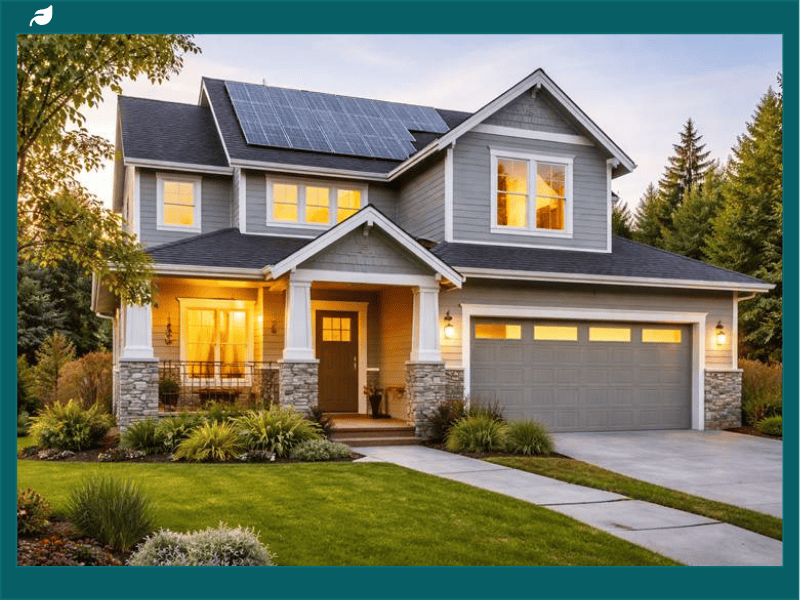
Modern high-performance homes are designed to hold energy instead of constantly replacing it. That means tighter construction, better insulation, and windows that actively manage heat—all things that directly support more sustainable energy use over time.
Take low-emissivity (Low-E) windows, for example. They let in sunlight but reflect heat, so your living room stays bright without overheating in summer.
This is exactly where systems like Evergreene’s e-Greene approach stand out. Instead of relying on one “magic” device, it combines multiple upgrades. High-performance windows, thicker insulation (think R-23 in walls, R-49 in ceilings), and advanced air sealing all work together to reduce energy loss at the source.
What does that look like in real life? Imagine two similar homes in Texas. One leaks cool air all day, forcing the AC to constantly kick on. The other stays naturally stable, so the system runs less.
Same comfort, very different energy use, and significantly lower long-term resource consumption.
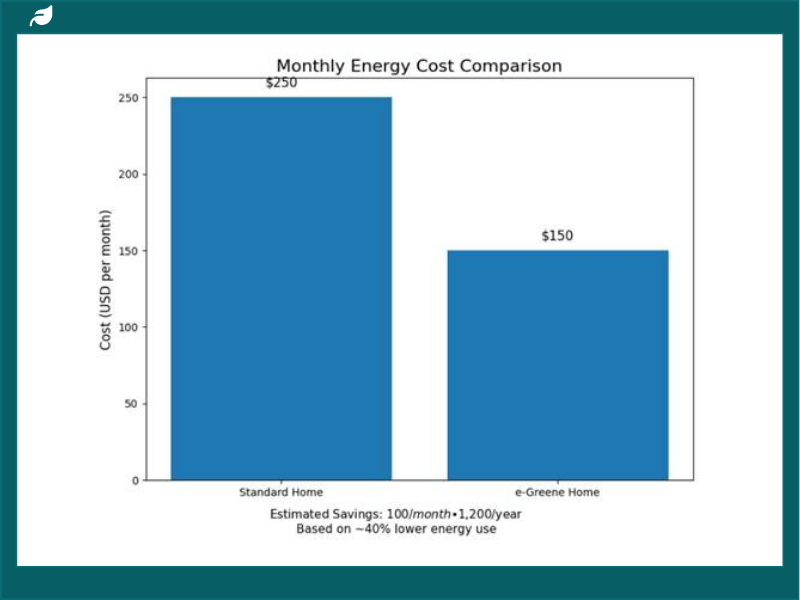
Discover Evergreene’s advanced e-Greene energy technology and see how homes built this way can use around 40% less energy than standard new builds.
Smart Systems Change How and When Energy Is Used
Once a home is built efficiently, the next shift is how energy is managed inside it.
Older HVAC systems worked like a switch. Full power on, then off. Over and over. That creates spikes in energy use and uneven temperatures.
New systems behave more like a dimmer.
Variable-speed HVAC units run longer at lower power, maintaining steady comfort instead of overcorrecting. Pair that with smart thermostats, and your home starts adapting to your life.
(Leave for work and forget to adjust the temperature? You can fix it from your phone. Heading home early? Pre-cool the space before you arrive.)
This doesn’t just save energy, but it also smooths out how energy is used throughout the day. Fewer peaks, which helps reduce overall strain on energy grids and supports more efficient distribution.
Fewer peaks, less strain on the system, lower overall consumption.
3. Energy Efficiency Is Becoming Measurable (and Comparable)
One of the biggest changes isn’t a device at all. It’s transparency.
In the past, buying a home meant guessing what your energy bills might look like. Today, you can actually measure it, which makes sustainability a tangible factor in real estate decisions and not just a vague concept.
For instance, systems like the HERS Index give homes a score based on energy performance. A standard new home is rated at 100. The lower the number, the more efficient the home.
So, a home with a HERS score of 60 uses roughly 40% less energy than a typical new build. That’s a direct indicator of what you’ll likely spend month to month, and, because these scores are based on real testing (like blower door and duct leakage tests), they reflect how the home actually performs, not just what it claims on paper.
Conclusion
For buyers, all of this changes the conversation significantly because it means they’re no longer choosing based only on layout or finishes.
They’re comparing long-term operating costs, comfort, and efficiency in a concrete way, but also factoring in how their home contributes to broader sustainability goals.
In a market where energy prices are unpredictable and environmental concerns are becoming harder to ignore, homes that use less energy aren’t just more affordable to run, they represent a more responsible and future-proof way of living.