Renewable energy has come a long way. Just ten years ago, solar panels and wind turbines were regarded as a luxury item of interest, but not yet quite practical. They currently serve millions of households and companies all over the world.
However, the point is that although the technology has already reached maturity, there is still a colossal amount of room to wring additional performance out of each install. Efficiency is not merely a technical measure, it has a direct bearing on how rapidly an investment can pay off, and how much carbon will be kept out of the atmosphere.
Now what does it actually cost to make the most of a solar or wind set-up? Let us dissect it.
1. Start with Smart Site Selection
This is a step that is often rushed. The location of solar panels or wind turbines makes an enormous difference in terms of long-term production.
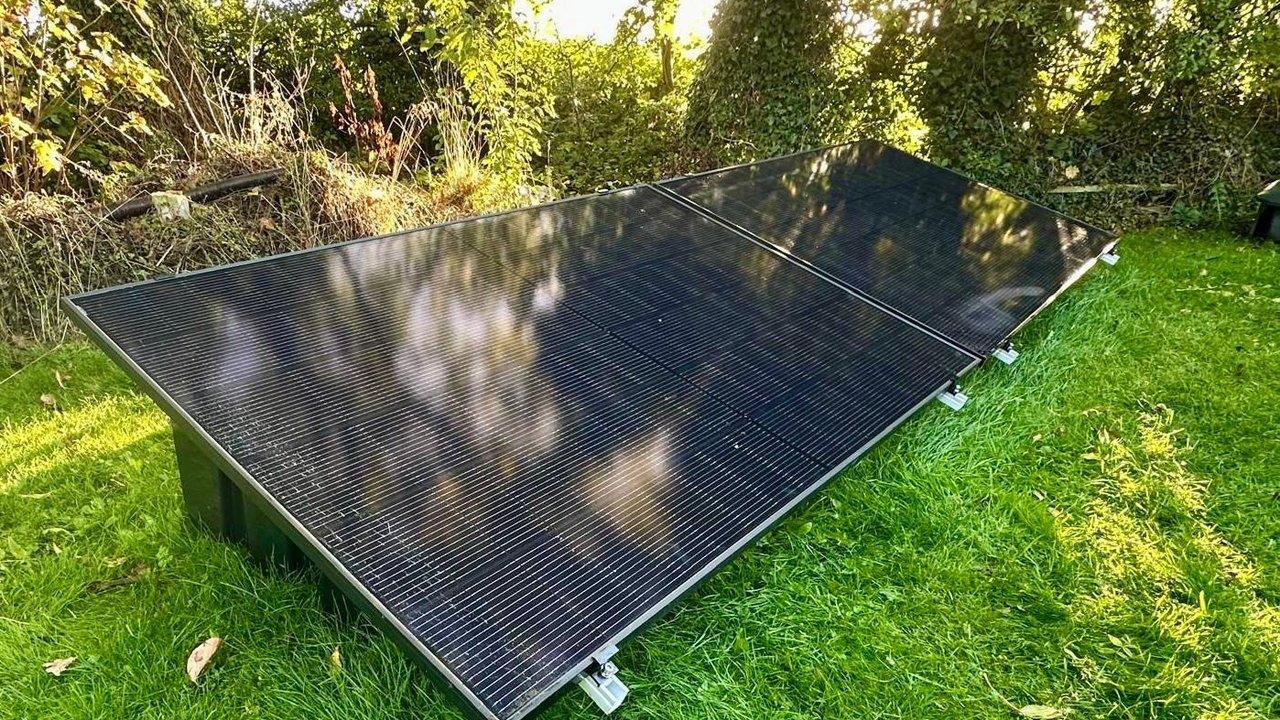
- In the case of solar: It would be knowing the direction of the sun during the year, possible obstruction of the sun by trees or other buildings, and taking into consideration the weather conditions in the area.
- In the case of wind: It’s all a matter of locating routes where the air flow is predictable, not necessarily rapid, but predictable.
A site assessment will save years of poor performance before a single panel is bolted down or a tower of turbines is erected. Recent technologies such as LiDAR maps and satellite wind analysis have rendered this procedure much more accurate than it was before.
2. Install the Best Components and Use the Best Installation
One of the most frequently used methods of efficiency sabotage is cheap components. Poorly manufactured panels, low-grade inverters, and low-quality mounting hardware all deteriorate performance as time passes. More importantly, undesirable installation creates resistance and loss of energy at each connection point.
The Importance of Precision
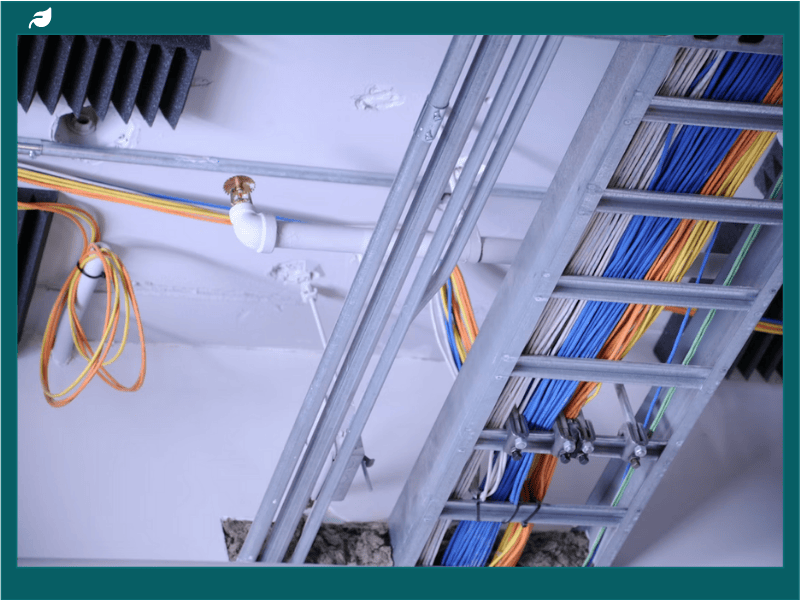
Here the detail in wiring and cable assembly is really important. Slack connections, under-sized cables, or poorly crimped contacts cause resistive losses that eat away at the output in some instances by several percentage points. That does not sound like a lot but in the 25-year lifespan, such losses are huge.
To ensure longevity and performance, the following are necessities:
- Making sure the connectors are rated properly.
- Making sure that the seals in the open air are watertight.
- Making sure that the manufacturer-specified torque is used during installation.
3. Invest in Monitoring and Predictive Maintenance
After an installation is running, the job is not finished. Unnoticed poor performance is one of the greatest efficiency killers. One bad panel within a string can pull down the production of all the other panels attached to it. A bearing that has begun to wear in a wind turbine does not scream but simply gradually cuts down the output until it completely shuts down.
The Role of Modern Monitoring
The modern monitoring systems have the ability to monitor the performance of the individual components in real time. However, there is a growing value of AI-based predictive maintenance. Algorithms are able to pick up minute anomalies in power curves, vibration patterns, and thermal patterns well before a human technician would realize that something is amiss. This proactive method ensures that installations are run near to their theoretical optimum and prevents the costly downtime of emergency maintenance.
4. Maximize Energy Storage and Grid Integration
It is wonderful to be able to make power at the times of the day when it is most needed but when you can not utilize it or store it, a part of that potential is lost. The cost of battery storage has dropped significantly and combining it smartly with either solar or wind can enable the operator to increase or decrease supply in relation to demand rather than the reverse.
It is also important to grid integrate. Any installation that is connected to the wider energy system, whether by modulating output or reacting to grid signals or being a part of demand response schemes, can be more efficiently run at the system level, not in isolation. This particularly applies to large commercial and utility-scale projects.
5. Leverage Technology for Ongoing Optimization
Technology continues to enhance and intelligent operators exploit it.
- Solar Optimization: Tools that monitor the cleanliness of the panels, identify the micro-cracks, or simulate the effects of shading during the day can be used to make decisions regarding cleaning schedules and repositioning the panels. Even more utilitarian, like cleaning up satellite/drone images with an AI Background Eraser and then analyzing the data can assist the technicians in more precisely detecting panel anomalies or structural damage during a remote check-up a minor but illustrative example of how digital tools are integrated into current maintenance processes.
- Wind Optimization: State-of-the-art systems of blade pitch control are now real-time adjustable to the wind speed and direction to maximize power capture under a much broader range of conditions than was ever possible with fixed-pitch designs.
6. Educate the Individuals Operating the System

It is people who run equipment and not equipment itself. Those operators who know how to interpret performance data, see early alerts, and make intelligent decisions on when to do maintenance, not when it is time to push it, also achieve a quantifiable difference. Continual training is not a luxury, it is an element in the efficiency formula.
Wrapping Up
There is no single breakthrough to improve the efficiency of solar and wind installations, it is a process of:
- Careful site selection.
- Quality material.
- Careful installation.
- Intelligent monitoring.
- An open mind to continue adapting as new better tools become available.
Any one percent change in the right direction is economically and environmentally significant. You can be operating a rooftop array or a mega-sized wind farm but the rules are largely the same: think it through, fit it right, watch it constantly, and never quit streamlining.
The change of energy is not only in the creation of more renewable capacity, but also in the way every installation works to the best possible capacity.
Looking for a solar installer?
Compare MCS-certified solar panel installers across the UK in our directory, with ratings, reviews and free quotes, listed by county.
Related solar guides: