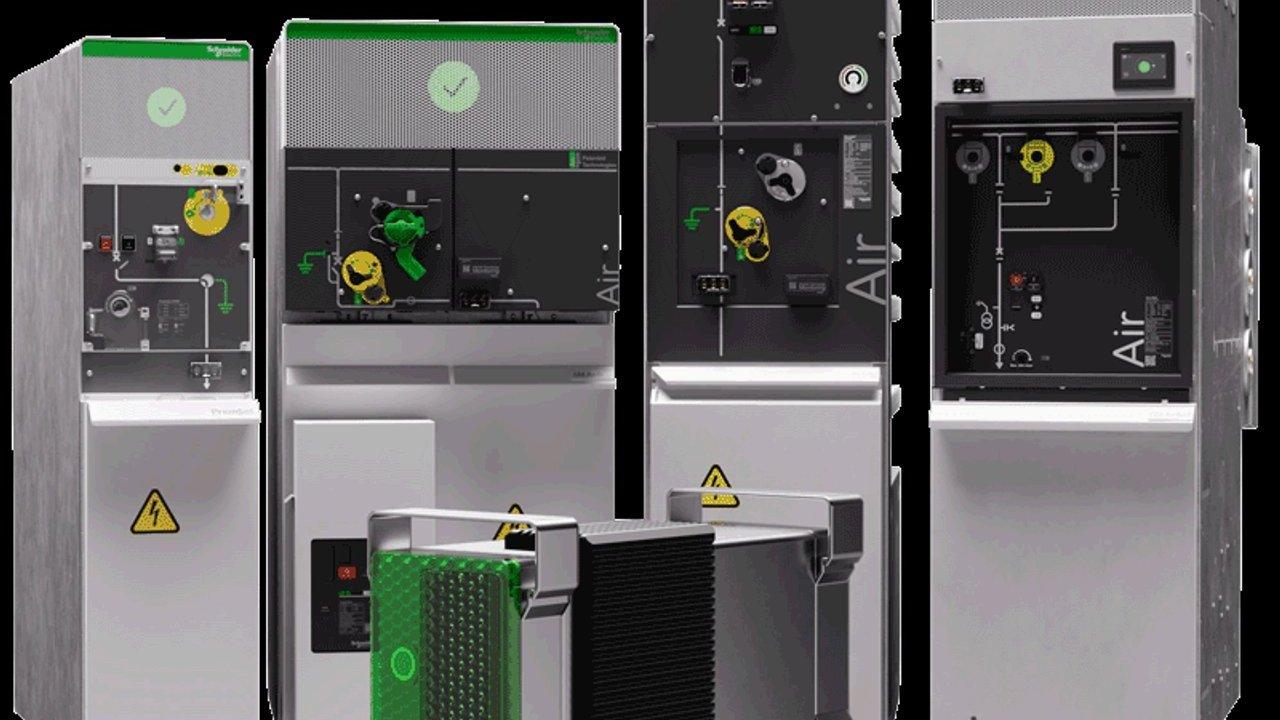
Schneider Electric has unveiled what it describes as the world’s first fully software-defined medium voltage switchgear, designed to accelerate electrical infrastructure deployment for AI data centres. The architecture has already been piloted with Equinix in a live colocation data centre environment. Schneider Electric says the system can enable up to three times faster ordering and manufacturing, up to twice as fast commissioning and onsite acceptance testing, and upgrades without operational downtime. The launch reflects the mounting need for adaptable power distribution as data centre server densities rise and operators seek infrastructure that can keep pace with digitally driven expansion.
Power Infrastructure For AI Growth
AI data centres are placing new demands on the electrical systems that support them. The International Energy Agency reports that server power density increased 11-fold between 2020 and 2025, with a further fourfold increase expected by 2027. This shift is putting pressure on conventional medium voltage equipment, which has often relied on engineered-to-order designs, complex procurement and site-specific hardware configurations.
Schneider Electric’s Software Defined MV architecture separates system intelligence from the underlying hardware, allowing standardised equipment to be configured through software. The company positions the approach as part of its wider Software Defined Energy strategy, intended to make electrical infrastructure more flexible as digital services and AI workloads develop.
Melton Chang, Executive Vice President, Power Systems Division at Schneider Electric, said:
“Data centers are being asked to build faster than traditional power infrastructure can move. With Software Defined MV switchgear, we are bringing the logic of software to medium voltage equipment — so customers can deploy in a fraction of the time, standardize across regions, and add new capabilities with zero downtime. As their energy technology partner, we are making power infrastructure as agile as the digital operations it serves.”
Replacing Bespoke Hardware Models
Traditional MV systems can require custom-built assemblies, creating longer development and delivery cycles when data centre operators are working to rapid expansion schedules. Schneider Electric’s new architecture instead uses configurable, software-enabled modules on standardised hardware platforms. The intention is to reduce the dependence on bespoke physical changes when requirements change over the operating life of a site.
The company says that features and performance improvements can be delivered via over-the-air software updates, without physical hardware modifications. This model is intended to support zero-downtime upgrades, a material consideration for facilities operating critical digital infrastructure where interruptions can have operational consequences.
The modular architecture also reduces the amount of wiring and the number of components required. Schneider Electric says its studies and estimations indicate that the approach can achieve up to three times faster ordering and manufacturing, while reducing the production impact associated with fully custom assemblies. Its digital-first commissioning processes, which use automated testing and intuitive interfaces, are expected to enable up to twice as fast commissioning and onsite acceptance testing.
Connected Operations And Maintenance
Beyond project delivery, the software-defined approach introduces connectivity and analytics across the switchgear lifecycle. Operators can gain real-time visibility of system performance, while Schneider Electric’s EcoCare Services are intended to provide AI-powered predictive maintenance capabilities.
For data centre owners and operators, this combination can support a more informed maintenance model. Rather than depending solely on scheduled intervention or responding after equipment issues emerge, connected monitoring can help identify potential needs earlier and support operational efficiency. The company also expects the architecture to reduce unplanned downtime through greater system insight.
The move towards software-enabled functionality marks a practical change in how medium voltage assets can be updated. It shifts more of the system’s adaptability into digital controls, while retaining the reliability and safety requirements associated with electrical distribution in mission-critical facilities.
Equinix Pilot In Operation
The technology has been tested through a pilot deployment with Equinix in a live colocation data centre setting. The project provides an operational testbed for the architecture in an environment where power availability, reliability and scalable design are central to day-to-day performance.

Greg Metcalf, Senior Director, Global Data Center Design and Innovation at Equinix, said:
“Software Defined MV Equipment transform the way we design, procure, build, and operate MV switchgear, allowing increased standardization for multiple use cases whilst maintaining the highest standards of safety, quality and reliability. We look forward to deepening our collaboration with Schneider Electric as we continue to innovate and scale for the future.”
The pilot is notable because it brings the proposed benefits of software-defined electrical distribution into a live colocation context rather than a purely conceptual or laboratory environment. Standardisation across multiple use cases could help operators replicate power system designs more readily as they develop capacity across regions.
A Broader Medium Voltage Programme
Schneider Electric plans to extend the Software Defined MV architecture across its medium voltage portfolio and progressively into the wider powertrain. The company has identified its PremSet™ and AirSeT™ range, including GM AirSeT™, RM AirSeT™ and SM AirSeT™, as part of this planned development.
Pilot programmes will continue through 2027, with broader availability planned for 2028. The roadmap offers a measured route from field testing to wider deployment, while responding to a data centre sector where electrical capacity and deployment speed are increasingly linked.
For the industry, the announcement presents a credible effort to make medium voltage distribution more configurable throughout its lifespan. By combining simplified physical systems with software-led upgrades, Schneider Electric is setting out a model intended to support faster project execution, improved operational visibility and lifecycle-focused service arrangements for critical power infrastructure.