Commercial real estate has traditionally been evaluated through the familiar metrics of location, square footage, and architectural design. However, as operational costs soar and global sustainability mandates tighten, a new metric has emerged to define the true value of a commercial property: energy strategy. Today, energy efficiency and grid independence are no longer just optional “green” initiatives; they are vital economic strategies. Facility managers, property investors, and building owners who adopt comprehensive energy management techniques are discovering a distinct competitive advantage, realizing lower operating expenses, higher tenant retention rates, and significantly increased property valuations.
Here is a look at the innovative energy strategies that are reshaping the commercial landscape and giving forward-thinking properties a definitive edge.

The Rising Stakes in Commercial Energy Consumption
Before looking at the solutions, it is important to understand the scale of the challenge. Commercial buildings consume a staggering amount of electricity. According to the U.S. Department of Energy, commercial properties account for nearly 20% of all the energy consumed in the United States. Because of this massive consumption footprint, property owners are highly vulnerable to grid instability, aging infrastructure, and rapidly fluctuating utility rates.
Furthermore, the modern commercial tenant has evolved. A new generation of corporate renters is actively demanding sustainable workspaces to meet their own internal Environmental, Social, and Governance (ESG) criteria. Buildings that rely solely on outdated, inefficient, and entirely grid-dependent power are rapidly becoming obsolete in the eyes of premium tenants. To stay competitive, property owners must pivot from being passive consumers of energy to active managers of it.
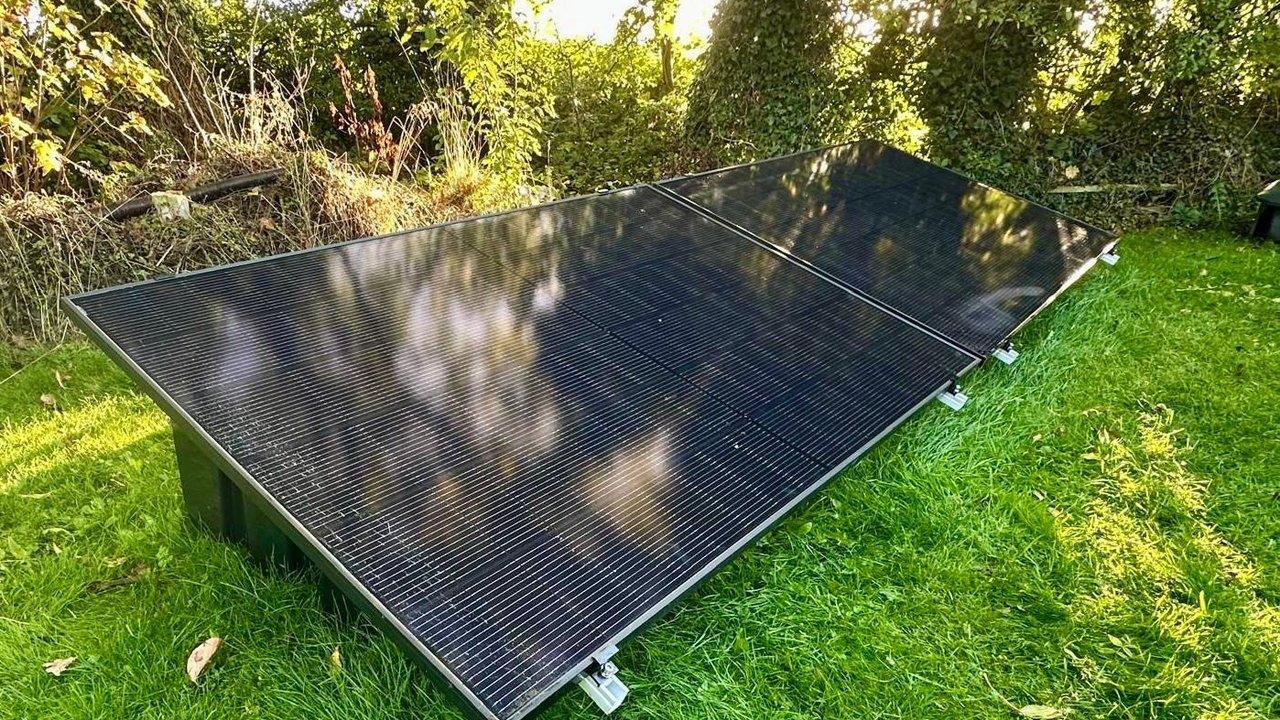
Harnessing the Sun: On-Site Power Generation
Implementing these systems requires precision, robust engineering, and industry expertise to maximize financial returns. Modern photovoltaic technology has advanced rapidly, meaning that today’s systems yield more power per square foot than ever before. For businesses looking to make this transition seamlessly, investing in commercial-grade solar installs by Sundra ensures that properties are leveraging cutting-edge, customized renewable energy solutions tailored to their specific architectural footprints and power load requirements. Beyond simply cutting utility bills, on-site solar generation offers lucrative tax incentives. The federal government, along with various state entities, provides substantial tax credits and accelerated depreciation benefits that drastically shorten the payback period for commercial solar investments, making it one of the smartest capital improvements a building owner can make.
Integrating Smart Building Management Systems (BMS)
While generating renewable energy is a massive advantage, optimizing how that energy is used inside the building is equally critical. The integration of intelligent Building Management Systems (BMS) powered by the Internet of Things (IoT) is revolutionizing facility operations.
Modern smart buildings utilize networks of environmental sensors to monitor occupancy, temperature, and natural light levels in real time. Rather than running HVAC systems at full capacity across an entire building, a smart BMS can direct heating and cooling only to occupied zones. Similarly, automated lighting systems adjust based on the amount of natural daylight entering through the windows. According to the Environmental Protection Agency (EPA), buildings that optimize their energy performance can save anywhere from 15% to 30% on energy bills without sacrificing occupant comfort.
Advanced Energy Storage and Peak Shaving
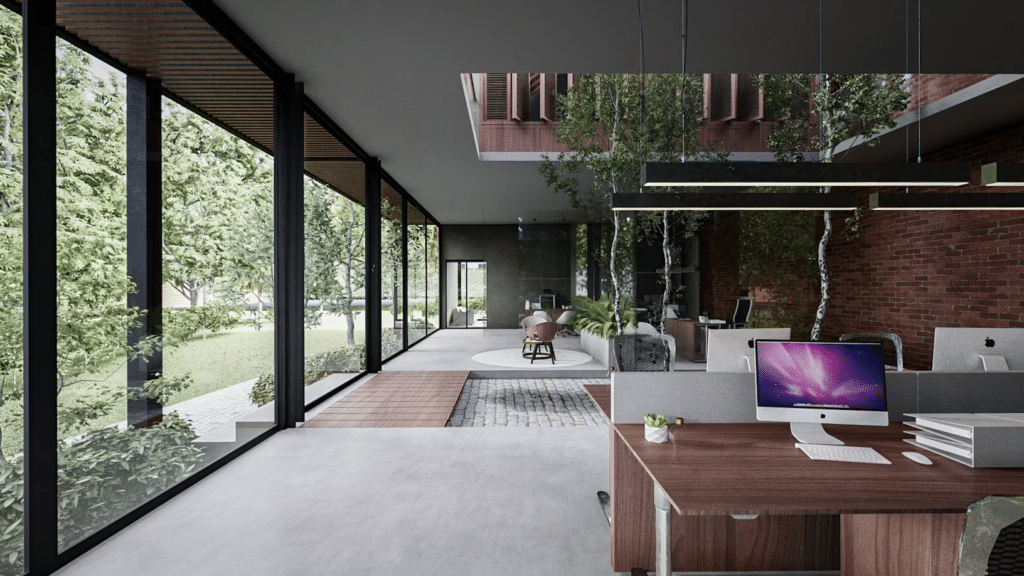
Generating your own power and using it efficiently are two pieces of the puzzle; the third is energy storage. Historically, solar power had to be used the moment it was generated or sent back to the grid. Today, advanced commercial battery storage systems allow buildings to store excess power generated during peak sunlight hours.
This introduces a highly profitable strategy known as “peak shaving.” Commercial utility rates are often dictated by “demand charges” – fees based on the maximum amount of power a building draws during its busiest 15-minute window of the month. By deploying stored battery power during these high-demand periods, building managers can artificially lower their peak draw from the grid, resulting in dramatic reductions in their monthly utility bills.
The Reputational and Financial ROI
The benefits of these energy strategies extend far beyond the monthly utility statement. Commercial buildings that achieve high levels of energy efficiency often qualify for prestigious certifications, such as LEED (Leadership in Energy and Environmental Design). Properties that meet the standards set by the U.S. Green Building Council (USGBC) command higher lease rates, suffer from lower vacancy rates, and attract blue-chip tenants who are willing to pay a premium for spaces that align with their corporate sustainability goals.
The commercial real estate market is undergoing a fundamental shift. In an era marked by rising costs and environmental awareness, the old way of managing property simply isn’t sustainable – financially or ecologically. These energy strategies not only future-proof the asset against rising utility costs but also elevate the building’s market prestige, ensuring long-term profitability in a highly competitive market.