Wine has always been as much about culture and ritual as it is about agriculture. Yet behind the elegance of the glass lies a sustainability challenge that is growing more urgent. Glass bottles account for a large portion of the wine industry’s carbon footprint, and while infinitely recyclable in theory, many end up in landfills due to inefficient collection and sorting systems.
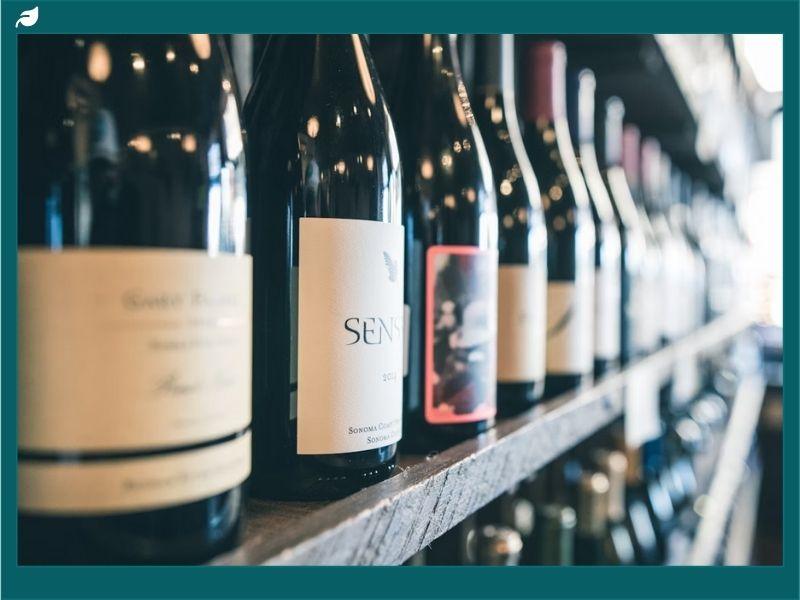
Closing this loop — ensuring bottles re-enter productive use — is essential if the wine industry is to align with global sustainability goals and fully embrace the principles of a circular economy.
Closing Loops At The Household Level
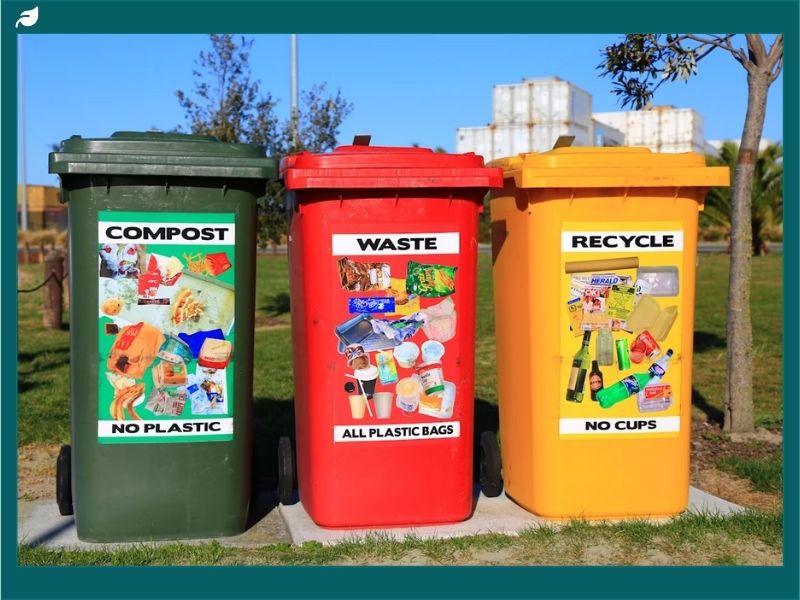
Large-scale recycling infrastructure is critical, but the circular economy also depends on everyday choices. Consumers have a powerful role in ensuring bottles are returned to the system rather than discarded. Even small habits, such as rinsing bottles before recycling and separating non-recyclable elements like foils or synthetic corks, make processing easier and more efficient. Creative reuse also has a place in circular thinking.
Wine bottles can be repurposed into table lighting, garden décor, or storage containers, extending their life beyond a single use. As one industry blog on recycling tips for wine bottles notes, upcycling initiatives can complement formal recycling programs by reducing the volume of waste that needs industrial processing. While not a substitute for systemic reform, these household-level practices reinforce the cultural mindset needed to normalize circularity.
The Carbon Cost Of Glass Bottles
Glass may seem benign compared to plastics, but its production is energy-intensive. The U.S. Environmental Protection Agency reports that manufacturing new glass requires raw materials such as sand, soda ash, and limestone, alongside high-temperature furnaces powered predominantly by fossil fuels. Estimates suggest that the production of one ton of virgin glass generates over 300 kilograms of CO₂ emissions. In the context of wine, packaging frequently outweighs vineyard emissions, meaning the bottle can account for up to 40% of a wine’s total carbon footprint.
The good news is that recycling glass reduces these numbers significantly. Every ton of recycled glass used in manufacturing saves over a ton of natural resources and cuts energy use by around 30%. In markets like the European Union, where recycling systems are better established, glass collection rates exceed 75%. By contrast, in the United States, only about one-third of glass containers are recycled. This disparity highlights the potential gains if global wine markets adopted more consistent collection and reuse practices.
Recycling In Practice: Global Examples
The principles of the circular economy have been tested successfully in several regions. Germany’s “Pfand” system is one of the most cited. Consumers pay a small deposit on bottles at purchase, which is refunded when the bottles are returned. As a result, return rates often exceed 90%. Scandinavian countries have adopted similar models, creating a closed loop where bottles are cleaned, sterilized, and refilled multiple times before finally being recycled into new glass.
France is taking a regional approach. In Bordeaux, a pilot program enables wine producers to recollect bottles through local cooperatives. Bottles that meet quality standards are washed and reused, cutting the carbon footprint of packaging by as much as 40%. Meanwhile, in New Zealand, companies are experimenting with “bottle for bottle” programs, encouraging consumers to bring empties back to retailers in exchange for discounts. These initiatives not only lower emissions but also create new channels for consumer engagement.
Innovation Driving Sustainable Packaging
Innovation in design and manufacturing is reshaping how bottles fit into the circular economy. Lightweight bottles, which use less glass while maintaining durability, are increasingly common.
The California Wine Institute estimates that reducing bottle weight by 100 grams can cut packaging-related emissions by 10–15%. Some wineries are going further, replacing traditional glass with alternatives like PET bottles, paperboard containers, or even aluminum cans — each with different recycling profiles.
Technology is also improving glass recycling itself. Optical sorting machines, now widely used in Europe, can separate glass by color with remarkable accuracy, ensuring higher-quality cullet (recycled glass material) for new bottles. In South Africa, several facilities now incorporate crushed recycled glass into new production streams, cutting furnace energy demand while also reducing dependence on imported raw materials. These advances demonstrate that closing the loop is not just about consumer behavior but also about the tools available to industry.
Aligning Business Models With Sustainability
For wineries, committing to circular economy practices is increasingly becoming a strategic decision. Consumers are more informed and willing to pay a premium for brands that demonstrate environmental responsibility. A 2023 NielsenIQ survey found that 78% of global respondents consider sustainability a factor in their purchasing decisions, with packaging often cited as the most visible proof of commitment.
Several producers are responding with bottle take-back schemes, refill models, and clear labeling about recycled content. Others are forming collaborations with logistics partners to minimize the carbon footprint of transporting bottles for washing and refilling. In Oregon, a regional cooperative called the Oregon Beverage Recycling Cooperative (OBRC) has introduced refillable glass bottles specifically for wine, modeled after long-standing systems for beer. These are designed to withstand up to 25 cycles before being retired into recycling streams.
Such models not only reduce emissions but also create differentiation in crowded wine markets. By making packaging part of their story, wineries can strengthen brand identity while contributing to broader sustainability goals.
Wrapping Up
Recycling wine bottles may seem like a modest step compared to sweeping shifts in energy or agriculture, but its impact is significant. Closing the loop on packaging conserves natural resources, reduces energy demand, and lessens landfill pressure — all critical components of a functioning circular economy. Yet success requires collaboration at multiple levels: policymakers establishing deposit systems, wineries investing in sustainable packaging, and consumers making mindful choices.
The circular economy thrives on participation. When bottles are returned, reused, or creatively repurposed, they cease to be waste and instead become resources for the next cycle. In that sense, every emptied bottle represents both an end and a beginning — proof that sustainability is achievable not through perfection, but through collective effort.