Coal played a major role in industrial progress, but today it raises serious health and environmental concerns. Burning coal releases pollutants that harm air quality and contribute to respiratory diseases, affecting people and ecosystems. Mining coal also disrupts local environments, causing habitat loss and hazardous waste.
As more people learn about sustainable alternatives, it becomes important to understand coal’s drawbacks to help build cleaner, healthier communities. This knowledge is key as societies move toward renewable energy and work to create more sustainable policies.

Understanding Coal as an Energy Source
Coal has long been an important energy source, especially during times of industrial growth. Even with rising concerns about its impact on health and the environment, coal is still widely used.
Looking at coal’s history and current use helps explain why moving to more sustainable energy sources is important for both people and the planet.
The Historical Role of Coal in Energy Production
Coal’s contribution to the world began in the early days of the Industrial Revolution, fueling the rapid advancements of manufacturing and transportation. As an energy source, coal’s abundance and energy efficiency positioned it as a leading driver of economic development.
It was the bedrock of industrial powerhouses, propelling innovations like steam engines and mechanized factories. The historical reliance on coal provided not just energy, but a foundation for modern economies. Coal mining proliferated, establishing entire communities centered around this fuel, with coal mining becoming synonymous with industrial progress and wealth generation.
The historical significance of coal extends beyond mere economic contributions, as it also shaped societal structures. Regions rich in coal deposits experienced faster growth and urbanization, driven by coal as a primary fuel source.
This growth ushered in transformative changes, enabling the production and distribution of goods at unprecedented scales, effectively altering commerce and transportation landscapes. Moreover, coal-fired power plants became the symbols of progress, lighting cities and powering industries while highlighting the energy demands of burgeoning urban populations.
However, coal’s long history has also led to many of today’s environmental problems. Early use of coal caused a lot of air and water pollution.
This history shows why it’s important to balance economic growth with caring for the environment. It also highlights the need for new ideas and rules to make energy production cleaner while still supporting the economy.
| Historical Contributions | Societal Impacts | Current Global Reliance | Environmental Challenges | Future Transition Efforts |
| Coal powered the Industrial Revolution, spurring economic growth and technological advancements. | Coal industry has been a major source of employment, yet often associated with health hazards for workers and communities. | Despite a decline in some regions, coal remains a crucial energy source in many developing countries. | Coal is a significant contributor to CO2 emissions and air pollution, leading to global warming and health issues. | There is an increasing global shift towards renewable energy, with many nations investing in cleaner technologies and phasing out coal plants. |
This summary table shows how coal has driven economic growth but also created environmental problems, and it highlights the worldwide move toward cleaner energy options.
Current Dependence on Coal Power
Despite growing awareness of coal’s adverse effects, many regions worldwide still heavily rely on coal for electricity generation. Coal-fired power plants dominate the energy landscape in numerous countries, driven by factors such as abundant reserves and established infrastructure.
In places where transitioning to cleaner energy sources presents economic or logistical challenges, coal remains a vital component of the energy mix, providing a steady supply of electricity essential for sustaining industrial activities and supporting growing populations.
Countries like China and India epitomize this reliance, where coal energy accounts for a significant portion of the electricity generation mix. This dependency is often exacerbated by the demands of rapid industrialization and urbanization, creating a complex challenge for policymakers balancing economic development with environmental imperatives.
Additionally, regions with substantial coal deposits view coal plants as vital economic infrastructures, sustaining jobs and local economies dependent on coal mining and associated industries.
Money is also a big reason why coal is still used. Building coal power plants and mines costs a lot, so switching to other energy sources can be difficult.
Sometimes, people keep using coal because they have already invested so much, even though cleaner options would be better for health and the environment in the long run.
Still, there is growing progress in using renewable energy and focusing on sustainability. More countries are working to use different energy sources, thanks to new policies and international agreements.
While it’s still a big challenge, better technology and lower costs for renewables could help reduce our dependence on coal and lead to a cleaner, fairer energy future.
As we consider the shift from coal dependence to renewable energies, several strategies are crucial in facilitating this transition:
- Encourage government policies that support investment in renewable energy infrastructure and incentivize green initiatives.
- Foster public-private partnerships to fund research and development in cleaner technologies.
- Implement retraining programs for workers transitioning from coal-related industries to new energy sectors.
- Increase international cooperation in sharing knowledge and resources for sustainable energy projects.
- Support communities affected by the decline of coal through social and economic programs.
- Promote educational campaigns highlighting the benefits of sustainable energy to the public.
- Enhanced grid technologies to accommodate the integration of variable renewable energy sources.
By working on these steps, we can move toward a more sustainable energy future.
Health Impacts of Coal Usage
Coal use has serious health effects for millions of people around the world. Burning coal releases pollutants that make air quality worse and cause breathing problems and other health issues.
Long-term exposure can lead to chronic diseases, creating big public health challenges. Understanding these problems is important for making policies that help reduce coal use and encourage cleaner energy solutions.
Respiratory Issues from Burning Coal
Burning coal is a major source of various atmospheric pollutants, which are significant contributors to respiratory issues around the world. When coal is burned, it releases a mixture of harmful substances including sulfur dioxide, nitrogen oxides, and particulate matter.
These pollutants can infiltrate the human respiratory system, causing both acute and chronic problems. For instance, sulfur dioxide, when inhaled, can lead to respiratory diseases such as asthma, bronchitis, and even increase the severity of existing cardiovascular conditions.
The small particles resulting from coal combustion penetrate deeply into the lungs, exacerbating respiratory ailments and leading to an increase in hospital admissions and emergency room visits due to respiratory distress.
Particularly vulnerable are populations living near coal-fired power plants or mining areas, where emissions and pollutants are more concentrated. Children, seniors, and individuals with pre-existing health conditions are at increased risk.
The emissions from burning coal can trigger asthma attacks in children and significantly reduce lung development and function. For the elderly, it can mean an increased risk of heart attacks and strokes, as these pollutants strain cardiovascular systems already compromised by age.
The health disadvantages due to these emissions signify a formidable public health challenge, demanding a move toward cleaner energy solutions. These health problems from coal emissions are a major public health issue and show why we need cleaner energy.
Using stricter pollution controls or switching to other energy sources can help with these health risks and also support environmental goals. It’s also important to raise awareness and offer healthcare to people affected by coal pollution.
These steps can reduce health impacts while we work toward long-term energy solutions. Over years and decades, exposure to coal pollutants can lead to chronic health conditions such as heart disease, lung cancer, and chronic obstructive pulmonary disease (COPD).
Emissions like sulfur dioxide and nitrogen oxides, prevalent in areas reliant on coal energy, contribute significantly to air quality deterioration, further impacting human health over extended periods. Chronic exposure to these emissions also exacerbates existing health conditions, often leading to premature mortality.
A key component of coal’s lingering health threat is the release of mercury during coal combustion. Mercury is a potent neurotoxin that accumulates in water bodies, entering the food chain predominantly through fish consumption.
It poses severe health risks, particularly to pregnant women and young children, by affecting brain development and neurological function. This highlights the indirect but far-reaching consequences of coal pollution on public health.
Beyond individual health issues, coal pollution incurs substantial economic costs associated with healthcare expenses and loss of economic productivity due to illness. Communities heavily dependent on coal mining and combustion often face persistent socio-economic challenges, underpinned by health adversities caused by continuous exposure to coal pollutants.
The long-term health risks from coal show why it’s so important to move to cleaner energy sources. When governments invest in renewables, they can help reduce these health problems and fight climate change.
New technology and stronger rules are needed to make sure the future is healthier. Teaching people about these risks can also encourage everyone to support using less coal and protecting the environment for the next generation.

Environmental Disadvantages of Coal Plants
Coal plants have provided a lot of electricity, but they also cause serious environmental problems. They affect air quality, add to climate change, and play a big role in water pollution and harming ecosystems.
This section looks at these major environmental issues caused by coal plants.
Impact on Air Quality and Climate Change
Coal plants are major contributors to atmospheric pollutants, primarily through the emissions of carbon dioxide and other harmful substances. These emissions contribute significantly to climate change, impacting both local air quality and global temperatures.
The combustion of coal releases large amounts of carbon dioxide, a primary greenhouse gas responsible for trapping heat in the atmosphere. This not only affects climate patterns but also leads to severe weather conditions, rising sea levels, and increased global temperatures, contributing to the broader climate crisis.
Apart from carbon dioxide, coal combustion results in the release of sulfur dioxide, nitrogen oxides, and particulate matter, further degrading air quality. These pollutants are harmful to human health, causing respiratory problems and cardiovascular diseases.
Additionally, atmospheric pollutants from coal affect plant life and animals, disrupting ecosystems and biodiversity. The dense particulate matter released can persist in the air for extended periods, leading to long-lasting smog and increased respiratory illnesses among populations living nearby.
Coal plant emissions are a big concern because they cause acid rain. Acid rain happens when certain pollutants from coal mix with water and air, creating acids that fall with rain.
This damages forests, harms fish and other aquatic life, and even wears down buildings. These problems make it even more important for leaders to find ways to use cleaner energy and reduce coal use.
Water Pollution and Ecosystem Damage
Coal plants also play a detrimental role in causing water pollution, further exacerbating their environmental impact. The process of coal mining, particularly in mountaintop removal and strip mining, leads to severe soil erosion and contamination of water bodies with heavy metals like mercury and arsenic.
When these toxic elements leach into streams and rivers, they not only pollute water sources but also threaten aquatic life and disrupt entire ecosystems.
The waste products from coal-fired power plants, such as coal ash, are often stored in ponds that can leak or breach, leading to catastrophic water pollution events. These containment failures contaminate drinking water supplies with heavy metals and other pollutants, posing severe risks to human health and safety.
Over time, the runoff from these storage sites seeps into groundwater, making the contamination a long-term environmental challenge.
Ecosystems surrounding coal plants face significant damage due to the thermal pollution created by the excessive heat released during combustion. This thermal pollution increases water temperatures, decreasing oxygen levels and affecting aquatic organisms’ ability to survive.
The alteration in water chemistry and temperature can lead to the loss of biodiversity and disrupt the balance of ecosystems, particularly impacting species sensitive to changes in temperature and water quality.
Solving these problems is important for protecting the environment. Water pollution from coal plants means we need strong rules and cleanup efforts to keep ecosystems and communities safe.
Switching to cleaner energy can help fix these issues and create a healthier environment for people and wildlife.
The Future of Non-renewable Energy
As the world’s energy needs change, non-renewable sources like coal are still important, but their health and environmental problems are pushing people to look for better options. More governments and companies want to switch to cleaner energy to cut emissions and fight climate change. Finding good alternatives to coal is key to building a cleaner future.
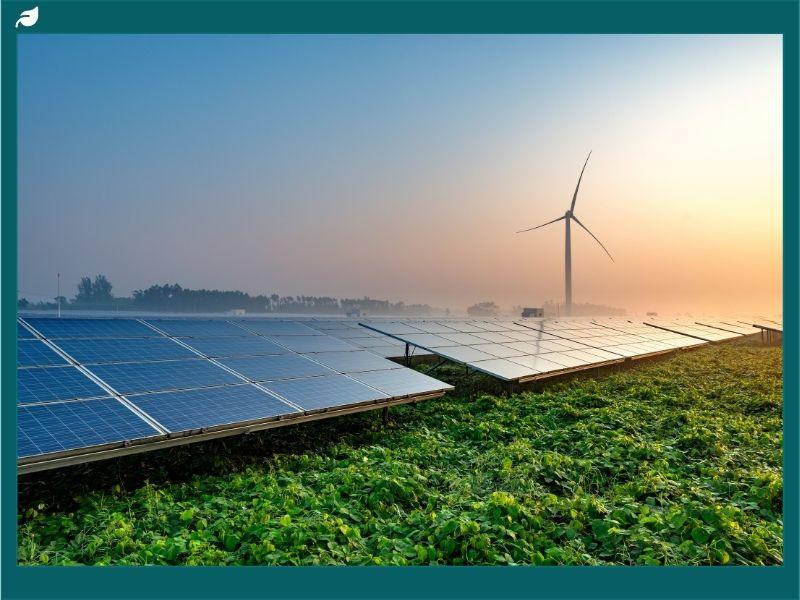
Exploring Alternatives to Coal
With the inevitability of change looming over the current energy paradigm, identifying alternatives to coal is more critical than ever. Non-renewable energy sources, including coal, have been the backbone of industrial growth and electricity generation.
However, the negative impact of coal on the environment and public health necessitates an urgent shift. Transitioning to alternatives not only addresses these health and environmental challenges but also aligns with global efforts to reduce carbon emissions.
Among the most viable alternatives are natural gas, renewable sources like wind and solar, and the promising potential of nuclear energy. Natural gas stands out as a prominent option, offering a cleaner-burning alternative to coal.
As an energy source, it emits significantly lower levels of sulfur dioxide and nitrogen oxides, contributing to fewer greenhouse gas emissions overall. This cleaner profile makes it a bridge fuel in the transition toward more sustainable energy landscapes.
However, while natural gas burns cleaner than coal, it still belongs to the family of non-renewable sources, necessitating cautious use and management to minimize its carbon footprint. Renewable energy sources, particularly wind and solar power, represent a transformative path forward.
As innovation drives down costs, these sources become increasingly accessible and efficient. Harnessing the environment’s abundant wind and sunlight provides a clean, virtually limitless energy source that emits no greenhouse gases.
Countries worldwide are ramping up investments in solar panels and wind turbines, aiming to generate electricity without the detrimental emissions associated with burning fossil fuels. Transitioning to these renewable alternatives supports efforts to combat climate change by dramatically reducing carbon emissions and other pollutants.
Nuclear energy also presents itself as a promising, albeit contentious, alternative. Its capacity to generate large amounts of electricity without direct carbon emissions positions it as a significant contender in the portfolio of future energy sources.
However, concerns regarding radioactive waste disposal, high costs, and the potential for catastrophic failure have sparked debates on its viability as a long-term solution. Innovations in reactor design and waste management could mitigate some of these risks, keeping nuclear energy in contention as a sustainable energy source for the future.
Addressing the environmental and health impacts of coal by exploring these alternatives necessitates coordinated policy action and investment. Governments play a crucial role in setting the regulatory frameworks and financial incentives needed to accelerate the adoption of cleaner energy sources.
Such efforts, when paired with technological advancements, pave the way for a more sustainable and equitable energy future, reducing dependency on non-renewable sources like coal.
Coal’s negative effects go far beyond its economic value. It brings health risks and environmental damage, like air pollution and loss of habitats, that need urgent action. Moving to sustainable energy is necessary for cleaner air and a healthier environment. This change also supports global efforts to fight climate change and helps create a future where people and the planet can thrive together.