Creating truly energy-efficient homes is no longer a futuristic goal — it’s a pressing need, especially in hot, humid regions like Florida. Tampa Bay homeowners face year-round cooling demands, making HVAC systems one of the biggest contributors to residential energy use.
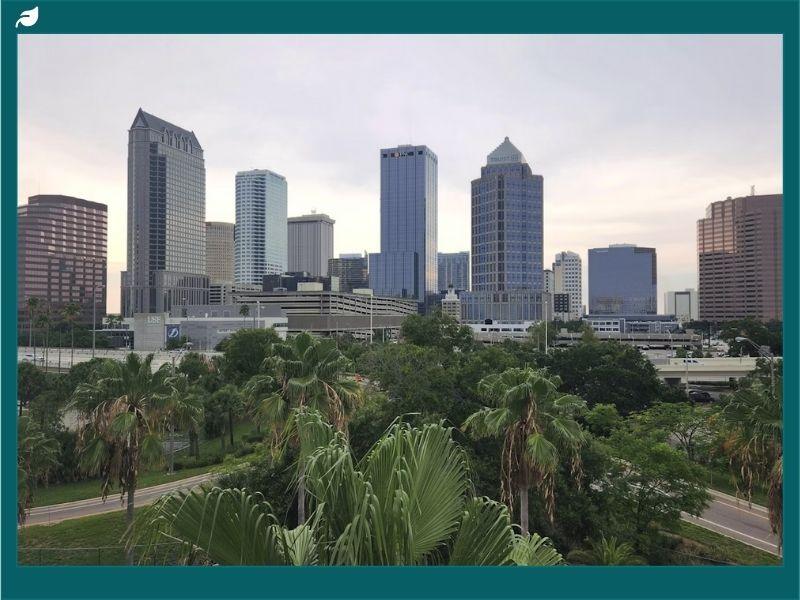
By combining high-efficiency equipment, smart home integration, and envelope improvements, many homeowners are reaching or approaching net-zero energy. This case study explores how the Tampa Bay market is leading the charge, indirectly highlighting local HVAC specialists known for comprehensive installation and maintenance services, and breaking down strategies that builders and homeowners can use to achieve sustainable living.
Local Expertise Driving HVAC Innovation
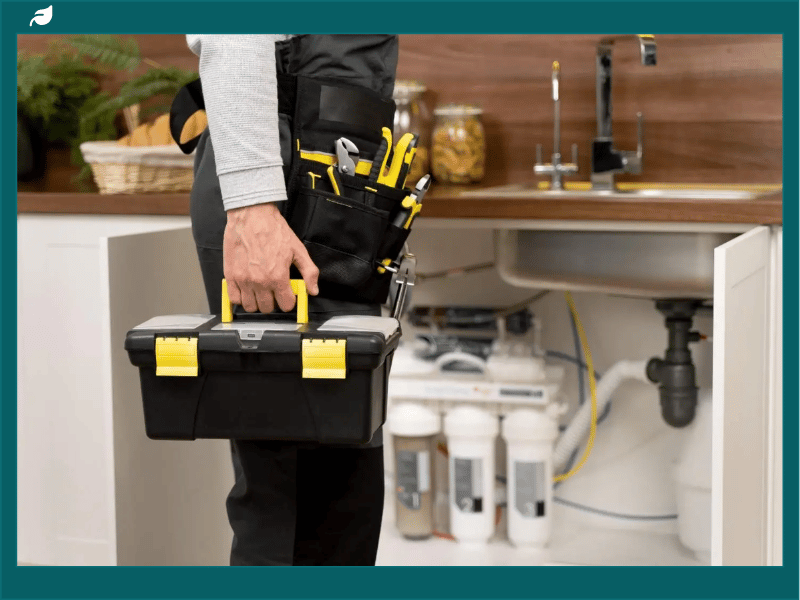
The Tampa Bay region has become a proving ground for high-efficiency HVAC strategies. Tampa HVAC contractors, often providing end-to-end services — from AC installation and duct sealing to indoor air quality upgrades and energy assessments — play a crucial role in this transformation. By offering tailored solutions suited to Florida’s climate, these companies help homeowners minimize wasted energy while improving comfort. Services typically include scheduled maintenance plans, fast-response repairs, and system upgrades with SEER 15 or higher equipment.
These offerings not only extend system life but also help residents maintain performance levels necessary for net-zero aspirations. This localized approach ensures homeowners get solutions optimized for their home size, insulation quality, and family usage patterns, which is critical for energy performance verification.
High-Efficiency HVAC Systems: The Foundation Of Net Zero
Energy-efficient homes start with properly sized, well-installed HVAC systems. Tampa builders and retrofit specialists are increasingly using variable-speed air handlers and high-efficiency heat pumps that exceed current code minimums. Proper sizing through Manual J calculations prevents oversizing — a common problem that leads to humidity issues and higher energy bills.
Variable-speed systems can ramp cooling up or down gradually, using only the power required at a given moment. This results in more consistent temperatures, quieter operation, and lower electricity consumption. For homeowners, these upgrades often deliver energy savings of 30–40% compared to older systems. Combined with high-performance filtration and humidity controls, these systems improve indoor air quality while cutting energy waste.
Sealing The Building Envelope For Maximum Impact
An efficient HVAC system is only as good as the house it serves. Tampa homes that have achieved significant energy reductions share one commonality: a tightly sealed and well-insulated envelope. This includes proper attic insulation, radiant barriers to reduce heat gain, and carefully sealed ductwork to minimize leakage. Studies have shown that duct leakage can account for up to 20–30% of cooling loss in Florida homes, making sealing a priority.
Moving ducts into conditioned spaces or using compact duct designs can further reduce energy losses. Upgraded windows with low solar heat gain coefficients also limit cooling loads, reducing HVAC runtime. When combined, these measures lower peak demand, making it feasible to downsize HVAC equipment and resulting in additional cost and energy savings.
Integrating Smart Controls And Monitoring
Technology is a major enabler of net-zero performance. Smart thermostats with learning algorithms can adapt to occupant behavior and weather conditions, automatically adjusting temperature settings for optimal efficiency. Tampa homeowners are also adopting whole-home energy monitors that provide real-time feedback on energy use, allowing them to spot inefficiencies quickly.
Humidity sensors tied into HVAC controls are particularly valuable in Florida’s climate, ensuring dehumidification cycles operate efficiently without overcooling the space. When combined with demand response programs from utilities, these smart systems allow homeowners to shift loads to off-peak hours, reducing both energy bills and grid strain.
Adding Renewables To Close The Gap
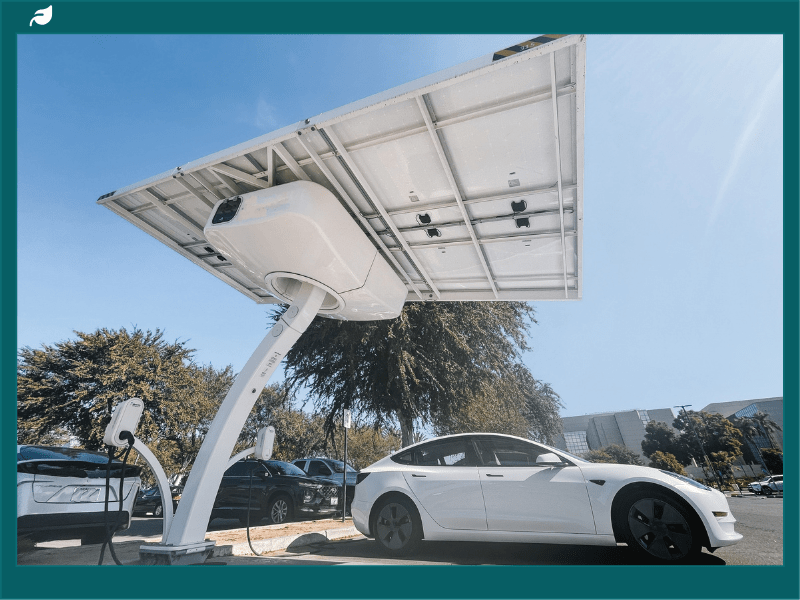
Even with an efficient HVAC system and smart controls, achieving net zero typically requires on-site renewable generation. Rooftop solar photovoltaics are becoming increasingly common in the Tampa Bay region, thanks to falling panel costs and improved financing options. Pairing solar with battery storage further enhances energy independence, allowing homeowners to store excess generation for evening use or backup power during outages.
The integration of solar with smart HVAC systems allows cooling loads to align with peak solar production, maximizing self-consumption. For many households, this combination can bring annual net energy use close to zero, with some even achieving surplus generation and feeding power back to the grid.
Measuring Results And Verifying Performance
Net zero performance must be measured, not just assumed. Homeowners and builders in Tampa are using blower door tests, duct leakage measurements, and Home Energy Rating System (HERS) scores to verify energy performance. A lower HERS score indicates a more efficient home, with net-zero homes typically achieving scores around 0.
Data logging of HVAC runtime, energy consumption, and interior conditions allows continuous commissioning — identifying issues such as refrigerant leaks or failing components before they degrade performance. Florida’s certification programs, such as ENERGY STAR and Florida Green Home, provide third-party validation, giving homeowners confidence that their investment is delivering real savings.
Economic And Environmental Outcomes
The financial case for net zero is increasingly compelling. Tampa homeowners investing in high-efficiency HVAC systems often see payback periods of five to seven years, depending on incentives and electricity rates. Federal tax credits for heat pumps, duct sealing, and solar installations further shorten ROI. Beyond cost savings, these homes contribute to broader environmental goals by reducing greenhouse gas emissions from power generation.
The result is a win-win scenario: lower operating costs, improved comfort and health, and reduced carbon footprint. As more builders adopt these strategies, net zero homes are moving from niche projects to mainstream options in Florida’s housing market.
Wrapping Up
Tampa Bay’s experience shows that net-zero energy homes are achievable today with existing technology and smart planning. Local contractors providing HVAC services form the backbone of these efforts, ensuring systems are sized, installed, and maintained for optimal efficiency. Combined with envelope upgrades, smart controls, and solar integration, homeowners can cut energy use by nearly half before even adding renewables.
As utility incentives and tax credits expand, the economic argument becomes even stronger, making net zero an attainable goal for average homeowners. This model provides a scalable blueprint for other hot, humid regions seeking to balance comfort, affordability, and sustainability.