2025 presents a complex picture for businesses. On one hand, Goldman Sachs puts the odds of a tariff-induced recession at 45%. On the other hand, the US government is spending nearly half a trillion dollars on climate and infrastructure programs, seeding what many call the green market revolution.
Consumers are also signaling intent. Despite record-high housing prices, there remains a strong appetite for environmentally conscious construction, with Americans willing to pay nearly 10 percent more for sustainable products.
The demand for green building materials has only grown as a result. The global green building materials market reached $285.89 billion in 2024, and projections show it hitting $458.61 billion by 2030.
This article explores why green construction is not only environmentally sound but also economically rewarding, and how you can approach it with clarity and confidence.
A Befitting Response to the Energy Crisis of North America
We are living through an energy crisis that touches every American household. Each month brings another utility bill shock, with electricity costs rising 13% annually across the country.
These increases hit hardest when families can least afford them. The situation grew more dire after President Trump signed the comprehensive tax bill into law on July 4, adding pressure to household budgets already stretched thin by inflation.
Summer heat waves compound the problem by pushing our aging electrical grid beyond capacity. Air conditioning systems are working overtime during record-breaking temperatures, creating peak demand that utilities struggle to meet.
This strain translates directly into higher rates for everyone, regardless of individual usage patterns. Traditional construction methods lock homeowners and businesses into this costly spiral with poor insulation and inefficient systems that waste energy.
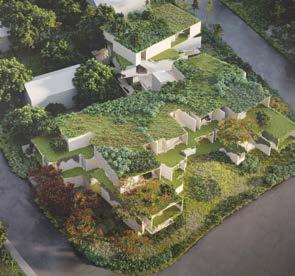
Green building breaks this destructive cycle. Energy-efficient construction reduces dependence on the overwhelmed grid while cutting monthly utility expenses. With all these pressures mounting, green construction is becoming a necessity for both our wallets and the planet’s future. This is where green building management services play a key role. Through practical upgrades—like installing highly reflective roofing materials to keep indoor temperatures stable, or using water-saving plumbing fixtures to reduce unnecessary waste—buildings become more comfortable and far less expensive to operate. These improvements are not about luxury or trend. They are about protecting families and businesses from rising utility costs and unstable energy supply conditions.
Clean Energy Equals More Savings
The upfront investment in sustainable construction may appear steep compared to conventional building methods, but the financial returns prove substantial over time. In 2023, 3.4 million American families collectively saved $8.4 billion through clean energy and energy efficiency upgrades in their homes.
These savings represent real money returning to household budgets each month through reduced utility bills.
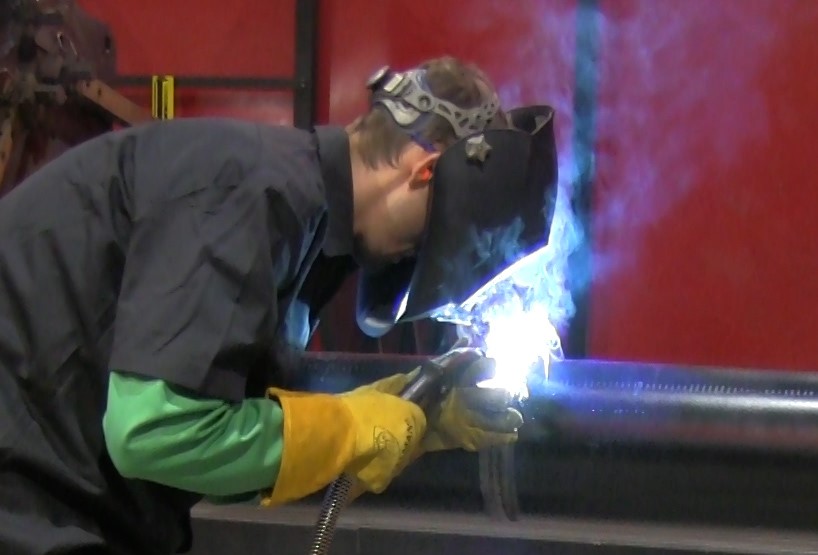
Builders across the country are responding to this demand by pursuing LEED certification for their projects. LEED standards provide measurable benchmarks for energy efficiency, water conservation, and indoor air quality that translate into lower operating costs for occupants. Skilled labor is the bottleneck. In markets with aggressive performance standards like New York City’s Local Law 97, upskilling crews is crucial. Earning the LEED Green Associate credential, and enrolling in reputable prep programs geared toward LEED certification in NYC helps teams interpret credits, document savings, and deliver compliant, cost-efficient builds.
One way contractors achieve these efficiency gains is through thermal break technology in windows and door installations. High-quality thermal break systems prevent heat transfer through building frames, maintaining interior temperatures with significantly less energy consumption.
According to Fabreeka, fiberglass-reinforced laminate composite delivers superior thermal efficiency through a specialized design that blocks thermal bridges in construction assemblies. Builders working to meet energy standards or pursuing LEED accreditation should consider thermal break technology as a fundamental component of their sustainability strategy.
Property Values Jump With Green Features
Sustainable building features create immediate financial benefits beyond monthly utility savings. Homebuyers increasingly prioritize energy-efficient properties when making purchase decisions. Green-certified homes consistently command premium prices compared to conventional properties in the same neighborhoods.
The urgency behind this market shift becomes clear when considering that residential and commercial buildings generate nearly 40% of America’s carbon dioxide emissions. This makes construction choices critical for any meaningful climate protection strategy. Builders who understand this reality are positioning themselves ahead of the coming regulatory changes.
The Regulatory Wave Is Nigh
Building codes across major metropolitan areas are tightening rapidly. Several cities across the nation now require energy disclosure statements for commercial properties. California leads the charge with mandatory solar installations on new residential construction.
This regulatory momentum implies a fundamental transformation in how we approach construction standards. The shift from optional to mandatory sustainability requirements creates a deadline that many builders have not yet recognized. Contractors who begin developing green building capabilities now will have established expertise when these standards become universal requirements.
The timeline for this transition is shorter than most people expect. Training construction crews on sustainable methods requires months of hands-on experience, while building relationships with certified material suppliers takes even longer to develop properly. If you delay this preparation, you will likely find yourself competing for limited training resources and materials when regulations finally arrive in the market.
Strike While the Iron Is Green
Green building isn’t going mainstream because it’s trendy. It’s becoming standard practice because the economics simply work better. Companies willing to adapt immediately stand a chance to capture premium pricing while competitors scramble to catch up. The window for easy entry into sustainable construction closes a little more each month as regulatory requirements tighten and qualified contractors become scarce.