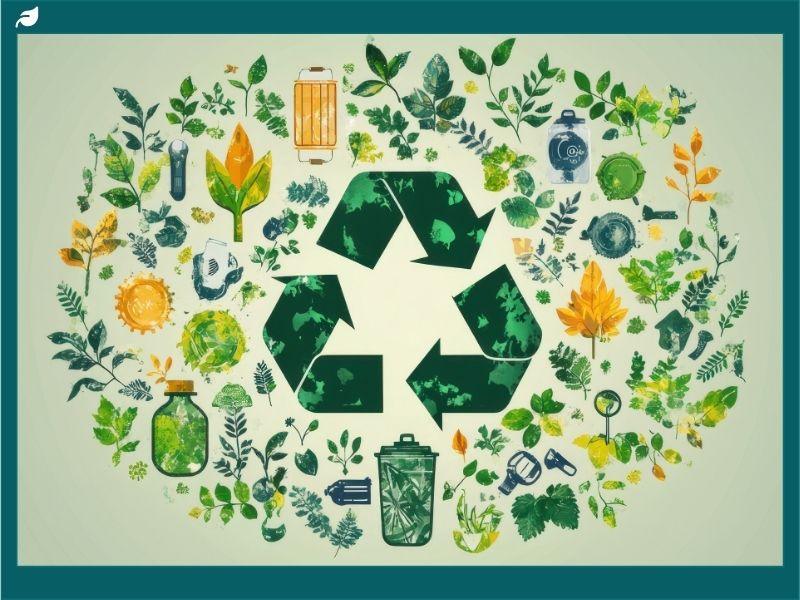
Recyclability means that materials can be collected, processed, and made into new products. This helps cut down on the use of new resources, saves energy, and keeps waste out of landfills.
When companies focus on recyclability, they can lower their environmental impact, meet regulations, and build a positive image with environmentally aware customers. Improving recyclability is important for creating a circular economy and reaching long-term environmental goals.
By working together and finding new solutions, industries can make better use of materials and support sustainable growth.

Understanding Recyclability
Recyclability is key to building a sustainable future because it shows how materials can be reused. It covers not just which materials can be recycled, but also how we manage recycling and follow certain standards to protect the environment.
By understanding and improving recyclability, we can cut down on waste and use resources more wisely.
Definition and Scope of Recyclability
Recyclability means a material can be collected, processed, and used again to make new products, instead of relying on new resources. To decide if something is recyclable, we look at things like its physical properties, how easily it can be separated from other materials, and whether recycling it is cost-effective.
A recyclable product should fit easily into current recycling systems, which helps reduce extra waste treatment. Understanding recyclability also means knowing the whole process, so we can use resources better and protect the environment.
When businesses focus on recyclability, they help cut waste and pollution, meet higher environmental standards, and show their commitment to a greener economy. As the circular economy grows, companies are encouraged to improve their recycling methods and make sure their products support global sustainability.
The Importance of Recyclability in Environmental Conservation
Recyclability is very important for protecting the environment. It helps reduce waste and saves natural resources.
When industries use recyclable products, they lower the need for new materials and reduce the impact of extracting raw resources. This leads to a cleaner and more sustainable world.
Recycling also cuts down on pollution and greenhouse gases. By keeping materials in use longer, recyclability supports the circular economy and reduces landfill waste.
Following recyclability standards helps use resources efficiently and supports sustainability goals. Promoting recyclability also encourages better product design and the use of eco-friendly materials.
As more businesses focus on recyclability, they not only help the environment but also improve their reputation with customers who care about sustainability. Strong recyclability strategies are important for companies that want to protect the environment and save money in the long run.

The Benefits of Recyclability and Sustainable Practices
Recyclability is central to sustainability. It helps reduce waste and pollution and also brings economic benefits.
When businesses use sustainable methods, they can save money and support a circular economy. This approach makes the most of resources and keeps waste low.
Understanding how recyclability connects economic, environmental, and social benefits shows why it is so important for a sustainable future.
Economic Advantages of Incorporating Recyclability
Making recyclability part of business brings many economic benefits. Using recycled materials lowers the need for new resources, which are often more expensive. This can save companies money on raw materials and waste disposal. Reducing waste also cuts costs for managing landfills.
Sustainable practices improve a company’s reputation and attract customers who care about the environment, which can boost sales and loyalty. Meeting recyclability standards helps businesses avoid fines and take advantage of tax breaks or subsidies.
Investing in recyclability can also lead to new products and business opportunities. Overall, focusing on recyclability helps companies save money, stay competitive, and support a healthier planet.

Environmental Impact: Reducing Waste and Pollution
Recyclability has a big impact on the environment by helping solve problems with waste and pollution. When businesses use recyclable materials, they send less waste to landfills, which helps lower pollution and greenhouse gases like methane. Recycling also saves energy compared to making products from new materials. For example, recycling aluminum uses much less energy than making it from scratch.
By keeping materials in use longer, recyclability supports the circular economy and reduces the need for new resources. This helps protect natural habitats and improves air and water quality. Focusing on recyclability is an important part of reducing waste and building a healthier future for people and the planet.
Exploring the Recyclability Process
The recyclability process shows how waste can be turned into useful resources in a sustainable way. This is key to building a circular economy, where materials are reused and repurposed. By checking if materials meet recyclability standards, businesses can make sure they fit into this cycle.
Understanding each step helps companies improve their recycling efforts and support sustainability.
Steps Involved in the Recyclability Process
The recyclability process has several important steps. First, materials are collected and sorted into different recycling streams. This sorting is important for making recycling more efficient. Technologies like optical and magnetic sorting help with this.
After sorting, materials are cleaned and processed, often by washing and shredding, to remove any contaminants. Clean materials are then reprocessed into raw materials for new products. Throughout the process, it’s important to check if materials meet recyclability standards and can be used in new designs.
Teaching both businesses and consumers about recycling helps improve these efforts. By following these steps, companies can save money, help the environment, and use resources more wisely.
To enhance your understanding of the recyclability process, consider these key benefits of efficient recycling practices:
- Reduces the consumption of raw materials, conserving natural resources for future generations.
- Decreases energy usage compared to producing new products from virgin materials.
- Minimizes waste in landfills, leading to reduced land use and potential environmental harm.
- Encourages economic growth by creating green jobs in recycling and manufacturing industries.
- Promotes innovation in product design through the use of sustainable materials.
These points highlight how effective recycling practices contribute to a healthier environment and economy.
Recyclability Criteria: Standards and Guidelines
Understanding recyclability criteria is essential for effective resource management and sustainability. Standards and guidelines help delineate the processes that determine how materials fit into recycling streams. Key factors in recyclability assessment guide industries in evaluating products’ environmental impacts.
As businesses strive for sustainable practices, these criteria offer a roadmap for integrating recyclable materials into production systems, enhancing recycling’s effectiveness. By defining the standards and guidelines, businesses ensure compatibility with international sustainability goals, promoting a recyclable future. This section delves into the factors crucial for determining the recyclability of products and materials.
Key Factors in Recyclability Assessment
Determining the recyclability of materials involves an intricate process of recyclability assessment, guided by a variety of key factors. These assessments begin with understanding the material’s intrinsic properties, which play a pivotal role in deciding its place in existing recycling streams. Materials must be sustainable and capable of undergoing multiple recycling processes without significant degradation in quality.
This is crucial for materials like packaging, where quality retention throughout the recycling process is essential for maintaining product integrity. The physical and chemical properties of materials, such as density, melting point, and chemical composition, are core considerations in determining their recyclability. These factors help establish whether a material can be easily separated and reintegrated into manufacturing systems as opposed to becoming part of waste streams.
Standards and guidelines play an instrumental role, ensuring materials adhere to certified recyclability requirements. Compliance with these guidelines, such as those set by international organizations, provides a framework for evaluating recyclability in a structured manner.
The assessment includes the material’s compatibility with existing recycling infrastructure, as this impacts the feasibility and economic viability of the recycling process. Efficient recycling depends greatly on the material’s ability to be processed without extensive alterations to existing facilities, which keeps costs manageable and reduces environmental burdens. Understanding these guidelines ensures companies align with best practices in sustainability, effectively enhancing their environmental stewardship.
An intricate part of the recyclability assessment is the evaluation of the lifecycle of materials, which examines the environmental and economic impacts of recycling. This assessment extends beyond material properties to consider the entire lifecycle, including the energy consumed during recycling processes and the potential environmental impact.
It’s essential to balance the cost of recycling against its benefits, ensuring that processes remain environmentally and economically sustainable. Moreover, recyclability criteria must support the circular economy by promoting the reuse and regeneration of materials, helping to counteract the depletion of natural resources, and reducing pollution.
Good recyclability strategies should also teach consumers why recycling matters and how it helps the environment. When businesses, governments, and schools work together, recycling programs are more effective. This teamwork helps turn recycling plans into real actions, making sure materials are reused instead of wasted. By working together, everyone can help reach global sustainability goals.
Packaging Recyclability: A Focus on Sustainable Packaging
Packaging recyclability stands front and center in the movement towards sustainable packaging solutions. As industries pivot to address environmental concerns, focusing on how packaging materials can be effectively recycled becomes crucial. Sustainable packaging aims to minimize waste and environmental impact by utilizing recyclable packaging materials, adhering to strict recyclability criteria, and integrating into the circular economy.
By understanding the full cycle of these materials, businesses can effectively reduce waste and promote a greener future. The following sections will delve into innovative practices and examine best practices that are shaping the future of packaging recyclability.
| Innovation or Practice | Description | Impact on Sustainability | Example or Implementation |
| Recyclable Materials | Using materials that can be easily recycled, such as PET and HDPE. | Reduces waste and conserves resources. | Water bottles made from recyclable PET plastic. |
| Biodegradable Packaging | Forms of packaging that decompose naturally over time. | Minimizes environmental impact by breaking down harmlessly. | Compostable food trays used in restaurants. |
| Design for Recycling | Creating packaging that can be easily disassembled and recycled. | Enhances material recovery and reduces landfill contribution. | Labels that separate easily from containers. |
| Closed-Loop Systems | Systems that aim to use and recycle materials within the same loop. | Promotes circularity and reduces virgin material use. | Reusable bottles collected and refilled by the manufacturer. |
This table highlights the latest improvements and strategies in packaging recyclability that are helping to make packaging more sustainable.
Innovations and Best Practices in Packaging Recyclability
Packaging recyclability is improving thanks to new materials and designs. Companies are creating more sustainable packaging by using things like bioplastics and biodegradable materials, which are easier to recycle and break down. Many new packaging designs are simpler, making it easier to separate and sort them for recycling.
New recycling technologies are also making packaging recyclability better. Smart sorting systems with sensors and robots help sort materials more accurately and keep them clean for recycling. Some packaging now uses digital watermarks to make sorting even easier. These advances help keep recycled materials high quality and support ongoing reuse.
Government rules play a big role in packaging recyclability. These standards help companies design packaging that can be recycled and reused, supporting the circular economy. By following these rules, businesses are encouraged to keep improving their products and find new ways to make them more recyclable.
Teaching consumers about the benefits of recycled and sustainable packaging is important for improving packaging recyclability. When companies are open about their efforts and explain how their packaging can be recycled, it builds trust and encourages people to make greener choices. Working together on these efforts helps create a more sustainable future.
Embracing recyclability is crucial for fostering a sustainable future, enhancing resource efficiency, and reducing environmental impact. Businesses and individuals can contribute significantly by prioritizing recyclable materials, supporting policies that encourage sustainable practices, and staying informed about evolving recycling technologies.
By integrating recyclability into product design and consumption habits, we can pave the way for a healthier planet, stimulate economic growth through job creation in the recycling sector, and ultimately create a circular economy that benefits both society and the environment. The collective effort towards recyclability promises a more sustainable and economically viable world for future generations.