Delve into the world of unique architecture by exploring forest homes that blend seamlessly with their natural surroundings. These remarkable residences demonstrate innovative design and sustainable living, nestled in lush woodlands across the globe. From eco-friendly abodes crafted with renewable materials to luxurious treetop retreats offering breathtaking views, these forest homes showcase a harmonious relationship between human dwellings and nature.
Join us on a global journey to discover inspiring examples of architecture that prioritizes ecological balance while providing contemporary comforts amidst the serenity of the forest.
The Allure of Forest Homes
Forest homes captivate many with their magical allure, blending the serenity of nature with innovative architecture. Living amidst the forest offers an escape from urban chaos, where pristine landscapes provide a refuge for the soul. Whether nestled in dense woodlands or open glades, forest homes embody a harmonious balance between human ingenuity and natural beauty. This harmonious coexistence not only promotes peaceful living but also inspires sustainable practices, turning homes into extensions of their lush surroundings. As more individuals explore forest holidays, the desire for nature-inspired homes continues to grow, creating a unique niche within the real estate market.
Why Living in Nature’s Embrace Appeals to Many
Living in nature’s embrace has become increasingly appealing as people seek solace and tranquility away from the bustling city life. Forest homes provide an unparalleled sense of peace, where the whispering leaves and gentle rustle of wildlife replace the relentless noise of urban areas. This connection to nature not only improves mental well-being but also promotes a healthier lifestyle. With access to countless outdoor activities such as hiking, birdwatching, and meditative forest walks, residents engage with the natural world in ways often impossible in concrete jungles.
Moreover, forest homes champion sustainability, often constructed with eco-friendly materials and practices that minimize environmental impact. This approach not only conserves the beauty of the forests but also embodies a lifestyle that’s in harmony with nature’s rhythms. As society increasingly values sustainability and authentic experiences, the demand for thoughtfully integrated forest homes remains on the rise, offering a compelling alternative to traditional living settings.
Nature Design Inspirations
Nature-inspired design in forest homes offers a seamless integration of the natural world with architectural innovation. Such designs use natural materials and biophilic design principles to establish an intimate connection between dwelling and environment. These homes celebrate the textures and colors of their surroundings, turning nature’s palette into a living space.
The integration of nature into the architectural process underscores the belief that homes should not only exist within their environments but enhance them. By doing so, forest homes stand as paragons of sustainable design, promoting harmony between human habitation and nature.
Integrating Natural Materials into Forest Architecture
Integrating natural materials into forest architecture is pivotal for creating a harmonious connection with the surrounding environment. The choice of materials like wood, stone, and clay enhances the aesthetic appeal of a forest house while minimizing environmental impact. Wood, in particular, offers insulation benefits and a rustic charm that aligns with the serene backdrop of forest settings. The use of stone adds durability and a sense of permanence, echoing the endurance of nature’s landscapes.
Clay, with its earthy tones, imbues homes with warmth and elegance, promoting a sense of well-being. Biophilic design principles further complement this incorporation, as they emphasize the bond between humans and nature. By leveraging natural materials, architects craft spaces that breathe with the rhythm of the forest, enhancing the inhabitant’s connection to the natural world. This approach not only supports sustainability but also ensures that forest homes truly feel like an extension of their organic surroundings.
Sustainable Building Practices
Building forest homes involves a keen focus on sustainable practices that minimize environmental impacts while enhancing natural aesthetics. These homes utilize eco-friendly methods, incorporating renewable resources to blend seamlessly with their surroundings. Embracing sustainable materials and innovative designs not only conserves nature but also boosts energy efficiency and reduces the carbon footprint.
As people increasingly seek eco-friendly lifestyles, forest homes stand out as prime examples of sustainable living. The emphasis is on creating structures that serve as a natural extension of the environment, fostering harmony with nature and maintaining the ecological balance of forest settings.

Eco-Friendly Methods for Constructing Forest Homes
The construction of forest homes requires eco-friendly approaches that utilize sustainable materials to maintain the pristine beauty of their surroundings. Architects are increasingly turning to renewable resources like reclaimed wood, bamboo, and compressed straw panels. These materials not only reduce environmental strain but also provide distinct aesthetic benefits, enhancing the rustic charm of forest homes. Reclaimed wood, for instance, offers both a history and character that new materials cannot replicate, while bamboo’s rapid growth makes it a superb renewable resource. Moreover, compressed straw panels deliver excellent insulation properties, pivotal for temperature regulation in forest environments.
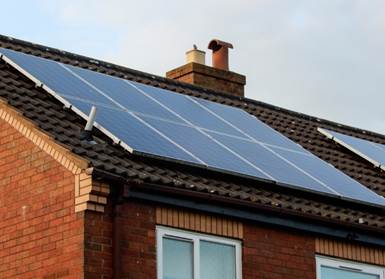
Incorporating sustainable interiors also forms an essential part of this eco-friendly building ethos. Interior designs focus on maximizing natural light, using large windows and open floor plans that blur the lines between indoor and outdoor spaces. This approach not only reduces reliance on artificial lighting but also strengthens the connection to the surrounding landscape. Furthermore, installing energy-efficient appliances and systems, like solar panels and rainwater harvesting setups, contribute to the sustainable ethos of these homes. By embracing these eco-friendly construction methods, forest homes become more than just residences; they embody a commitment to living harmoniously within nature’s embrace, preserving it for future generations.
Exploring Forest Interiors
The interiors of forest homes present a unique opportunity to merge functionality with the serene beauty of nature. As more individuals embrace life amid verdant landscapes, designing spaces that celebrate and complement this natural harmony becomes vital. Whether crafting a country house or a modern forest home, interiors must integrate natural elements to enhance comfort and connectivity with the environment. Focusing on eco-friendly materials and thoughtful layouts can transform these homes into sustainable sanctuaries that coexist with their lush settings, offering residents a peaceful retreat from urban life.
Creating Cozy and Functional Spaces in Natural Settings
Designing the interiors of a forest home involves balancing coziness with functionality, ensuring that each space resonates with its surroundings. Central to this notion is the use of natural materials like wood and stone, which foster a seamless connection between the interior and the outdoor environment. Wood, with its warm and inviting textures, not only adds a sense of rustic charm but also offers excellent insulation properties, making homes comfortable throughout the year. Stone, on the other hand, provides durability and a timeless aesthetic that enhances the natural allure of forest homes.
Attention to space planning is crucial, with open floor layouts and strategically placed large windows ensuring ample natural light permeates every corner. This design choice not only reduces dependency on artificial lighting but also heightens the inhabitants’ awareness and appreciation of the surrounding forest. Furthermore, incorporating energy-efficient furniture and fixtures helps maintain the eco-friendliness of forest interiors, aligning with the broader sustainable ethos that characterizes these homes. By melding design elements that enhance both functionality and warmth, forest homes offer an intimate refuge that celebrates its natural setting while maintaining a strong focus on practicality and sustainability.
The Role of Forest in Architectural Choices
When crafting homes deep in the woods, architects are compelled to consider how forests influence design. The natural surroundings dictate innovative approaches, leading to building innovations that seamlessly blend into the environment. From the choice of sustainable materials to the architecture that echoes the rhythms of nature, forest homes offer a unique intersection of practicality and beauty. This section delves into how the inherent qualities of forests inspire architects to innovate, ensuring that homes are both functional and harmonious with their settings, while reflecting the broader trend towards sustainable living.
How Forest Environments Shape Building Innovations
Forests exert a profound influence on architectural innovation, pushing designers to create structures that coexist peacefully with the natural environment. The dense foliage, diverse ecosystems, and challenging terrains of forests demand building innovations that are resourceful and sustainable. An architect designing a forest home might choose to incorporate tree canopies into the roof structure, providing natural insulation and reducing energy costs. This integration fosters a balance between aesthetic appeal and eco-friendliness, as these homes utilize materials sourced from the immediate environment, such as fallen timber or reclaimed wood.
The design process also involves adapting to the unique microclimates of forests, ensuring homes have adequate ventilation and natural lighting. Large windows not only open up the interiors to the green vistas but also regulate indoor temperatures, making heating and cooling more efficient. These innovative approaches to building in forest environments highlight a commitment to sustainability while enhancing the organic connection between human habitation and natural surroundings. These homes are not just residences; they are pioneering models of eco-conscious design that celebrate and preserve the tranquility of the forest.
Global Examples of Forest Homes
Forest homes around the world showcase an incredible variety of architectural styles, each reflecting the unique cultural and environmental contexts from which they arise. From the traditional timber houses of Northern Europe to the elevated bamboo dwellings in Southeast Asia, these forest homes demonstrate the diverse designs that emerge from different cultures. Each embodies a vision of harmonious living with nature, leveraging local materials and traditional techniques to create structures that blend seamlessly into their environments. This commitment not only preserves the natural allure of forest settings but also promotes sustainable and culturally rich residential designs.
Diverse Designs from Different Cultures
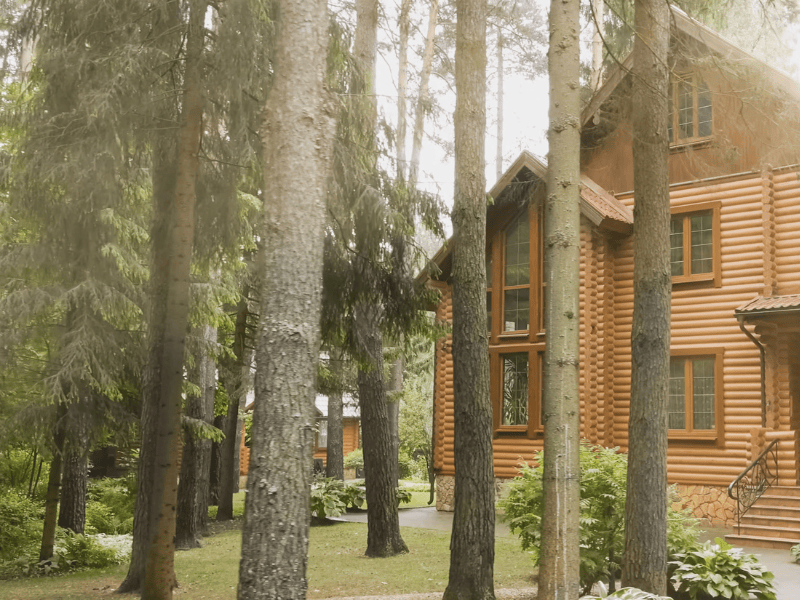
Exploring the global landscape of forest homes reveals an impressive tapestry of diverse designs inspired by cultural practices and ecological considerations. In Northern Europe, the classic timber cabins embody warmth and simplicity, utilizing locally sourced wood to blend into the temperate forest surroundings. These homes emphasize the use of logs and shingled roofs, ensuring optimal insulation against the harsh winters. Moving to Southeast Asia, bamboo-dominated architecture showcases resilience against humid climates. These homes, often elevated on stilts, not only protect against flooding but also utilize bamboo’s rapid regrowth to sustain environmental balance.
Meanwhile, the Delamere Forest in the UK offers a unique retreat with its forest home lodges that merge modern comforts with rustic exteriors. Here, designers incorporate wide glass panels to allow natural vistas to flood the interiors, enhancing the resident’s connection to the tranquil landscape. Each of these forest homes exemplifies how diverse designs cater to local climates and cultural aesthetics, manifesting as not just residences but as harmonious expressions of the environment they occupy. These examples underscore an enduring commitment to sustainability and cultural heritage, offering profound insights into how we might better integrate our living spaces within natural landscapes.
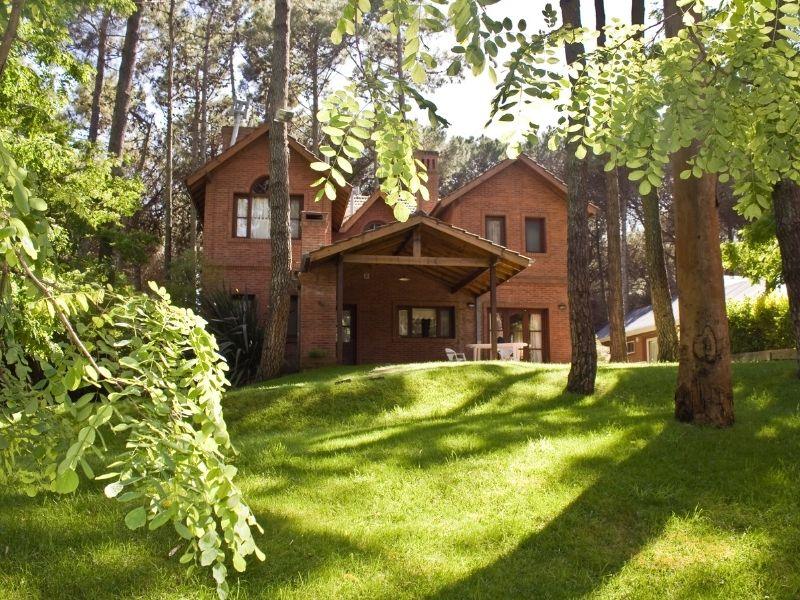
Living in Harmony with Nature
Forest homes provide a magical nexus where human lifestyle aspires to coexist peacefully with the natural environment. These architectural marvels not only reflect a deep respect for nature but also demonstrate innovative ways to maintain a balanced ecosystem around and within the home. By incorporating eco-friendly materials, these dwellings create a seamless bond with their surroundings, promoting sustainability while enhancing the inherent beauty of their settings. This harmonious relationship between home and nature surpasses mere aesthetics, setting a standard for living that prioritizes ecological balance alongside modern comfort and functionality.
Maintaining a Balanced Ecosystem with Your Home
Maintaining a balanced ecosystem around forest homes requires a thoughtful approach, intertwining design and habitat preservation. Forest homes should be situated in a manner that respects natural wildlife pathways and plant ecosystems, thereby reducing the human footprint on the surrounding environment. One way to achieve this harmony is through landscape design that emphasizes native plant species, which support local biodiversity and require fewer resources. Additionally, opting for permeable materials in pathways and driveways helps manage water runoff, preserving the natural watering processes within forest settings.
The interior design of forest homes also plays a crucial role in maintaining this ecological balance. By maximizing the use of natural light and ventilation, homes can minimize energy usage, promoting a sustainably warm or cool environment depending on the season. Moreover, integrating smart home systems can optimize energy consumption, ensuring that the home’s impact on its natural surroundings remains minimal. Constructing these homes with sustainably sourced materials, such as reclaimed wood or bamboo, furthers both the aesthetic and functional harmony with nature, embodying a lifestyle choice that values ecological stewardship alongside contemporary living. By choosing to live in a forest home, one makes a commitment to preserving the delicate ecosystems that make such settings so profoundly appealing.
Embarking on a journey through these remarkable forest homes unveils the unique ways architects and nature enthusiasts blend sustainability with design. Each dwelling is a testament to creativity, offering not only shelter but also an immersive natural experience. From the treetops to the forest floor, these homes stand as beacons of innovation and environmental harmony. Whether nestled in remote landscapes or accessible regions, they invite us to reimagine our living spaces. Delve deeper into these awe-inspiring architectures to discover the perfect fusion of human ingenuity and the tranquility of nature’s embrace.