Forests play a crucial role in maintaining the planet’s water balance, acting as natural water reservoirs that regulate the supply and quality of water resources. Through processes like transpiration and infiltration, forests influence precipitation patterns and groundwater recharge, affecting ecosystems and human communities alike.
The intricate relationship between forests and water dynamics is vital for sustaining biodiversity, mitigating flooding, and ensuring a stable water supply for agricultural and urban needs. Understanding these interactions is essential, especially in the context of climate change and increasing pressures on water resources worldwide.
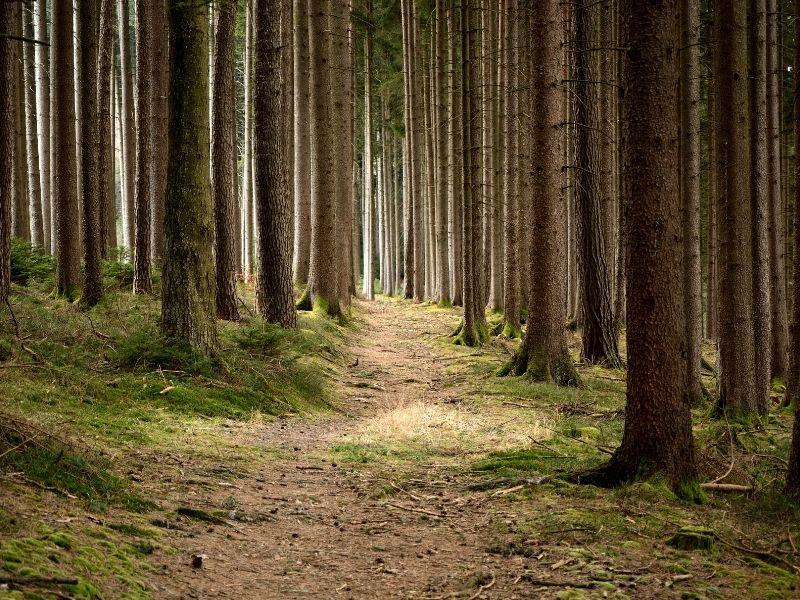
Understanding the Basics of Forest and Water Interactions
Forests play a crucial role in the intricate dance between land and water, shaping our planet’s hydrological cycles. The interactions between forest ecosystems and water resources are fundamental to maintaining the environmental balance, affecting everything from local water availability to wider climate patterns.
Forests impact the water cycle through processes of interception, absorption, and transpiration, whereby trees regulate the flow and quality of water. By grasping these basics, we delve into the pivotal role forests hold in hydrology, influencing the overall water environment and ensuring sustainable management of water resources globally.
The Role of Forests in Maintaining Water Environment Balance
Forests are integral to sustaining the water environment, primarily through their impact on the hydrological cycle. The canopy of a forest intercepts rainfall, reducing surface runoff, which in turn helps recharge groundwater supplies. This process moderates the flow of water resources, preventing both floods and drought conditions. Forest cover aids in filtering water as it percolates through the soil, enhancing its quality.
Beyond physical regulation, trees play a vital role in maintaining atmospheric moisture levels through transpiration, which feeds back into the local and global water cycles. The sustainable management of forests is essential to preserve these ecological benefits, ensuring a balanced and healthy water environment.
Effects of Forestry on Water Quality
Forestry practices significantly affect water quality, a crucial aspect of maintaining healthy ecosystems. The relationship between forests and water isn’t just about supply; it extends to how forestry operations can alter water’s chemical and physical properties. Through activities like logging and deforestation, the purity and quality of water may be compromised, leading to issues such as acidification and increased water runoff. Understanding these impacts is vital for developing sustainable forestry practices that mitigate negative outcomes, ensuring long-term ecological and community wellbeing by balancing commercial logging needs with environmental preservation.
Assessing the Impacts of Logging and Deforestation
Logging and deforestation profoundly impact water quality, introducing changes that can echo across ecosystems. As trees are removed, the forest floor becomes vulnerable to erosion, increasing the sediment in nearby water bodies. This sedimentation can cloud waters, reducing light penetration and affecting aquatic life.
Moreover, the absence of trees disrupts natural filtration processes, altering water quality by allowing pollutants to enter streams more readily. The impact of deforestation extends to heightened water runoff, exacerbating the movement of excess nutrients that lead to acidification. It’s crucial to evaluate these impacts thoughtfully, ensuring forestry policies incorporate sustainable practices that protect water resources, reduce deforestation impacts, and promote ecological balance.

Forests and their Contribution to Ecosystem Services
Forests don’t just contribute to the natural beauty of our planet; they provide essential ecosystem services that are indispensable for environmental and human health. Among these, the enhancement of water resources stands out as a key advantage. Through processes such as absorption and transpiration, forests manage the availability and quality of water, ensuring it flows where and when it’s needed most.
Effective forest management practices, such as planting and maintaining trees, bolster these services, helping sustain crucial ecological functions and promoting biodiversity. This interconnectedness highlights the necessity of preserving forests for their invaluable water resource contributions.
How Water Resources are Enhanced by Forest Ecosystems
Forests are pivotal in safeguarding and improving water resources through various natural processes. Trees, the backbone of forest ecosystems, play a critical role by acting as living sponges, absorbing rainfall, reducing runoff, and allowing it to gradually soak into the ground. This not only recharges aquifers but also maintains the flow of rivers and streams, ensuring water availability during dry periods. Forest management practices, such as strategic tree planting and conservation, further bolster these benefits by stabilizing soil and reducing erosion.
As forests filter our water through natural means, they improve its quality, providing cleaner sources and enhancing overall ecosystem services. With thoughtful management, the symbiotic relationship between forests and water resources can be preserved and strengthened for future generations.
Water Usage within Forest Environments
Water usage in forest environments plays a significant role in maintaining ecological balance and supporting biodiversity. Forests act as natural reservoirs, absorbing rainfall and maintaining water levels in aquifers and streams. The unique water consumption patterns of trees impact various hydrological processes, influencing everything from soil moisture to atmospheric moisture levels.
Exploring these patterns provides valuable insights into how forests manage water consumption, highlighting the crucial role of trees in facilitating a stable water environment. Understanding these mechanisms can guide sustainable forestry practices that aim to preserve water resources and ecological integrity.
Evaluating Water Consumption Patterns
Evaluating water consumption within forest ecosystems reveals complex interactions among various environmental factors. Trees, with their expansive root systems, play a pivotal role in absorbing groundwater, affecting overall water consumption and availability. Through processes such as transpiration, trees release water back into the atmosphere, contributing to local and global water cycles.
This transpiration process helps regulate not only local humidity levels but also broader weather patterns. Water consumption patterns are intricately linked to tree species, soil types, and climate conditions, making it essential to conduct region-specific studies. These studies help determine water availability and inform forest management practices aimed at optimizing water use, ensuring both sustainability and resilience in forest ecosystems.
Impacts of Forestry on Local and Global Water Resources
Forestry holds a significant influence over both local and global water resources, impacting availability and quality through various practices. The long-term effects of these forestry practices shape water dynamics by altering natural processes such as transpiration and interception. From local streams to global water cycles, the way forests are managed affects how water is distributed and utilized. Understanding these interactions allows us to design strategies that balance ecological health with human needs, ensuring sustainable water availability amidst evolving forestry practices and environmental changes.
Long-Term Effects of Forestry Practices on Water Availability
The long-term impacts of forestry practices on water availability are profound and widespread, influencing ecosystems both locally and globally. Through activities such as clear-cutting and monoculture planting, forestry can disrupt natural water cycles, affecting groundwater recharge and surface water flow. These disruptions often lead to increased water runoff, reduced aquifer levels, and altered water tables.
Conversely, sustainable forestry practices that include mixed-species planting and strategic logging can restore these dynamics. They help maintain water availability by enhancing soil water retention and reducing erosion. By adopting these sustainable approaches, we can mitigate negative effects, securing water resources for future generations and promoting ecological balance across the globe.

Strategies for Sustainable Forestry Management
Sustainable forestry management is pivotal in safeguarding water resources through innovative strategies. By aligning forestry practices with ecological principles, we can enhance water quality and ensure long-term environmental health. The integration of sustainable tactics not only preserves the forest canopy but also contributes to water conservation efforts, maintaining the delicate balance within ecosystems. As we delve into sustainable forestry, we’ll explore how such strategies aim for environmental and societal benefits, particularly focusing on improving water quality through innovative practices.
Improving Water Quality through Innovative Practices
Improving water quality within forested areas involves innovative practices that focus on sustainable management techniques. A key strategy is adopting environmentally friendly logging techniques like selective logging, which minimizes impacts on the forest floor and water resources. Using buffer zones around water bodies prevents sedimentation and maintains the natural filtration processes of these ecosystems. Sustainable management approaches, such as agroforestry, promote biodiversity and ecosystem resilience, which are crucial for maintaining water quality.
By leveraging technology and innovative practices, such as drone monitoring and precision forestry, the impacts on water quality can be closely monitored and controlled. These initiatives showcase how strategic management can foster sustainable forestry that conserves and enhances vital water quality.
Future Outlook: Balancing Forest Conservation and Water Needs
The challenge of harmonizing forest conservation with water resource management has become increasingly pressing, particularly as global demand for both continues to grow. Addressing this balance requires forward-thinking policies and innovative management strategies that consider the long-term ecological benefits forests provide and the immediate water needs of communities.
The future lies in developing comprehensive frameworks that encourage sustainable practices, fostering cooperation between stakeholders to ensure both ecosystems and human populations thrive. Exploring how policy implementation can enhance this harmony offers insight into achieving sustainable resource management that supports both forest and water conservation initiatives.
Implementing Policies for Harmonizing Water and Forest Management
Implementing effective policies is critical in harmonizing the management of water and forest resources, ensuring both conservation and human needs are met. Policies must be crafted to address the complexities of these interrelationships, drawing on up-to-date research and successful practices. Harmonizing management involves integrating cross-sector collaboration between governments, NGOs, and local communities to design adaptive management strategies that respond to changing environmental conditions and enhance ecosystem resilience.
Such policies should focus on sustainable practices, like protected area expansion and restoration initiatives, enabling ecosystems to provide essential services such as water filtration and climate regulation. Forward-thinking policies that actively involve indigenous knowledge could offer balanced solutions by respecting local cultural practices and understanding of the land, ensuring inclusive, sustainable management that benefits all stakeholders. By aligning conservation efforts with water needs through comprehensive policies, we can build a resilient future that secures vital natural resources for generations to come.
Recognizing the intricate bond between forests and water is essential for effective resource management and environmental conservation. Forest ecosystems play a vital role in maintaining regional water cycles, contributing to water quality and availability. Sustainable forestry practices ensure these ecosystems continue to thrive, safeguarding their function as natural water regulators amidst growing environmental pressures. Policymakers and stakeholders must prioritize integrated management strategies that balance ecological health with human needs, fostering resilience in both forested and water systems. As the global community grapples with climate change, the synergy between forestry and water remains a cornerstone of sustainable development efforts.