Persistent drought conditions in North Carolina have significantly increased wildfire risks by facilitating ignition and rapid fire spread. As vegetation becomes highly flammable, wildfire prevention is essential.
This resource provides evidence-based strategies for risk mitigation, with a focus on community preparedness and sustainable land management.
Proactive measures can reduce vulnerabilities and protect both ecosystems and human populations from the adverse effects of wildfires.
Understanding North Carolina’s Wildfire Challenges
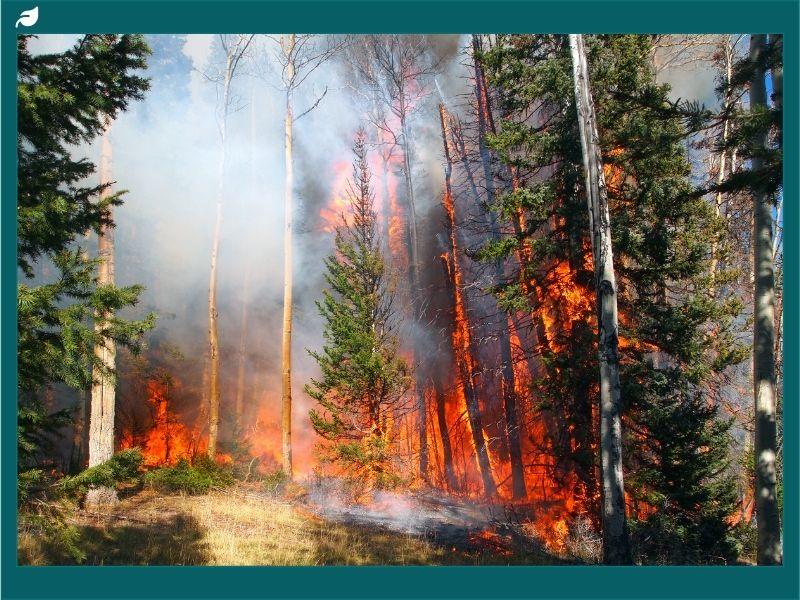
North Carolina faces increasing wildfire challenges, particularly amid prolonged drought conditions. The state’s diverse landscape, which includes vast forests and dense vegetation, provides ample fuel for wildfires, leading to heightened risks.
Recent NCFS updates highlight the susceptibility of certain regions to woods fires, compounded by factors such as gusty winds and dry weather. The state has historical encounters with wildfires, emphasizing the importance of proactive measures.
Addressing these challenges involves understanding the various triggers contributing to wildfire risks and leveraging strategies like prescribed fire, supported by the forest service, to manage the land more sustainably and prevent emergency situations.
Factors Leading to Increased Wildfire Risks
Multiple factors contribute to wildfire risks in North Carolina, many of which have intensified due to current climate trends. Prolonged drought has desiccated vegetation, increasing the likelihood of ignition and rapid fire spread.
Gusty winds further elevate risk by dispersing embers and initiating additional fires. Human activities, including improper debris burning and unsafe outdoor fire practices, are significant contributors.
State data indicate recurring patterns of human-induced wildfires. The forest service underscores the importance of prescribed fires for reducing underbrush and minimizing uncontrolled wildfire incidents.
Recent NCFS updates call for increased community awareness and preventive actions to address these persistent challenges.
| Factors Contributing to Wildfires | Climate Impacts | Preventive Measures | Human Influences |
| Dry Seasons | Rising Temperatures | Firebreaks | Land Development |
| Vegetation Density | Increased Droughts | Prescribed Burns | Recreational Activities |
| Topography | Shifting Rain Patterns | Public Education | Agricultural Practices |
The following table summarizes the complex challenges and management strategies for wildfires in North Carolina, emphasizing the interaction between environmental and human factors and the proactive measures implemented to reduce risk.
Impact of Wildfires on Air Quality and Local Communities
Wildfires in North Carolina present risks that extend beyond direct fire damage, particularly by degrading air quality and affecting local communities. Smoke emissions reduce air quality and pose health risks, especially for vulnerable populations.
Economic impacts and strain on community services are significant as emergency management resources become overextended. State agency monitoring has documented elevated concentrations of hazardous airborne particles, resulting in public health advisories.
Recognizing these impacts is critical for developing long-term strategies to protect public health and enhance community resilience in wildfire-prone regions.
Health Implications of Deteriorating Air Quality
Deteriorating air quality during wildfires has significant health consequences. Individuals with pre-existing conditions, such as asthma, are at increased risk.
Data indicate a correlation between poor air quality and higher hospital admission rates, placing additional pressure on emergency management services. The prevalence of respiratory issues highlights the need for timely dissemination of information and community support.
Collaboration with health agencies can improve preparedness and response. Official air quality advisories equip residents with essential guidance for self-protection.
Addressing these challenges from a public health perspective underscores the necessity of integrated forest management and emergency response strategies.
Preventive Measures to Mitigate Wildfire Risks
Preventive measures are essential for reducing wildfire risks in North Carolina, especially during drought. Effective strategies include minimizing available fuel sources and promoting public education on fire safety.
Understanding the role of human activities in woods fire incidents enables communities to modify behaviors and decrease risk. Collaboration with state agencies offers historical context and practical information to improve preparedness.
Proactive interventions, such as controlled burns endorsed by the forest service, can substantially lower fire occurrence. A coordinated approach is fundamental to managing the state’s vulnerability to wildfire emergencies.
Best Practices for Reducing Woods Fire Incidents
Reducing woods fire incidents requires the implementation of best practices that address both environmental and human-related risks. In North Carolina, particularly in regions such as Henderson County, community participation is essential.
Residents can help by creating defensible spaces, which includes trimming vegetation and removing dead plant material. Access to state-specific fire weather information enables residents to adjust activities and prevent accidental ignitions.
The use of firebreaks and adherence to forest service recommendations are effective in limiting fire spread. Educating communities about the historical role of prescribed burns promotes acceptance and cooperation in fire management.
Comprehensive strategies enhance the protection of North Carolina’s landscapes and communities from wildfire damage.
Strategic Insights for Reducing Woods Fires in Your Community
- Engage with local fire authorities to stay updated on best practices and safety tips.
- Organize community workshops focusing on fire prevention and safety protocols.
- Implement routine assessments of your property’s fire risk and update defenses accordingly.
- Promote the use of fire-resistant materials in landscaping and construction.
- Advocate for community-wide adoption of early warning systems for fires.
- Support local campaigns on the benefits and safety of prescribed burns.
- Encourage volunteer initiatives for regular firebreak maintenance.
These measures can substantially improve community preparedness and resilience in response to woods fire incidents.
The Role of Community Efforts in Fire Prevention
Community initiatives are essential for reducing wildfire risks in North Carolina, particularly during drought. The combination of dense forests and arid conditions increases susceptibility to severe fires, highlighting the importance of engagement strategies.
Collaborative efforts enable communities to address these threats more effectively. Promoting a culture of cooperation and action allows residents to help decrease wildfire frequency.
Participation in fire safety programs and hazard reduction initiatives is critical. Active community involvement contributes to a safer environment for both residents and natural ecosystems.
Engaging Carolina Residents in Fire Safety Initiatives
Resident engagement is critical for advancing wildfire prevention in North Carolina. Community involvement begins with education and awareness of wildfire and smoke risks, especially in high-risk areas.
Workshops and seminars provide residents with practical knowledge and skills for implementing safety measures. Participation in local fire safety programs enhances emergency preparedness and response.
Volunteering in fire prevention initiatives, particularly within state forests, offers practical experience in risk reduction. Activities such as creating defensible spaces help limit fire spread.
Establishing strong community networks improves North Carolina’s capacity to address wildfire challenges and protect its diverse environment.
Accessing Vital Information During Wildfire Seasons
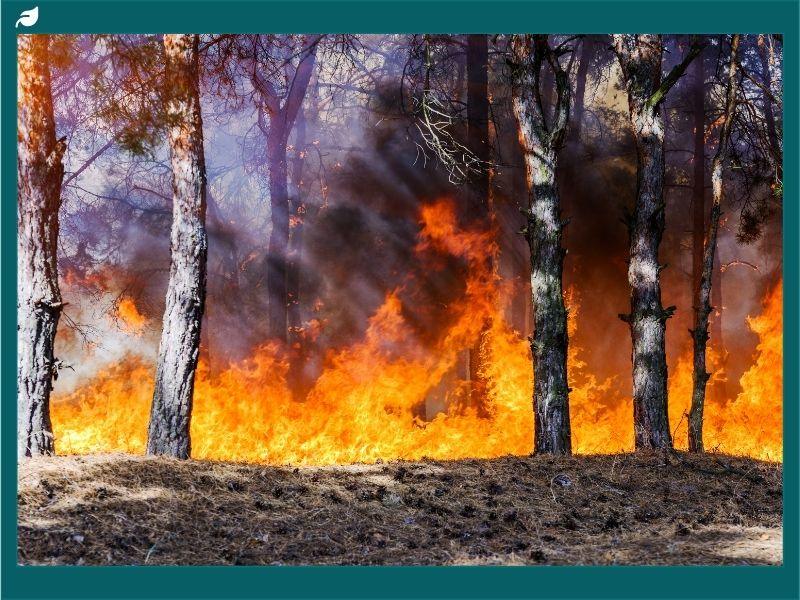
Timely access to comprehensive information during wildfire seasons is essential for safety and preparedness in North Carolina. The North Carolina Forest Service (NCFS) provides current updates, including emergency notifications and weather forecasts.
Residents can use this information to monitor fire incidents and adjust activities to reduce risk. Effective communication enables communities to respond quickly and responsibly.
Disseminating information through various channels, such as online platforms and local broadcasts, ensures broad and prompt access, facilitating better management of wildfire challenges during extended drought.
Effective wildfire prevention strategies are vital for protecting North Carolina’s environments and communities. Promoting community participation, modernizing infrastructure, and regularly assessing high-risk areas are key to reducing drought-related wildfire risks.
Collaboration between government agencies and local organizations supports the development of innovative fire prevention and management solutions. Investment in education and resources enables residents to make informed choices, decreasing human-caused ignitions.
Prioritizing sustainable land management and public awareness will strengthen North Carolina’s resilience to the challenges of a changing climate.