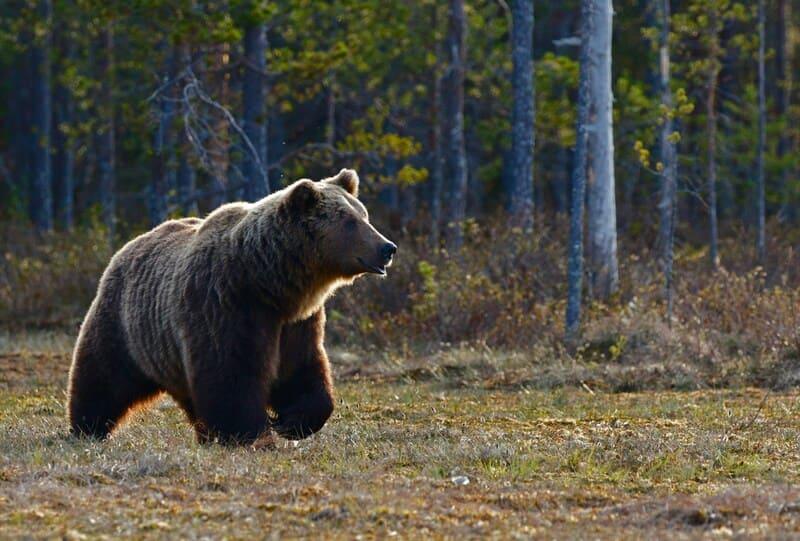
Often confused due to their names, black bears and brown bears are distinct species with notable differences in physical traits, habitat preferences, and behaviors. Black bears typically have a smaller stature, with sleek fur that can range from black to cinammon, while brown bears, including grizzlies, are larger, with a pronounced shoulder hump and varied coat hues.
These bears also inhabit diverse ecosystems, contributing to their unique adaptation strategies. By exploring their distinct features and ecological roles, we gain insight into the rich biodiversity and intricate dynamics of the wildlife they embody.
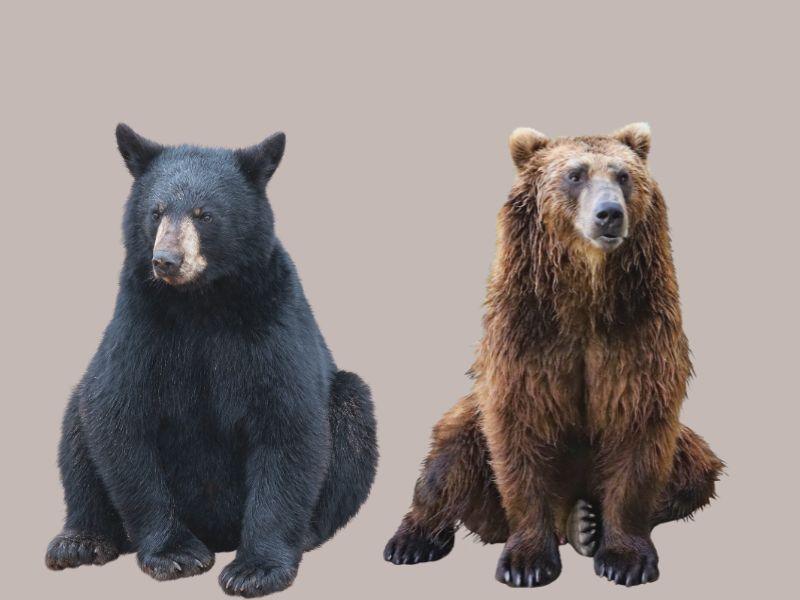
Physical Characteristics of Black and Brown Bears
Black bears and brown bears, iconic members of the Ursidae family, display distinct physical traits that aid in bear identification for wildlife enthusiasts. Differentiating between these species involves observing specific characteristics like the shoulder hump, bear size, and more.
Black bears, known scientifically as Ursus americanus, typically lack the pronounced shoulder hump found on their counterparts. Brown bears, including the renowned grizzly bears (Ursus arctos), are notable for this feature, which aids greatly in species identification and appreciation during viewing. These differences are crucial when encountering these majestic creatures in the wild.
Spotting the Shoulder Hump on a Brown Bear
Recognizing the shoulder hump is central to accurately identifying brown bears, especially when considering the diverse bear species that inhabit North America. The brown bear, or Ursus arctos, famously exhibits a prominent shoulder hump that distinguishes it from the American black bear. This feature, highly visible and significant in wildlife observation, results from the robust muscle mass brown bears develop to aid in digging and locomotion. The shoulder hump is a clear indicator, not just of strength, but of the bear’s capabilities and evolutionary adaptations that have allowed it to thrive in various environments.
Grizzly bears, a subspecies of brown bears, emphasize this distinction even further and their shoulder hump is particularly pronounced. Their massive muscle structure, visible as a hump right behind the neck, is not only a key for bear identification but also serves practical purposes. These muscles assist in the digging of roots and tearing apart logs, essential activities for their survival. Viewer satisfaction often increases when they can confidently identify grizzly bears and their unique traits during wildlife excursions.
The understanding of such physical characteristics assists researchers, wildlife enthusiasts, and casual viewers in distinguishing between these majestic creatures. While black bears, without a shoulder hump, may be more agile in climbing trees, it’s the brown bear’s powerful frame, enhanced by the shoulder hump, that dominates rugged terrains. This distinctive morphology supports their status as one of the top contenders in the wild’s hierarchy. Such recognition is especially important in areas where brown bear viewing is popular, helping to ensure both safety and enjoyment in these natural habitats. With keen attention to these traits and informed insights, bear watchers can better appreciate and respect the diversity within these remarkable species.
Understanding Bear Species and Their Ecosystems
When exploring bear species, we find black bears and brown bears, each thriving in ecosystems uniquely suited to their survival abilities. These majestic creatures inhabit diverse landscapes, from dense forests to arctic tundra, reflecting their adaptability and resilience in the wild. Recognizing the ecosystems these bears thrive in can enhance wildlife viewing experiences and aid in effective bear identification. As we delve into their habitats, we can appreciate the roles they play as both keystone species and vital parts of biodiversity. Understanding their environments helps to preserve these iconic species for future generations.
Unique Habitats of Black Bears and Brown Bears
Black bears and brown bears display remarkable adaptability across diverse habitats, each equipped with specialized traits that allow them to thrive. Black bears, or Ursus americanus, are primarily forest dwellers. Their habitats range from the dense forests of North America to mixed woodlands, where they showcase remarkable versatility in arboreal terrains. These habitats provide black bears with plentiful food sources, including nuts, berries, and insects, vital for their omnivorous diet. Their excellent tree-climbing skills offer refuge and escape from predators, positioning themselves as adept adapters in the dynamic ecosystems they inhabit.
Brown bears, including the Ursus arctos and its formidable grizzly bear subspecies, occupy more varied and expansive terrains. These robust creatures are found across Alaska, parts of Canada, and the Rocky Mountains, showcasing their adaptability to the environment’s open spaces and rugged landscapes. Their shoulder hump, indicative of immense strength, is well-suited for digging and foraging across tundras and coastal regions. This feature sets brown bears apart as significant figures in these areas, which offer abundant feeding opportunities during season-rich periods like salmon runs.
Interestingly, the Kodiak bear, another subset of the brown bear, inhabits the isolated Kodiak Archipelago, demonstrating unique evolutionary traits due to its geographical seclusion. These bears are among the largest, credited with access to ample marine resources.
Their ecosystem, rich in nutrients, underscores the role of local habitats in shaping bear size and development. Observing these ecosystems highlights not only the bears’ adaptability but also their significance within their habitats as apex predators and ecological stewards.
Viewing these bear species in their respective environments elevates the appreciation for their survival strategies and roles in biodiversity. This vital perspective promotes conservation efforts by emphasizing the need to maintain healthy ecosystems that support these magnificent creatures. Protecting their unique habitats ensures the persistence of vital species and the balance of wildlife, integral to the natural world’s fabric.

Exploring Grizzly Bears: A Subset of Brown Bears
Grizzly bears, a notable subset of brown bears, are iconic in the wilderness of North America. Known scientifically as Ursus arctos, they carry distinctive traits that make them a favorite among wildlife enthusiasts. Their significant shoulder hump and sheer size are defining factors that set them apart from their black bear cousins. Recognizing these physical features is crucial for effective bear identification and understanding the habitats they thrive in. Venturing into their territories provides valuable insights into the diversity and adaptability of bear species across varied ecosystems.
Bear Facts: Grizzly Bears and Their Distinctive Traits
Grizzly bears, interchangeably referred to as grizzlies, are revered for their imposing presence in the wild. As a subspecies of brown bears, grizzlies display several distinct traits that have captivated the attention of wildlife researchers and enthusiasts alike. One of the most recognizable characteristics is their prominent shoulder hump, which helps bear identification. This feature is found behind the neck and is not just for show, it’s a testament to their extraordinary strength. This muscle mass supports activities crucial to their survival, such as digging for roots, tearing apart logs for insects, and navigating rugged terrains.
Beyond their physical traits, grizzlies are notable for their sheer size, a critical factor distinguishing them from their black bear counterparts. They can stand over eight feet tall on their hind legs and weigh as much as 800 pounds. Each year, during the salmon runs in regions like Alaska, grizzly bears capitalize on rich feeding opportunities, allowing them to grow larger and stronger than their counterparts in less bountiful habitats. This period is a highlight for wildlife viewing, attracting hundreds of enthusiasts looking to witness these majestic bear species in action.
Despite their formidable appearance, grizzly bears display a wide range of behaviors that reflect their adaptability. Unlike black bears, which might opt for forested environments, grizzlies thrive in expansive landscapes, from arctic tundras to coastal regions. Their ability to adapt to various habitats is a testament to their resilience and plays a crucial role in maintaining the ecological balance within their ecosystems. Understanding these distinctive traits not only enriches our knowledge of bear species but also underscores the importance of conserving their natural habitats to ensure their continued presence in the wild. With keen observation and dedicated conservation efforts, these apex predators will continue to awe and inspire generations to come.
Dietary Preferences: Black Bear vs Brown Bear
The dietary preferences of black bears and brown bears are fascinating aspects that highlight their adaptive nature across diverse ecosystems. These bear species, including Ursus americanus and Ursus arctos, exhibit food choices that vary significantly based on their habitats and availability of resources. Understanding these preferences is essential for wildlife enthusiasts aiming to appreciate their role in the ecosystem and enhance bear identification skills. As opportunistic feeders, both black and brown bears adjust their diets to thrive in different environments, setting the stage for an intriguing comparison of their survival strategies in the wild.
How Bears Adapt Food Choices Based on Their Habitat
Black bears and brown bears showcase remarkable adaptability in their food choices, significantly influenced by the habitats they occupy. Black bears, known scientifically as Ursus americanus, thrive in forested regions where their omnivorous diet plays a pivotal role in their survival. These bears exhibit a preference for a diverse array of food sources, including nuts, berries, and insects, which their ecosystems abundantly supply. Their diets are often supplemented with small mammals and carrion when available. This dietary flexibility allows black bears to adapt effectively, even in changing environmental conditions. Moreover, their ability to climb trees provides a strategic advantage in accessing food and escaping predators, demonstrating their excellent adaptation to their habitats.
In contrast, brown bears, or Ursus arctos, which include the grizzly bear and the Kodiak bear, inhabit more varied terrains. These robust species leverage the open spaces and rugged landscapes of regions like Alaska and the Rocky Mountains. Brown bears are renowned for their prowess during salmon runs, where their ability to catch fish significantly augments their diet. The presence of large quantities of salmon not only nourishes them but also supports the growth of their colossal frames, which is a distinctive bear fact often observed during wildlife viewing. Additionally, brown bears forage for roots, grasses, and berries and occasionally hunt larger mammals. The Kodiak bear, residing in its isolated archipelago, showcases unique dietary adaptations driven by the rich marine resources it exploits, highlighting the intricate relationship between food choices and specific habitat traits.
Viewing these remarkable species within their respective habitats offers insights into their feeding behaviors and ecological roles. Each bear species plays a crucial part in maintaining their ecosystems’ balance, acting as both predators and scavengers. This ecological function emphasizes the importance of conserving their natural environments to sustain their populations. By preserving these habitats, we ensure the continuation of these awe-inspiring wildlife encounters, crucial for understanding how bears and their dietary preferences shape the wild landscapes they inhabit.
Bear Size and Strength: Comparing Black and Brown
Black bears and brown bears, two formidable species within the world of Ursidae, exhibit distinct variations in bear size and bear strength, making them fascinating subjects for wildlife enthusiasts and researchers alike. When it comes to bear identification, both species boast unique traits that are crucial for differentiating them in the wild. Black bears (Ursus americanus) are generally smaller, whereas brown bears, including their notable subspecies such as the grizzly bears (Ursus arctos), often stand taller and possess greater strength. These differences extend beyond sheer physicality, influencing their behavior and interactions within their respective ecosystems.
Bears Brown and Black: Who Stands Taller?
When comparing bear size among these majestic creatures, brown bears typically emerge as the larger contenders. Ursus arctos, including the grizzly bear, often stands taller than the average black bear, with some individuals reaching impressive heights of over eight feet when standing on their hind legs. This sheer size is not just for show; it represents evolutionary adaptations that equip these bears for survival in diverse habitats ranging from the rugged tundra to dense forests. In contrast, black bears, or Ursus americanus, usually max out at around seven feet in height on their hind legs, emphasizing a size discrepancy that wildlife observers frequently note during viewing excursions.
While black bears may be smaller, their agility and strength shouldn’t be underestimated. In fact, bear strength is a defining characteristic of both species, albeit demonstrated differently. Black bears, with their smaller stature, excel in climbing, a skill they frequently employ to escape predators or forage for food in the treetops. This agility contrasts with the more grounded and robust presence of brown bears, whose strength is primarily showcased through their ability to dig, forage, and navigate rugged terrains.
The presence of the shoulder hump, particularly prominent in brown bears, is another aspect contributing to their strength. This feature is not present in black bears and serves as a clear marker for bear identification. The shoulder hump houses muscular structures vital for digging and other forceful activities, underlining why grizzlies and other brown bears are celebrated for their physical prowess. Without such muscle mass, black bears rely more on speed and climbing capabilities to assert their presence in their natural environments.
Interestingly, the ecosystem each bear inhabits also influences their size and strength. Brown bears, especially those in regions with abundant food sources like the Kodiak Archipelago, tend to be larger due to the availability of rich, nutrient-dense resources such as salmon. These resources not only contribute to their size but also to their ability to maintain dominance over their habitats. In contrast, the adaptable black bear thrives across a variety of ecosystems, which might limit their growth but enhances their survival skills and promotes their widespread presence across North America.
In wildlife encounters, witnessing the sheer contrast in bear size and strength among black bears and brown bears offers an insightful glimpse into their world. This comparison highlights their unique adaptations and underscores the importance of understanding these distinctions for better appreciation and conservation of these iconic species within their natural habitats. Through such awareness, observers can enjoy more informed and rewarding wildlife experiences, fostering a deeper connection to these fascinating creatures that roam our wild terrains.
Understanding the distinctions between black bears and brown bears is vital for wildlife enthusiasts and researchers alike. They differ not only in physical traits, such as size and fur color, but also in habitat preferences and behaviors, influencing their interactions with ecosystems and human populations. By recognizing these differences, we can develop more effective conservation strategies and foster safer coexistence. Whether you’re hiking in bear country or contributing to preservation efforts, knowledge of these magnificent creatures enhances both appreciation and safety, underscoring the importance of coexistence with nature’s diverse inhabitants.