With their vibrant colors and distinctive elongated toes, crested geckos capture the fascination of reptile enthusiasts worldwide. However, growing curiosity surrounds their conservation status, especially given their limited native habitat in the forests of New Caledonia. The question of whether these captivating creatures are endangered leads us to explore their CITES status. This investigation delves into international regulations and conservation efforts, highlighting the significance of safeguarding these remarkable geckos. Join us as we unravel the intricacies of crested gecko conservation, shedding light on the efforts to protect this magnificent species from the brink of endangerment.
Understanding the Crested Gecko’s Conservation Status
The conservation status of the crested gecko is a topic of growing interest among reptile enthusiasts and conservationists alike. With roots in the rich biodiversity of New Caledonia, these unique lizards were once thought to be extinct until rediscovered in the mid-1990s. As global ecological concerns heighten, understanding their relationship with CITES becomes vital for ensuring their protection. This status not only influences conservation actions but also regulates the international trade of these charismatic reptiles. This section delves into CITES’s role in protecting the wild crested geckos and the implications for their conservation status.
What Does CITES Status Mean for Crested Geckos?
When it comes to crested geckos, their CITES status serves as a regulatory tool to manage and monitor trade activities. CITES, or the Convention on International Trade in Endangered Species of Wild Fauna and Flora, aims to ensure that international trade in wild animals and plants doesn’t threaten their survival. For crested geckos, this inclusion is crucial, especially given their history in the dense forests of New Caledonia. Their CITES listing means any international trade of crested geckos requires permits, which are only issued when such trade will not be detrimental to their wild populations. This regulation helps in controlling their export and import, thus playing a significant role in their class conservation efforts.
The vulnerable status of crested geckos, although not classified as endangered yet, demands a proactive approach to avoid future decline. CITES is instrumental here as it provides a framework to monitor and manage wildlife trade that could otherwise escalate their threat status. By ensuring their trade is sustainable, CITES works in tandem with conservationists to protect the crested gecko populations in their natural habitat. Moreover, it raises awareness among global traders and consumers about the significance of sustainable practices. This is essential for maintaining healthy wild crested populations while supporting a legal and responsible exotic pet trade.
How CITES Works to Protect Wild Crested Geckos
CITES employs multiple strategies to safeguard wild crested geckos, aligning international trade practices with conservation priorities. Central to CITES’s approach is the permitting process, which operates under a framework that assesses the ecological impact of trade on these lizards. For wild crested geckos, CITES dictates that any specimen traded should not pose a threat to the species’ survival. This ensures that commercial demand doesn’t outstrip sustainable supply, thereby maintaining their populations in New Caledonia.
In addition to regulating trade, CITES plays a pivotal role in raising awareness among importers, exporters, and consumers about the ecological consequences of wildlife exploitation. This heightened awareness catalyzes conservation initiatives, fostering cooperation between countries to support conservation research and habitat preservation for crested geckos. Furthermore, CITES coordinates with local governments and conservation organizations to monitor illegal trade, providing critical data that informs global policy adjustments and enforcement actions designed to reduce threats to these species.
The collaboration fostered by CITES among conservationists, breeders, and policymakers is key to the sustainable management of crested gecko populations. By advocating for responsible captive breeding and habitat conservation, CITES contributes to a broader conservation strategy that looks beyond trade to address the fundamental ecological challenges faced by these reptiles. As such, CITES stands as a testament to international cooperation, pivotal in preserving the natural heritage of New Caledonia and securing a future for wild crested geckos.
Exploring the Species: Crested Geckos
Crested geckos, native to the lush landscapes of New Caledonia, boast unique characteristics that set them apart in the reptile world. These geckos, often characterized by their distinct appearance, have fascinated pet enthusiasts and conservationists alike. Their remarkable adaptability has made them popular pets, while their natural habitats face various threats. The rising interest in their well-being underscores the importance of conservation efforts. Within this context, captive breeding has emerged as a crucial factor in bolstering their survival and reducing pressure on wild populations.

Unique Characteristics of Crested Geckos
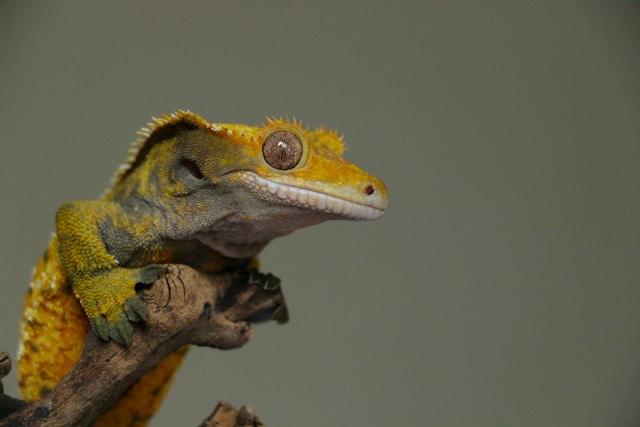
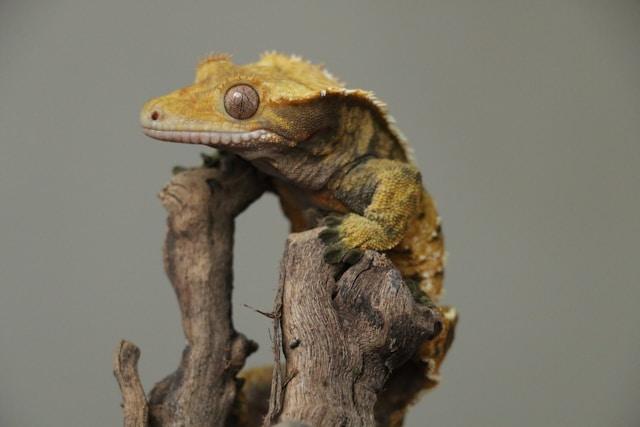
Among reptile aficionados, crested geckos stand out for their distinct features and behaviors. They possess a prehensile tail, which aids in balance and navigation through the dense foliage of their native New Caledonia. One of their most fascinating traits is their ability to regenerate their tails after loss, reflecting a remarkable adaptability. Physically, crested geckos exhibit a range of colors and patterns, contributing to their allure as exotic pets. This vivid display can vary from vibrant oranges and reds to subtle grays and browns, allowing them to blend into their environment, a crucial survival tactic in the wild.
Another unique aspect of the crested gecko is its ‘dermal fringes’, which can be seen running from their eyes down along their back and tail. These fringes serve multiple purposes, from aiding camouflage to enhancing their tactile abilities. In the wild, these geckos are primarily nocturnal, emerging at night to hunt and forage, relying heavily on their keen sense of night vision. Their diet in natural settings consists mostly of insects and ripe fruits, which they adeptly forage under the cover of darkness.
The appeal of crested geckos extends beyond their physical traits; their hardy nature and minimal care requirements have made them popular pets. However, despite their popularity, understanding their species-specific needs is crucial to their care, emphasizing the need for informed pet ownership. In captivity, they thrive in environments that mimic their natural habitat, bringing a piece of Caledonia’s biodiversity to households worldwide. This fascination with their unique characteristics not only highlights their popularity but also the ethical responsibility of pet owners to ensure their well-being in captivity.
The Role of Captive Breeding in Conservation
Captive breeding has emerged as a pivotal tool in the conservation of crested geckos, effectively addressing two major concerns: the protection of wild populations and the maintenance of genetic diversity. As habitats in New Caledonia face environmental pressures, breeding programs play a vital role in reducing the demand for wild-caught specimens. This approach helps conserve the species by ensuring that the natural populations remain undisturbed and can thrive without human interference. Here, conservationists and breeders work hand-in-hand to minimize impactful extraction from their native habitat.
Additionally, captive breeding serves as a genetic reservoir for crested geckos, maintaining the gene pool’s richness and vitality. Breeders focus on preserving genetic variety, which is essential for the species’ long-term survival and adaptability. By replicating the natural environment’s conditions, breeders manage to produce healthy and genetically diverse individuals. These efforts not only support the pet trade through ethical and sustainable means but also provide invaluable insights for broader conservation strategies.
Moreover, the cooperative efforts between conservationists, local authorities, and the global pet trade community underpins the success of these breeding initiatives. Responsible breeding practices have led to a decline in illegal trade, as the market now offers an abundance of captive-bred geckos. This sustainable supply meets the demand and aids in protecting their natural ecosystems from exploitation. Through this synergy, captive breeding emerges not just as a conservation tool but as a testament to the sustainable management of species, ensuring that crested geckos continue to thrive both in the wild and as cherished pets.
Main Threats to Crested Gecko Populations
Crested gecko populations face an array of main threats that endanger their survival in the wild. Habitat loss due to deforestation and urban development in their native New Caledonia poses significant environmental challenges. This habitat fragmentation also makes them more vulnerable to invasive species, which further exacerbates the risk of extinction. Understanding these impacts is crucial for developing effective conservation strategies. By exploring these issues, we can better understand the environmental challenges these species encounter and aid efforts in preserving their natural habitats.
Environmental Challenges and Habitat Loss
Environmental challenges, such as climate change and habitat loss, are significant threats to the survival of crested gecko populations. In New Caledonia, where these species flourish, deforestation driven by logging and agricultural expansion leads to significant habitat loss. As forests are cleared, the geckos’ natural environment diminishes, reducing the space available for their growth and reproduction. The loss of these habitats not only diminishes their numbers but also leads to genetic bottlenecks, which can impact their reproductive success and adaptability in the long run. With shrinking habitats, the interconnected biomes that support a wide array of species also face dismantlement, disrupting ecological balance.
The introduction of invasive species creates another layer of threat. These non-native species often compete for resources or directly prey on crested geckos, intensifying the struggle for survival. As ecosystems are disrupted, the balance that once favored crested geckos shifts, leaving them vulnerable. Furthermore, these invasive species can introduce new diseases, to which the native gecko populations have no immunity. This can lead to rapid declines, compounding the threat of extinction.
Moreover, climate change contributes to these environmental challenges by altering the geckos’ natural habitats. Rising temperatures and changing precipitation patterns can lead to unsuitable living conditions. As these changes progress, crested geckos may find it challenging to adapt quickly enough to survive. This results in increased mortality rates and diminished reproductive success. To mitigate these threats, conservationists advocate for the protection of existing habitats, reforestation, and the control of invasive species. These measures are essential to ensure the crested gecko populations not only survive but thrive amidst ongoing environmental challenges.
The vulnerability of crested geckos reflects broader concerns for the species’ survival amid ecological threats. Despite not being extinct, their threatened habitats and populations demand urgent conservation measures. Recent efforts focus on enhancing protective frameworks which spotlight both international collaboration and localized initiatives. Understanding these efforts is crucial for safeguarding these charismatic lizards. Conservationists work globally to mitigate habitat loss and preserve these creatures, ensuring their continuity in the wild. This discussion highlights the significance of international strategies essential for sustaining gecko populations.
International Initiatives for Preserving Gecko Populations
International initiatives garner significant attention as they bring global spotlight on the vulnerable status of crested geckos. These geckos, once presumed extinct, highlight the critical need for cross-border collaboration in conservation. At the forefront, CITES plays a pivotal role. CITES’s regulations enable international control over gecko trade, ensuring it does not harm wild populations. This ties into broader conservation strategies that transcend geographical barriers, helping manage and protect these reptiles globally. Beyond CITES, other bodies, such as the International Union for Conservation of Nature (IUCN), evaluate the species’ threatened status and spearhead research, aiming to deepen understanding of their ecological needs.
Moreover, international discussions involve conservationists and policymakers, fostering an arena where best practices and innovative strategies are exchanged and implemented. Efforts extend to setting up global breeding programs that support the maintenance of genetic diversity, a critical component for the species’ resilience against environmental changes. These initiatives are crucial in ensuring that geckos not only survive in captivity but also thrive in their diminished natural habitats.
Additionally, international funding and resources flow into habitat restoration projects in New Caledonia, aiming to reverse habitat degradation. Projects focusing on reforestation and invasive species control are essential to safeguarding the ecological niches that geckos depend on. The international collaborative push underscores a shared responsibility, roping in countries beyond crested geckos’ native range to contribute to conservation efforts. The synergy between policy frameworks, scientific research, and practical conservation initiatives illuminates pathways to sustainable management, ensuring crested geckos’ survival amid environmental challenges.