As the world marks Earth Day 2025, the urgency to act on the climate crisis has never been more pressing. At a time when environmental challenges and opportunities are rapidly evolving, Earth Day continues to unite individuals, organizations, and governments around a shared mission: to drive meaningful action for the planet. In this exclusive interview, Earth Day president Kathleen Rogers shares powerful reflections on the movement’s historic impact, its present momentum, and the future she envisions-one where renewable energy and inclusive climate solutions are at the heart of our collective progress. From the legacy of that first Earth Day in 1970 to this year’s theme “Our Power, Our Planet,” Rogers champions a global push to protect our only home-reminding us all that in 2025 and beyond, real change happens when people come together to lead.
Kathleen Rogers on Earth Day’s Evolving Influence and Why the Future Is Renewable
By Issy Joslin
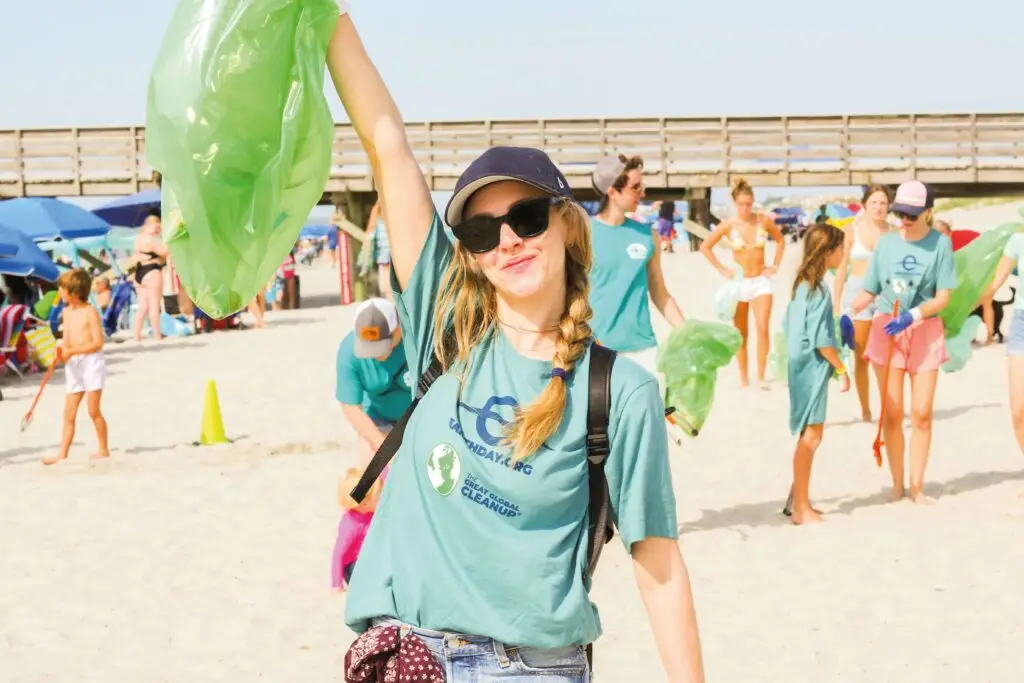
From defending environmental crimes as a lawyer, to leading one of the world’s most influential environmental organisations, Kathleen Rogers’ journey is one of transformation and bold leadership…
Nearly a decade on from our first interview with Kathleen Rogers, with the sustainability horizon continually shifting, we were honoured to reconnect with the president of Earth Day to hear her views on why the largest non-faith event in human history, remains just as, or even more so relevant today.
This monumental movement originated with what could be described as the world’s first viral campaign and Kathleen started our chat by reminding us how the first Earth Day took on a life of its own very quickly
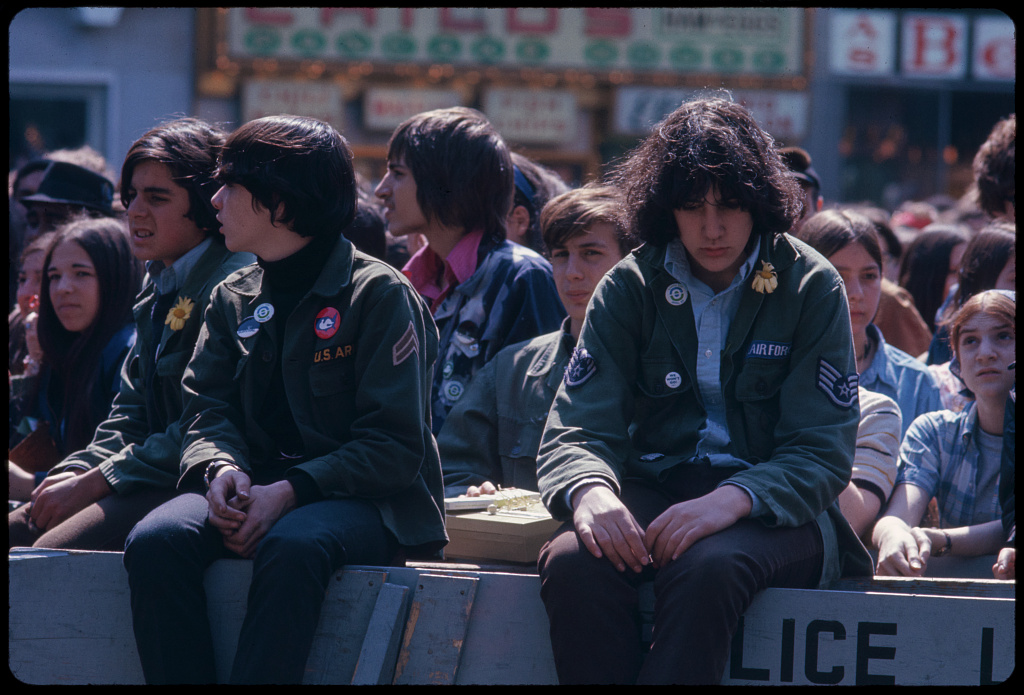
“The first Earth Day was in 1970, thought up by Gaylord Nelson, a US senator. He wanted to capitalize on activism on college campuses and so came up with a teach-in, popular at the time, between the end of classes and beginning of exams. They picked April 22, hired Dennis Hayes, who brought the idea to a PR firm and changed the name from ‘teach-in’ to ‘Earth Day’.
It brought 20 million people out on the streets, remains the largest non-faith event in human history, and was the first real viral campaign in the history of the planet.”
When you consider this communication campaign was primarily by telephone with press involvement only starting in February of that year, its initial impact is astounding. A whole host of Environmental laws were passed as a result and it kickstarted the movement they have been on ever since.
“We had 150 years of industrial development, and the place was a wreck. You couldn’t see across the street in LA during rush hour. We had lead in our gas. We had rivers on fire. It was the reaction to the filth the Industrial Revolution had given us, in addition to its economic benefits. It’s astonishing. The longer I’m here, the more stories I hear of people whose lives were changed by that first Earth Day, even if they were born that year. Their connection to 1970 impressed them. I had nothing to do with it, and Dennis did it all, really, but it is one of the most impressive things I can think of. People fail to realize it, but it changed everything.”
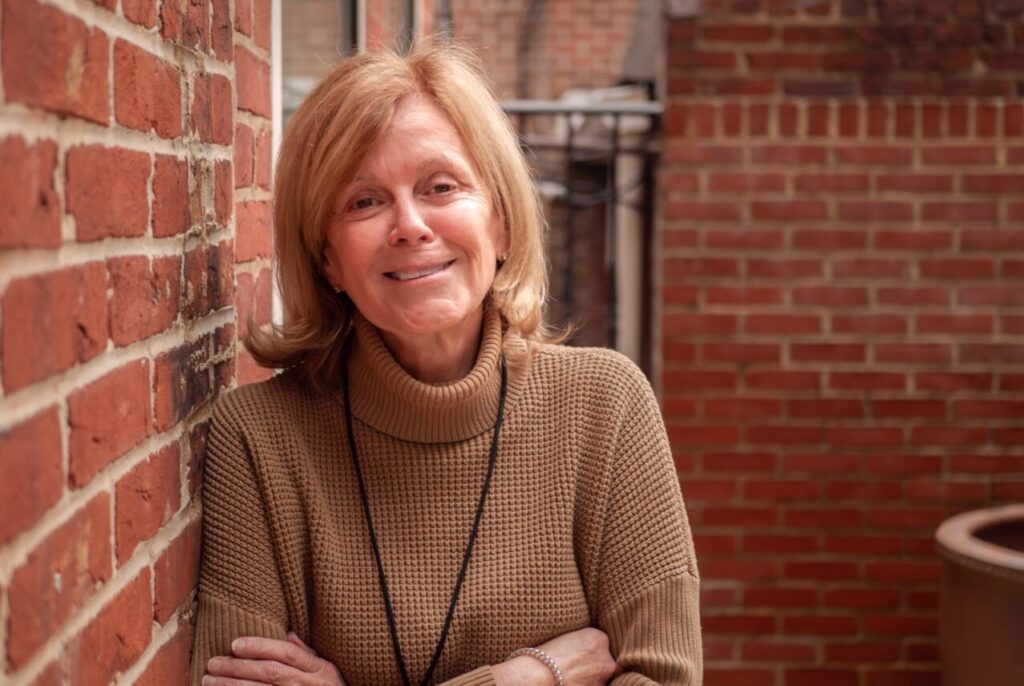
Global Communities Uniting Under “OUR POWER, OUR PLANET” to Boost Renewable Energy
We then moved on to this year’s theme of renewables and Kathleen’s vision of global communities uniting under “OUR POWER, OUR PLANET” and the thinking behind it:
“At Earth Day, we look for where industry, businesses, and issues intersect. We build campaigns around what we want to hit. We chose ‘Our Power Our Planet’ long ago, pre-election, because we know renewables are the future – that train has already left the station. The facts there are pretty remarkable.
Our job as an organization is to work with everybody, business, faith-based groups, firefighters, teachers, you name it. We work with everyone – the right, the left, and the centre. It’s sometimes an uncomfortable place to be, but nobody dislikes Earth Day. They all love it. And so we look for something that we felt we could educate people about, that would then lead to earlier, faster adoption, and that’s renewables – As it’s already happening.
A couple of years ago, we picked this theme knowing our direction. We focused on health and plastics first and now renewables. We look at the facts and figures of what’s happening in the environmental movement that’s really shaking stuff up, and renewables is that. So in addition to supporting companies of all kind that want to use renewables, we also support those creating renewables and investing in renewables, because we want all of these businesses to succeed.
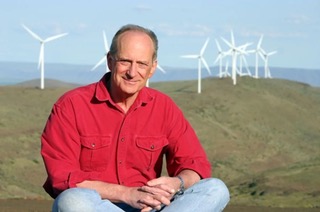
I believe in moving forward, not just for human health, but for the good of the planet. It’s a way to transform landscapes, making our species better by reducing pollution. We can transform industry and thinking. Out of that will come amazing innovation, coming day after day. The President can try to slow it down, it’s a tragedy for all of us, slowing climate action. But this train has already left the station – renewables are unstoppable, cheaper, and inexhaustible. That was part of our idea for creating this theme. Solar is the largest source of new generating capacity in the United States. Hands down, 95% of the new generation is solar, or is renewables, in a couple of years, it will outpace natural gas.
So that’s how we ended up choosing Our Power Our Planet. It’s up to us to tell leaders and everybody else what to do, and to send the signal to the industries that we are behind them.”
How Earth Day Action and Social Media Fuel Public Engagement
We discussed the evolving nature of public engagement and how Earth Day’s initiatives, from global clean-ups to viral social media campaigns, continue to mobilise millions:
“Today we are living in a different world. Traditional means of communicating with people have so radically changed. Within this new order, we see the goals of social media being to normalise thinking. Our content may also entertain, but the facts we share help viewers internalise that this earth is their future. If by watching we can then make them more innovative, more inventive, as a result of educating them on the power of a clean planet, then hopefully there will be no more blowing off mountain tops and destroying landscapes and polluting rivers. Social media is the quickest, fastest way to help people learn and internalise their goals.”
We then moved on to individual action and how differently these take shape around the globe:
“We’ll have millions and millions of people on our website, millions and millions. Many are discovering it’s Earth Day from the Google doodle, sending them over to our website on April 22nd. Our goal is to generate conversation and activism – activism can be just about anything. It can be cleaning up your neighbourhood, it can be planting trees, there will be some protests, there will be petition signing, and there’ll be announcements by at least 80 mayors around renewable energy too this year. I must admit, we have given up a bit on federal governments at the moment, because there’s so much craziness going on with getting out of the Paris Agreement and all this retribution and shutting down conversation that’s going on. It’s just so unhealthy and dumb, dumb, I think, is the operative word. And so in the meantime what we can do is continue to play a role in just keeping that conversation going and keeping people active. As I said, there’s nothing anybody can do to stop renewables now. There is so much money being invested. It’s extraordinary.
We recognise that people need to see things so many times before it goes in – it used to be the rule of seven, and now it’s nearer needing to see something 200 times before it sinks in and people react. So the more Earth Day is celebrated and acknowledged, the better. We rely on other people to carry our water. I’m sure you’re familiar with Tom Sawyer – we call ourselves the Tom Sawyer. That great scene where Tom Sawyer gets all his friends to paint his fence, and then he goes fishing, that’s what we do. We work through partnerships and social media influencers, and others to do our work. If the pope tweets something about Earth Day, which he does every year, a couple of 100 million people will probably read it.”
We then moved on to talk about the impact the canopy project has had which is so much more than the sum of the millions of trees that have been planted in Earth Day’s name.
The planting projects go beyond simply adding trees to the landscape. They aim to provide economic benefits to communities through strategic planting. In India, for example, they plant fruit trees where a portion of the harvest remains in the local community while the rest is sold to market. In coastal regions of India and Bangladesh, they plant mangroves to protect coastlines, absorb carbon, and restore fisheries that have been damaged by storms.
In Tanzania, they focus on reforestation around national forests, helping communities find alternative sources of firewood, and protecting existing woodland. In Mexico’s biosphere reserve, they carefully manage vegetation to support natural forest growth, rather than just planting trees indiscriminately.
These projects are designed with multiple goals in mind: providing economic opportunities for low-income communities, improving biodiversity, enhancing community well-being, and creating more liveable urban environments. By tailoring their approach to each location’s specific needs, Earth Day ensures that their tree planting efforts are sustainable and meaningful, focusing on quality and community impact rather than simply achieving a high number of trees planted.
Looking Forward: The Future of Earth Day and Climate Education
We finished our chat talking about Kathleen’s hopes for the future:
“We need to invest more in education. And I think by the time we get to Belem, which is the next meeting, you’re going to see this massive rising up of countries saying, we will. We want climate education because we want to participate in the green economy. We want resilient communities, and we want people to understand why we’re making these decisions. So if I were to talk about the future, a huge amount of it is going to be around climate education and green skill building.”
From defending environmental crimes as a lawyer to leading one of the world’s most influential environmental organizations, Kathleen Rogers’ journey is a testament to transformative passion.
Her pivotal moment came when she reshaped Earth Day’s mission, pushing for a more diverse and globally inclusive approach. Breaking away from traditional environmental activism, she expanded the organization’s reach into low-income communities and schools, making environmental awareness accessible to everyone. Rogers’ background, which includes stints as a bakery owner, political campaign worker, and corporate lawyer, prepared her for this unconventional leadership role.
Her most significant achievement has been globalizing Earth Day, turning it from a primarily US-focused event to a worldwide movement that connects people across cultures and continents. With her characteristic blend of pragmatism and optimism, Rogers has transformed Earth Day into more than just an annual event.
It’s now a powerful platform for environmental education and activism, proving that real change happens when you bring everyone to the table.

We Want to Hear How Your Earth Day 2025 Events Go!
As Earth Day 2025 brings together communities, innovators, and changemakers across the globe, we want to hear your story. Whether you’re a business leading a bold climate initiative, a school planting trees, a team organizing a clean-up, or an individual taking impactful action, your efforts matter. Sustainable Business Magazine is preparing a special follow-up feature highlighting Earth Day events and campaigns from around the world.
We invite companies, organizations, and individuals to submit a short summary of your Earth Day 2025 activity, along with any photos, quotes, or outcomes you’d like to share. Help us celebrate the power of collective action and inspire others by being part of this global showcase.
Send your story to toby@sustainablebusinessmagazine.net with the subject line Earth Day 2025 Story Submission.