Expanding The Woodland Project for Wildlife and People
The Woodland Project project will reshape Liverpool’s landscape in Lunt village. The National Trust hired Tilhill Forestry to develop 78 hectares of woodland. This will boost biodiversity and help local communities.
The initiative is part of a larger effort to restore and connect diverse habitats, including wetlands and species-rich grasslands. These habitats are crucial in fostering wildlife populations, such as native birds, insects, plants, and potentially red squirrels. With the UK being one of the least wooded countries in Europe, such projects play a key role in addressing the biodiversity and climate crisis.
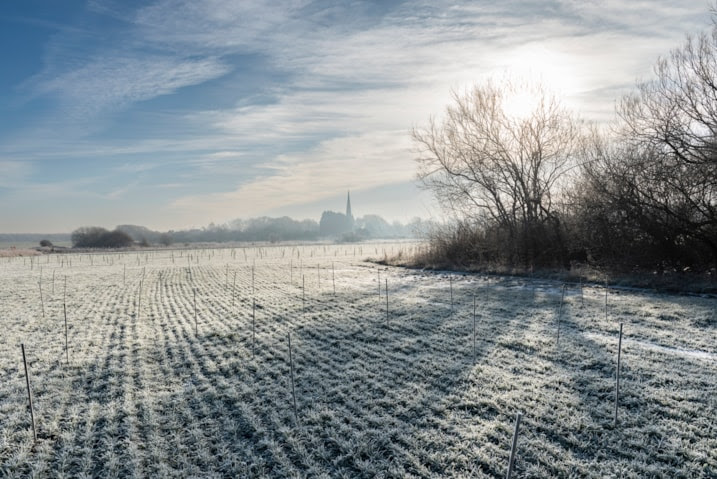
Planting the Future
A team planted 91,000 trees using diverse species to create a thriving woodland. The National Trust, Lancashire Wildlife Trust, the Environment Agency, and Forestry England are collaborating to link green spaces.
John Deakin, Head of Trees and Woodland at the National Trust, emphasized the importance of such projects: “We are one of Europe’s least wooded nations, yet these spaces are vital in our response to the biodiversity and climate crises. As the National Trust, we’re keen to play our part by supporting woodland creation projects near places where people live, helping biodiversity recovery and climate mitigation but also providing opportunities for people to access nature close to home.”
A Community-Centric Approach
DEFRA’s ‘Trees for Climate’ program funds most of the project. The National Trust’s Plant a Tree appeal also contributes. This funding ensures that the newly established woodlands will not only benefit wildlife but also provide accessible green spaces for local communities.
Justin Matthews, Area Ranger for the National Trust, highlighted the significance of public access: “Whilst the landscape around Lunt looks quite green, much of it is private farmland and not currently accessible. Securing this land gives us a brilliant opportunity to create more diverse habitat alongside our partners, enabling nature to flourish in the area. We know that people feel much more connected to nature when they can get out into it close to home, and that connectedness makes a huge difference to health and wellbeing.”
Strategic Conservation for the Region
The initiative aligns with The Mersey Forest’s long-term Forest Plan, aiming to strengthen ecological networks across the region. Sophie Bray, Trees and Woodlands Manager at The Mersey Forest, expressed excitement about the project’s impact: “The Mersey Forest is pleased to be supporting the project at Lunt, providing funding through our Trees for Climate programme to help create woodlands and diverse habitats that will benefit both people and nature. Lunt has been a key strategic site identified in our Forest Plan.”
Bray further acknowledged the power of partnerships in achieving this milestone: “Our partnership with the National Trust, Sefton Council, and others helped us reach this milestone. We are closer to creating a new woodland.”
A Sustainable Commitment to The Woodland Project
Tilhill Forestry, experts in afforestation, oversee the planting and maintenance. Senior Forest Manager Matthew Farrell, MICFor, outlined the significance of their role: “We are delighted to oversee the planting and maintenance of a diverse array of trees and shrubs at this new National Trust site. By introducing a mix of broadleaf and conifer species, we aim to enhance and connect the surrounding existing woodlands.”
He highlighted the long-term environmental benefits: “Our organisation has planted over a billion trees in the UK, and we continue to champion trees as one of the most effective tools against climate change. As these new woodlands grow, they will sequester carbon in the soil and timber and clean the air by removing harmful pollutants and releasing oxygen.”**”Our organisation has planted over a billion trees in the UK, and we continue to champion trees as one of the most effective tools against climate change. As these new woodlands grow, they will sequester carbon in the soil and timber and clean the air by removing harmful pollutants and releasing oxygen.”
A Model for Future Conservation
The Lunt woodland project highlights how teamwork strengthens conservation. By working together, organizations and communities can restore natural landscapes, tackle climate change, and provide accessible green spaces that enhance well-being. As these woodlands grow, they will prove the value of sustainability and shape a greener UK.