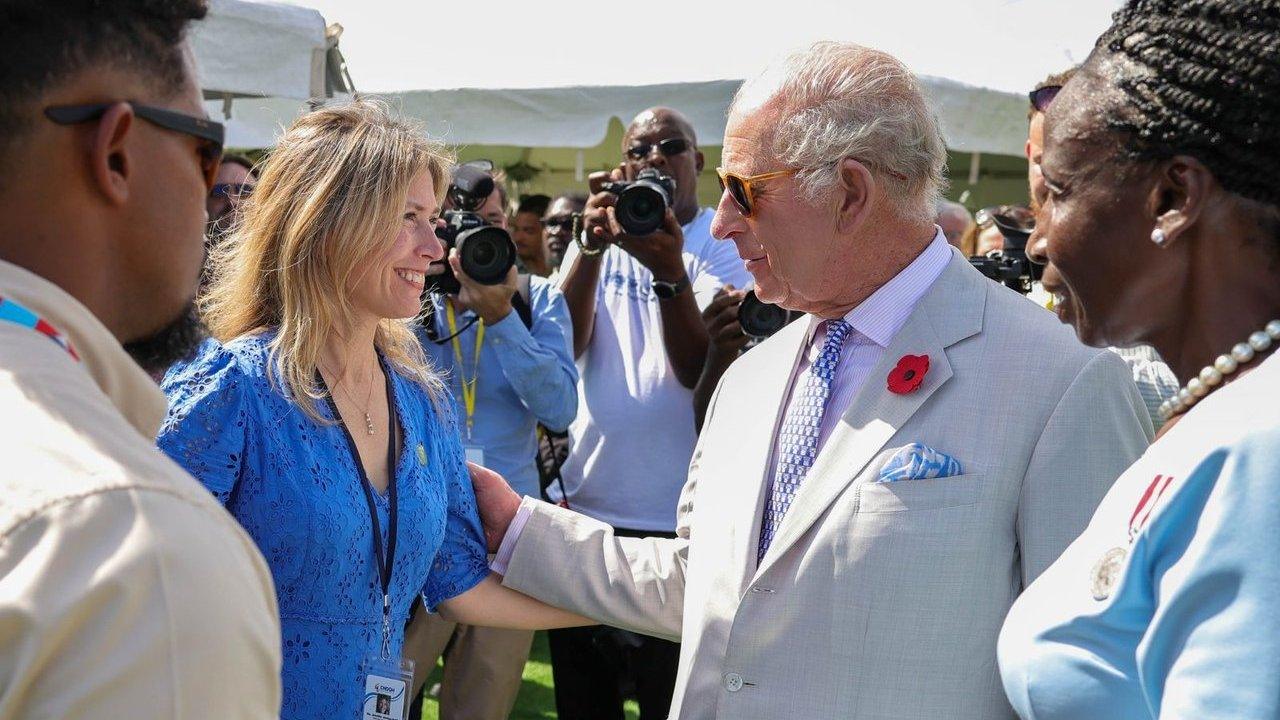
His Majesty King Charles III has joined Caribbean leaders and the Sustainable Markets Initiative at a Sargassum Showcase during CHOGM 2026 in Antigua and Barbuda. The event brought together governments, businesses, researchers and investors to examine technologies and commercial models addressing a seaweed crisis affecting tourism, fisheries, coastal communities and marine biodiversity. The initiative has spent six months building a network across the Caribbean, North America and Europe, while identifying projects for investment. With the Great Atlantic Sargassum Belt reaching around 37.5 million tonnes in 2025, the showcase placed practical collection, processing and market development firmly on the regional agenda.
A Mounting Coastal Challenge
Sargassum is a naturally occurring floating seaweed that supports marine life while offshore, yet its arrival in vast quantities along Caribbean coastlines creates serious environmental and economic pressures. Once ashore, decomposing seaweed can release hydrogen sulphide gas, create unpleasant odours and potentially harmful air quality, while heavy accumulations can obstruct fishing and leave beaches unusable.
Scientists have linked its expansion to changing ocean conditions, nutrient availability, shifting ocean currents and climate-related factors. The consequences are particularly sharp for Caribbean small island developing states, where healthy coastal ecosystems, fishing activity and visitor economies are closely connected.
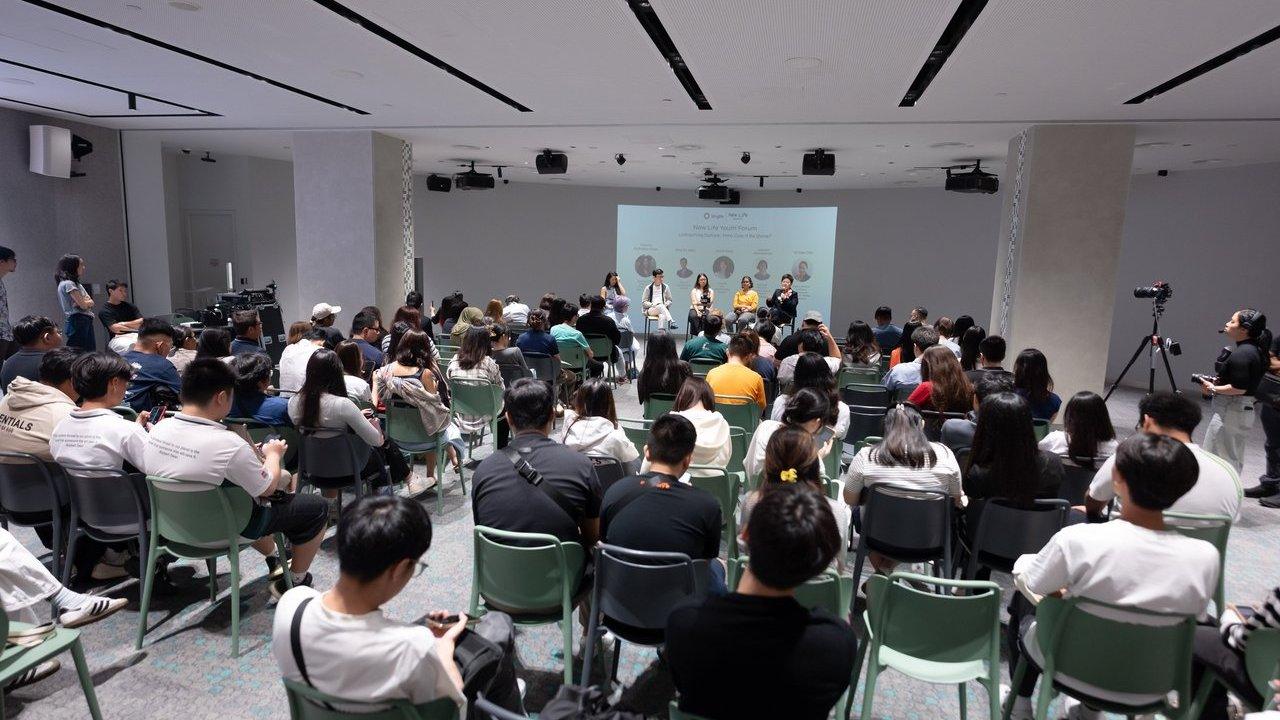
The showcase at English Harbour gave participants an opportunity to see interactive and 3D models, examine heat maps of Commonwealth countries at risk, and hear about collection and processing technologies. Representatives from Seaweed Greens, SargaCycle, SarGas Limited, Rum and Sargassum Inc., Grupo Puntacana, aql holdings, Kestrel Liner Agencies and the University of the West Indies were among those involved.
Building A Regional Response
Emergency beach clean-up has long been a central response, but the Sustainable Markets Initiative is working to connect fragmented pilots into a coordinated, investable regional programme. Its network includes the Government of Antigua and Barbuda, the Antigua and Barbuda National Parks Authority, tourism operators, technology businesses, financial institutions, researchers and sargassum collection and processing companies.
The organisation has also developed a pipeline of opportunities for the Terra Carta Exchange, which brings together sustainability projects progressing the Terra Carta and Astra Carta missions. The work is intended to create a more commercially scalable response across the Caribbean, spanning collection infrastructure, processing capacity and end markets for recovered material.
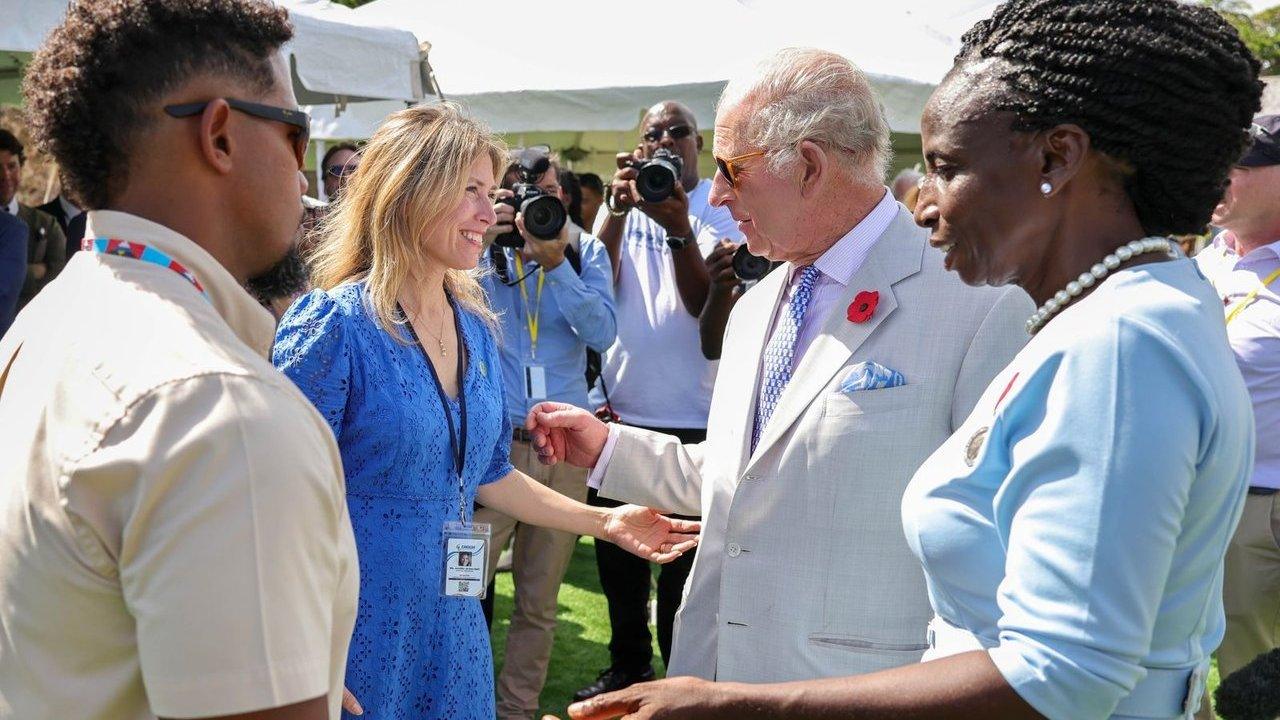
Jennifer Jordan-Saifi, M.V.O., President & Global Envoy of the Sustainable Markets Initiative, said:
“Sargassum presents a significant challenge, but with the right support it can also create jobs, attract investment and unlock new economic opportunities across the Caribbean. By bringing governments, tourism operators, innovators and investors around a shared regional roadmap, the SMI is helping to build a pipeline of investable sargassum projects – demonstrating the kind of solutions and partnerships CHOGM 2026 was designed to accelerate.”
From Seaweed To Supply Chain
SargaCycle is among the businesses presenting a route for preventing the seaweed from decomposing on shore. Its model focuses on intercepting Sargassum at sea, refining it through a scientific process and supplying agricultural products intended to address soil stress. The company sees shared collection infrastructure and long-term offtake agreements as essential to turning a seasonal resource into a dependable supply chain.
Billy Lambeth, Co-Founder and Chief Operating Officer at SargaCycle, said:
“The scale of the challenge is unprecedented. The Great Atlantic Sargassum Belt reached a record of around 37.5 million tonnes in 2025, and 2026 has been the second-largest year on record. SargaCycle’s mission is simple: stop decomposition and stop landfill. We intercept Sargassum at sea, before it reaches the shore, then refine it through a proven scientific process to meet international market standards.”
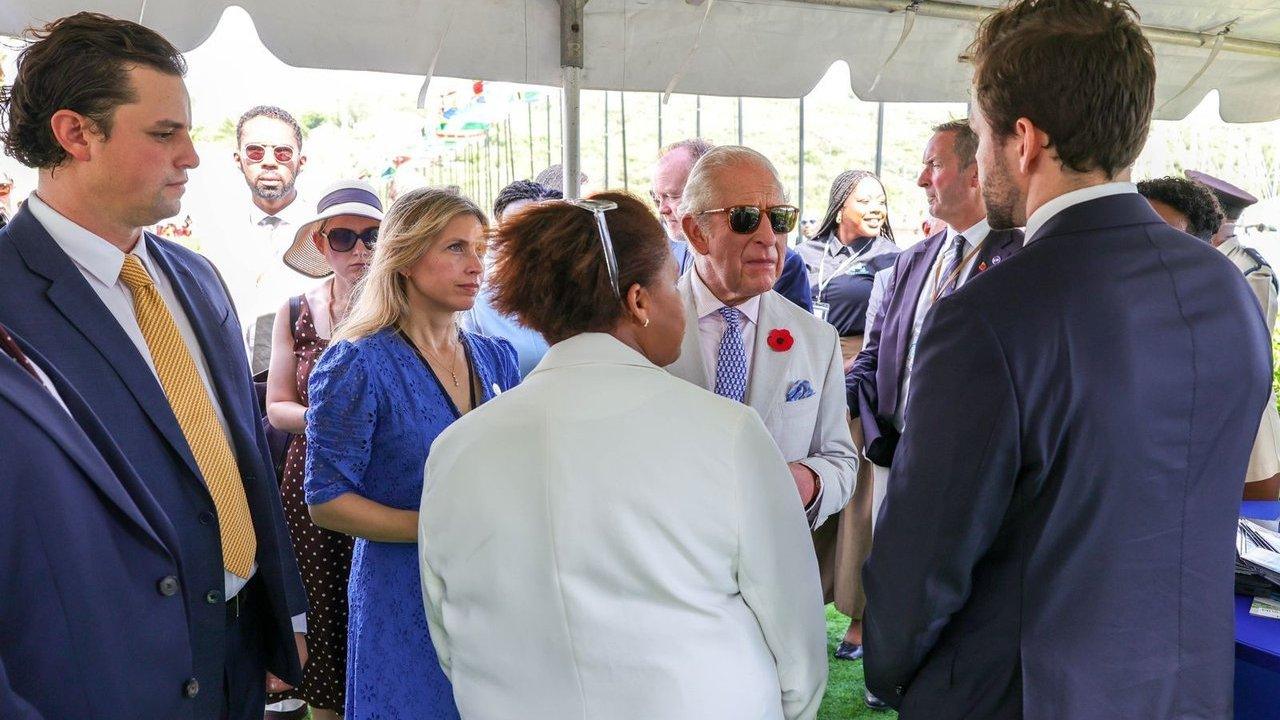
Seaweed Greens is pursuing a complementary industrial model, combining purpose-built collection boats, processing plants and management systems for resorts and island governments. The business has secured investment, received boat orders for island markets and progressed its processing technology through four factory iterations. Its soil amendments have also demonstrated a paying market for processed sargassum.
Camilla Webster, CEO and Co-Founder at Seaweed Greens, said:
“Seaweed Greens is building the infrastructure for a commercial sargassum industry: purpose-built collection boats, processing plants and integrated management systems for resorts and island governments. We have secured investment, received boat orders for island markets and developed our processing technology through four factory iterations. Independent testing has validated our arsenic-removal results, while sales of our soil amendments demonstrate a paying market for processed sargassum. We are bringing engineering, manufacturing and structured finance together to deliver systems that can be replicated across the Caribbean and wider Commonwealth.”
An Investable Caribbean Opportunity
The Sargassum Showcase gave a high-profile platform to a challenge that can no longer be treated solely as a clean-up issue. By connecting coastal protection with processing, manufacturing, agriculture and tourism recovery, the initiative is advancing a more joined-up regional proposition.
The projects presented at CHOGM 2026 point to an opportunity for Caribbean economies to build local processing capacity, skilled employment and new revenue streams while reducing the damage caused by major seaweed arrivals. Success will depend on sustained collaboration between governments, communities, financiers and businesses, but the gathering in Antigua and Barbuda marks a constructive step towards converting a persistent coastal burden into viable economic activity.