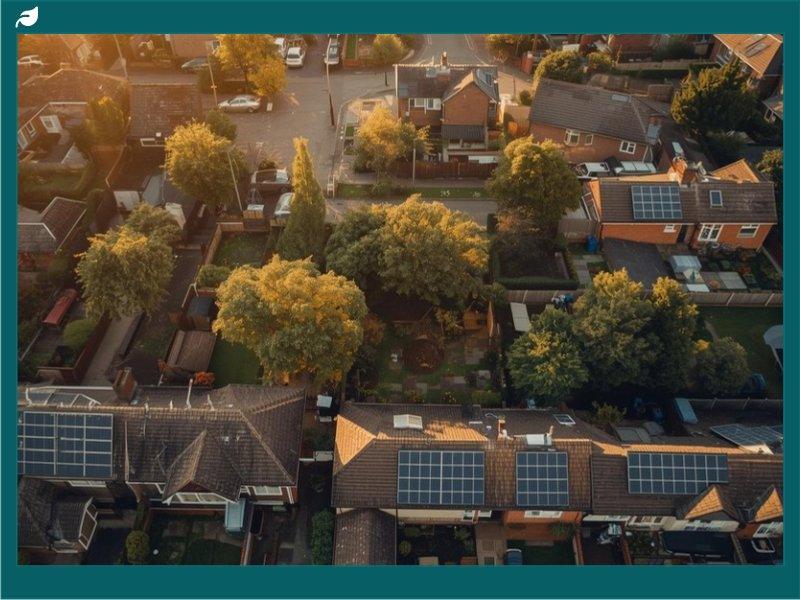
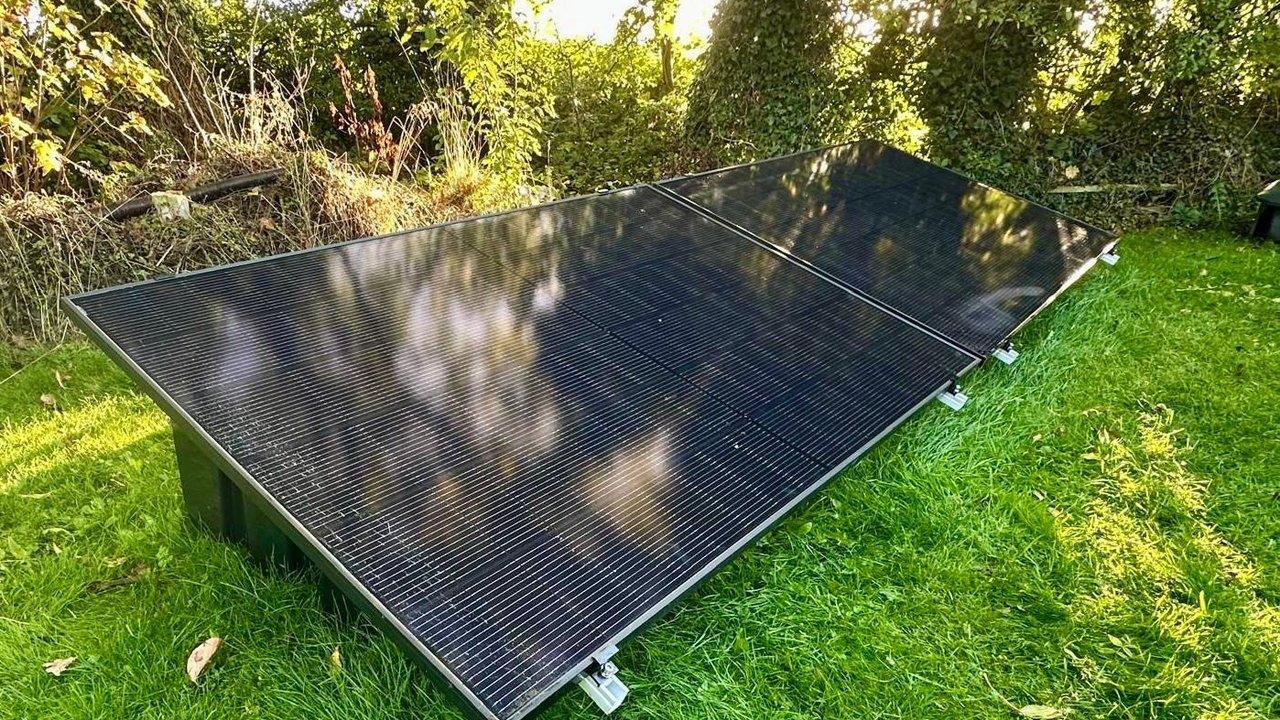
As energy bills continue to rise, households and businesses in the UK are increasingly looking towards renewable energy solutions like solar panels to reduce costs. Government grants play a key role in making these technologies more accessible.
This guide explores effective solar panel grant schemes aimed at promoting sustainable energy while helping to cut electricity costs in homes. Whether you’re a homeowner or a business, understanding these opportunities can be the first step towards a more sustainable and financially stable future for homes across the UK.
Understanding UK Government Support for Solar Panels
The UK government is making significant strides toward promoting clean energy by offering various schemes designed to encourage solar panel adoption. These initiatives aim to assist homeowners in offsetting installation costs and navigating solar finance options.
While there aren’t any dedicated solar panel grants available, homeowners may be eligible for certain programmes that provide substantial support. Understanding the eligibility criteria and the types of panel grants and funding available allows UK residents to tap into these resources effectively.
Local authorities also play a crucial role in administering funding and ensuring widespread access to these solar panel systems across homes throughout the country.
Current Schemes for Solar Panel Installation
In the UK, the government’s commitment to clean energy is evident through a range of schemes targeting solar panel installations. Today, ECO4 and the Great British Insulation Scheme fund energy-efficient home improvements for eligible households, alongside 0% VAT on solar installations and the Smart Export Guarantee for exported power.
While this specific grant has concluded, it laid the groundwork for similar initiatives in the future. Currently, the Smart Export Guarantee (SEG) is a prominent scheme encouraging solar panel installations by allowing homeowners to export and sell excess electricity back to the grid.
Although SEG isn’t a grant, it provides a dependable stream of revenue that effectively reduces the overall cost of the solar panel system.
Another key program is the Energy Company Obligation (ECO) scheme, which mandates major energy companies to fund energy-saving improvements in homes, particularly benefiting low-income households and funding eligible local authorities. Although primarily focusing on insulation and heating, ECO can support solar panels as part of broader energy efficiency upgrades. Some local authorities also offer rebates and incentives for solar panel installations, making the investment more appealing by reducing upfront costs for homes.
Despite the absence of direct solar grants, the UK government and local councils are exploring solutions for further supporting solar energy adoption. Initiatives in the works include financial incentives tied to sustainability metrics, potentially rewarding homeowners who integrate solar panels into eco-friendly renovations.
Public awareness campaigns continue to stress the long-term economic and climate benefits of solar adoption, increasing pressure on stakeholders to provide more substantial assistance. As the push toward renewables intensifies, the solar finance landscape in the UK is likely to evolve, offering greater opportunities for individuals and communities committed to clean energy.
Consider exploring the following opportunities available for enhancing solar energy adoption in the UK:
- Research local councils’ rebate programs for solar panel installations in your area.
- Seek professional guidance on integrating solar panels with broader energy efficiency upgrades.
- Monitor new financial incentives tied to sustainability metrics for potential future savings.
- Participate in public awareness campaigns to promote the long-term benefits of solar technology.
- Investigate partnerships with local energy companies for advantageous programs.
- Stay updated on policy changes that may introduce new solar funding opportunities.
These options can guide your journey toward embracing solar panels and solar energy solutions in a thorough and practical way.
Eligibility Criteria for Panel Grants
Understanding eligibility criteria is crucial for homeowners wishing to leverage solar panel grants and funding opportunities effectively. Although there aren’t any direct grants for solar panels, certain schemes require specific qualifications.
One common criterion under these programmes is the type of property in question. Generally, detached and semi-detached homes tend to qualify more readily, as they offer suitable roof space for solar panel installations.
Terraced houses and flats aren’t excluded, though installation logistics might demand more consideration.
Income is another significant factor influencing eligibility. Many schemes prioritize low-income households to ensure equitable access to energy-saving technologies, thereby reducing energy poverty.
In these cases, a financial assessment might be required to determine grant or incentive eligibility. Homeowners may also need to demonstrate active participation in related energy efficiency upgrades, such as improved insulation or efficient heating systems, to qualify for integrated funding packages.
Funding eligible local authorities play a central role in directing these supports toward suitable projects. Their involvement often means aligning local initiatives with national energy goals, creating a broader funding scope and maximising impact for homes across different regions. Homeowners are therefore encouraged to liaise with their local councils to understand specific local eligibility requirements and the availability of additional perks.
Another aspect of eligibility is the engagement of certified installers. To benefit from these schemes, solar panel installations must typically be conducted by professionals approved by governing bodies such as the Microgeneration Certification Scheme (MCS).
This ensures the quality and efficiency of the solar panel systems, promoting user confidence and governmental support. As more schemes develop, understanding and meeting these criteria will be key for homeowners looking to transition to solar energy.
How to Access Solar Finance Options
Securing solar finance can seem daunting, but there are viable pathways for UK residents looking to tap into solar energy savings. Various initiatives assist different segments, including those designed for low-income households which offer substantial support for solar panel installation.
Understanding available panel funding options and grants is key to making informed decisions about solar panels for homes. Knowing how to get the most from these schemes can also reduce the cost of solar panels considerably, promoting broader adoption and aligning with the UK’s clean energy goals.
Panel Funding Opportunities for Low-Income Households
The UK government and local authorities have opened routes for low-income households to access solar energy by providing various panel funding schemes. These opportunities are essential in promoting energy equity and reducing utility bills for those who need it most.
A prominent scheme is the Energy Company Obligation (ECO), which aims to ease the financial burden of energy-efficient improvements, including the installation of solar panels. While ECO primarily targets insulation and heating, the inclusion of solar panels marks a shift towards embracing renewable sources.
This is particularly significant for low-income households where utility costs form a substantial portion of living expenses, and any relief is welcomed.
Beyond national schemes, local councils play an important role in offering tailored funding solutions. Many funding-eligible local authorities have programs specifically designed to assist residents in installing solar panels in their homes, bringing renewable energy within reach of lower-income segments.
These local schemes often complement broader national programs like the Smart Export Guarantee (SEG), which, while not a grant, provides an income stream from surplus electricity that homeowners can export to the grid. For low-income families, this can make solar panel investments much more attractive by offsetting initial panel costs through long-term returns.
Eligibility for these funding opportunities typically involves demonstrating financial need, with some councils requiring proof of income levels to prioritise those in genuine need. Many of these schemes also require that solar panel installations be carried out by certified professionals, ensuring compliance with standards such as those set by the Microgeneration Certification Scheme (MCS).
Meeting these requirements not only ensures quality installations but also maintains eligibility for financial support. By tapping into these opportunities, low-income households receive immediate financial relief and long-term energy security, contributing to the wider adoption of clean energy technologies in the community.
Utilizing Panel Grants for Maximum Benefit
Getting the most from solar panel grants requires strategic planning and an understanding of available resources. While direct grants for purchasing solar panels are uncommon, opportunities through indirect financial support are abundant.
Homeowners need to assess various schemes to identify those that align with their financial needs and eligibility. Programs like the Smart Export Guarantee (SEG) allow individuals to build up benefits over time by selling excess electricity back to the grid.
In combination with other energy efficiency measures funded through schemes like ECO, these can substantially decrease the total cost incurred during solar panel installation.
Local authority initiatives provide further options for maximising returns from solar panels. Many councils offer rebates or incentives for solar adoption, reducing the financial barrier for initial investment.
Understanding eligibility and accessing these opportunities is therefore crucial. Local rebates can complement national schemes to form a solid financial strategy that significantly trims down expenses associated with solar panel installation in homes.
This integrated approach can be particularly effective in areas with existing support networks for clean energy transitions.
To get the most from these panel grants, homeowners need to partner with certified installers. Ensuring compliance with installation standards not only secures high-quality solar panels but also guarantees continued eligibility for financial incentives.
Participation in community workshops or consulting with energy advisors can also provide additional insights into optimising panel setups and improving electricity yield. As solar technologies evolve and government support increases, staying informed about new schemes and adjustments to existing programs will be key.
Homeowners can unlock significant cost savings while contributing to the UK’s broader transition toward renewable energy, ensuring cleaner and more sustainable energy futures.

Steps to Install Solar Panels in Your Home
Transitioning to solar energy is not just an environmentally sound choice; it’s a financially sensible one too. With the increasing focus on clean energy solutions, understanding the steps for installing solar panels in your home can maximise the benefits of available government schemes. This section examines the pre-installation checklist that ensures your home is prepared for solar technology, along with the benefits of consulting professional installers to achieve efficient, reliable solar panel systems installation.
Essential Checklist Before Installation
Before starting the solar panel installation process, it’s worth having a thorough plan to ensure the process runs smoothly and fits within available schemes. First, evaluate your home energy requirements by analysing existing electricity consumption patterns.
This evaluation helps determine the most effective size and specifications for your solar panel system, aligning it with your home’s energy needs. Assessing the available roof space is equally important.
While most roofs can accommodate solar panels, factors such as shading, orientation, and roof angle can significantly affect efficiency and installation cost. Conduct a structural audit to confirm that your roof can support the additional weight, as structural integrity is crucial for safety and performance.
Checking eligibility for available grants is another vital step; familiarise yourself with applicable schemes and grants offered by local authorities or through national programmes. Understanding these options allows homeowners to minimise cost implications while aligning with energy-saving goals.
Eligibility criteria often include the type of dwelling, existing energy efficiency measures, and solar finance options which need careful assessment ahead of installation. Securing planning permissions may also be necessary, particularly if your property is in a conservation area or is a listed building.
Consulting with the local council will clarify such prerequisites, ensuring compliance and avoiding future disputes or fines.
Equipping your home with a suitable internal energy management system can further improve the benefits of solar adoption. Installing smart meters or energy management systems allows you to track energy usage and optimise efficiency post-installation.
Many grants also require homes to undertake parallel improvements for energy efficiency, such as updating insulation. Incorporating these elements into the pre-installation stage not only improves eligibility for funding but also ensures the solar panels integrate smoothly, providing long-term savings and sustaining home energy independence.
By preparing carefully before the installation phase, homeowners can anticipate and resolve potential hurdles, maximising the financial benefits of solar panel investments.
Guidance on Seeking Professional Help
Engaging professional help for solar panel installation matters not just for safety and efficiency but also for compliance with grant requirements. Professional installers bring expertise and insight into selecting the most effective solar panel system tailored to your home’s unique characteristics and energy needs.
Their knowledge of technology and energy systems ensures the panels’ placement maximises sunlight capture, optimising electrical output. As many government-backed schemes require that installation is performed by certified professionals, hiring qualified installers also facilitates access to financial incentives and compliance with industry standards.
When choosing an installer, it’s advisable to seek those certified by the Microgeneration Certification Scheme (MCS). This certification is a mark of quality and is essential for eligibility in most solar panel grants and schemes.
An MCS-certified installer ensures the solar panel installation meets the rigorous standards required, promoting durability and performance. Partnering with knowledgeable installers who are well-versed in local incentives and new developments in solar finance can also provide significant financial advantages.
Their insights often help identify less obvious opportunities within local authority programmes, improving the project’s cost-effectiveness.
Professional guidance covers not only the physical installation but also strategic planning. An installer can advise on the optimal solar panel system that aligns with both your budget and energy consumption patterns, integrating additional technological advancements like battery storage.
This approach not only protects homes from fluctuating energy prices but also builds long-term savings by enabling stored electricity usage during non-peak sunshine hours. A professional installation also offers reassurance that the work is guaranteed, reducing future maintenance risks and ensuring your investment holds up over time.
By drawing on expert advice, homeowners can navigate the complexities of solar panel installations successfully, unlocking the full potential of clean energy solutions supported by government schemes.
The Future of Solar Energy and Government Initiatives
The UK is at a significant point in its journey towards sustainable energy, with solar energy emerging as a cornerstone of clean electricity generation. The government, alongside local authorities, is driving this transition through innovative schemes that make solar panels more accessible to homeowners.
These initiatives are critical in reducing energy costs and incentivising solar adoption, thereby supporting the national energy grid. By examining the current programs and financial incentives in place, one can appreciate the broad approach the UK is taking to reshape home energy with solar panels.
Innovative Schemes Promoting Solar Adoption
The UK government, recognising the essential role of solar energy in future energy strategies, has introduced several innovative schemes to facilitate solar adoption. One such initiative is the Smart Export Guarantee (SEG), which provides a structured mechanism for homeowners to benefit financially by choosing to export surplus electricity back to the solar grid.
This scheme assures a steady income stream and integrates small-scale electricity producers into the national energy segments, stabilising supply and demand dynamics.
Beyond the SEG, the Energy Company Obligation (ECO) remains a vital part of the government’s clean energy portfolio. This program mandates large energy companies to subsidise energy-saving home improvements, with solar panels being a key beneficiary.
Although ECO predominantly targets insulation and heating systems, its inclusion of solar panel installations marks a strategic push towards thorough home energy upgrades. ECO also supports funding eligible local authorities to carry out segment-specific energy improvements for households requiring financial aid.
Local initiatives complement national programs by offering tailored solutions.
Some local councils provide rebates and incentives aimed specifically at reducing the initial barriers to solar panel adoption in homes. This localised approach ensures that more homeowners have the opportunity to install solar panels, aligning with broader national objectives.
Public-private partnerships have also emerged as a notable development in solar financing. These alliances create bespoke solar finance solutions that cater to diverse demographic needs, widening access to solar panels across various socio-economic segments.
The UK government’s forward-thinking environmental policy, particularly regarding solar energy, is reflected in its focus on innovation.
Technology advancements, such as improved solar panel efficiency and battery storage options, are supported through grants and research funding. Collaborative programs between governmental bodies and research institutions aim to raise solar panels’ performance, reduce costs, and improve the reliability of solar as a viable primary energy source.
As these schemes evolve, they form a coherent framework for promoting solar energy, empowering consumers, and reducing reliance on fossil fuels, clearing the way for a cleaner, more sustainable future.
Exploring government grants for solar panels in the UK is a practical approach towards sustainable energy solutions and meaningful energy cost reduction. These schemes reflect the government’s commitment to green energy, offering financial incentives that make solar panels more accessible to homeowners and businesses alike.
By using these opportunities, stakeholders can contribute to environmental conservation while enjoying long-term economic benefits. If you’re considering solar energy investments, staying informed about the latest grants and incentives can maximise both your financial savings and your contribution to a sustainable future.
Looking for a solar installer?
Compare MCS-certified solar panel installers across the UK in our directory, with ratings, reviews and free quotes, listed by county.
Related solar guides: