Unblocktober research has exposed a critical disconnect between public awareness and daily waste practices.
More than two-thirds (70%) of Brits are aware of ‘fatbergs’, yet in the last 12 months, 63% have admitted to pouring fats and oils down their kitchen sinks. This has contributed to a national blockage crisis according to new research carried out by Lanes Group, a utilities and infrastructure provider.
Unblocktober surveyed more than 2,000 people from their “Don’t Block Our Future” Campaign, revealing a worrying disconnect between environmental concerns and actual behaviour. Whilst 92% of the public are concerned about the effect pollution has on the environment, the reality is that far too many are still pouring unsuitable substances down their drains.
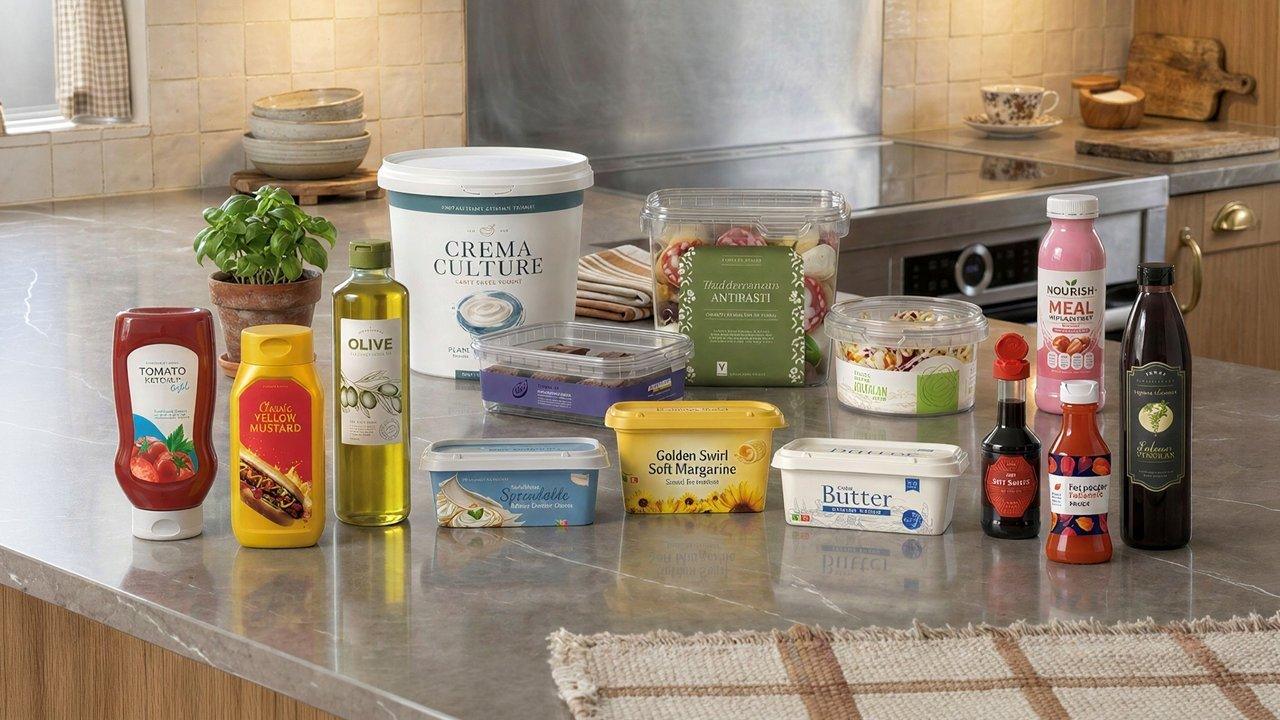
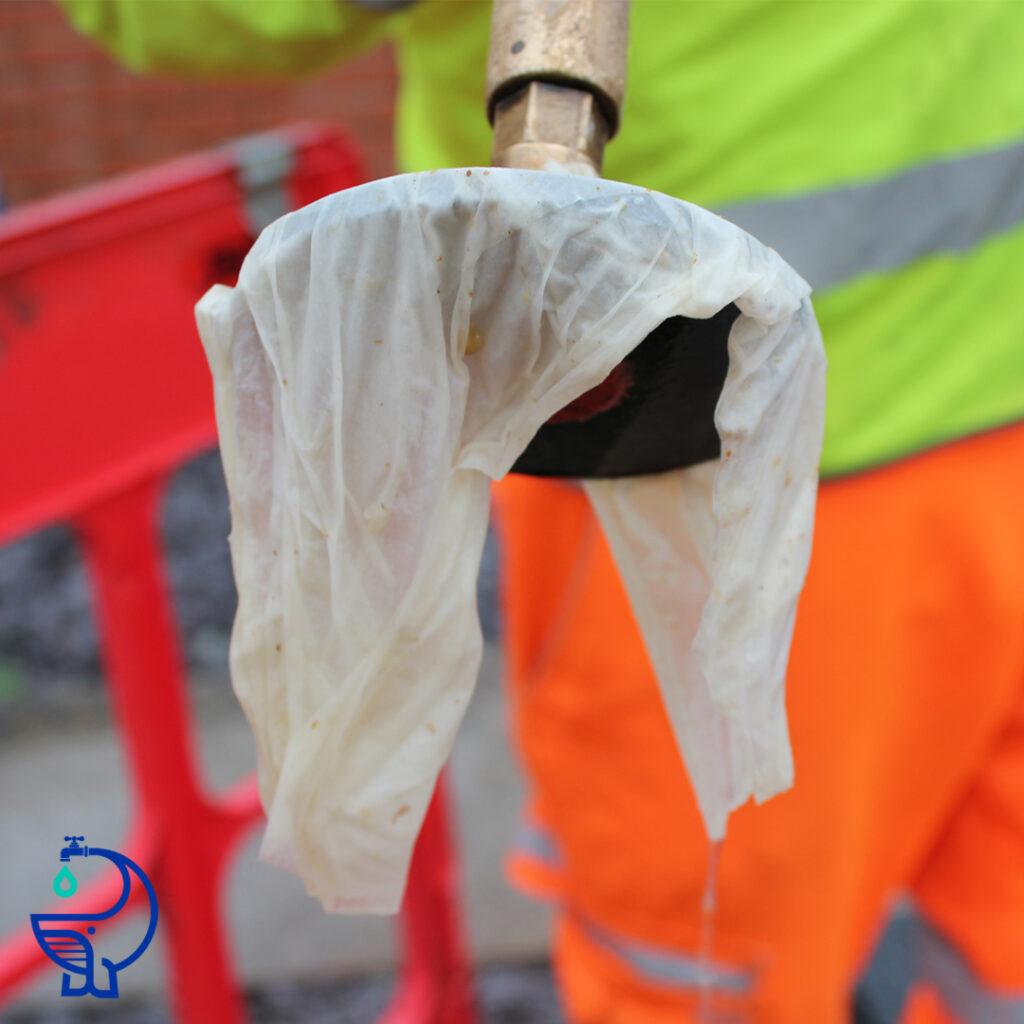
Lanes Group’s report has revealed how public awareness is not being followed up by action. Whilst 86% of UK respondents are aware that fat and oil contribute to fatbergs, 41% continue to pour fat or oil down their sink. 63% also know that wet wipes cause blockages, but only 28% flush ‘flushable’ wet wipes, and 7% even flush ‘regular’ wet wipes. 34% have said that an ‘out of sight, out of mind’ attitude is the main barrier affecting their behaviour.
Jacob Larkin, the Unblocktober Campaign Manager at Lanes Group, says, “Seven years since we launched Unblocktober, it’s a little worrying to see the gap between what people know and what they actually do. We’ve clearly succeeded in raising awareness – 70% now know what a fatberg is – but awareness alone isn’t enough.
While we support policy solutions like recycling schemes and wet wipe bans, we can’t wait for legislation to solve this crisis. The reality is that every person who stops pouring oil down their sink or binning their wet wipes makes an immediate difference. Real change happens when individuals take responsibility at home AND businesses step up to support those habits in the workplace. That’s why we’re calling on both households and workplaces across Britain to sign up to Unblocktober – because small changes today really do create cleaner rivers tomorrow.”
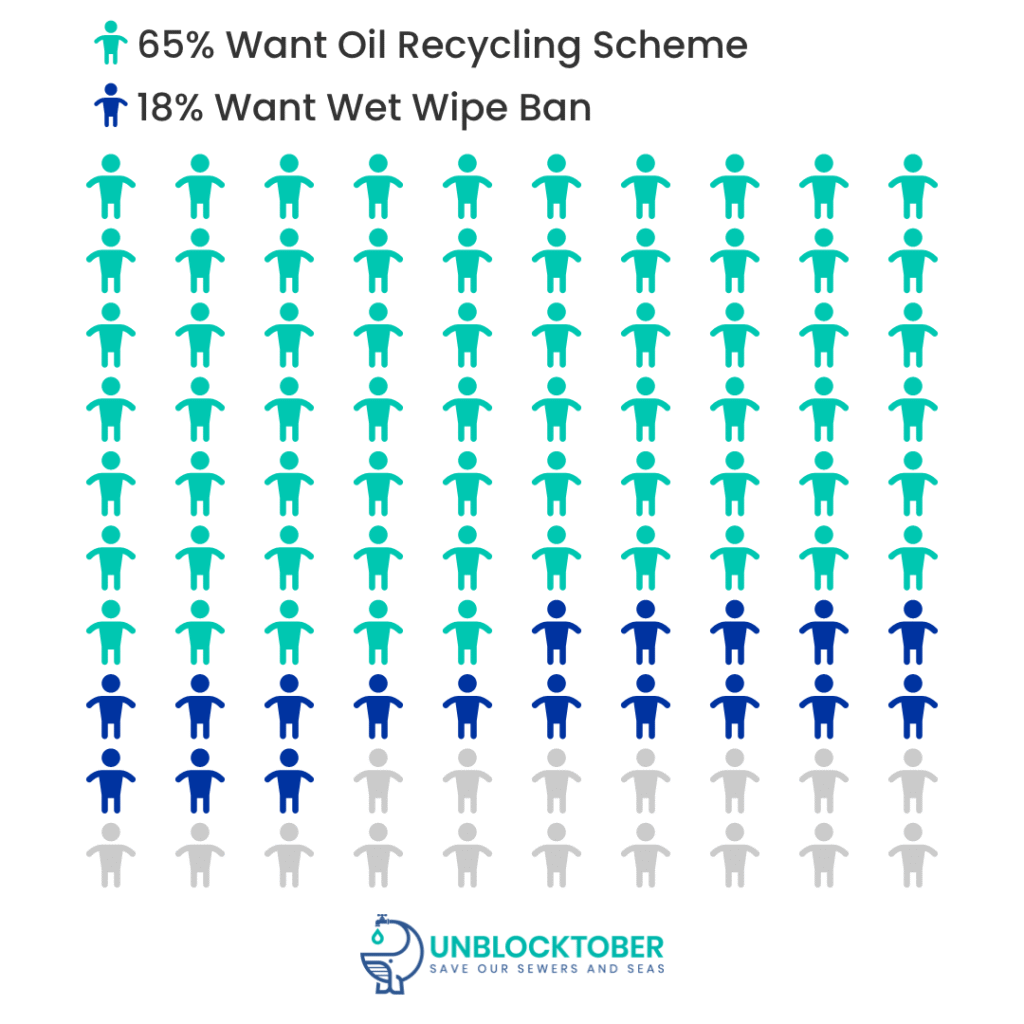
But there is consensus for action. Nearly two-thirds of correspondents say they want extensive cooking oil and grease recycling schemes, with 29% identifying cooking oil as the hardest to dispose of cooking ingredient. A further 38% want environmental initiatives to drive stronger action on waste management.
Unblocktober argues habits shouldn’t need to wait for government regulation, and so has started an initiative under the rallying cry “Don’t Block Our Future” with the tagline, “Small changes today for cleaner rivers tomorrow”. This offers a practical path for change for individuals, having achieved over 72,500 pledges from households to change their behaviour towards sinks and kitchens in a positive direction.
www.unblocktober.org is available for all organisations to join for free. By taking the Unblocktober pledge, participants commit to changing their habits to promote more environmentally friendly habits – from properly disposing cooking oil to binning rather than flushing wet wipes.
Unblocktober is giving readily accessible resource packs containing practical advice, checklists and real world case studies to support lasting behavioural changes. The scheme will run for the rest of the year.
What we can all do on a micro-scale to contribute environmentally is important. Habit building and general awareness about ecological matters brings attention to how our day-to-day lives intersect with larger needs. Unblocktober is working with local communities to help raise awareness and bridge the gap between knowledge and action.
How we conduct ourselves at every stage of our lives is important ecologically. Unblocktober provides a clear path forward for those seeking to amend their habits and become more environmentally conscious even at home. Already, over 70,000 participants are changing how they use their kitchens and sinks in an effort to be more environmentally friendly due to the initiative started by Unblocktober.